The Trump-Class Battleship Would Be Twice the Size of Any Cruiser or Destroyer in Service
The Congressional Budget Office costed the U.S. Navy's proposed Trump-class battleship at roughly 35,000 tons. GlobalMilitary.net inventory data shows the largest cruiser or destroyer in service anywhere displaces 15,907 tons, and only 14 hulls worldwide exceed 11,000.
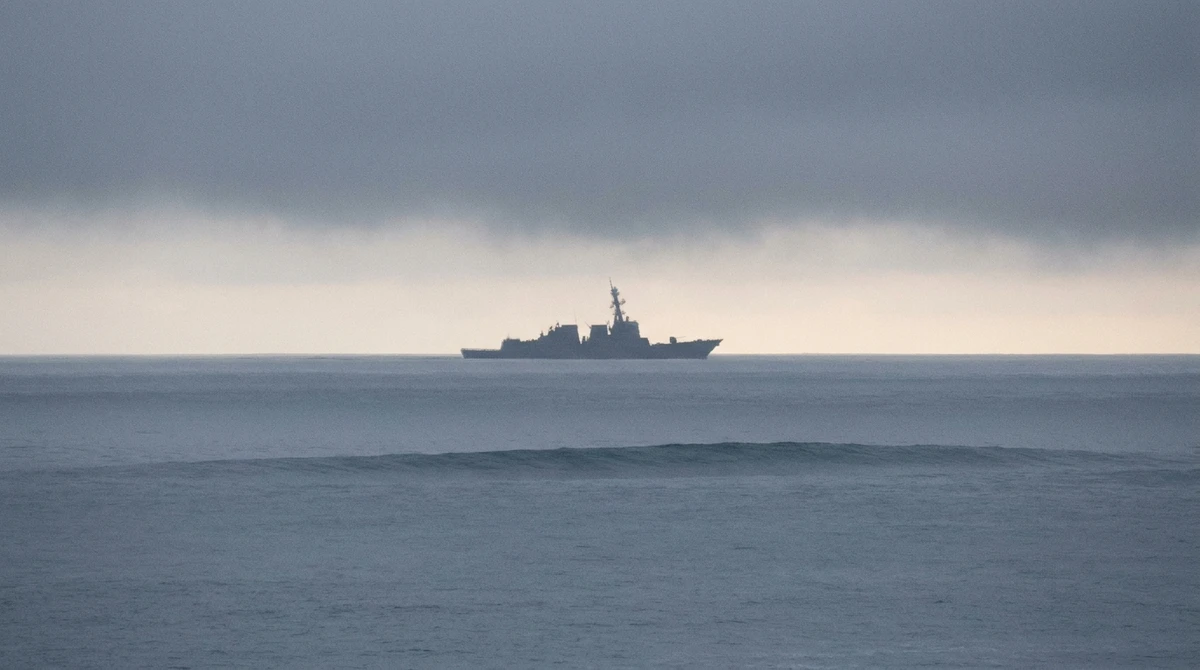
The Congressional Budget Office's August 5 estimate for the U.S. Navy's proposed Trump-class battleship described a ship of roughly 35,000 tons. Measured against the warships actually at sea today, that figure has no peer: GlobalMilitary.net inventory data shows that just 14 surface combatants in active service anywhere in the world displace more than 11,000 tons.
Those 14 hulls belong to only three classes. The American Zumwalt class, at 15,907 tons, is the heaviest surface combatant in commission anywhere; two are in service, USS Zumwalt and USS Michael Monsoor, while the third, Lyndon B. Johnson, remains in trials and has not been commissioned. China's Type 055, known to NATO as the Renhai class, follows at 13,000 tons, with ten hulls active and four more fitting out. Russia's two remaining Slava-class cruisers, at 11,490 tons, complete the list.
Below that threshold the field thickens quickly. Japan fields two Maya-class destroyers at 10,250 tons and two Atago-class at 10,000 tons; South Korea operates four Sejong the Great-class ships, also at 10,000 tons. The bulk of Western naval tonnage sits just underneath: 75 Arleigh Burke-class destroyers at 9,900 tons and seven Ticonderoga-class cruisers at 9,800 tons, both American, alongside four Taiwanese Kee Lung-class and four Japanese Kongo-class hulls between 9,500 and 9,800 tons.
A 35,000-ton hull would be roughly 2.2 times a Zumwalt, 2.7 times a Type 055 and about 3.5 times an Arleigh Burke, the comparison CBO itself drew.
The only modern warship approaching that scale is the Soviet Kirov class, four of which were built at 28,000 tons on a 252-meter hull. Neither survivor counts as active in GlobalMilitary.net's 2026 inventory. Admiral Nakhimov put to sea in August 2025 for the first time since 1997, following a Sevmash refit that ran more than 25 years, and has not been delivered to the fleet. Pyotr Velikiy is laid up; Russian officials have signaled its retirement once Nakhimov enters service, but no decommissioning has been formally announced. Even at 28,000 tons, a Kirov is a quarter lighter than the ship CBO costed.
The census also shows where heavy-combatant construction is actually happening. China is the only navy building 13,000-ton ships in series — ten commissioned and four fitting out — against two Zumwalts and a third that has never entered service. Beneath them sits a dense 7,000-to-7,600-ton tier that carries most of the world's modern air-defense capability: 35 Chinese Type 052D destroyers, six British Type 45s, four German Baden-Württemberg frigates, and the seven Kolkata- and Visakhapatnam-class destroyers of the Indian Navy fleet.
The figures here are full-load displacements from GlobalMilitary.net class pages, counted against each navy's most recent hull-by-hull inventory — 2026 for most fleets, 2025 for Italy and Australia. "Surface combatant" covers cruisers, destroyers and frigates only; aircraft carriers and amphibious ships are excluded, and a Gerald R. Ford-class carrier displaces about 100,000 tons. Navies publish standard and full-load tonnages inconsistently, so cross-class comparisons carry a margin of several hundred tons. The Trump-class numbers remain a projection of an immature design that CBO itself calls "highly uncertain."
Two decisions will move this table. The fiscal 2027 defense bill determines whether the battleship's $1 billion in advance procurement survives, and the delivery of Admiral Nakhimov would return a 28,000-ton combatant to the active list for the first time since the 1990s.
More News
All news →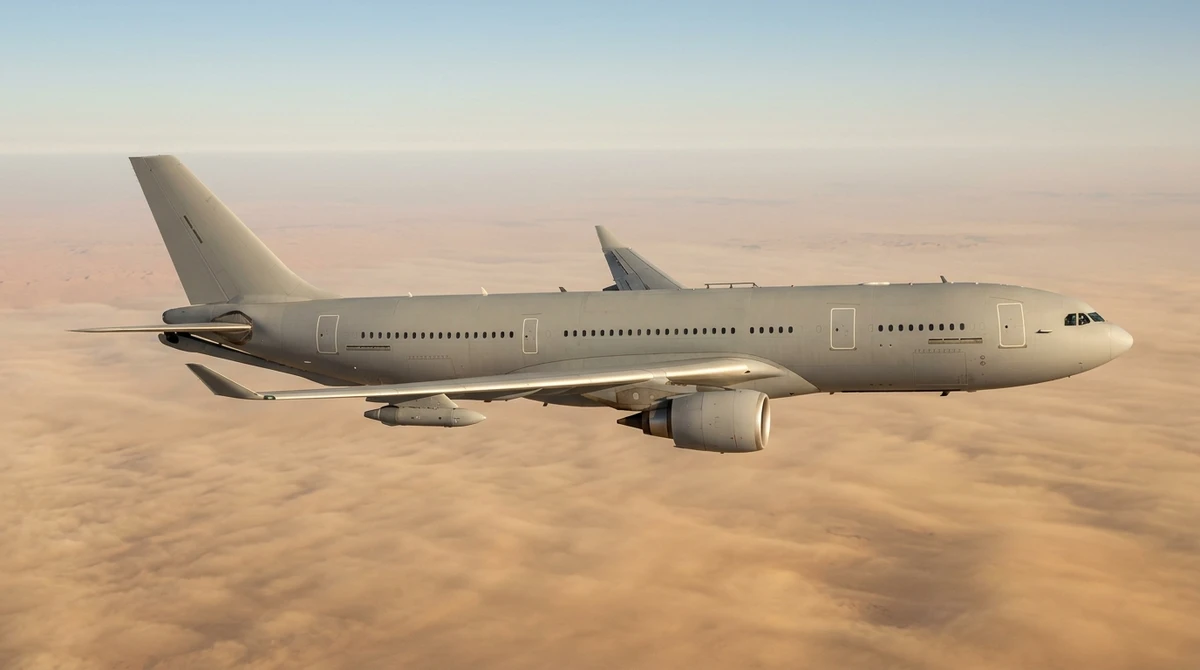
Boom or Drogue: Why the RAF Tanker Sent to Saudi Arabia Cannot Refuel Its F-15s
Britain announced on September 22, 2026 that it will send a Voyager tanker to Saudi Arabia, but its hose-and-drogue pods can serve only the Typhoons and Tornados, not the 232 F-15s that make up 60 percent of the Saudi combat fleet.
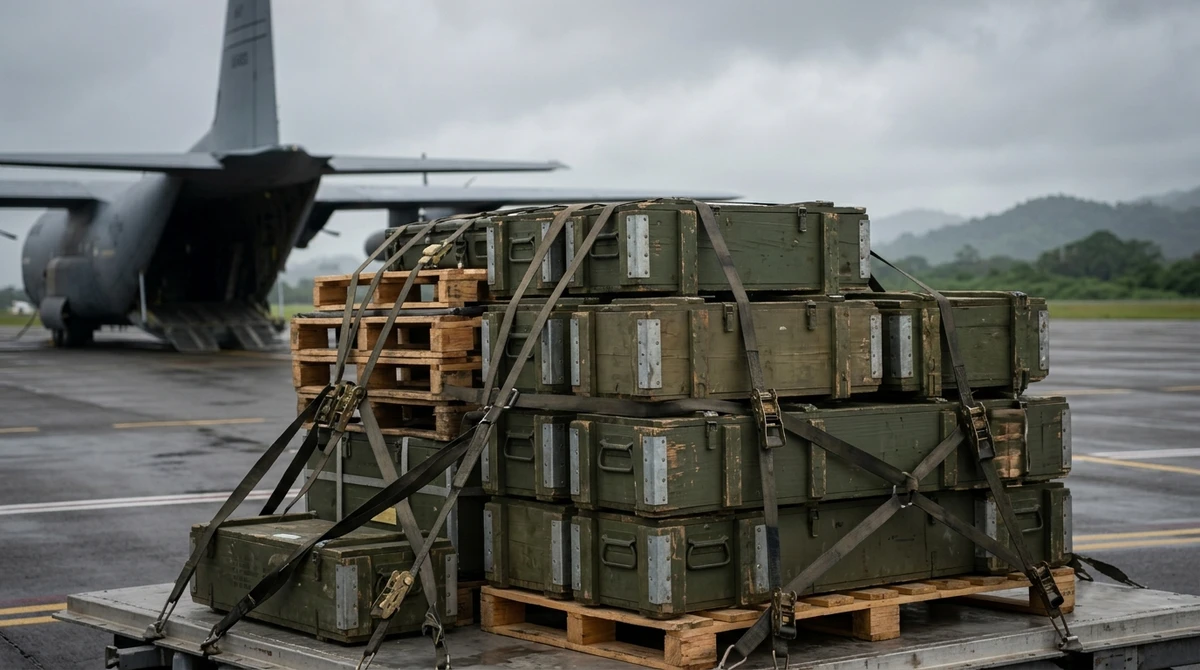
Guatemala Receives First Lot of More Than 2,000 M4A1 Carbines in First US Arms Purchase in Decades
Guatemala's army formally took delivery on 21 September 2026 of a first lot of more than 2,000 US-made M4A1 carbines at La Aurora International Airport in Guatemala City, the opening tranche of a US$5 million Foreign Military Sales order for a new jungle brigade in Petén.
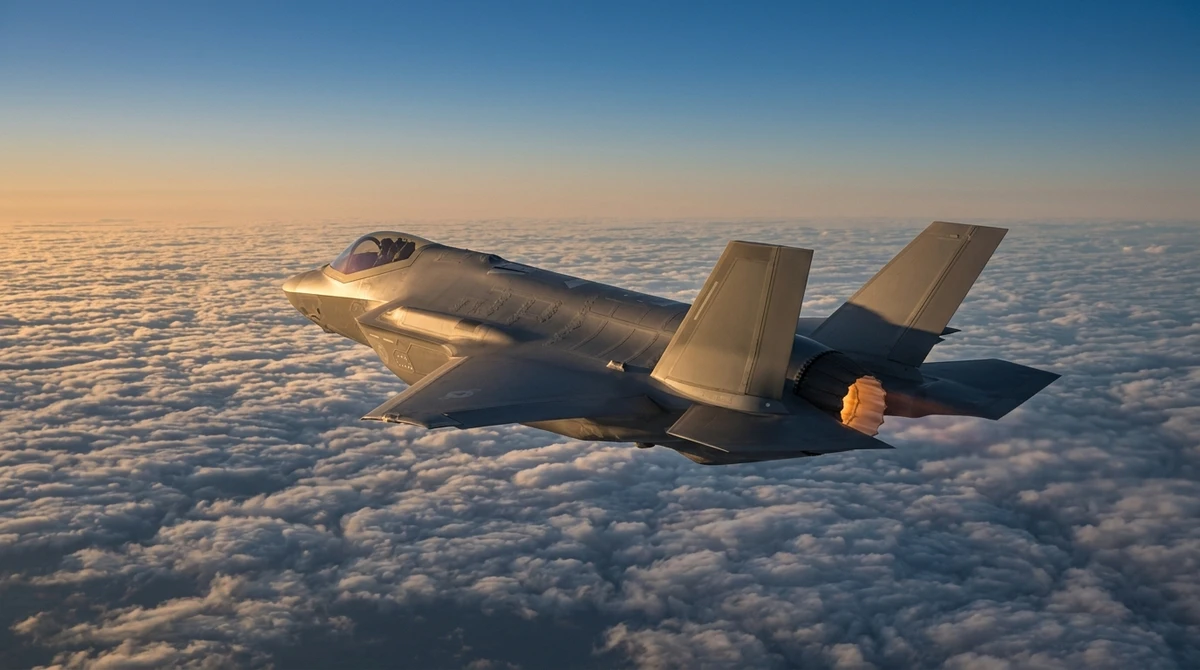
General Atomics Delivers FQ-42 Vengeance Uncrewed Fighter to Creech Air Force Base
General Atomics delivered one FQ-42 Vengeance uncrewed fighter to Creech Air Force Base, Nevada, on September 18, as the company says it is on track to build six a month and the Secretary of the Air Force expects at least 500 autonomous aircraft in service by 2032.
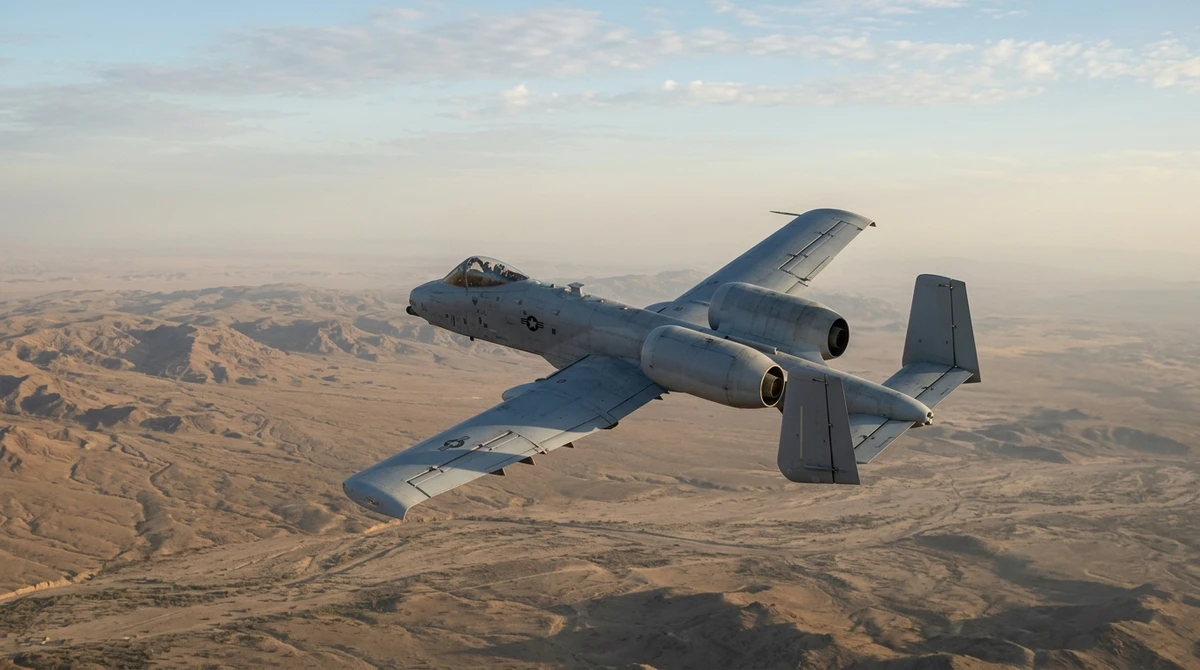
Davis-Monthan Inactivates Four A-10 Units, Ending the Base's Thunderbolt II Mission
The US Air Force inactivated four A-10 units at Davis-Monthan Air Force Base, Arizona, on September 18, 2026, ending the type's presence at the base while the FY2026 defense authorization act holds the fleet at no fewer than 103 aircraft through fiscal 2026.
North Korea Fires Two Short-Range Ballistic Missiles Toward the East Sea
North Korea launched two short-range ballistic missiles from the Wonsan area toward the East Sea on September 20, 2026, one flying about 450 km and the other more than 600 km, South Korea's Joint Chiefs of Staff said; Japan said neither landed in its territorial waters.
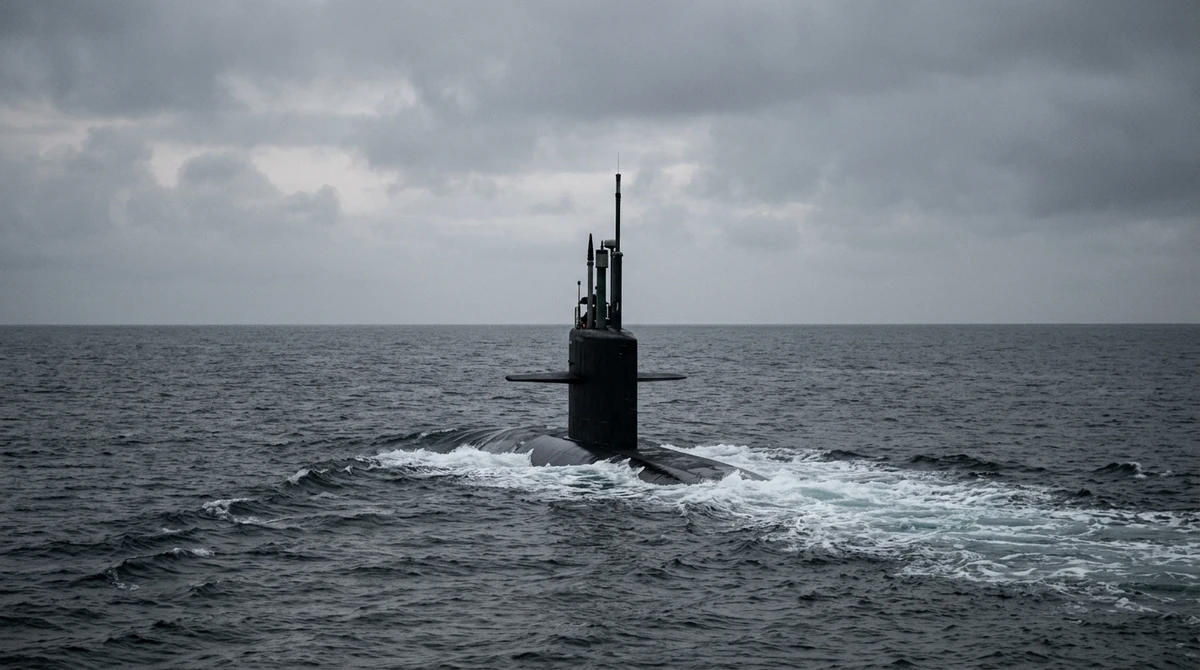
Nuclear vs Air-Independent Propulsion: How a Submarine Runs Without Air, and What Japan Is Weighing
After Japan's defense minister declined on September 11, 2026 to rule out nuclear-powered submarines, a technical explainer on how a reactor, a Stirling engine, a fuel cell and a lithium-ion battery each keep a boat under water, and what each one buys.