US Army Opens Search for M109 Replacement — 23 Armies Still Field 6,036 of the Cold War Howitzer
The US Army issued a request for information on September 1 for a tracked 155mm howitzer to replace the M109 in armored formations — a type first fielded in the 1960s and still in active service with 6,036 examples across 23 countries, according to GlobalMilitary.net inventory data.
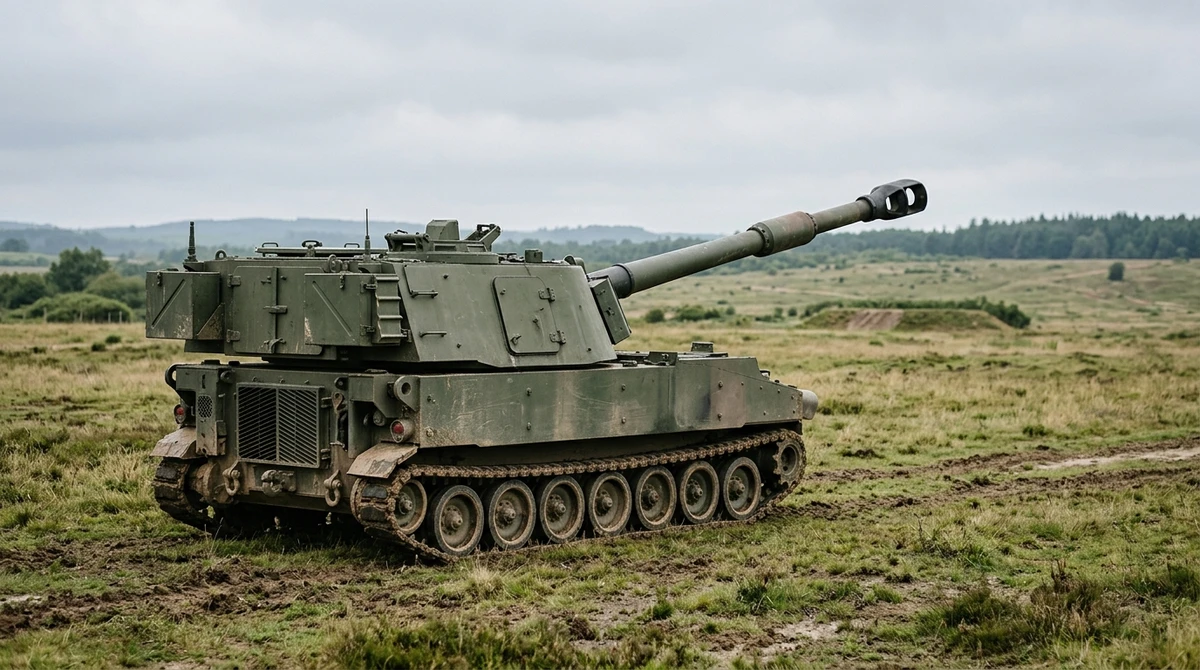
The US Army has formally opened its search for a successor to the M109 self-propelled howitzer, publishing a request for information on September 1, 2026 that seeks "a tracked self-propelled 155mm howitzer for employment within armored formations," Breaking Defense reported. Responses are due by September 11.
Shephard Media, which refers to the program as the Mobile Tactical Cannon-Tracked (MTC-T), forecasts a deal worth up to $8 billion for roughly 670 platforms. Both figures are the outlet's own projection: as Breaking Defense notes, the RFI itself specifies neither a contract value nor a quantity.
The tracked effort runs alongside a wheeled sibling. In August 2026, Hanwha Defense USA won a contract worth up to $233 million for wheeled Mobile Tactical Cannon prototypes, based on the K9 and aimed at replacing towed M777 howitzers. A Program Executive Office spokesperson told Breaking Defense the two variants "address different operational requirements and formations": the wheeled system is meant for formations that currently rely on towed artillery, while the tracked variant would accompany armored formations.
Whichever design is eventually selected will be stepping into the place of one of the most widely distributed artillery systems in service. First fielded in the 1960s, the M109 family still counts 6,036 self-propelled howitzers in active service across 23 countries in 2026, according to GlobalMilitary.net inventory data covering the world's armies.
The United States is itself the largest operator, with 1,521 guns on strength — 1,250 M109A6 Paladins alongside 271 of the newer M109A7. South Korea follows with 1,040 K55s, a license-built derivative of the M109. Six further armies field 250 or more:
- Pakistan — 438
- Greece — 420
- Jordan — 358
- Egypt — 325
- Morocco — 300
- Israel — 250
Taiwan (225), Iraq (220), Iran (150), Switzerland (133), Saudi Arabia (110), Brazil (109), Spain (96), Ukraine (90) and the United Arab Emirates (87) round out the operators below that threshold, with the remaining six countries accounting for 164 guns between them. The type's persistence is part of a wider pattern in ground-forces inventories examined in GlobalMilitary.net's analysis of the world's towed and self-propelled artillery fleets.
The scale of that installed base means the US program will be watched well beyond Washington: for two dozen armies, the M109 is not a legacy system but the backbone of their tube artillery.
The Army has scheduled an industry day for the week of September 8, ahead of the September 11 deadline for RFI responses.
More News
All news →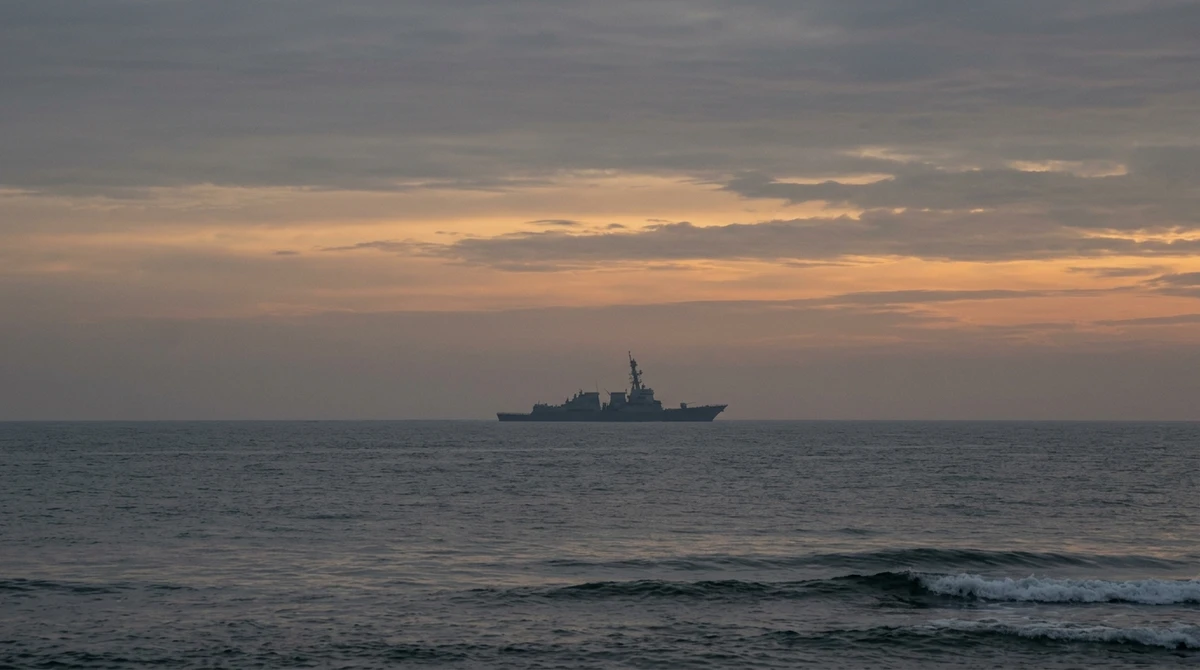
US Navy Opens Formal Study of Japanese, Korean and Turkish Frigates After Constellation Cancellation
The US Navy has opened a formal evaluation of the Japanese Mogami, South Korean Chungnam and Turkish Istanbul frigate designs for a new class of frigates, USNI News reported on 1 September 2026, with the assessment due on 12 November.

Greece Signs $3.4 Billion Israeli Air Defense Deal for David's Sling, Barak MX and SPYDER
Greece's new Achilles' Shield program will field David's Sling, Barak MX and SPYDER interceptors alongside IAI radars under a roughly €3 billion agreement signed with Israel's Ministry of Defense on August 31, with the systems due to be in place by 2029.
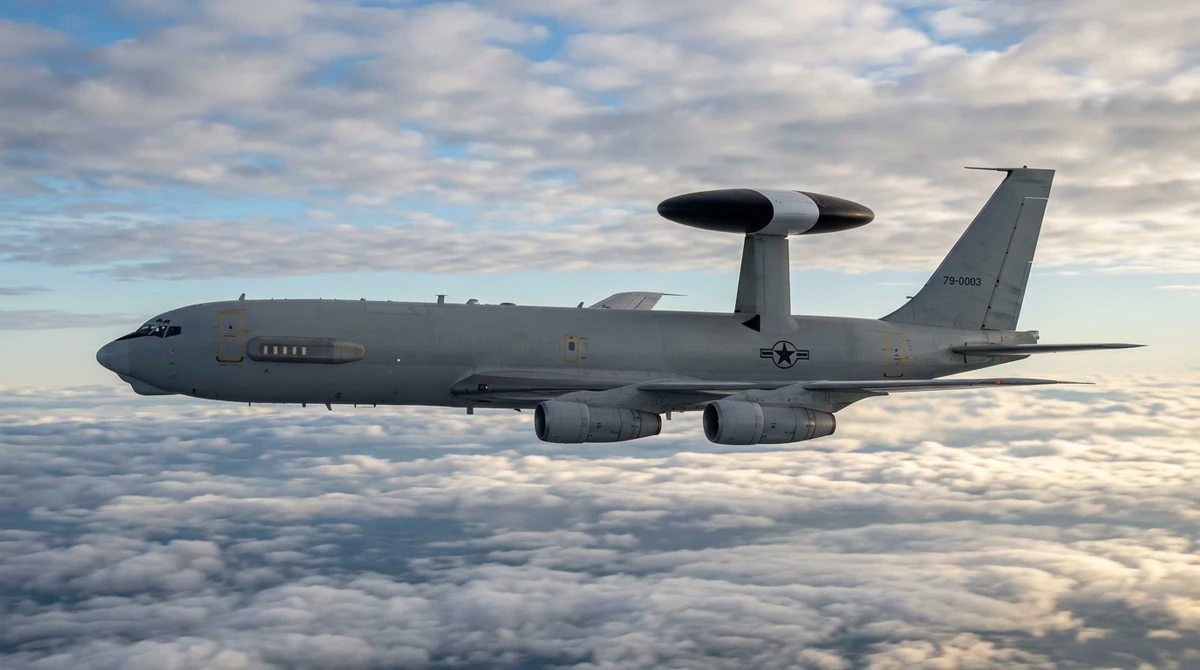
Only 20 Air Forces Fly Airborne Early Warning Aircraft — China Now Fields More Than the USAF
Just 20 of the 162 air forces tracked by GlobalMilitary.net operate airborne early warning aircraft in 2026; the United States leads with 98, but 83 are carrier-based Navy Hawkeyes, leaving the US Air Force with 15 aging E-3 Sentries against China's 81 land-based radar aircraft.
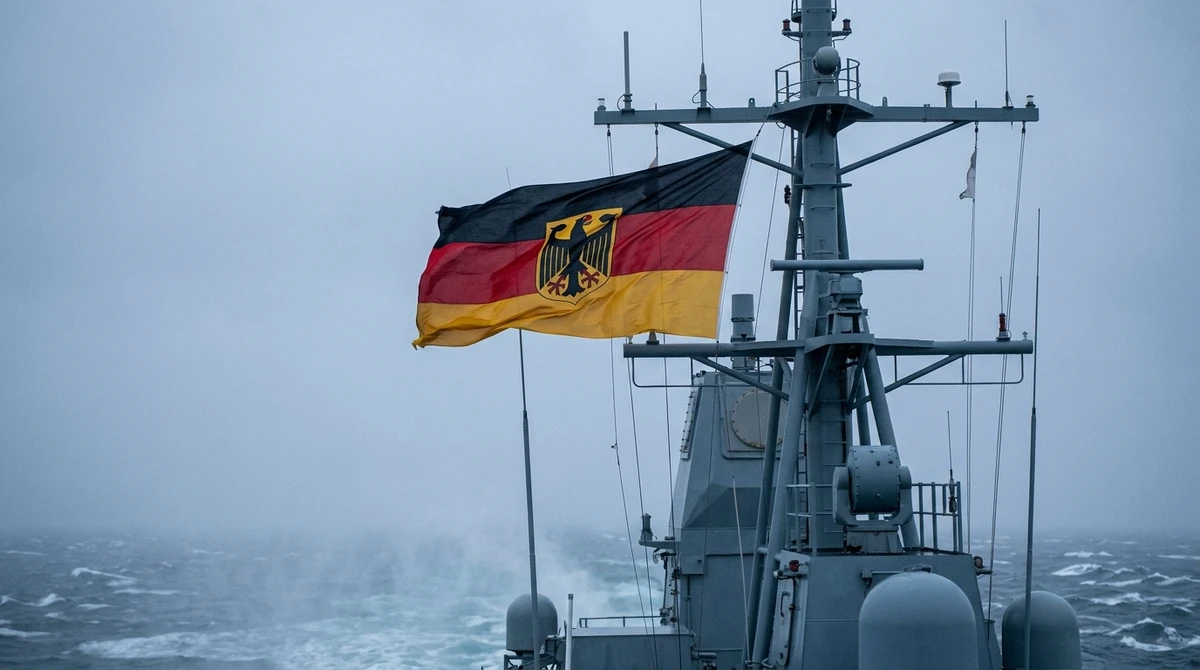
German Frigate Sachsen-Anhalt Fires Israeli LORA in Navy's First Ballistic Missile Launch at Sea
The frigate Sachsen-Anhalt launched at least two Israeli-made LORA quasi-ballistic missiles from containerized launchers on its flight deck in the North Atlantic on the night of September 1 to 2, the first time a German warship has fired a ballistic missile.
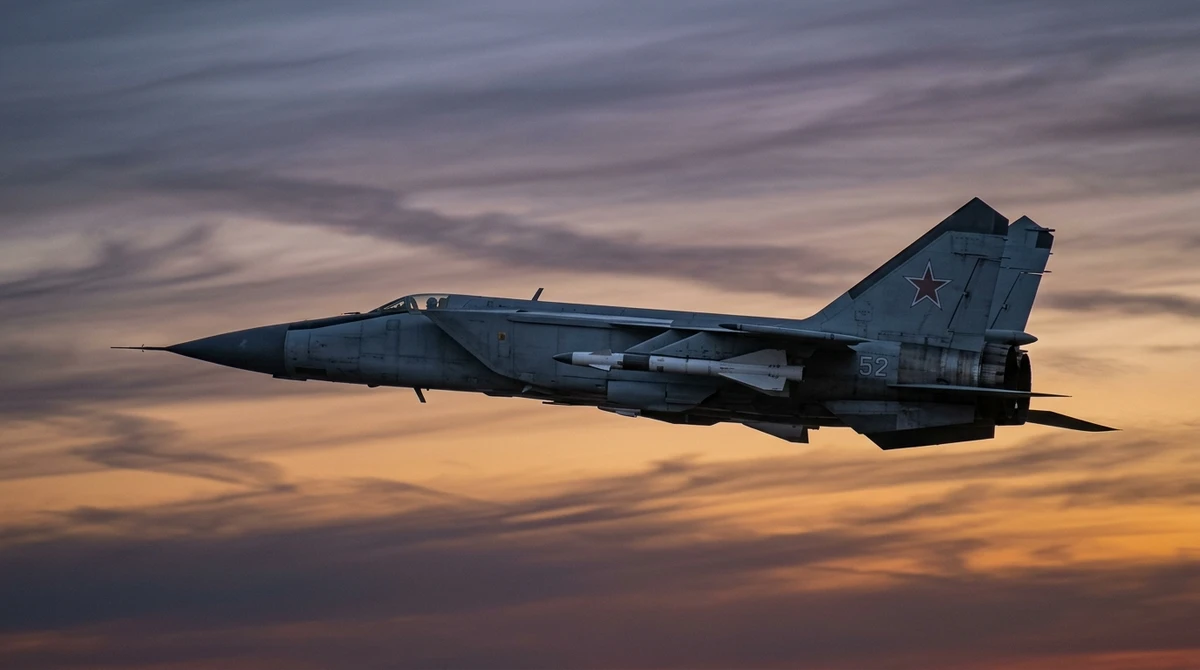
MiG-25 Defection at 50: A Soviet Pilot's Landing in Japan Exposed the Foxbat's Limits
This Sunday marks 50 years since a Soviet Air Defense Forces lieutenant flew a MiG-25P interceptor from Chuguyevka Air Base to Hakodate Airport in Hokkaido on 6 September 1976, giving the United States and Japan their first close look at the fastest combat aircraft in the Soviet inventory.
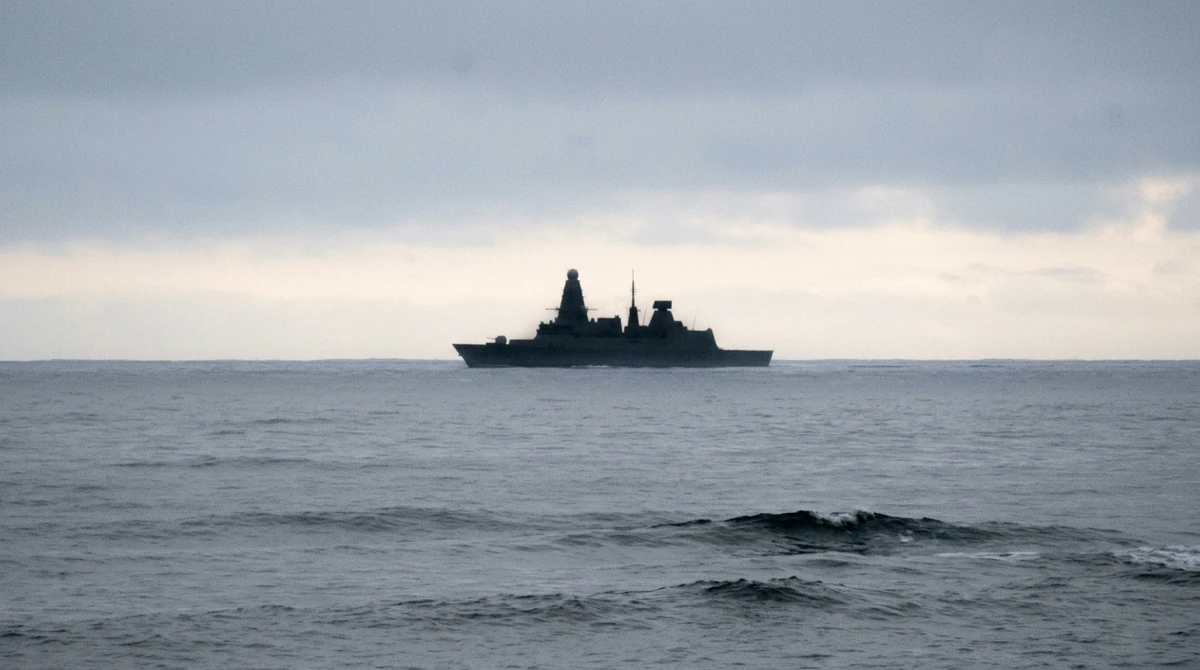
Sweden Orders Four French FDI Frigates, Seven Times Bigger Than Its Largest Warship Today
Sweden's defense procurement agency and Naval Group signed a €4.3 billion contract in Stockholm on August 31, 2026 for four Defence and Intervention frigates, to be delivered one a year from 2030 and to serve as the Luleå class.