US Army Picks Hanwha's Wheeled K9 to Replace Towed Howitzers in Stryker Brigades
The US Army awarded Hanwha Defense USA a $100.3 million agreement on 18 August 2026 for six Mobile Tactical Cannon prototypes, a wheeled 155 mm derivative of the K9 Thunder, with the first vehicle due this fall.
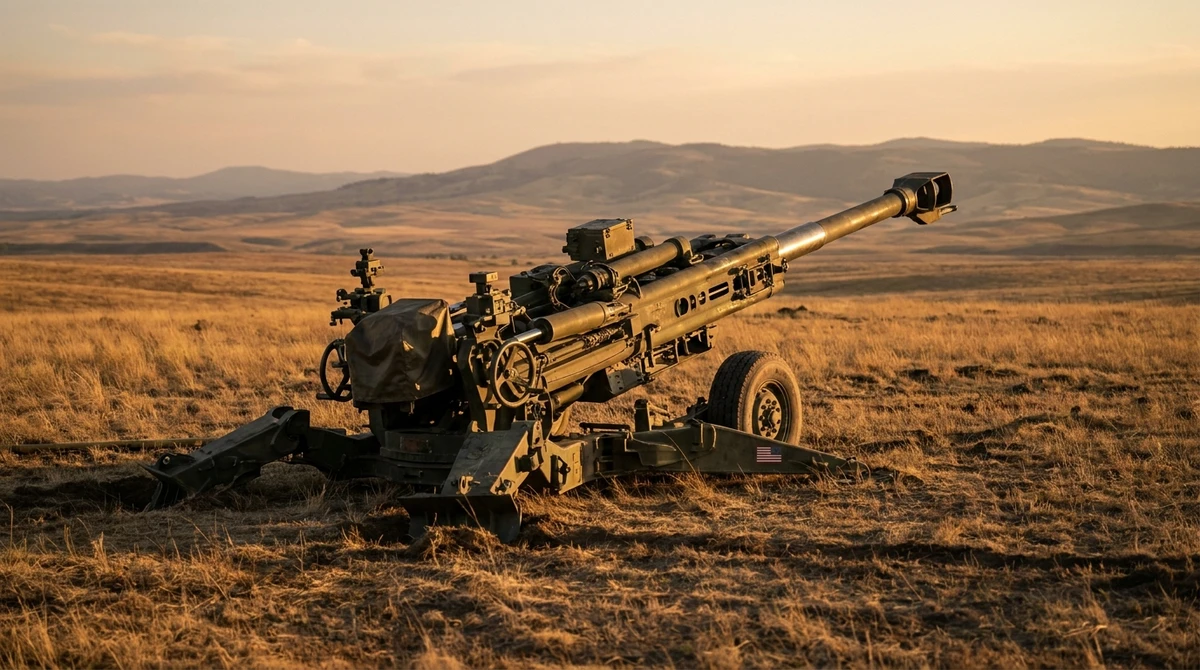
The US Army has selected a wheeled derivative of South Korea's K9 Thunder for its Mobile Tactical Cannon programme, awarding Hanwha Defense USA a $100.3 million agreement for six prototypes, the service announced on 18 August 2026. The award carries an option for twelve more vehicles and a cumulative ceiling of about $262.9 million.
The Mobile Tactical Cannon is the Army's answer to a problem the war in Ukraine made unavoidable: a towed howitzer takes minutes to come out of action, and minutes are what counter-battery radar needs. The winning design mounts the K9's 155 mm armament on a wheeled chassis, trading the tracked vehicle's cross-country performance for road speed and lower sustainment cost. The first prototype is due in the fall of 2026, with the vehicles built in South Korea and integrated and tested at Hanwha's facility in Opelika, Alabama.
Initial fielding is aimed at Stryker brigade combat teams, followed by mobile and infantry brigades. The Army expects roughly four years of soldier experimentation before committing to a programme of record, so the competition's practical effect this decade is a prototype fleet rather than a fielded one.
What it is meant to displace is substantial. The US Army fields 1,000 M777 howitzers and 878 M119 light guns in active service, against 1,250 M109A6 Paladins and 271 of the newer M109A7 variant, with a further 689 A7s on order. That leaves the United States with 1,878 towed tubes against 1,521 self-propelled ones — 55 percent of its howitzer fleet still hitched to a truck. Army statements have been careful to describe the Mobile Tactical Cannon as replacing the M777 in select formations, not across the force.
For South Korea, the award closes a loop that took two decades. The K9 family began as a domestic answer to North Korean tube artillery and became the most widely exported self-propelled howitzer of its generation: 1,619 guns are in active service across five armies — 1,240 in Korean hands, 218 in Poland, 100 in India as the K9 Vajra-T, 33 in Finland and 28 in Norway as the K9 VIDAR — with roughly 1,080 more on order, including Egyptian, Vietnamese and Romanian batches that have yet to deliver a vehicle. Hanwha puts the total number of K9-family guns fielded worldwide at more than 2,500.
Until now that success had been built on selling to European and Asian operators replacing Soviet-era equipment. Supplying the US Army is a different proposition, and it puts a Korean design in a segment where the wheeled 155 mm contenders were expected to be European — France's CAESAR, already combat-proven in Ukraine, or the German RCH 155, whose turret is derived from the PzH 2000.
The irony is that Seoul has not solved the problem it is now selling a solution for. South Korea still fields 2,800 towed guns of its own alongside its 2,480 self-propelled ones, a split that reflects fixed defensive positions along the demilitarized zone rather than a modernization gap. Globally, towed artillery remains the majority: 36,832 towed tubes against 20,964 self-propelled across the armies in the GlobalMilitary.net database, and the self-propelled artillery ranking shows how narrowly that capability is concentrated.
The next milestone is the delivery of the first prototype this fall, after which the Army begins the experimentation phase that will decide whether the Mobile Tactical Cannon becomes a fielded system or an expensive lesson in wheeled fires.
More News
All news →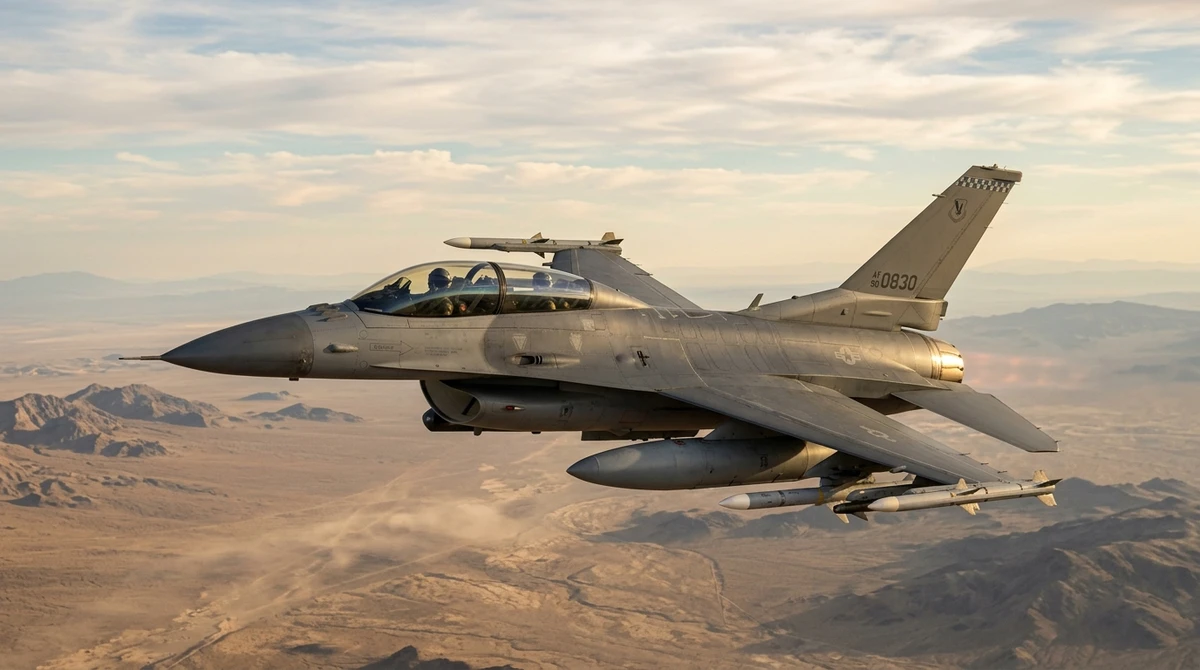
Morocco's First F-16 Block 72 Makes Maiden Flight, the First Pratt & Whitney-Powered Viper to Fly
Lockheed Martin said on October 6 that the Royal Moroccan Air Force's first F-16 Block 72, a two-seat F-16D, had flown from its Greenville, South Carolina, plant, the first flight of the Pratt & Whitney-engined version of the latest-generation Fighting Falcon.
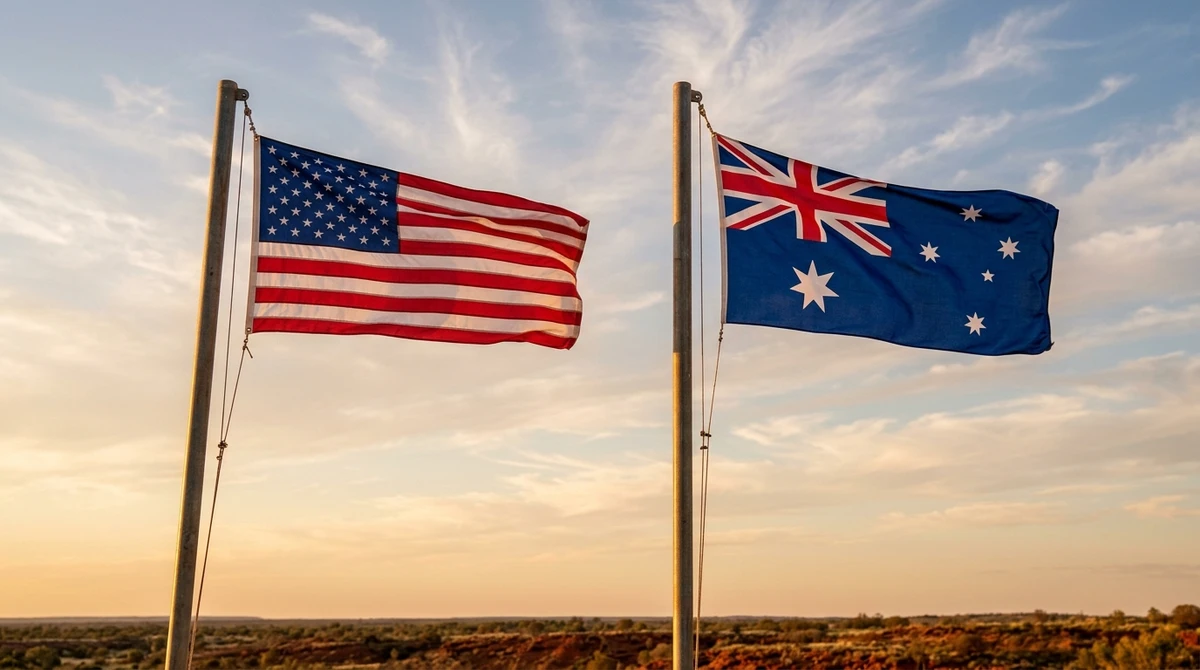
First HACM Hypersonic Cruise Missile Flight Test Unit Released Over Australia
The U.S. Air Force says a Hypersonic Attack Cruise Missile flight test unit was released by the Royal Australian Air Force over an Australian test range, without disclosing the date, the launch aircraft or whether the scramjet-powered weapon achieved powered flight.

Spain Selects Airbus A321 as Platform for Three SIGINT Aircraft in €436M Program
Spain has chosen the Airbus A321 as the platform for three signals-intelligence aircraft for the Spanish Air and Space Force, restoring a dedicated airborne SIGINT capability the country has lacked since its Boeing 707 was retired in 2014.
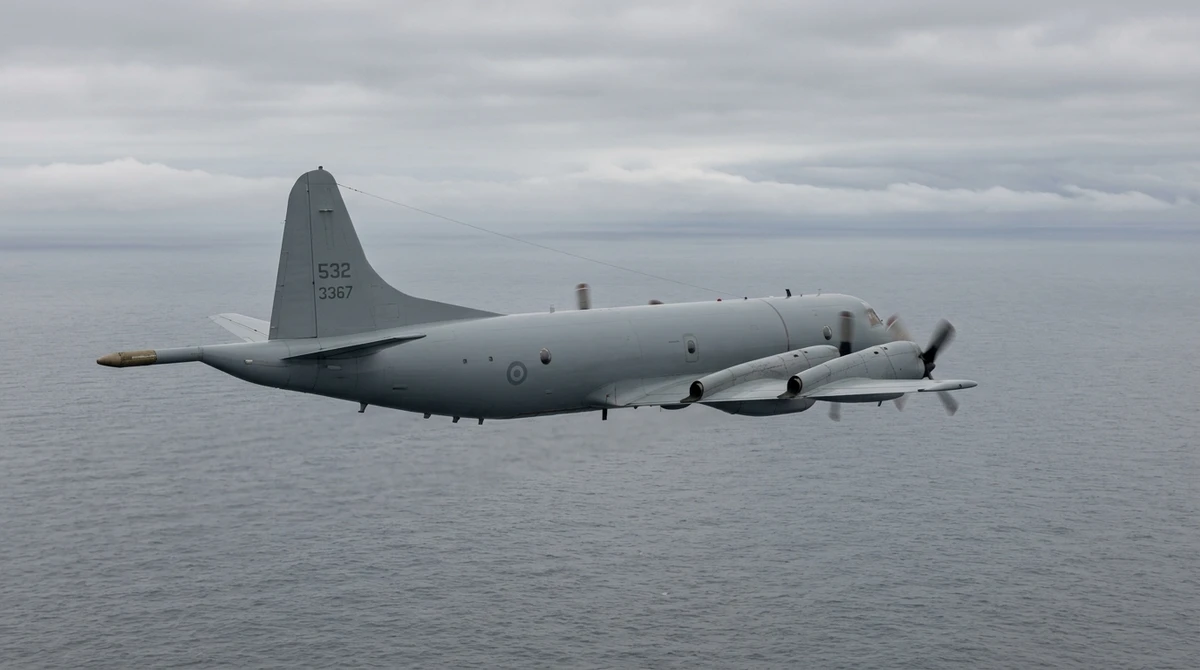
P-3 Orion Fleet Down to 101 Aircraft in 12 Countries, Roughly Half Its 2022 Size
GlobalMilitary.net's inventory data counts 101 P-3 Orions in military service across 12 countries, down from 211 in 16 countries in its 2022 snapshot, as US agencies retire special-mission Orions and Japan draws down the largest remaining fleet.

Northrop Grumman's YFQ-48A Talon Blue Completes First Fully Autonomous Flight at Mojave
Northrop Grumman said on October 3, 2026 that its company-funded YFQ-48A Talon Blue had taxied, taken off, maneuvered and landed without pilot input at Mojave, California, as the US Air Force prepares to select designs for Increment 2 of its Collaborative Combat Aircraft program.
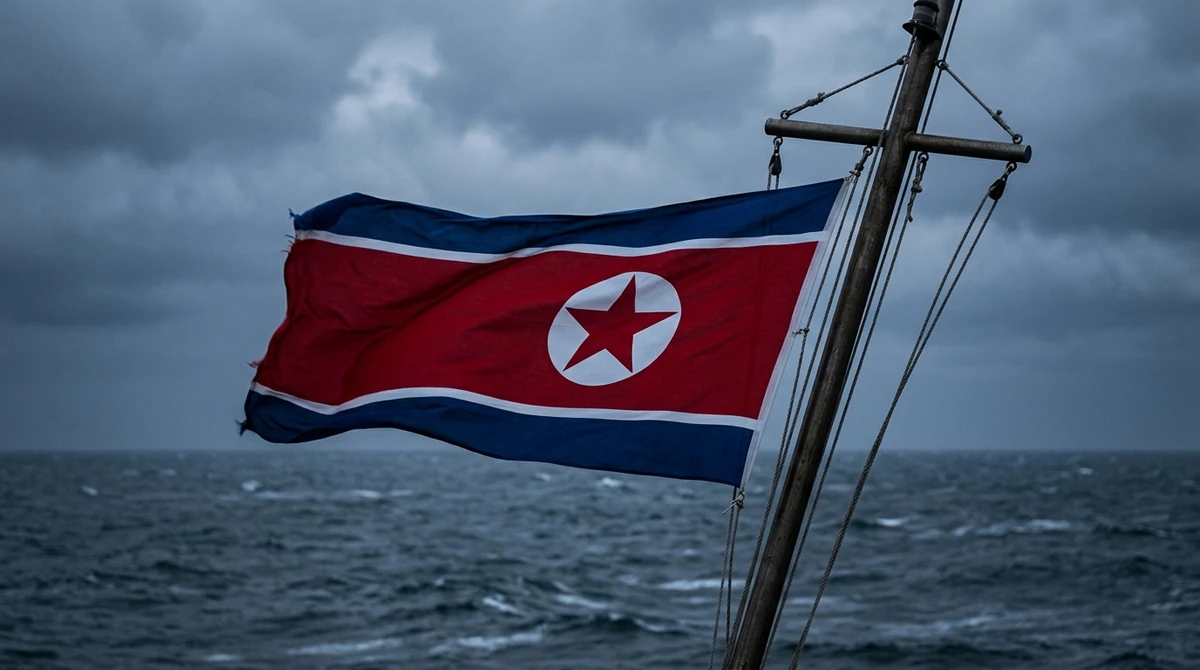
North Korea Says Hypersonic Missile Drill Hit Target 1,000 km Away; Seoul Tracked More Than 700 km
North Korea says a Saturday launch from the Wonsan area was a drill of its hypersonic strategic weapon system that struck a target 1,000 km away; South Korea's Joint Chiefs of Staff tracked a single ballistic missile flying more than 700 km into the East Sea.