The World Still Fights With Towed Guns: 36,832 of Them Against 20,964 Self-Propelled
The US Army's choice of a wheeled Korean howitzer this week put a spotlight on a global artillery fleet that remains stubbornly majority towed, and on the handful of armies that have already left towed guns behind entirely.
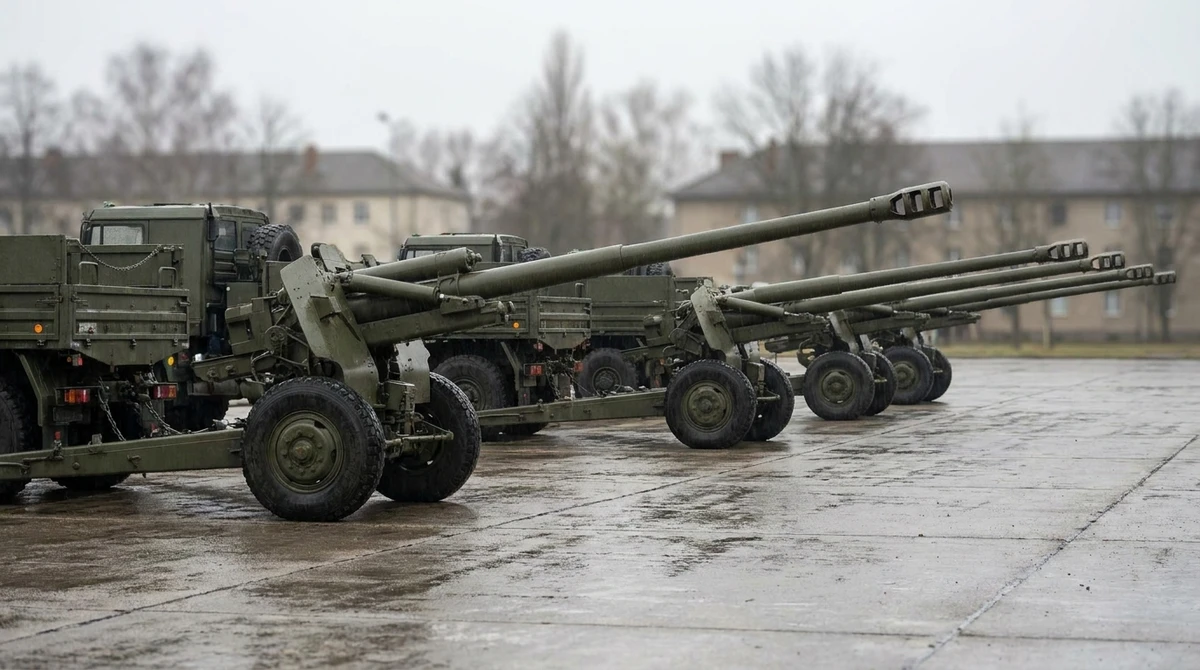
When the US Army picked a wheeled derivative of the Korean K9 Thunder for its Mobile Tactical Cannon programme on 18 August 2026, it was buying its way out of a problem most of the world still has. Counting the active inventories in the GlobalMilitary.net database, the world's armies field 36,832 towed artillery pieces against 20,964 self-propelled ones — nearly two towed tubes for every gun that can drive itself off a firing position.
That ratio is the single most under-reported fact about modern land forces. Ukraine turned counter-battery fire into the defining threat to artillery, and the response has been a scramble for shoot-and-scoot mobility. The inventories show how far most armies still are from it.
The most towed-dependent large armies are in Asia. India fields 4,400 towed guns against 100 self-propelled — 97.8 percent towed, the most lopsided ratio of any major army. Vietnam sits at 2,550 towed against 180, Pakistan at 2,408 against 662, and Iran at 2,030 against 292. Cuba's fleet is 96 percent towed, Taiwan's 82.5 percent, Myanmar's 86 percent.
One caveat matters before reading those numbers as a capability gap. Towed inventories mix calibers, and the mix is not incidental: 2,400 of India's 4,400 towed pieces are 105 mm Indian Field Guns, a light weapon whose self-propelled equivalent nobody builds. Strip the light guns out and India's heavy towed park is closer to 2,000 — still overwhelmingly towed, but not the outlier the raw ratio suggests. The same correction applies in miniature to most of the list.
The inverse cases are the two armies that have spent the last two decades rebuilding: China fields 900 towed guns against 4,510 self-propelled, just 16.6 percent towed, and Russia 670 against 1,742. Whatever else the Russian army has lost since 2022, its artillery park was already mechanized before the war started.
The United States sits awkwardly in the middle, which is the point of the Mobile Tactical Cannon. It fields 1,878 towed tubes — 1,000 M777 howitzers and 878 M119 light guns — against 1,521 self-propelled, of which 1,250 are M109A6 Paladins. At 55.3 percent towed, the US artillery fleet is proportionally less mobile than China's, Russia's or Turkey's.
Europe splits sharply in two. Poland has eliminated towed artillery outright: zero towed guns against 583 self-propelled, built from 218 K9s, 58 Krabs, 101 DANAs and 206 Soviet-era 2S1s, with a further 760 self-propelled guns on order. Germany is at zero towed against 134 PzH 2000s, the Netherlands zero against 46, Israel zero against 250.
At the other end sit the armies that never made the transition. Canada fields 154 towed guns and no self-propelled artillery at all; Australia 48 and none. The United Kingdom's position is the most striking of the three: 126 towed L118 Light Guns against just 14 self-propelled — the Archer wheeled howitzers bought from Sweden as a stopgap after the entire AS90 fleet was transferred to Ukraine. Britain has ordered 72 RCH 155 systems to close the gap, but first deliveries are not expected before 2028, leaving one of NATO's largest defense budgets with fourteen mobile guns in the interim.
Two methodological notes. These are active-service counts; stored equipment is recorded separately and many entries carry no stored figure, so an absent value should not be read as zero. And a gun count says nothing about ammunition stocks, fire-control networks or barrel life — the three things that actually decided artillery duels in Ukraine. The full picture, country by country, is in the global artillery ranking.
More News
All news →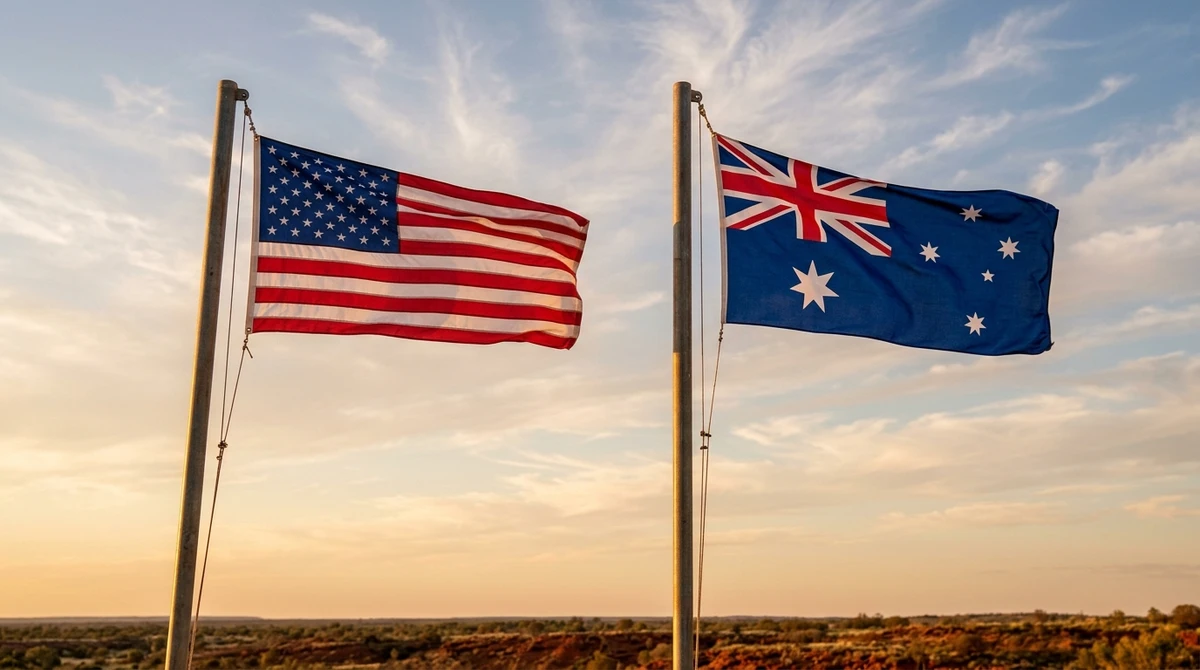
First HACM Hypersonic Cruise Missile Flight Test Unit Released Over Australia
The U.S. Air Force says a Hypersonic Attack Cruise Missile flight test unit was released by the Royal Australian Air Force over an Australian test range, without disclosing the date, the launch aircraft or whether the scramjet-powered weapon achieved powered flight.
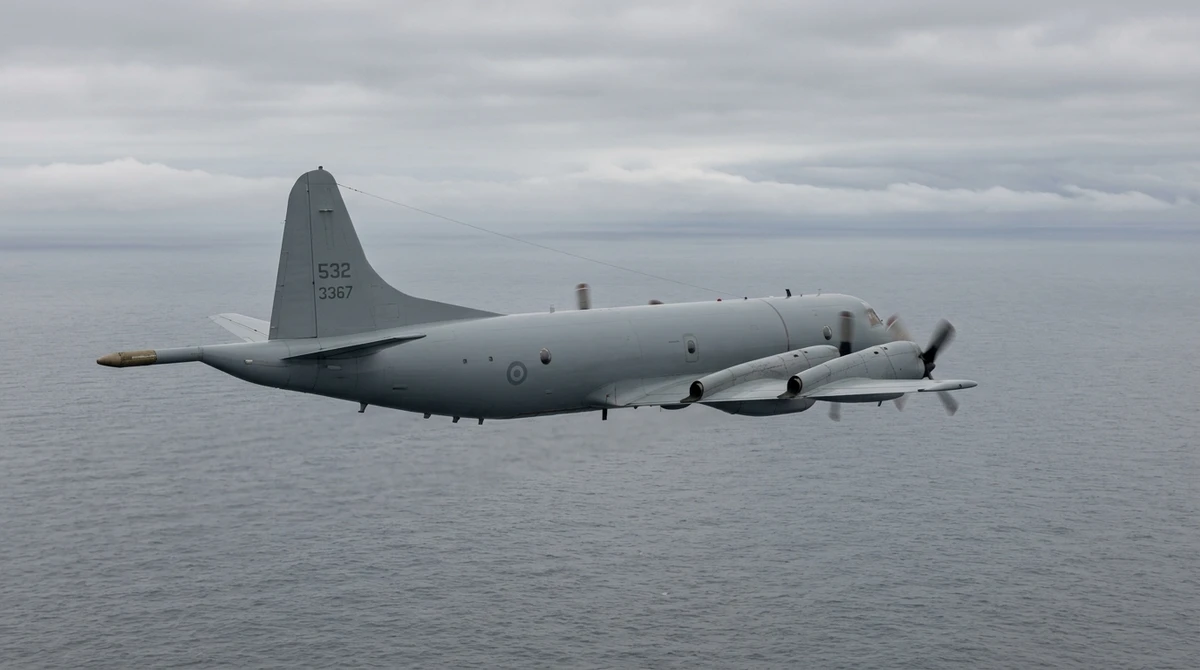
P-3 Orion Fleet Down to 101 Aircraft in 12 Countries, Roughly Half Its 2022 Size
GlobalMilitary.net's inventory data counts 101 P-3 Orions in military service across 12 countries, down from 211 in 16 countries in its 2022 snapshot, as US agencies retire special-mission Orions and Japan draws down the largest remaining fleet.
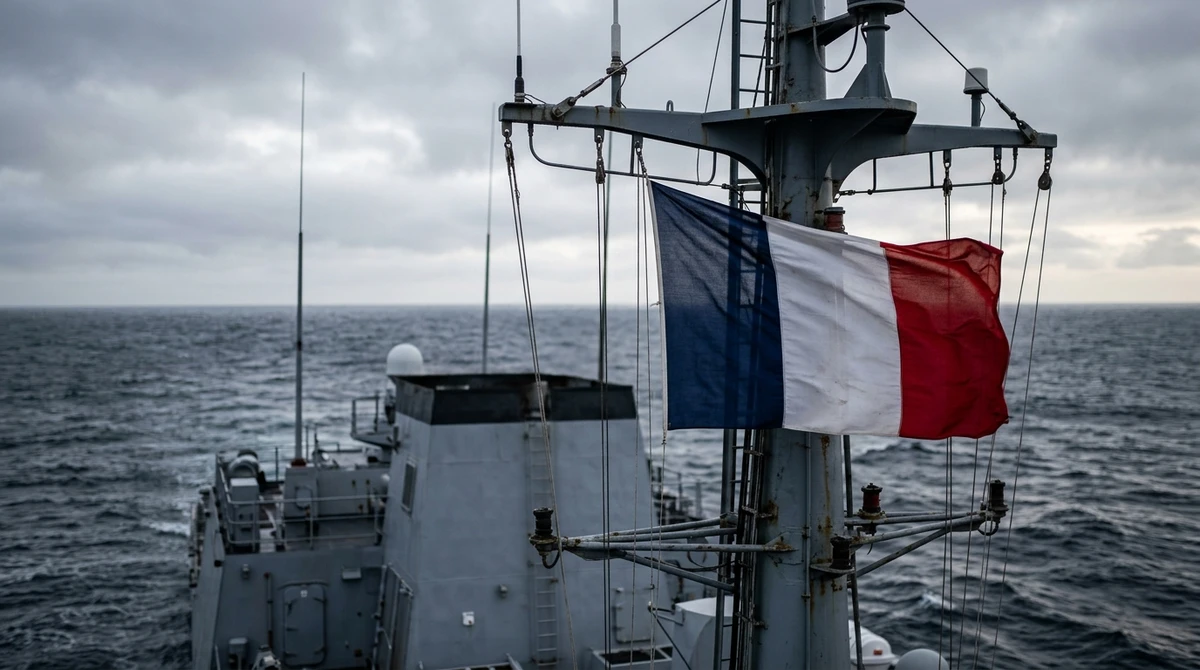
Bréguet Alizé Turns 70: French Carrier Submarine Hunter Served From 1959 to 2000
The prototype of the Bréguet Br.1050 Alizé, the French Navy's carrier-based anti-submarine turboprop, first flew from Toulouse-Blagnac on 6 October 1956; 89 were built, and the type served France until September 2000 and India until 1991.
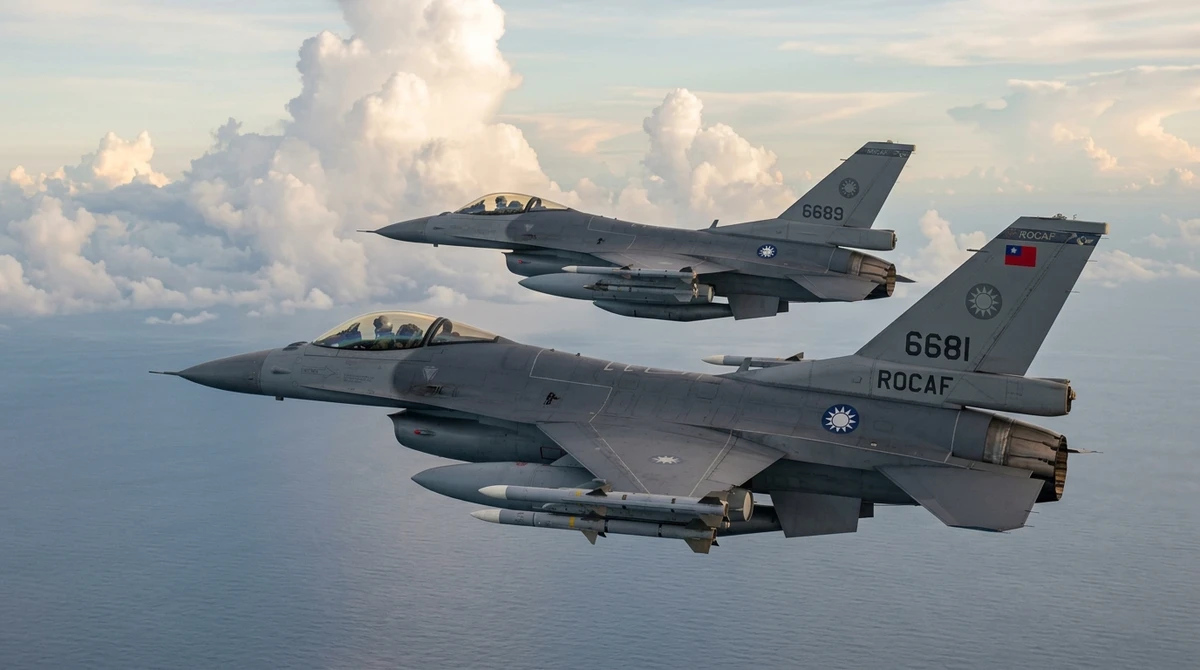
Taiwan Receives Its First Two F-16 Block 70s From the Largest F-16 Order Still Outstanding
The first two new-build F-16C Block 70 fighters landed at Chihhang Air Base on October 2, 2026, beginning deliveries on a 66-jet order that GMN's inventory data shows is the largest open F-16 order anywhere and that would lift Taiwan from seventh to fifth among F-16 operators on current figures.

Northrop Grumman's YFQ-48A Talon Blue Completes First Fully Autonomous Flight at Mojave
Northrop Grumman said on October 3, 2026 that its company-funded YFQ-48A Talon Blue had taxied, taken off, maneuvered and landed without pilot input at Mojave, California, as the US Air Force prepares to select designs for Increment 2 of its Collaborative Combat Aircraft program.
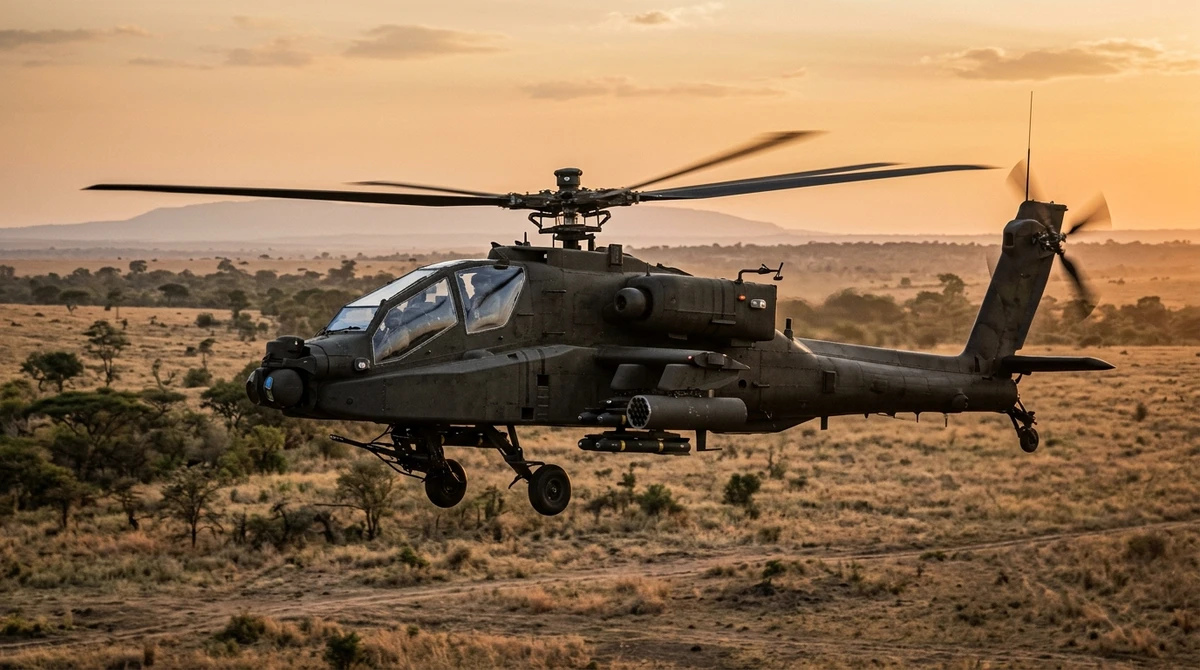
Australia Retires Its Tigers, Leaving Three Operators Among the World's 3,623 Attack Helicopters
The Australian Army has retired its Tiger attack helicopters, marking the fleet's sundown in Darwin on 30 September and leaving France, Germany and Spain as the only users; GlobalMilitary.net data counts 3,623 active attack helicopters in 81 countries.