GlobalMilitary.net Open-source military intelligence Updated daily
Oceania ยท Canberra

Australia Military Forces

Australia ranks #18 of 175 militaries worldwide in 2026, with 58,600 active troops. The Australian Army fields 2,676 ground vehicles, including 75 main battle tanks; the Air Force flies 382 aircraft, including 96 combat aircraft; the Navy operates 44 warships, including 6 submarines. Australia has no nuclear weapons.

World rank #18 Military index 51.6/100
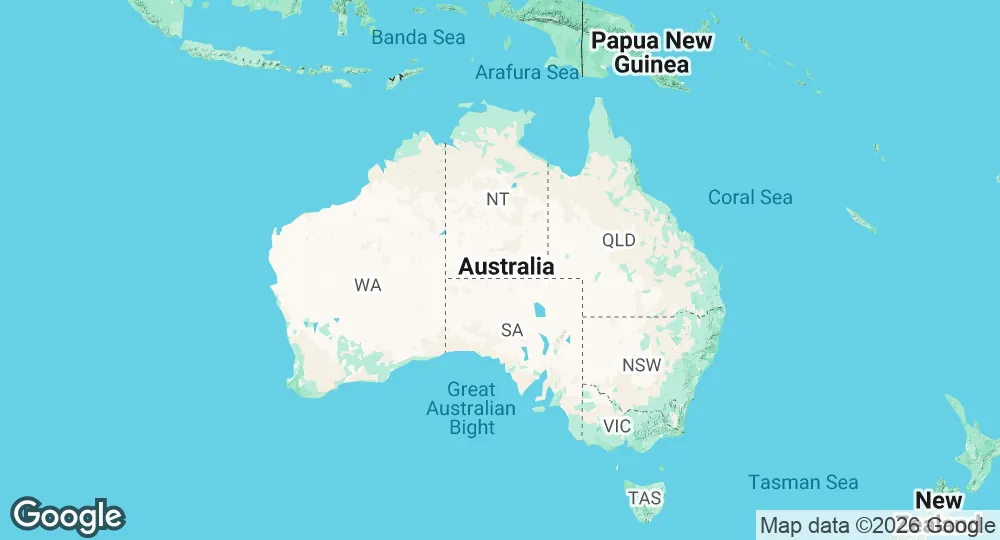
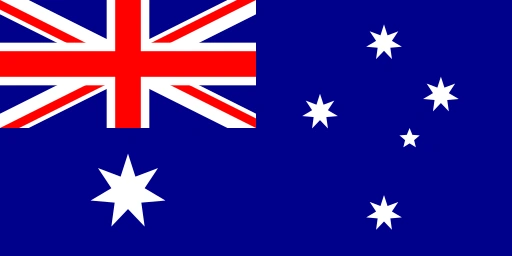
Map of Australia Flag of Australia
Active troops
58K
Reserve troops
33K
Defense budget
$35B2024
Share of GDP
2.0%
Population
27.2M2024

Armed Forces in 2026

Domain Strength Composition
Royal Australian Air Force 382 aircraft 96 combat 95 helicopters 20 air bases +114 on order
Royal Australian Navy 44 warships 16 major combatants 6 submarines 9 naval bases
Ground Forces 2,676 vehicles 75 main battle tanks
Personnel 58,600 active 33,270 reserve

ARMS Index (Aggregate Rating of Military Strength)

Full ranking โ†’
Score & Pillar Breakdown World #18
51.6/ 100
Australia ranks #18 of 175 in the ARMS Index (Aggregate Rating of Military Strength) with a score of 51.6/100. The ARMS Index scores Australia's overall capability on a 0โ€“100 scale from verifiable data across six pillars: manpower, ground forces, naval power, air power, nuclear deterrent and defense budget, with a readiness modifier derived from budget per soldier.
Pillar Weight Score Basis
Manpower 15% 63.3 Active, reserve & paramilitary personnel
Ground forces 20% 52.8 Tanks, armor & artillery weighted by type
Naval power 20% 50.8 Weighted by hull type: carrier tiers, nuclear vs conventional submarines
Air power 25% 55.3 Weighted by aircraft type and fleet age
Nuclear deterrent 10% 0.0 No declared nuclear capability
Defense budget 10% 64.8 Annual spending, purchasing-power adjusted
Readiness modifier ×1.19 Budget per soldier: proxy for training, maintenance & technology

Country File

Defense Statistics & Key Metrics
Population27.2M (2024)
GDP$1.8 trillion (2024)
GDP per capita$64,604
Military budget$35B (2024)
Share of GDP2.0% (2024)
Military spending per capita$1,292 (2024)
Inflation rate3.17% (2024)
Military Budget History
2020 โ€” $27B, 2.00% of GDP $27B 2020 2021 โ€” $31B, 2.00% of GDP $31B 2021 2022 โ€” $34B, 2.00% of GDP $34B 2022 2023 โ€” $35B, 2.00% of GDP $35B 2023 2024 โ€” $35B, 2.00% of GDP $35B 2024
Budget (US$) Share of GDP (0-2%)
Share of GDP (line): CIA World Factbook (public domain). Budget in US$ (bars): that share applied to World Bank GDP (CC BY 4.0). Estimates.
Geography
CapitalCanberra
RegionOceania
Land area7,633,565 kmยฒ
Coastline25,760 km
Land borders13 km
Bordering countries1
CurrencyAUD
National Flag Adopted 1901
Flag of Australia
Aspect ratio1:2
ColorsRed, blue, white
Compare this Country
๐Ÿ‡ฆ๐Ÿ‡บ Australia vs

Strategic Overview in 2026

Strategic Position

Australiaโ€™s defense policy is centered on the Indo-Pacific region, guided by the 2024 National Defence Strategy and subsequent updates for 2025 and 2026. The core doctrine is a "Strategy of Denial," intended to deter potential adversaries from using military force or coercion against Australia or its interests. This strategy represents a shift toward a "National Defence" approach, integrating all elements of national power beyond traditional military force.

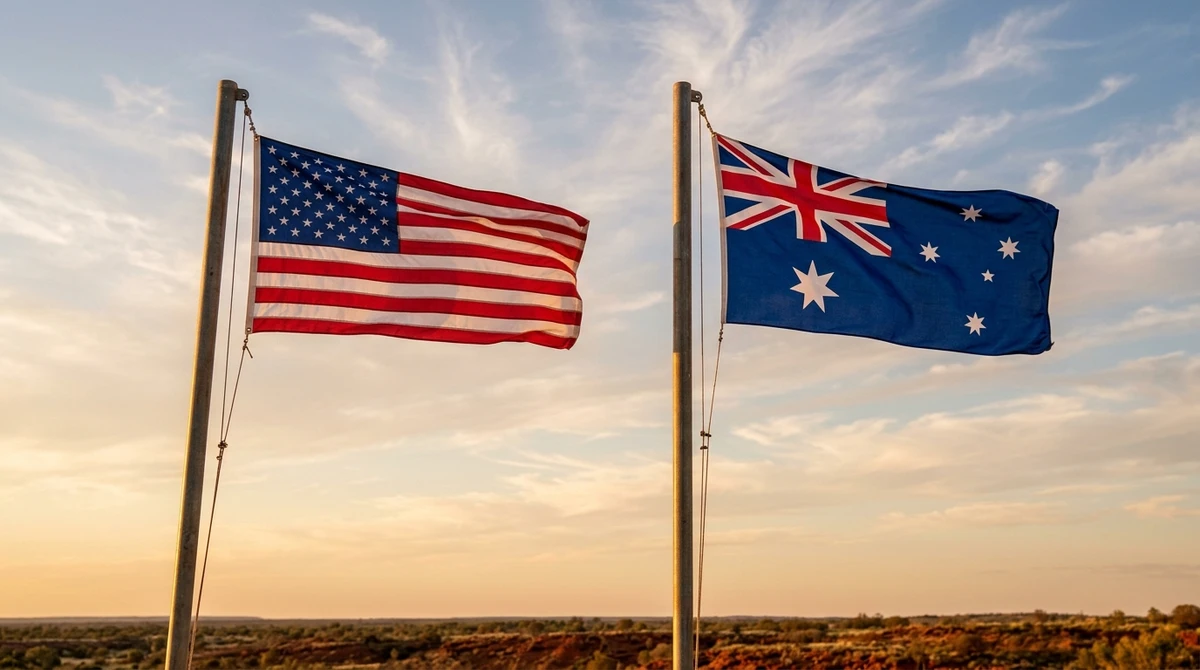
Primary security concerns involve the rapid military modernization in the Indo-Pacific and the potential for regional conflict that could disrupt maritime trade routes. Australia maintains a foundational alliance with the United States through the ANZUS Treaty. It also operates within the AUKUS security partnership with the United Kingdom and the United States, and the Quadrilateral Security Dialogue (Quad) with India, Japan, and the U.S. In 2025, Australia deepened its bilateral ties with the UK through the Geelong Treaty, a 50-year agreement focused on the construction and operation of nuclear-powered submarines. Regionally, Australia maintains defense cooperation through the Five Power Defence Arrangements (FPDA) and bilateral security pacts with Pacific Island nations and Southeast Asian partners such as Indonesia and the Philippines.

Military Forces

The Australian Defence Force (ADF) is an integrated force comprising the Royal Australian Navy (RAN), the Australian Army, and the Royal Australian Air Force (RAAF). As of mid-2025, personnel levels stand at approximately 59,000 active-duty members and 33,000 reserve personnel.

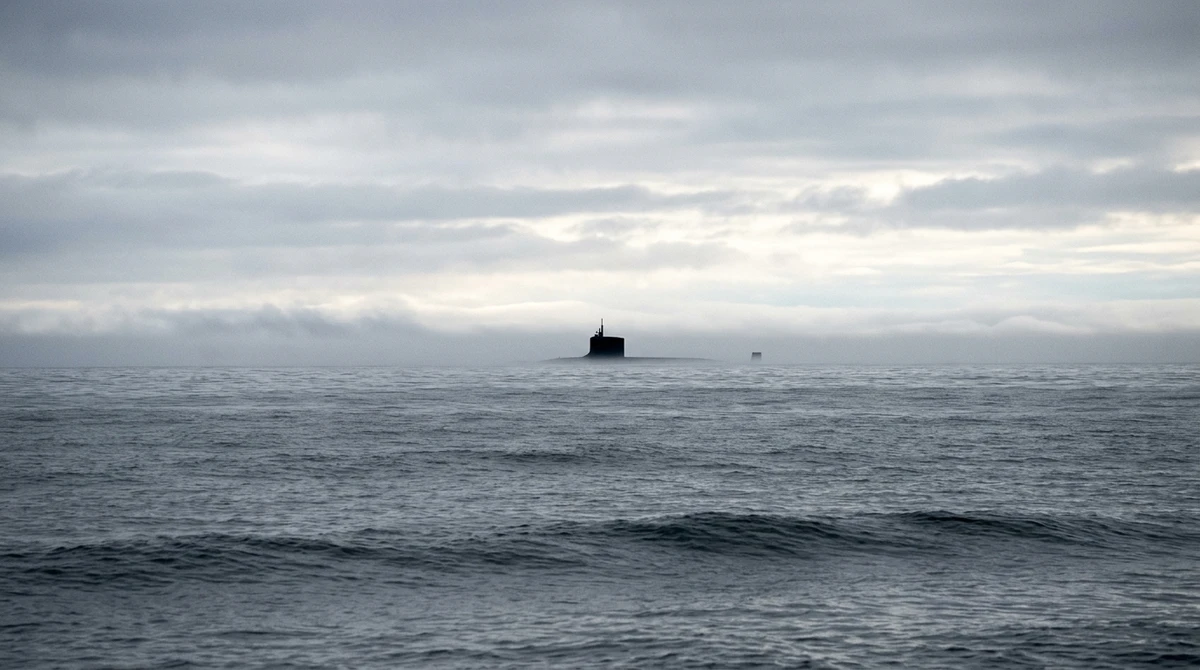
Royal Australian Navy The navy operates a fleet of Hobart-class guided-missile destroyers and Anzac-class frigates. Under the Independent Surface Combatant Fleet Review, the force is transitioning to a larger surface fleet that will include Hunter-class anti-submarine frigates and a new class of general-purpose frigates. The submarine service currently operates Collins-class diesel-electric boats, which are undergoing Life of Type Extensions (LOTE) to maintain capability until the delivery of Virginia-class nuclear-powered attack submarines (SSNs) in the 2030s. Unmanned maritime systems, such as the Ghost Shark extra-large autonomous underwater vehicle (XL-AUV), are entering service in 2026.

Australian Army The army is being restructured into a high-technology, long-range strike force. It operates M1A2 SEPv3 Abrams main battle tanks and Boxer combat reconnaissance vehicles. The transition to the Redback infantry fighting vehicle is underway to replace the aging M113 fleet. Artillery units are integrating HIMARS (High Mobility Artillery Rocket System) and the AS9 Huntsman self-propelled howitzer, which began delivery in early 2026.

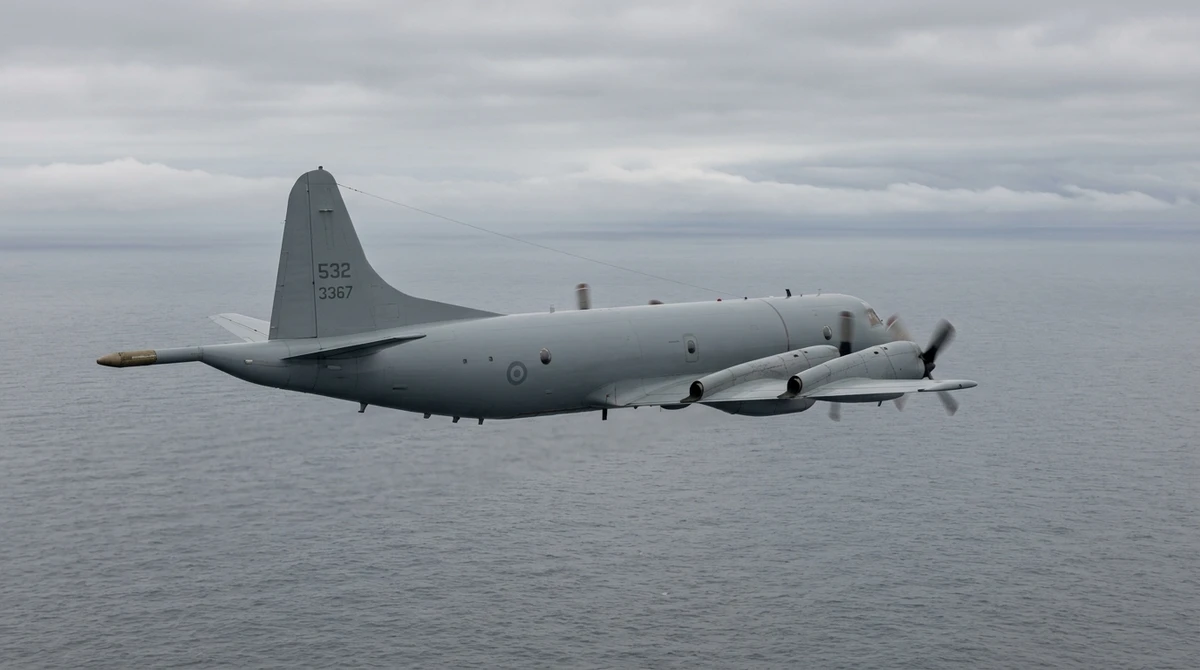
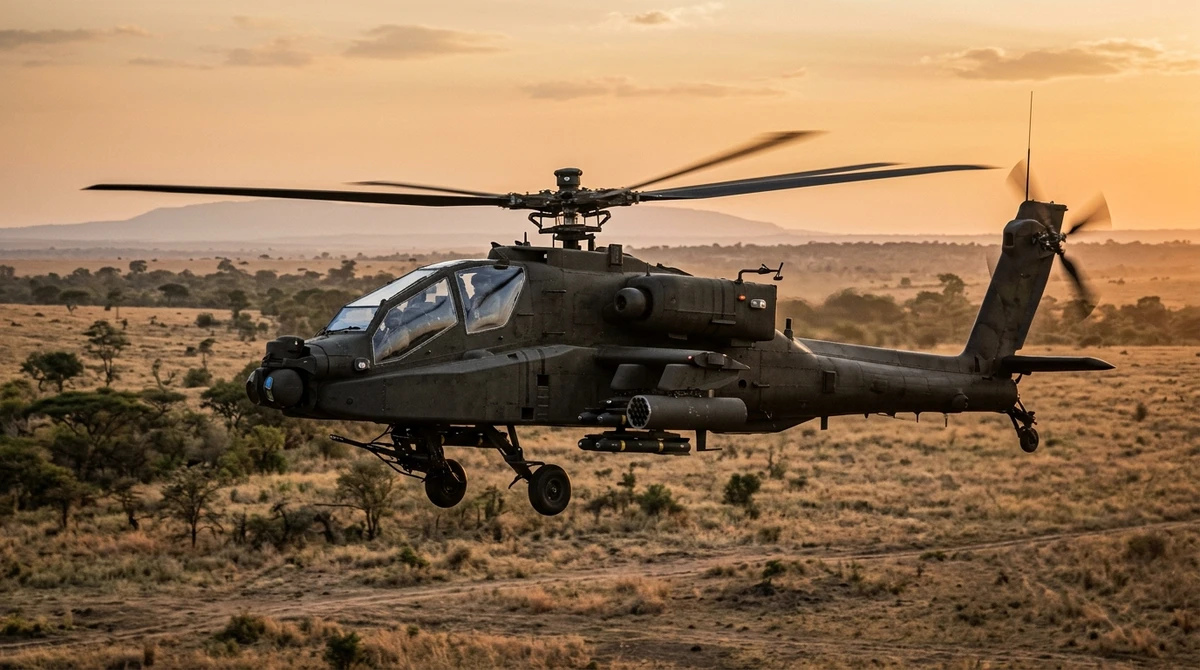
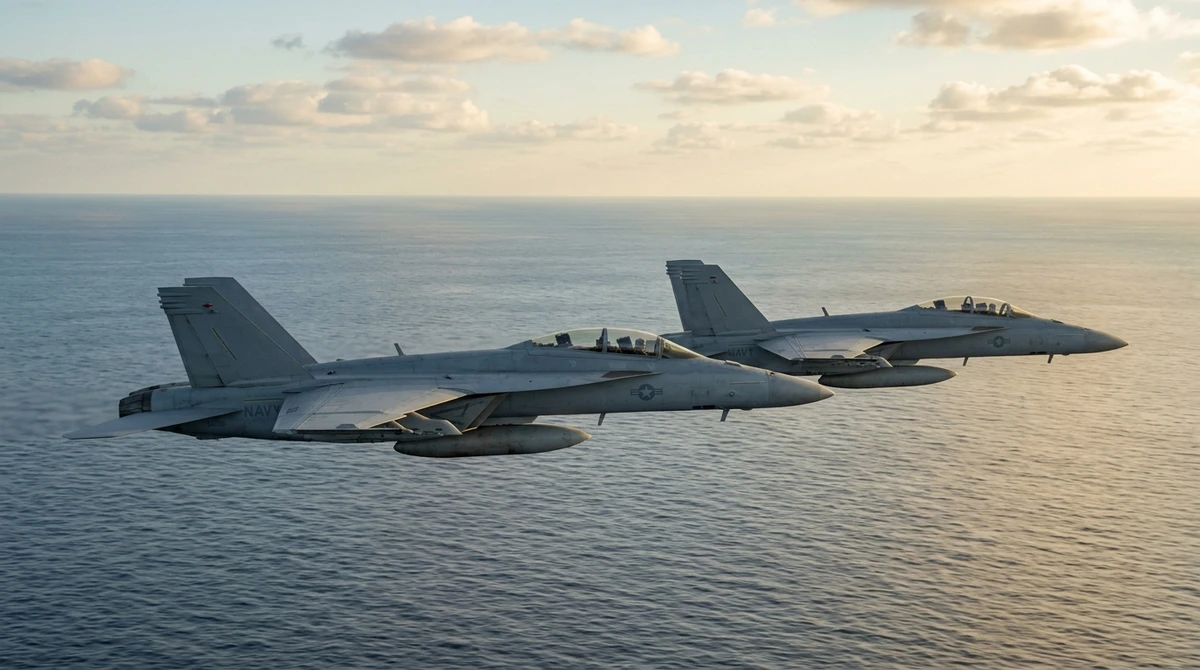
Royal Australian Air Force The RAAFโ€™s air combat capability is centered on the F-35A Lightning II, F/A-18F Super Hornet, and EA-18G Growler electronic warfare aircraft. Maritime surveillance is conducted by P-8A Poseidon aircraft and MQ-4C Triton unmanned platforms. The air force is also developing the MQ-28A Ghost Bat, an autonomous "loyal wingman" platform.

Specialized Capabilities Specialized domains include the Australian Signals Directorate (ASD), which manages cyber operations under the REDSPICE program, and the ADF Space Command, which coordinates orbital assets and satellite communications.

Defense Industry

Australia prioritizes the development of a sovereign defense industrial base to reduce reliance on international supply chains. Key domestic players include ASC for submarine sustainment and Austal for naval shipbuilding. Thales Australia manufactures the Bushmaster and Hawkei protected mobility vehicles, as well as small arms and munitions.

The Guided Weapons and Explosive Ordnance (GWEO) Enterprise is a central industrial priority. In late 2025, Australia opened a dedicated facility for the domestic assembly of GMLRS (Guided Multiple Launch Rocket System) missiles in partnership with Lockheed Martin. Agreements are also in place with Kongsberg to establish manufacturing for Naval Strike Missiles (NSM) and Joint Strike Missiles (JSM) by 2027. Australia remains an exporter of defense technology, notably through its participation in the global F-35 supply chain.

Strategic Trends

Defense spending for the 2025-2026 fiscal year is approximately 2.05% of GDP, with projections to reach 2.4% by the early 2030s. The primary procurement trend is the acquisition of long-range strike capabilities, including Tomahawk cruise missiles and Precision Strike Missiles (PrSM).

AUKUS remains the most complex long-term modernization program, involving the establishmemt of a nuclear-powered submarine industrial base in South Australia and Western Australia. A preliminary design review for the SSN-AUKUS class is scheduled for late 2026.

The military faces several constraints, most notably personnel recruitment and retention, which have fallen below targets required for the planned expansion to 80,000 members by 2040. Additionally, the ADF is undergoing a geographic shift, with increased investment in northern basing infrastructure to facilitate operations in Australiaโ€™s northern approaches.

Population, GDP, Inflation and Personnel: World Bank.
Military Expenditure: CIA World Factbook. Last updated on 12 August 2026. Suggest a change

Australian Defense Manufacturing

Designed in Australia
Naval Shipbuilding 7 classes
Pacific Patrol boatArmidale Patrol boatAnzac FrigateBalikpapan Heavy landing craftCollins Diesel-electric submarineHuon Coastal minehunterGhost Shark Extra-large autonomous underwater vehicle

In the News

All news โ†’
US Navy's Orca Undersea Drone Completes First 1,000-Mile Autonomous Patrol
AUG 18, 2026

US Navy's Orca Undersea Drone Completes First 1,000-Mile Autonomous Patrol

The Boeing-built Orca extra-large uncrewed undersea vehicle patrolled more than 1,000 nautical miles across the eastern Pacific in July, the longest autonomous mission the program has flown, the US Navy disclosed on August 15, 2026.

๐Ÿ‡ฆ๐Ÿ‡บ ๐Ÿ‡ท๐Ÿ‡บ ๐Ÿ‡บ๐Ÿ‡ธ

Frequently Asked Questions

How large is Australia's military?
Australia has 58,600 active military personnel with an additional 33,270 in reserve. This includes army, navy, and air force service members.
What is Australia's defense budget?
Australia's annual defense budget is approximately $35.1 billion. This covers personnel costs, equipment procurement, operations, and maintenance of military forces.
How does Australia rank militarily in the world?
Australia ranks #18 globally on the ARMS Index with a score of 51.6 out of 100. This composite index measures military capability across manpower, ground forces, naval power, air power, nuclear deterrent, and defense budget, adjusted for equipment quality and readiness.
Does Australia have nuclear weapons?
No, Australia does not possess nuclear weapons and is a non-nuclear weapon state.
How many aircraft does Australia's air force have?
Australia operates 382 military aircraft including 96 combat aircraft. The fleet includes fighters, transport planes, helicopters, and training aircraft.
How large is Australia's navy?
Australia's navy operates 44 vessels including 6 submarines. The fleet includes surface combatants, support ships, and coastal patrol craft.
How many tanks does Australia have?
Australia operates approximately 75 main battle tanks. This figure includes both active inventory and reserve stocks available for mobilization.
What percentage of GDP does Australia spend on defense?
Australia spends approximately 2.0% of its GDP on defense. This meets the NATO target of 2% of GDP.
What is Australia's military personnel per capita?
Australia has approximately 2.2 active military personnel per 1,000 citizens. This ratio reflects the country's military manpower relative to its population of 27,196,812.
Does Australia have submarines?
Yes, Australia operates 6 submarines. The submarine fleet may include nuclear-powered attack submarines, ballistic missile submarines, and conventional diesel-electric boats depending on the country's naval doctrine.
Latest Data Updates
  1. AUG 122026 Updated Global Military Index updated
  2. AUG 42026 Updated Global Military Index updated in a site-wide editorial pass
  3. AUG 32026 Updated Global Military Index updated
  4. JUL 162026 Updated Global Military Index updated in a site-wide editorial pass
  5. JUL 12026 Updated Rank insignia and ranks overview added
  6. JUN 162026 Updated Yearly statistics, military spending and 2 more fields updated
  7. MAR 162026 Updated Reserve personnel updated