USS George Washington Heads to the Middle East to Relieve Abraham Lincoln After 240 Days at Sea
The US Navy's only forward-deployed aircraft carrier is transiting the Strait of Malacca toward the Arabian Sea to relieve USS Abraham Lincoln, at sea for more than 240 consecutive days supporting operations against Iran.
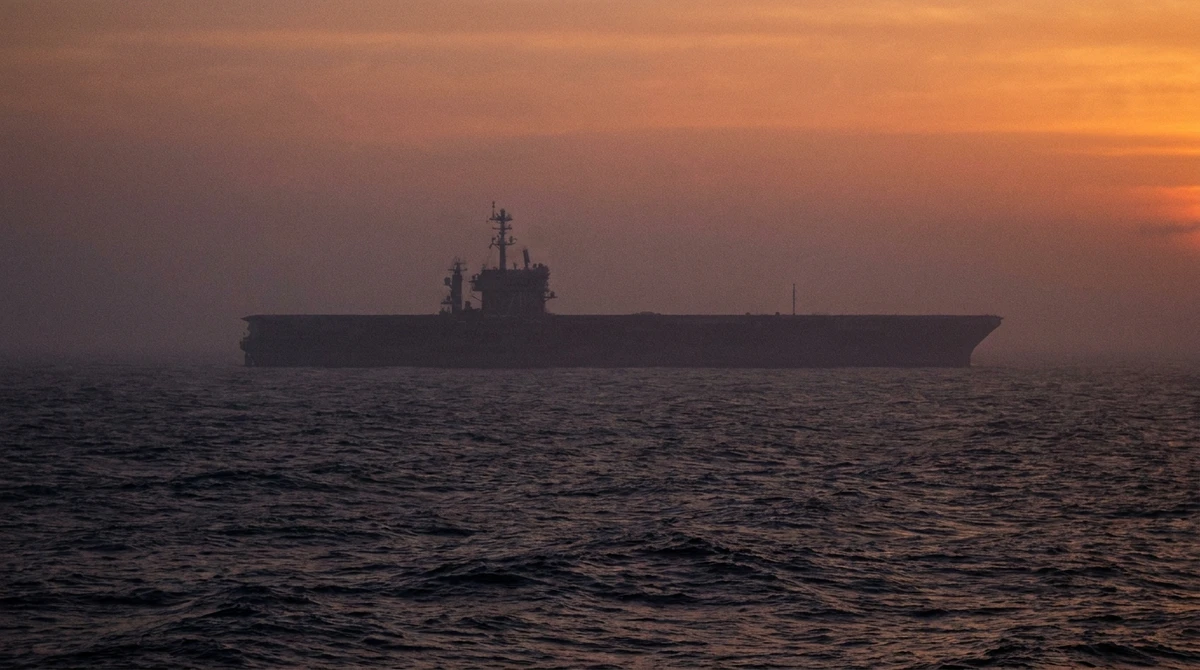
The US Navy is sending the aircraft carrier USS George Washington (CVN-73) to the Middle East to relieve USS Abraham Lincoln (CVN-72), which has spent more than 240 consecutive days at sea supporting operations against Iran. The move was reported on 13 August 2026 by the Wall Street Journal and confirmed the same day by defense officials.
George Washington left Da Nang, Vietnam, in early August after a port call and is transiting the Strait of Malacca toward the Indian Ocean. Officials said it could take about a week to reach the Arabian Sea. The ship is the only American carrier homeported overseas, at Yokosuka in Japan, and sailed from that base in late May on what the Navy describes as a regularly scheduled deployment.
The Lincoln left San Diego on 21 November 2025 and arrived in the region in January, where it has remained through two extensions as the 2026 Iran conflict ground on. Relatives of the crew have described shortages of food and mail, air-conditioning failures and more than 200 days without a port call, against a normal rhythm of one every 30 to 45 days. The Navy has acknowledged that the war disrupted its traditional supply hubs in the Middle East, but says sailors have access to clean water and healthy meal options and that it has "not observed an increase in suicidal ideations or attempts aboard the ship". Democratic lawmakers have demanded closer oversight of the deployment's length, and Navy leaders held a town hall for the crew's families.
Both ships are Nimitz-class carriers of roughly 100,000 tonnes, the ten-ship backbone of the US Navy's carrier force alongside the lead Gerald R. Ford-class ship, and each deploys an air wing built around the F/A-18E/F Super Hornet. No other navy fields more than three fleet carriers, and that force is one of the pillars that keeps the United States at the head of the global military power ranking.
The relief comes at a cost in the Pacific. George Washington is the Navy's forward-deployed carrier precisely so that a flat deck sits within days of the East China Sea and the Taiwan Strait; sending it west leaves that station empty while tensions between China and Taiwan continue to generate near-daily air and naval activity. Filling the gap would mean sailing a carrier from the US West Coast, a transit of two to three weeks.
Once George Washington reaches the Arabian Sea, the Lincoln is expected to begin the long passage back to San Diego. Traffic through the Strait of Hormuz remains well below its pre-war baseline, and US carrier presence in the region has been continuous since the first strikes on Iran, a tempo the Navy has said it cannot sustain indefinitely with the current force.
More News
All news →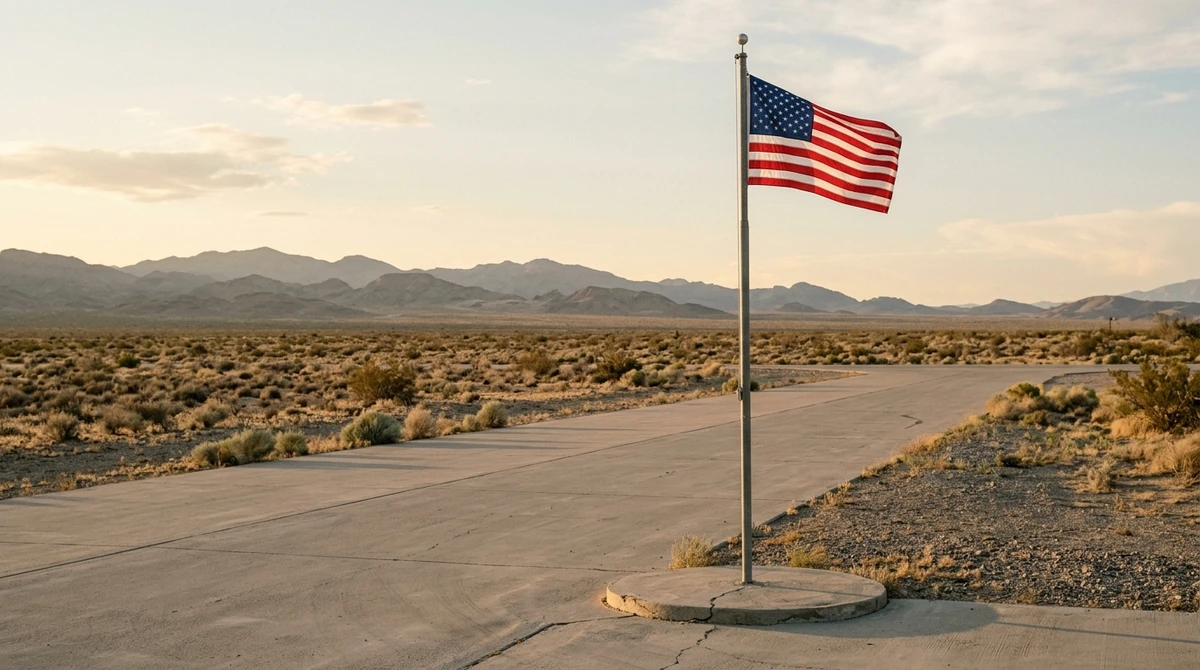
Northrop Grumman's YFQ-48A Talon Blue Completes First Fully Autonomous Flight at Mojave
Northrop Grumman said on October 3, 2026 that its company-funded YFQ-48A Talon Blue had taxied, taken off, maneuvered and landed without pilot input at Mojave, California, as the US Air Force prepares to select designs for Increment 2 of its Collaborative Combat Aircraft program.
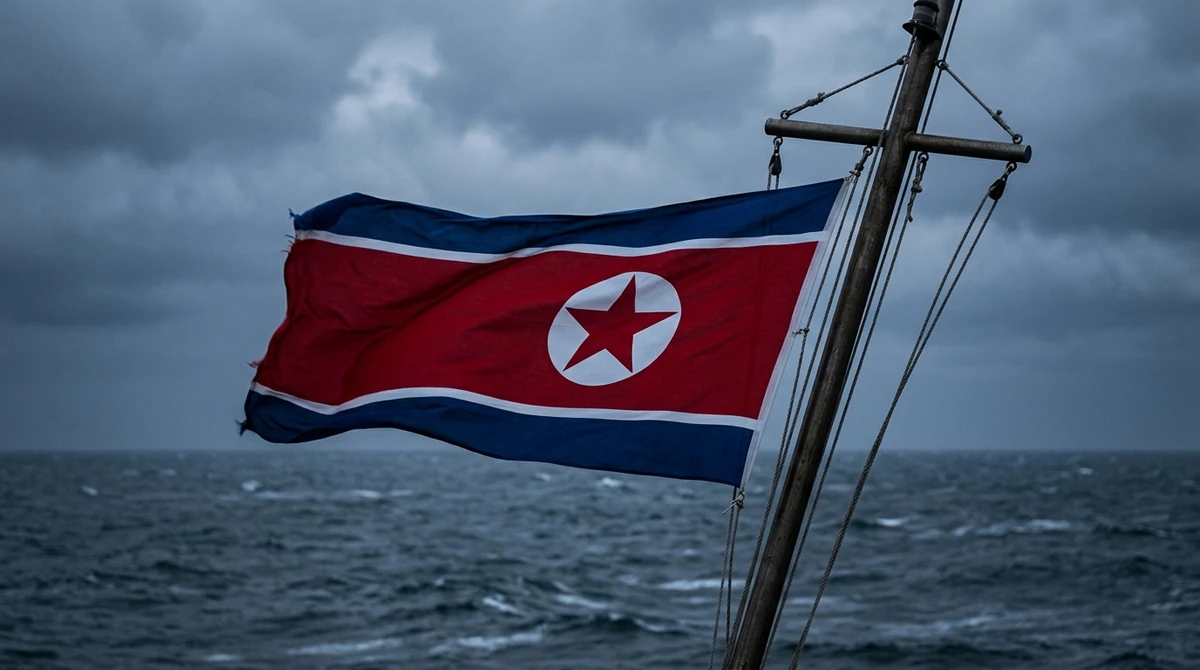
North Korea Says Hypersonic Missile Drill Hit Target 1,000 km Away; Seoul Tracked More Than 700 km
North Korea says a Saturday launch from the Wonsan area was a drill of its hypersonic strategic weapon system that struck a target 1,000 km away; South Korea's Joint Chiefs of Staff tracked a single ballistic missile flying more than 700 km into the East Sea.
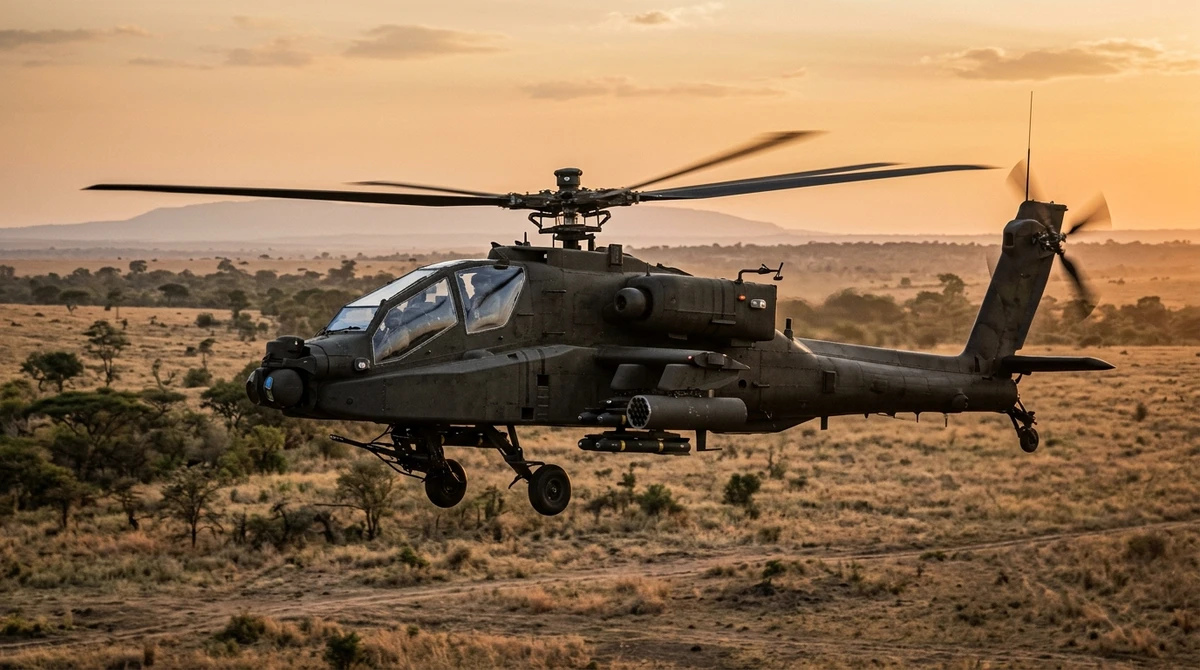
Australia Retires Its Tigers, Leaving Three Operators Among the World's 3,623 Attack Helicopters
The Australian Army has retired its Tiger attack helicopters, marking the fleet's sundown in Darwin on 30 September and leaving France, Germany and Spain as the only users; GlobalMilitary.net data counts 3,623 active attack helicopters in 81 countries.
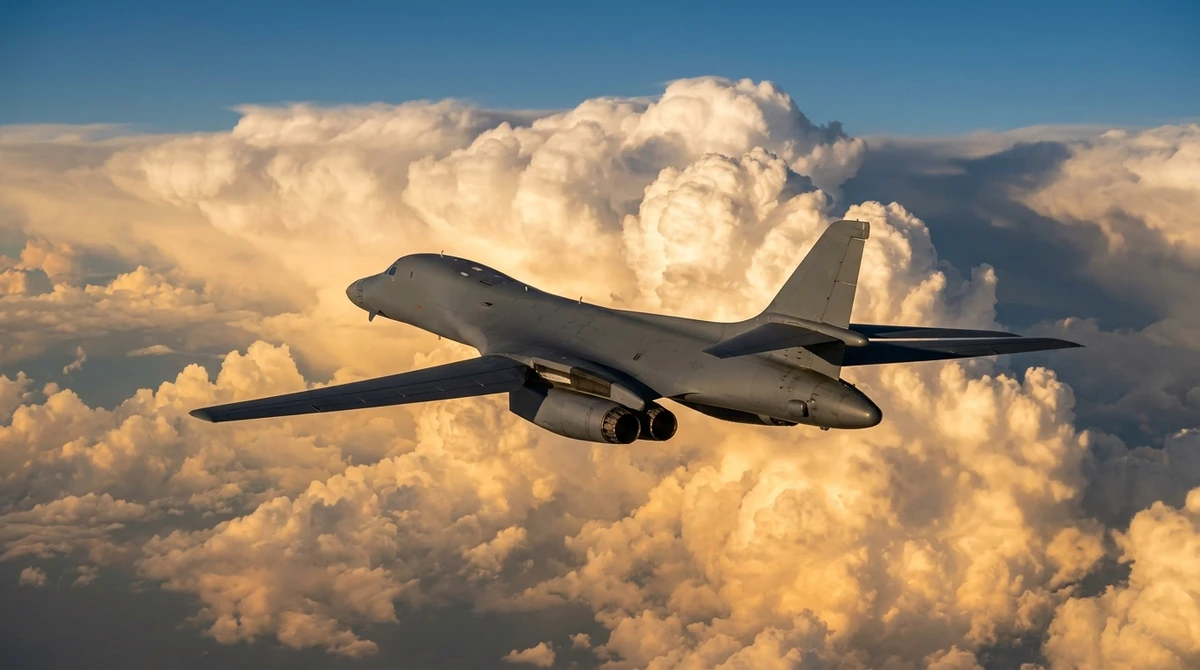
B-1B Lancer Reaches 40 Years in Service as US Air Force Plans to Keep It Flying Through 2037
The B-1B Lancer achieved initial operational capability on 1 October 1986; four decades later, 45 of the 100 bombers built remain in US Air Force service at Ellsworth and Dyess, and modernization funding is now planned to keep the type relevant through 2037.
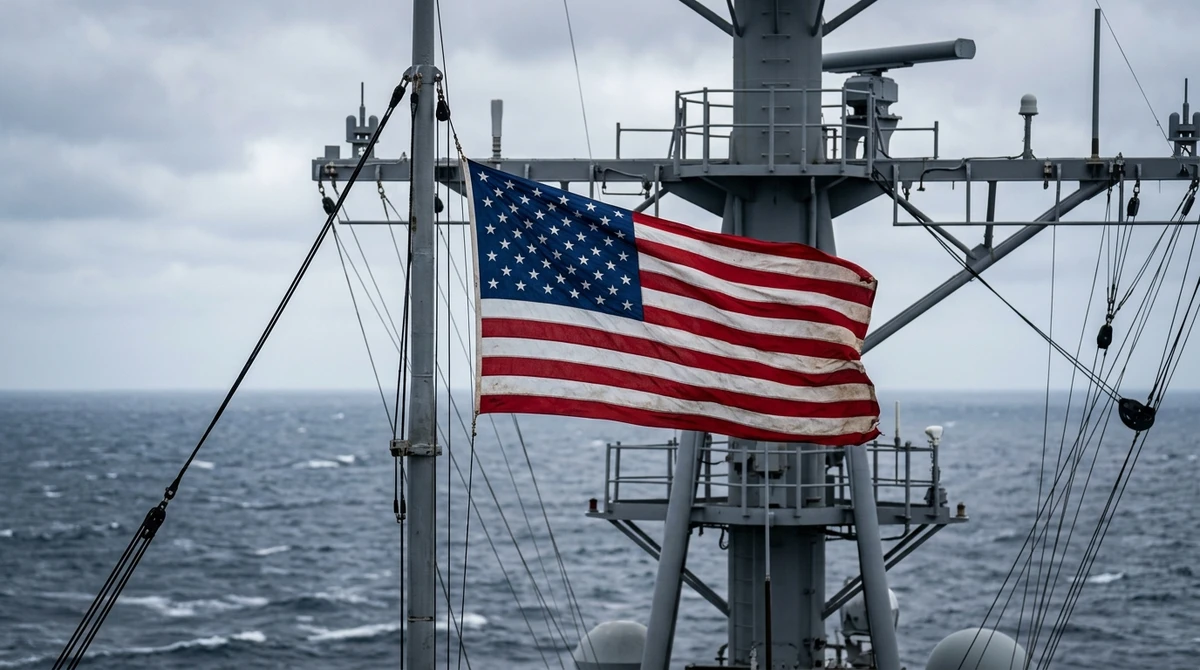
US Navy Awards Raytheon Up to $24.4 Billion Multiyear Contract for SM-6 Missiles
The US Navy on Oct. 1, 2026 awarded RTX's Raytheon unit a multiyear contract worth up to $24.4 billion for Standard Missile-6 interceptors, a five-year deal with two option years whose quantities remain undisclosed and whose funding Congress has yet to appropriate.

Ukraine Says Its FP-7 Ballistic Missile Has Been Used in Combat for the First Time
President Volodymyr Zelensky said on October 1, 2026 that Ukraine's domestically developed FP-7 tactical ballistic missile, built by Fire Point, had been used in combat for the first time, without disclosing the target or location; the claim has not been independently verified.