White House Opens US Navy Surface Combatants to Foreign Shipyards
A presidential memorandum signed on August 13, 2026 lets allied yards build the first hulls of three vessel families abroad, provided they buy into or build a US shipyard - aimed at a fleet that fields 77 destroyers and not one modern frigate.
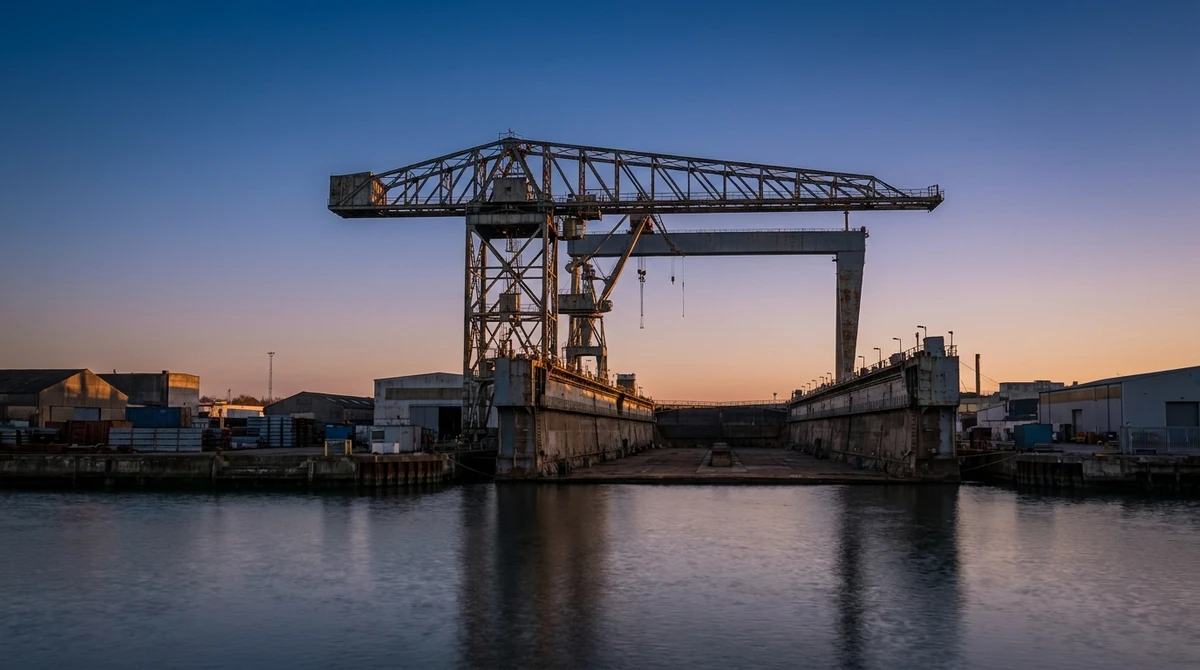
President Trump signed a national security presidential memorandum on August 13, 2026, titled "Rebuilding the United States Navy and America's Shipbuilding Industrial Base," opening the construction of US Navy vessels to allied foreign shipyards. The document delegates to the Secretary of War the national security exemption written into the Burns-Tollefson amendment, the appropriations rider codified at 10 USC 8679 that has barred building Navy ships abroad since 1965.
Three vessel families are covered: surface combatants capable of anti-submarine and surface warfare, oilers for at-sea resupply, and roll-on/roll-off sealift ships. Overseas construction is capped at an initial run of up to two hulls per class, with all follow-on ships built in American yards through domestic supply chains. The Secretary must notify Congress of each national security determination and wait 30 days before a contract can be signed.
The memorandum calls the arrangement the "Finland Model," after the Coast Guard's Arctic Security Cutter order placed with Rauma Marine Constructions in June 2026. To qualify, a foreign builder must "simultaneously build a new shipyard in the United States or assume ownership or a majority equity position in an existing shipyard," hire an American workforce, license its proprietary techniques to US yards and move follow-on work stateside. Korean groups with existing US yard holdings are the most obvious candidates.
The gap being addressed is legible in the fleet itself. The United States Navy fields 77 active destroyers - 75 Arleigh Burke-class ships and two Zumwalts - with six more fitting out, nine on order and ten planned. Below them there is nothing: the only vessel carried as an active frigate is USS Constitution, commissioned in 1797. The Constellation class, meant to rebuild that tier, is down to one ship on order and one planned after years of design change. The escort work in between falls to 27 littoral combat ships of the Freedom and Independence classes, a type the Navy has been retiring well ahead of schedule.
That is the tier the memorandum targets. Within 90 days the Secretary of War must deliver a plan for "a new competitive acquisition approach for surface combatants with sufficient inherent capabilities to perform anti-submarine warfare, surface warfare, and convoy escort duties." Parallel deadlines run at 60 days on reverting carrier catapults and arresting gear to steam and hydraulic systems, 90 days on a component repair center, and 120 days on standing up a fifth naval shipyard and on reforming Naval Sea Systems Command.
The catapult clause has drawn most of the early attention, since it would unwind the electromagnetic launch system fitted across the Gerald R. Ford class. The memorandum also cites planned growth of the fast-attack submarine fleet over the next two decades, currently resting on the Virginia class, without setting a numerical target.
None of it is a contract. The memorandum directs plans and delegates an exemption authority; the appropriations language itself sits with Congress, and the first test will be whether the 90-day surface combatant plan names a design.
More News
All news →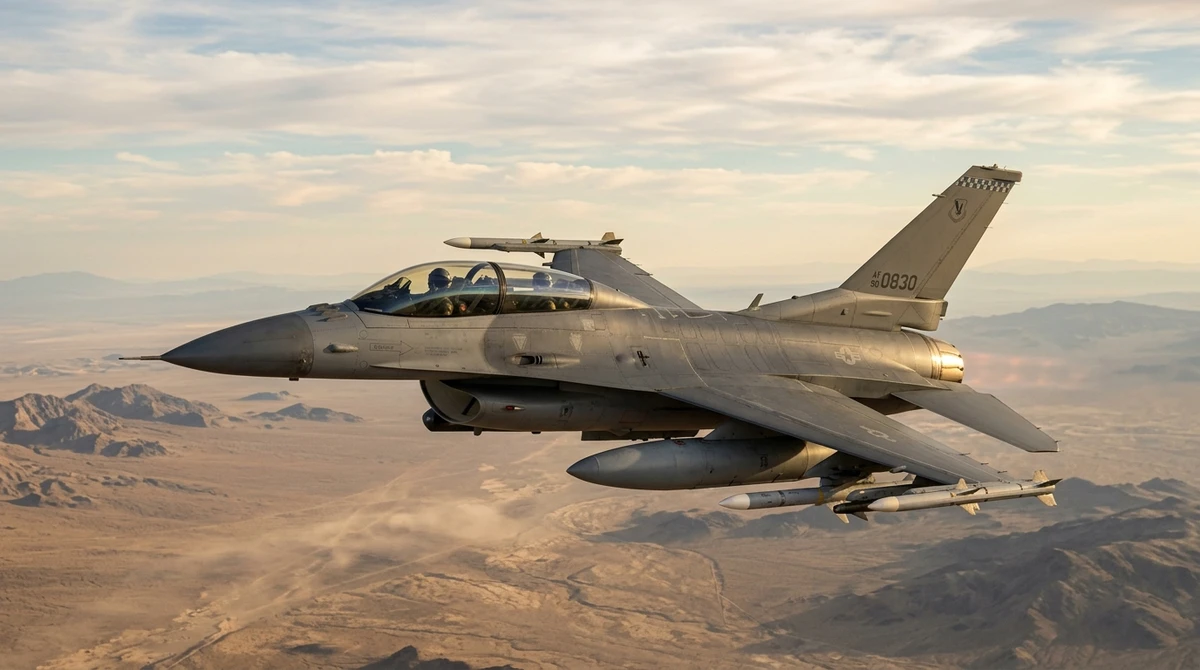
Morocco's First F-16 Block 72 Makes Maiden Flight, the First Pratt & Whitney-Powered Viper to Fly
Lockheed Martin said on October 6 that the Royal Moroccan Air Force's first F-16 Block 72, a two-seat F-16D, had flown from its Greenville, South Carolina, plant, the first flight of the Pratt & Whitney-engined version of the latest-generation Fighting Falcon.

First HACM Hypersonic Cruise Missile Flight Test Unit Released Over Australia
The U.S. Air Force says a Hypersonic Attack Cruise Missile flight test unit was released by the Royal Australian Air Force over an Australian test range, without disclosing the date, the launch aircraft or whether the scramjet-powered weapon achieved powered flight.

Spain Selects Airbus A321 as Platform for Three SIGINT Aircraft in €436M Program
Spain has chosen the Airbus A321 as the platform for three signals-intelligence aircraft for the Spanish Air and Space Force, restoring a dedicated airborne SIGINT capability the country has lacked since its Boeing 707 was retired in 2014.
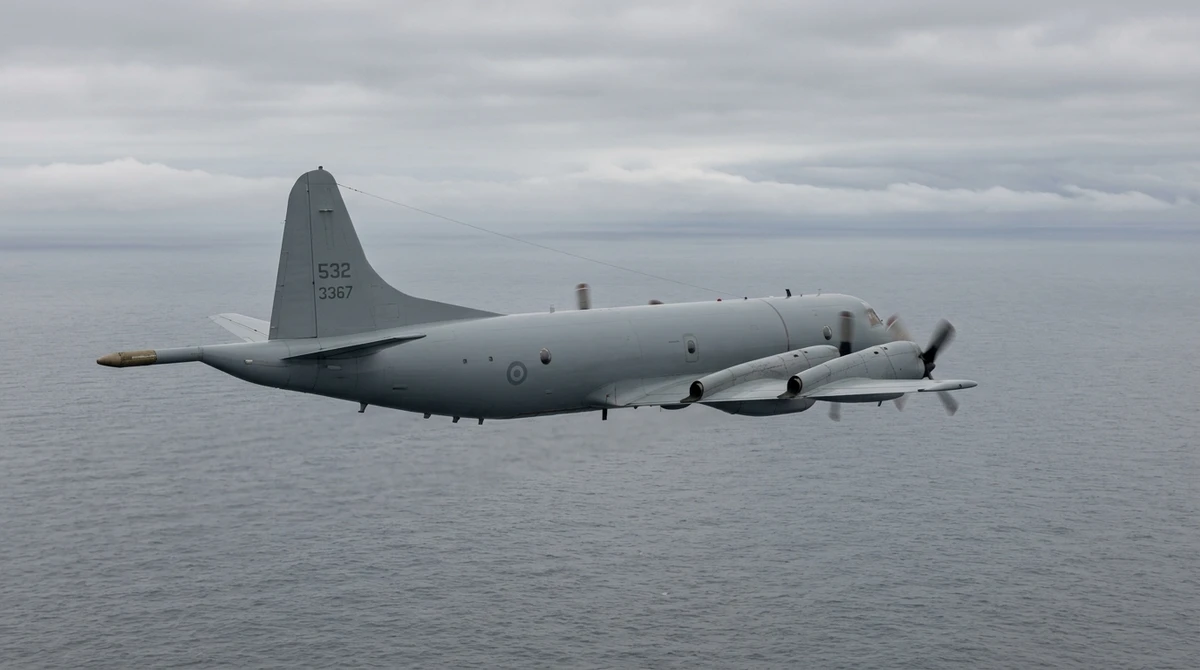
P-3 Orion Fleet Down to 101 Aircraft in 12 Countries, Roughly Half Its 2022 Size
GlobalMilitary.net's inventory data counts 101 P-3 Orions in military service across 12 countries, down from 211 in 16 countries in its 2022 snapshot, as US agencies retire special-mission Orions and Japan draws down the largest remaining fleet.

Northrop Grumman's YFQ-48A Talon Blue Completes First Fully Autonomous Flight at Mojave
Northrop Grumman said on October 3, 2026 that its company-funded YFQ-48A Talon Blue had taxied, taken off, maneuvered and landed without pilot input at Mojave, California, as the US Air Force prepares to select designs for Increment 2 of its Collaborative Combat Aircraft program.
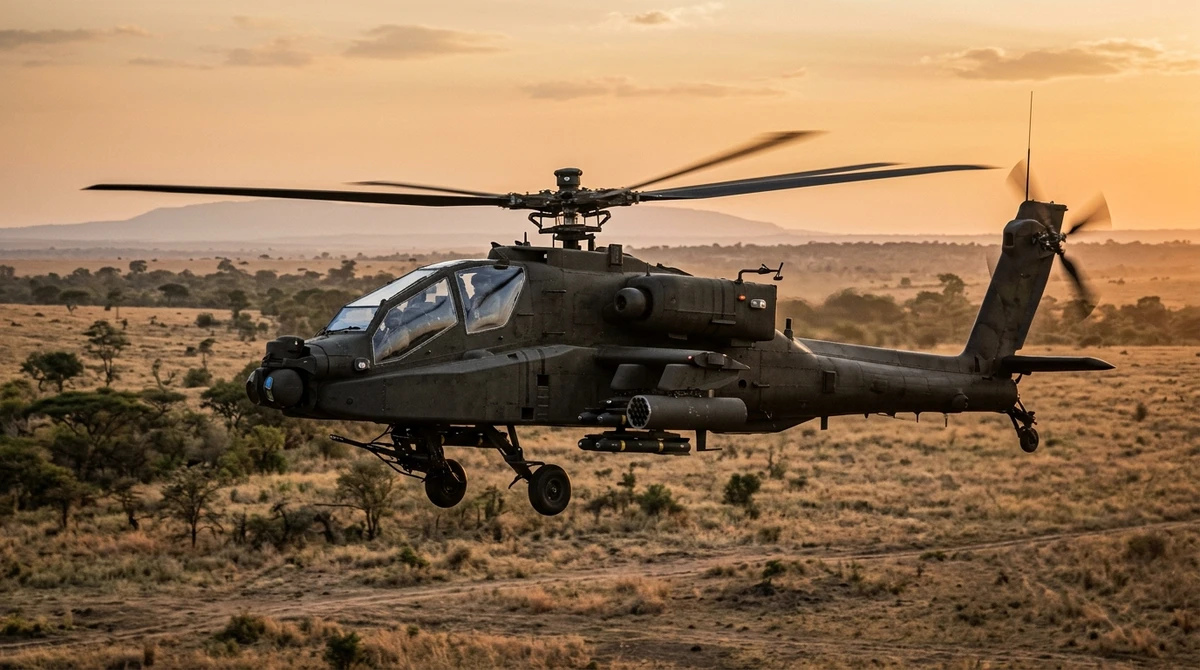
Australia Retires Its Tigers, Leaving Three Operators Among the World's 3,623 Attack Helicopters
The Australian Army has retired its Tiger attack helicopters, marking the fleet's sundown in Darwin on 30 September and leaving France, Germany and Spain as the only users; GlobalMilitary.net data counts 3,623 active attack helicopters in 81 countries.