
Paraguayan Air Force
The Paraguayan Air Force operates 56 military aircraft in 2026 — 6 combat aircraft (fighter and attack jets), 17 helicopters, 12 transport aircraft, 18 trainers. It ranks #97 of 162 air forces worldwide.
Full inventory in 2026
12 aircraft typesParaguayan Air Force
| Aircraft | Origin | Model year | Active | Δ YoY | Ordered | |
|---|---|---|---|---|---|---|
| Combat | ||||||
|
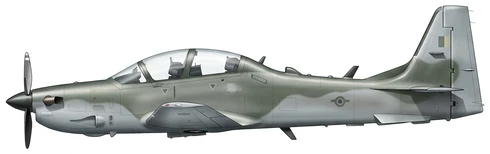
EMB-314 (A-29) | 🇧🇷 Brazil | 2003 | 6 | — | — |
| Helicopter | ||||||
|
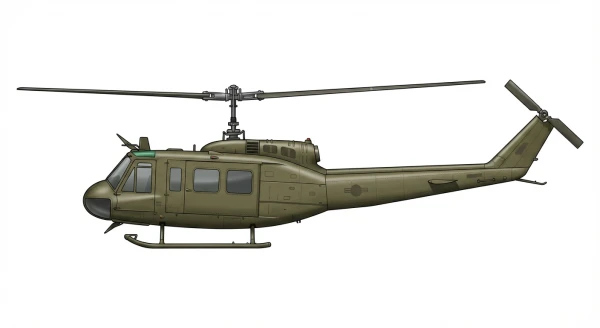
UH-1H | 🇺🇸 United States | 1959 | 12 | — | — |
|
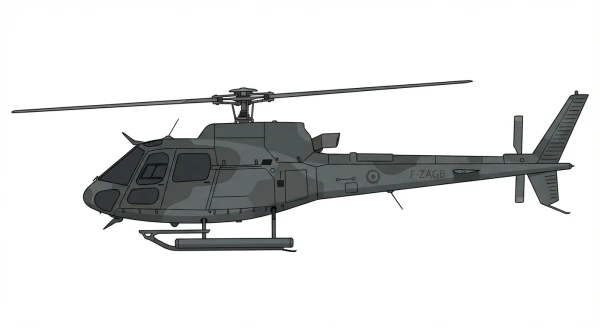
H125M/AS350 | 🇫🇷 France | 1990 | 3 | — | — |
|
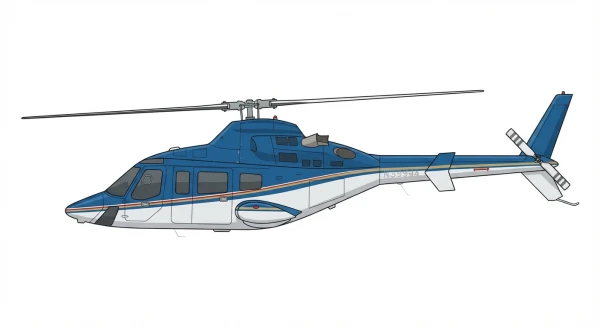
Bell 427 | 🇺🇸 United States | 1995 | 1 | +1 | — |
| Transport | ||||||
|
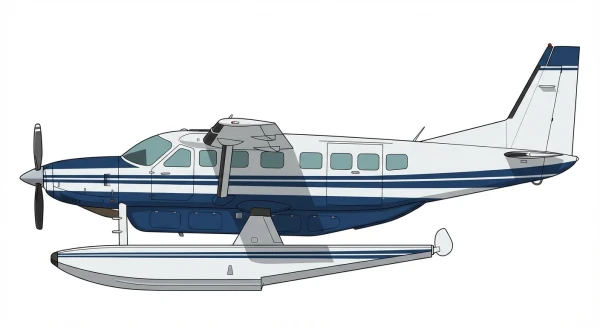
Cessna 208 | 🇺🇸 United States | 1984 | 5 | — | — |

|
C212 | 🇪🇸 Spain | 1974 | 3 | — | — |
|
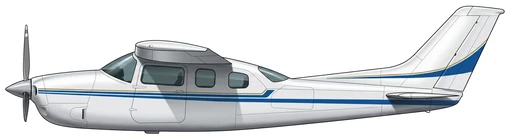
Cessna 210 | 🇺🇸 United States | 1957 | 2 | +2 | — |
|
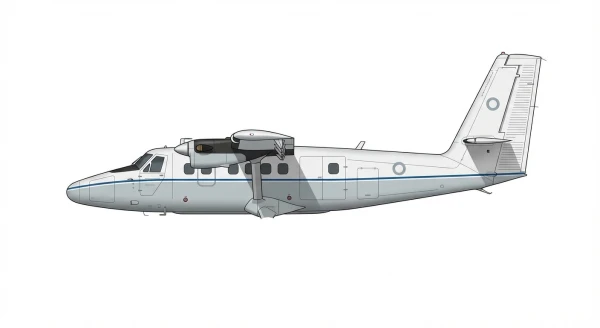
DHC-6 | 🇨🇦 Canada | 1966 | 1 | +1 | — |
| Training | ||||||
|
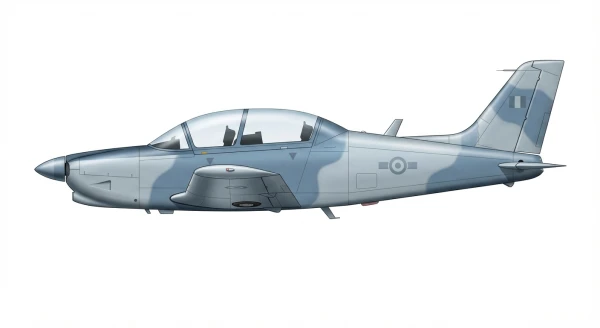
T-35 | 🇨🇱 Chile | 1984 | 12 | +5 | — |
|
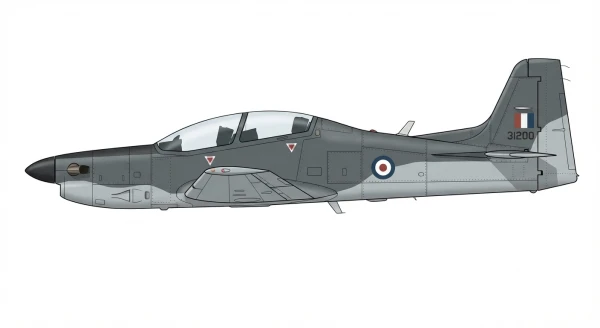
EMB-312 | 🇧🇷 Brazil | 1983 | 6 | — | — |
| Other | ||||||
|
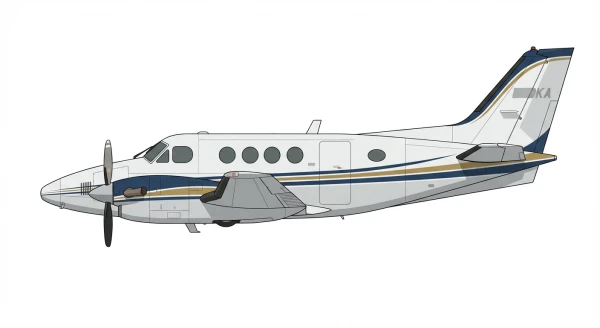
King Air 90 | 🇺🇸 United States | 1964 | 2 | +1 | — |
|
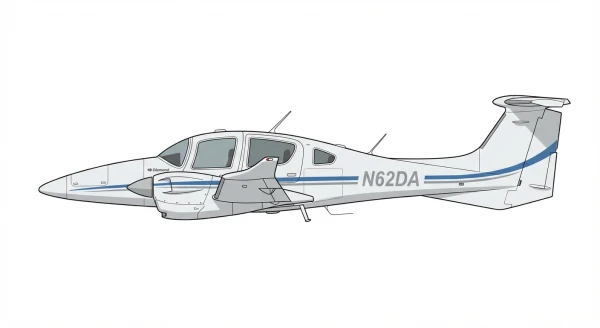
DA62 | 🇦🇹 Austria | 2015 | 1 | — | — |
Paraguayan Navy
| Aircraft | Origin | Model year | Active | Δ YoY | Ordered | |
|---|---|---|---|---|---|---|
| Helicopter | ||||||
|
|
H125M/AS350 | 🇫🇷 France | 1990 | 1 | — | — |
| Transport | ||||||
|
|
Cessna 210 | 🇺🇸 United States | 1957 | 1 | +1 | — |
Overview
The Paraguayan Air Force (FAP) is structured to support the nation's army and navy, with a primary mission of protecting national airspace and providing logistical support. Its organization includes a First Aerial Brigade, an Airmobile Brigade, an Aerial Regions Command, a Logistics Brigade, and an Instruction Institutes Command. The main operational units are based near Asunción. The force's primary combat element, the 3rd Fighter Squadron "Moros," operates Embraer EMB-312 Tucano aircraft. Other key units include the Air Transport Group, equipped with aircraft like the CASA C-212 and Cessna 208, and a helicopter group flying UH-1H and Helibras HB350 helicopters.
Operationally, the FAP's capabilities are centered on internal security, counter-narcotics, and border surveillance, rather than conventional air-to-air or strategic strike missions. The small number of operational Tucano interceptors, estimated at between two and six, represents its entire fighter/interceptor capability. The force's strategic doctrine is guided by the need to control its airspace, support counter-trafficking operations, and provide transport for other branches of the armed forces. The FAP's limited resources dictate a focus on maintaining existing assets and conducting surveillance and transport tasks within national borders.
In 2024, the FAP expanded its local maintenance capabilities for the AT-27 Tucano fleet with assistance from the Brazilian Air Force. Plans have been announced for the acquisition of additional aircraft to enhance airspace control, with Embraer making a formal offer of A-29 Super Tucanos. Past modernization initiatives included acquiring ELTA EL/M 2106 NG radars and flight simulators to improve surveillance and training. However, plans to acquire more capable aircraft, such as the Korean KT-1 or additional Super Tucanos, have historically been hindered by a lack of resources. The force's development focuses on adapting its existing structure to confront transnational crime and improve interoperability, rather than expanding its force projection capabilities.
Frequently Asked Questions
How many aircraft does Paraguay have?
How does Paraguay's air force rank globally?
How many combat aircraft does Paraguay operate?
How many military helicopters does Paraguay have?
What is the AIRS Index score of Paraguay?
Where does Paraguay get its military aircraft from?
- SEP 82026 Updated Logged 1 order from 2024
- SEP 52026 Updated A-29 Super Tucano fleet entries linked to the EMB-314 aircraft page
- JUL 272026 Updated Added Cessna 210
- MAR 82026 Updated 12 inventory entries added across 11 aircraft types; active count updated
- JUN 252025 Updated Air force overview reviewed and updated