Saudi Arabia Cleared to Buy 48 F-35 Fighters in $24.3 Billion State Department Approval
The U.S. State Department on 17 September 2026 approved a possible Foreign Military Sale of 48 F-35 Lightning II fighters and 49 F135 engines to Saudi Arabia, a package estimated at $24.3 billion that now goes to Congress for review.
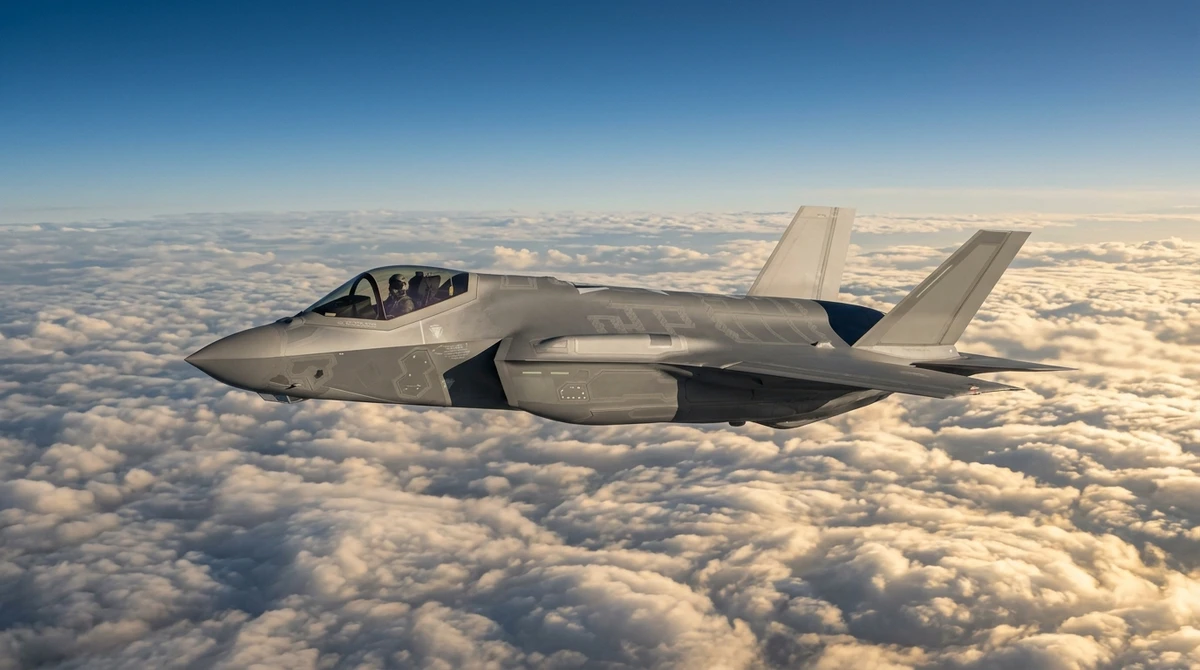
The United States Department of State on 17 September 2026 approved a possible Foreign Military Sale to Saudi Arabia of 48 F-35 Lightning II Joint Strike Fighters in the conventional takeoff and landing configuration, a package estimated at $24.3 billion. The Defense Security Cooperation Agency notified Congress of the proposed sale the same day.
Beyond the 48 airframes, the package includes 49 Pratt & Whitney F135-PW-100 engines, 48 installed and one spare, together with secure communications, precision navigation and cryptographic equipment, electronic warfare database support, aircraft and munitions support equipment, spare parts, consumables, repair and return support, training aids, software support, technical documentation, transportation and refueling support, and personnel training including simulators.
The State Department release says the proposed sale "would strengthen Saudi Arabia's homeland defense and its ability to deter current and future threats", improve interoperability with U.S., regional and NATO forces, and enhance Saudi air-to-air and air-to-ground self-defense capabilities. The approval is a clearance to proceed, not a signed contract: the sale is now subject to congressional review. It follows the $5.75 billion clearance of JDAM kits and Abrams engines for Saudi Arabia that GlobalMilitary.net reported on 7 September.
If the sale proceeds, Saudi Arabia would become the second country in the Middle East cleared to operate the F-35, after Israel. The United Arab Emirates was authorized in January 2021 to buy a $23 billion package that included 50 F-35s, but in December 2021 Abu Dhabi suspended discussions on that deal; Breaking Defense reported at the time that the UAE cited technology-transfer and sovereign operating restrictions. Those aircraft have not been delivered.
The Royal Saudi Air Force holds 384 combat aircraft in GlobalMilitary.net's 2026 inventory, and none of them is a fifth-generation type. That count is the site's own inventory figure, not an official Saudi one. The combat fleet rests on five lines: 127 F-15C/S, 84 F-15SA, 81 Tornado IDS, 71 Eurofighter Typhoon and 21 F-15D. Around them sit 81 Hawk 65/165 trainers with 10 more on order, 6 Airbus A330 MRTT tankers with 4 on order, 5 E-3A Sentry airborne early warning aircraft and 60 Bayraktar Akinci UAVs on order, for a total inventory of 914 aircraft across all types.
In GlobalMilitary.net's own AIRS index, which ranks 162 air forces on a 0-100 scale, Saudi Arabia stands 7th with 27.85 points, ahead of France in 8th place and of Israel, 11th with 23.52 points. The Israeli air force operates 48 F-35I in GMN's 2026 inventory with 27 more on order, an active fleet of exactly the size Saudi Arabia has now been cleared to buy. The same inventory records F-35 holdings or orders for 26 countries, led by the United States with 385 F-35A active and 1,350 on order.
The clearance came a day after GlobalMilitary.net logged the loss of a Royal Saudi Air Force F-15SA over Marib governorate in Yemen on 16 September, after a Houthi military spokesman said Houthi forces had shot the aircraft down. Saudi authorities had not confirmed the loss and the claim has not been independently verified.
Congressional review is the next step. Until it is complete and a contract is signed, the State Department approval remains a clearance to buy, not a purchase and not a delivery.
More News
All news →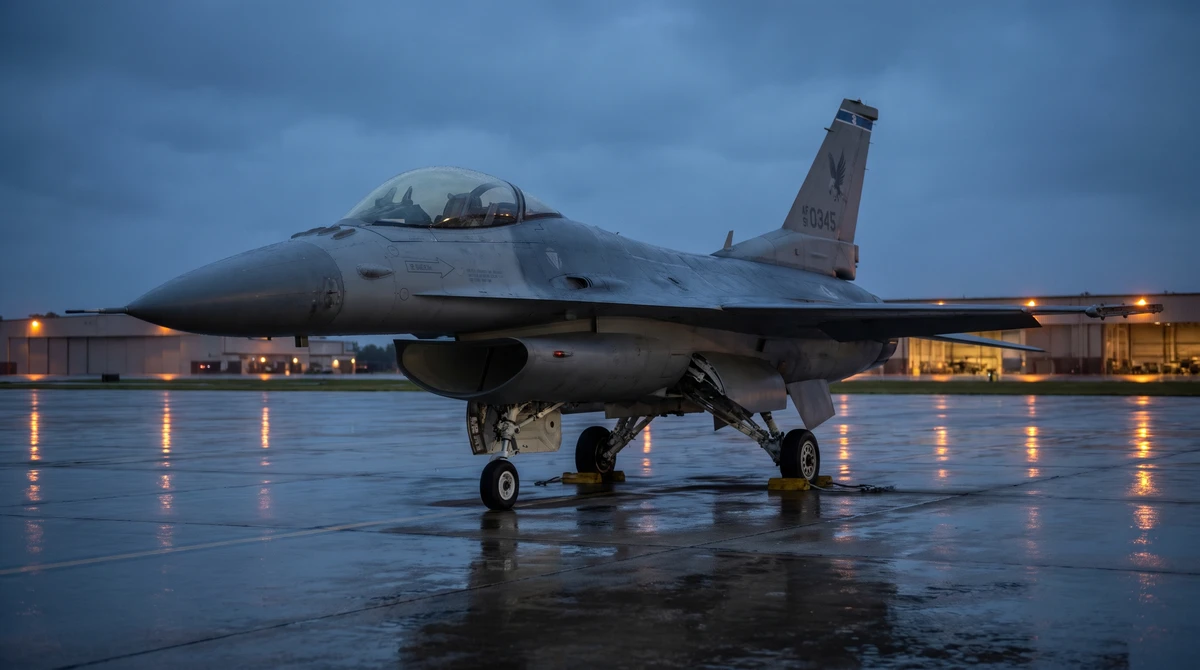
Military Aircraft Crashes in 2026 Reach 83 Logged Accidents Across 30 Countries
GlobalMilitary.net's log records 83 military aircraft crashes and 87 airframes lost in 30 countries between 1 January and 2 November 2026, after a run of fatal accidents in France, the Philippines and Bosnia in late October and a decade-high US Navy mishap count.
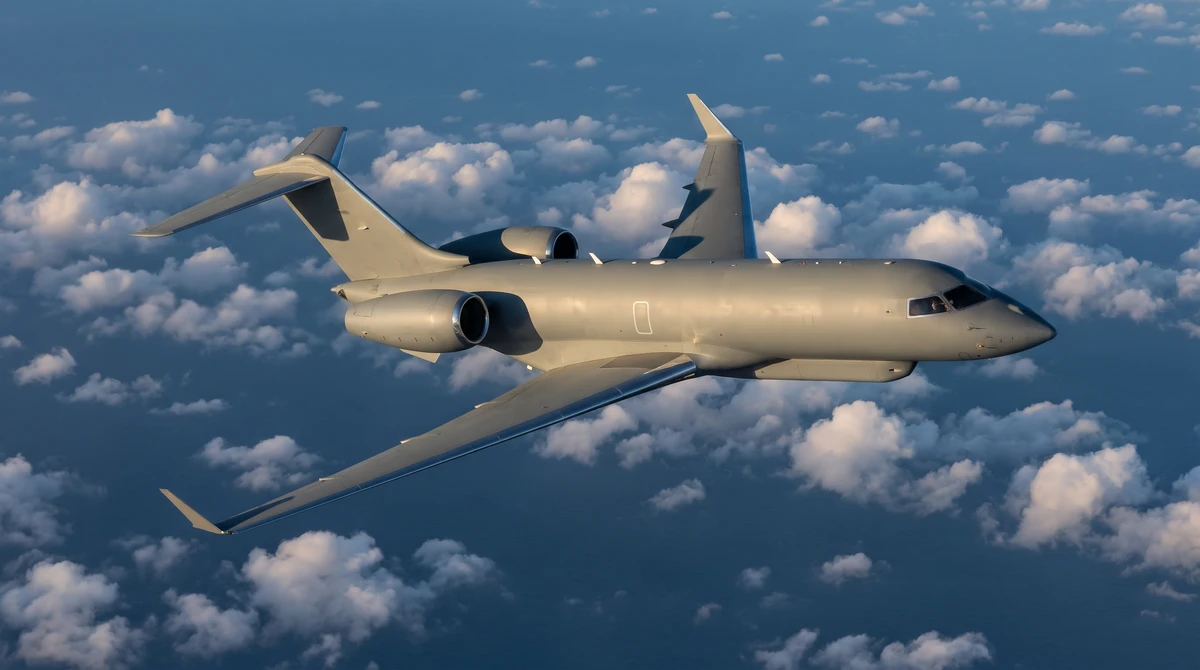
US Army's HADES Spy Jet Flies for the First Time, a Global 6500 Replacing Turboprop ISR
The US Army said on October 30 that HADES Prototype 1, an airborne intelligence aircraft built on a modified Bombardier Global 6500 business jet, made its first flight on September 11, moving the program into mission system integration and developmental flight testing.
Hanwha Philly Shipyard Selected to Build Its First US Navy Ship, a $269 Million Medium Landing Ship
Hanwha Defense USA said on Oct. 29 that TOTE Services had chosen its Philly Shipyard to build one Medium Landing Ship for the US Navy and Marine Corps under TOTE's $2.2 billion construction-management contract, with options for three more vessels.
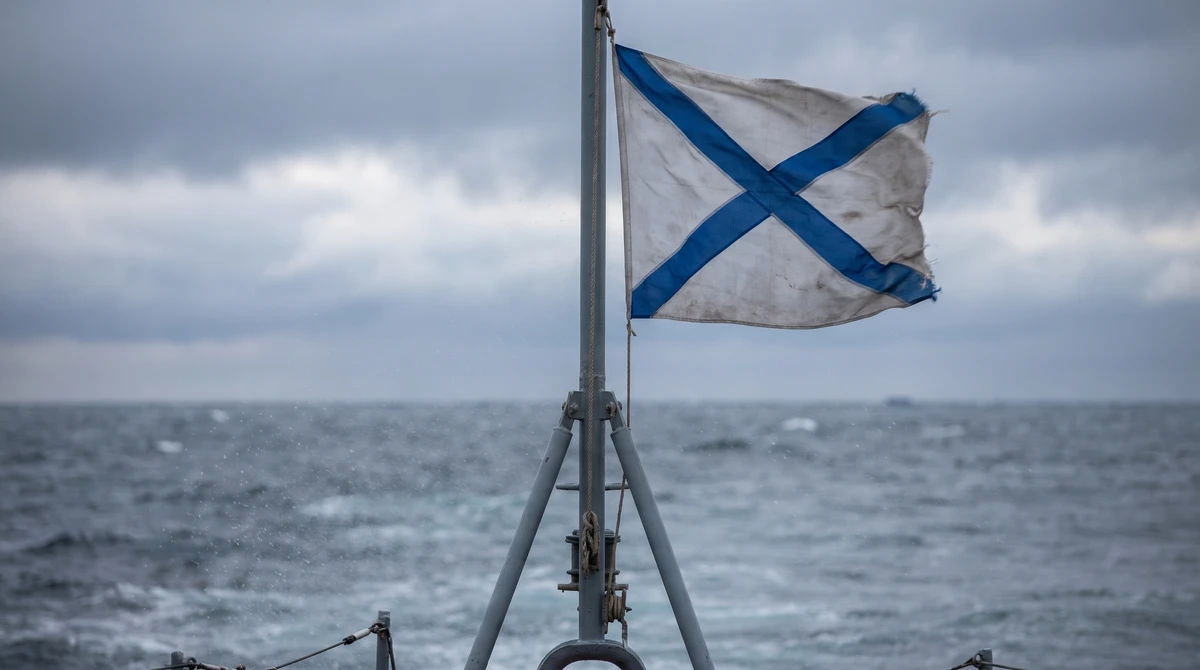
Russia Says Pacific Fleet Submarine Generalissimus Suvorov Fired Bulava Missile From Sea of Okhotsk
The Borey-class submarine Generalissimus Suvorov launched a Bulava intercontinental ballistic missile from a submerged position in the Sea of Okhotsk on October 28, the Russian Ministry of Defence said, in what the Russian Strategic Nuclear Forces project calls a rare Pacific Fleet firing.
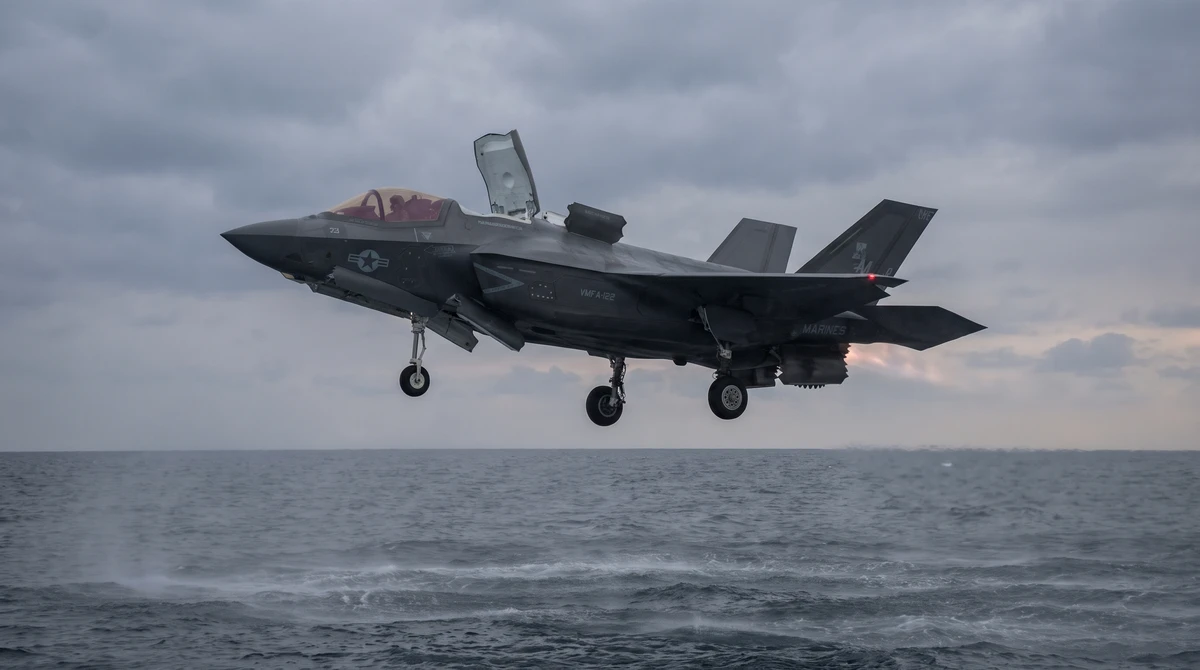
How the F-35B Lift Fan Hovers a Supersonic Jet Where the Harrier Needed Four Swiveling Nozzles
Twenty-five years after the Joint Strike Fighter award of 26 October 2001, how the F-35B's shaft-driven lift fan lets a supersonic fighter land vertically where the Harrier used four swiveling nozzles, and what the fan costs it in fuel, payload and price.
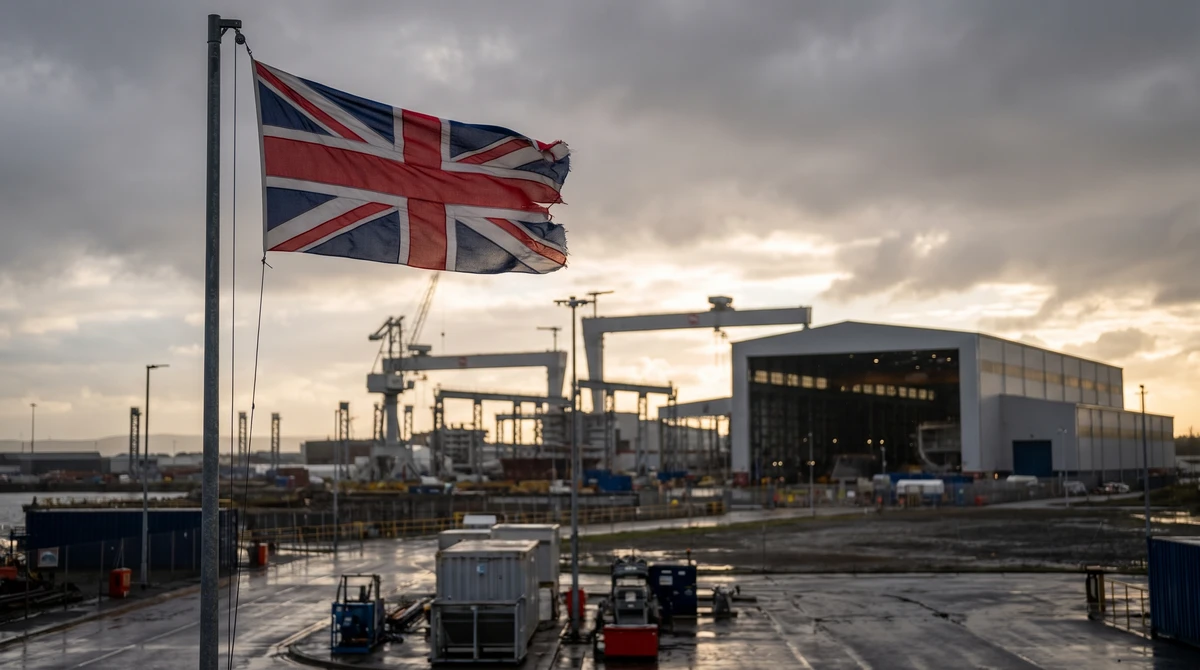
UK to Require Overseas Defense Suppliers to Invest Up to 100% of Contract Value in Britain From April 2027
The UK will require overseas firms winning defense contracts of £50 million or more to invest up to the full contract value in British jobs, factories and technology from April 2027, under an offset policy announced on 30 October 2026 that will not normally cover government-to-government deals.