UK Opens Hawk Replacement Contest While 436 of the Trainers Still Serve 14 Air Forces
The Ministry of Defence issued a request for information on 7 August covering both the Red Arrows' Hawk T1 and the RAF's 28 Hawk T2 trainers. GlobalMilitary.net inventories record 436 Hawks still in service with 14 air forces.
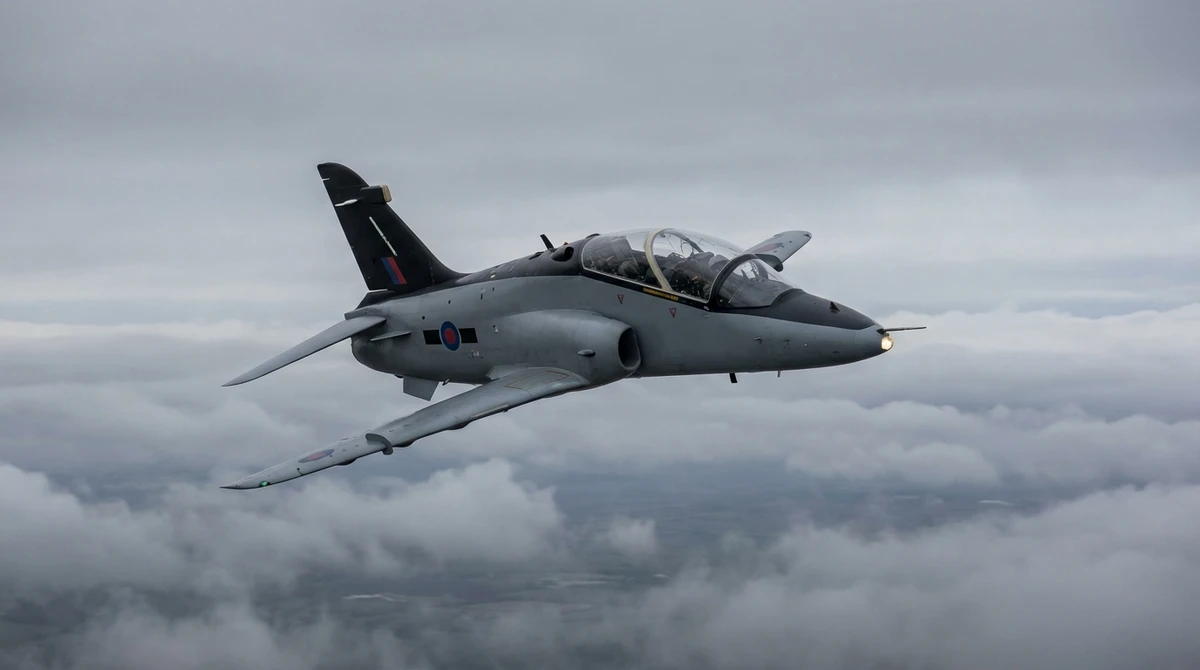
The UK Ministry of Defence opened the search for a replacement for the Royal Air Force's Hawk jet trainers on 7 August 2026, publishing a request for information that gives industry until 11 September to respond. The exercise, logged under project code 700004994-RFI and run by the National Armaments Director group, covers both the Hawk T1 flown by the Red Arrows and the 28 Hawk T2 aircraft based at RAF Valley.
The Defence Investment Plan 2026 set aside £360 million ($485 million) for what it calls the full recapitalization of the Jet Training System. The ministry stressed that the RFI is "information gathering only and does not amount to an invitation to tender or a commitment to procure," and it has not stated how many aircraft it intends to buy. Bidders are being asked for significant UK workshare and for a design able to support the transition to fifth- and sixth-generation air systems.
Timing is the pressure. The Hawk T1 entered RAF service in 1976 and has flown with the Red Arrows since 1979; airframe fatigue and engine availability now put its out-of-service date at the end of 2030. The strain is already visible, as the display team flew most of its 2026 season as a seven-ship rather than the traditional nine, reserving full formations for major ceremonial flypasts. The newer T2, delivered from 2009, is not exempt: persistent availability problems mean the ministry is treating both fleets as a single recapitalization.
Four aircraft dominate the candidate field. The Boeing and Saab T-7A Red Hawk, which BAE Systems would prime for a UK bid, has two examples delivered against 350 on order for the US Air Force. Leonardo's M-346 Master is the most widely exported of the group, with Israel (30), Italy (23), Poland (15) and Singapore (12) among its operators. Korea Aerospace Industries' T-50 Golden Eagle family serves South Korea, Iraq, Indonesia, Thailand and Poland, while Turkish Aerospace's Hürjet is the newest entrant. BAE's own Hawk line is closed, though a fresh order could restart it. Aeralis, the British venture that spent years promoting a modular trainer aimed squarely at this requirement, entered administration in May 2026 before building a prototype, FlightGlobal reported.
What the competition is really replacing is one of the most widely flown military trainers ever built. GlobalMilitary.net inventories record 436 Hawks still in active service across 14 air forces, out of roughly 1,000 built since the type first flew in August 1974. India is by far the largest operator with 119 — 102 with the Indian Air Force and 17 with the Indian Navy — followed by Saudi Arabia with 81 and a further 10 on order. The Royal Air Force is third on 42: the 28 T2s at RAF Valley plus the 14 T1s the Ministry of Defence counted in active fleet management at 1 April 2025, all of them now held for the Red Arrows. Finland (35), Australia (33) and Indonesia (28) come next, with Oman, South Africa, Malaysia, the United Arab Emirates, Qatar, Kuwait, Bahrain and Zimbabwe accounting for the rest, leaving the Hawk a fixture from the Gulf to southern Africa among the world's air forces ranked by fleet size.
Qatar shows where that market is heading: the Qatar Emiri Air Force flies nine Hawk 167s alongside six M-346s. Responses to the RFI are due on 11 September, after which the ministry is expected to decide whether to run a full competition.
More News
All news →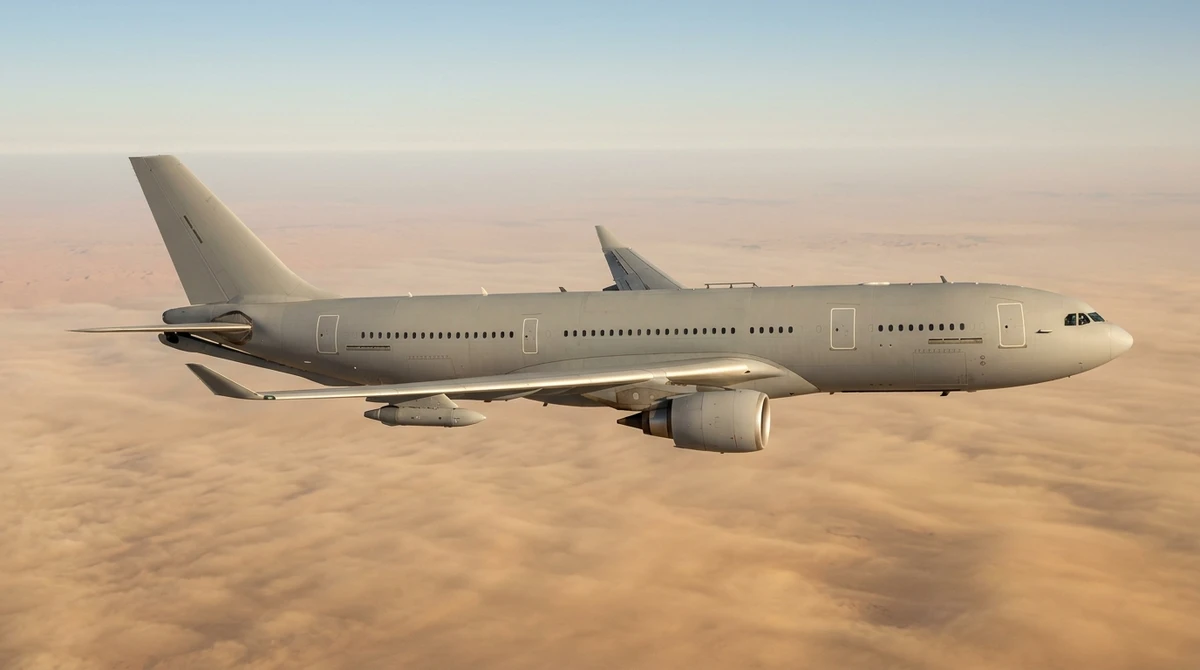
Boom or Drogue: Why the RAF Tanker Sent to Saudi Arabia Cannot Refuel Its F-15s
Britain announced on September 22, 2026 that it will send a Voyager tanker to Saudi Arabia, but its hose-and-drogue pods can serve only the Typhoons and Tornados, not the 232 F-15s that make up 60 percent of the Saudi combat fleet.
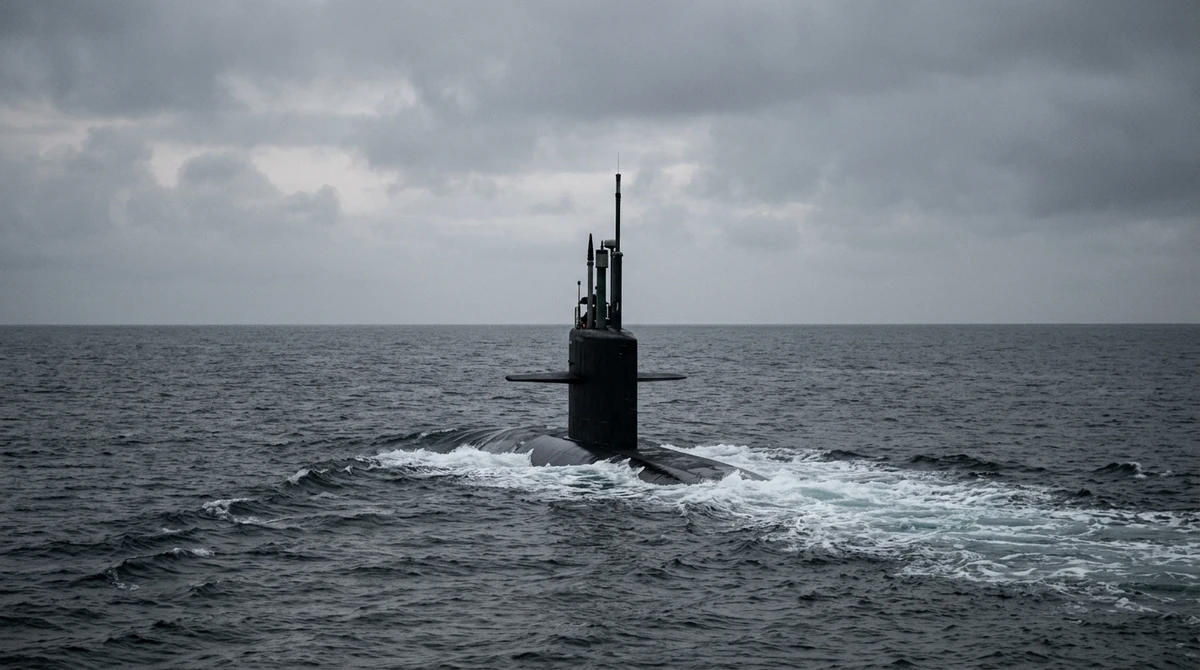
Nuclear vs Air-Independent Propulsion: How a Submarine Runs Without Air, and What Japan Is Weighing
After Japan's defense minister declined on September 11, 2026 to rule out nuclear-powered submarines, a technical explainer on how a reactor, a Stirling engine, a fuel cell and a lithium-ion battery each keep a boat under water, and what each one buys.
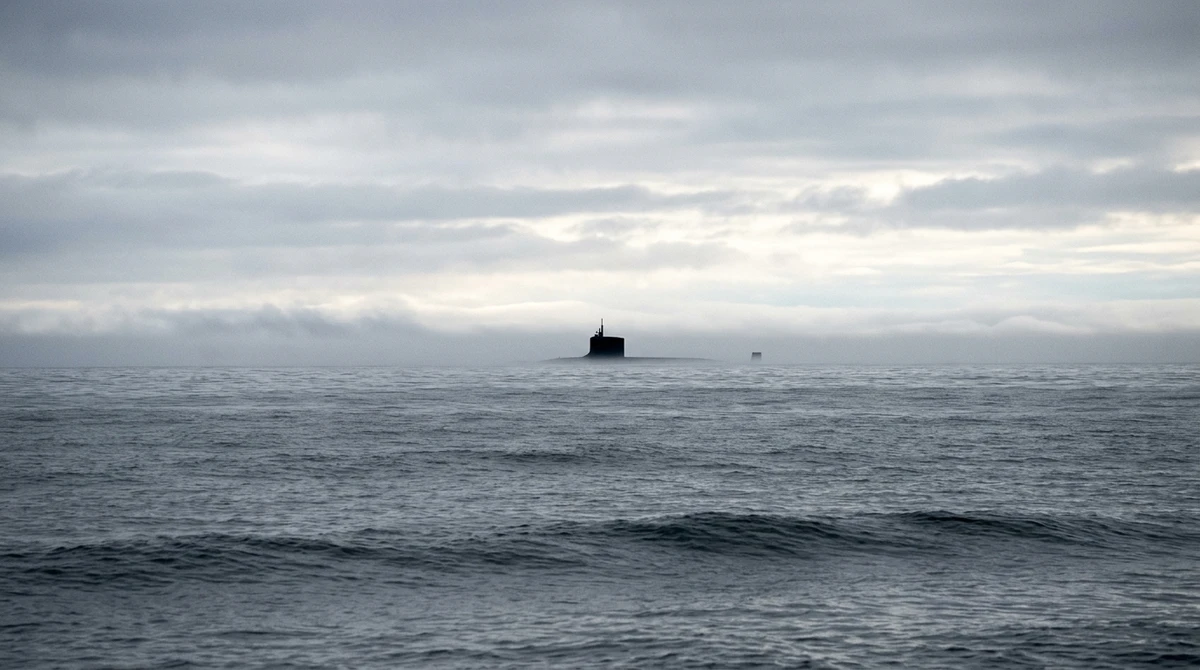
Japan Will Not Rule Out Nuclear-Powered Submarines as Six Navies Field 140 Between Them
Japan's defense minister said on 11 September 2026 that nuclear-powered submarines "will not be ruled out" in the year-end revision of the country's security documents, an option that would put the JMSDF alongside the six navies operating 140 nuclear boats today.
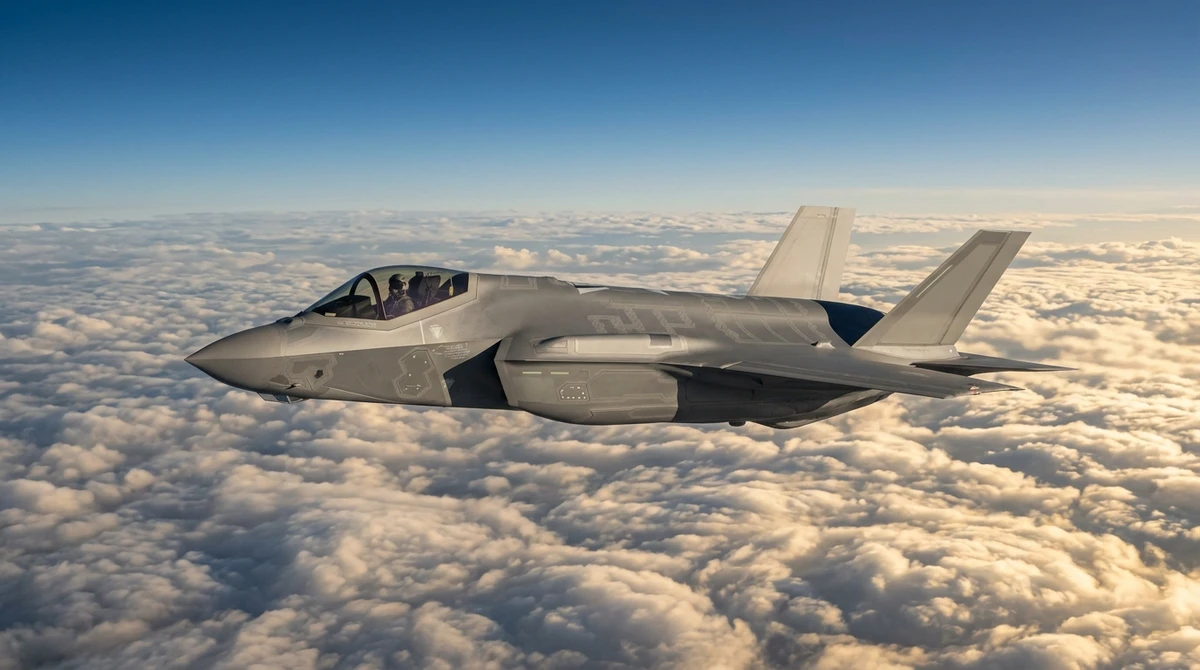
Saudi Arabia Cleared to Buy 48 F-35 Fighters in $24.3 Billion State Department Approval
The U.S. State Department on 17 September 2026 approved a possible Foreign Military Sale of 48 F-35 Lightning II fighters and 49 F135 engines to Saudi Arabia, a package estimated at $24.3 billion that now goes to Congress for review.

Only Four Air Forces Fly High-Altitude Surveillance Drones, and Japan Has Just Lost One of Its Three
A Japan Air Self-Defense Force RQ-4B Global Hawk went down over international waters north of Tottori prefecture on 15 September 2026, the first loss of a Japanese Global Hawk and one of only 39 high-altitude surveillance drones GlobalMilitary.net records in service worldwide.
UK Confirms 2027 Steel Cut for First SSN-AUKUS Submarine and £15 Billion Warhead Investment
The UK government's Defence Nuclear Enterprise annual update, published September 15, 2026, says steel will be cut on the first SSN-AUKUS attack submarine in 2027 and confirms £15bn for the warhead program and £6bn for submarine infrastructure at Barrow-in-Furness and Raynesway.