Nine states hold an estimated 12,187 nuclear warheads; six more host
weapons they do not own. Who has what, where it is going, and how the numbers are known.
Estimates: Federation of American Scientists, early 2026. Israel has never confirmed its arsenal.Full ranking
The nuclear map
Nuclear powersHosting statesThresholdDisarmed
Each highlighted country links to its nuclear forces page.
Global stockpile since 1945
World military stockpile1945–2026
Peak: ~64,000 warheads in 1986. Stockpiles exclude retired warheads awaiting dismantlement.
Data: FAS Nuclear Notebook series, processed by Our World in Data (CC BY 4.0).
The hosted weapons stay in the owner's custody and count in its totals, not the host's.How sharing works
How to read the numbers
No nuclear-armed state publishes a current count of its weapons, so every figure on these
pages is an estimate — and the estimates differ depending on what is being counted.
The military stockpile is the set of warheads available to the armed forces,
whether mounted on missiles or held in storage. The total inventory adds
retired warheads that still exist but sit in a queue for dismantlement — the United States and
Russia each hold more than a thousand of these. Deployed warheads are the
subset actually sitting on missiles or at bomber bases, ready for use on short notice.
The figures here follow the estimates of the Federation of American Scientists' Nuclear
Notebook and the SIPRI Yearbook, the two reference open sources, and the historical series is
the FAS dataset published through Our World in Data under a CC BY license. Numbers for Russia,
China, and especially North Korea carry real uncertainty; the databases update as the estimates
do. Since the expiry of New START in February 2026 there is no longer any treaty-based
verification of US and Russian strategic forces, which will widen the error bars over time.
Understand the nuclear order
Nuclear sharing & hosting
Five NATO countries host US B61 bombs their own aircraft would deliver; Belarus
hosts Russian warheads under a mirror arrangement. Who hosts what, at which bases, and who decides.
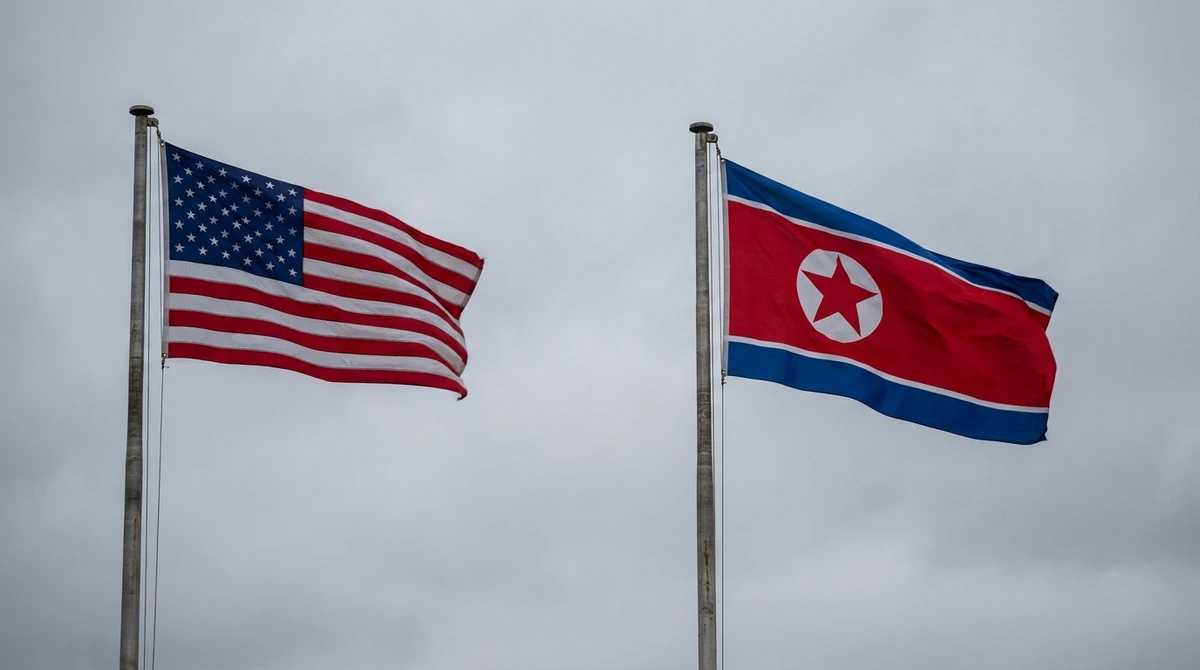
US President Donald Trump told reporters on August 19 that Kim Jong-un has "57 very powerful nuclear weapons", four months after citing 45 - a figure he did not source, and one well below the range South Korea's defense ministry says it works from.
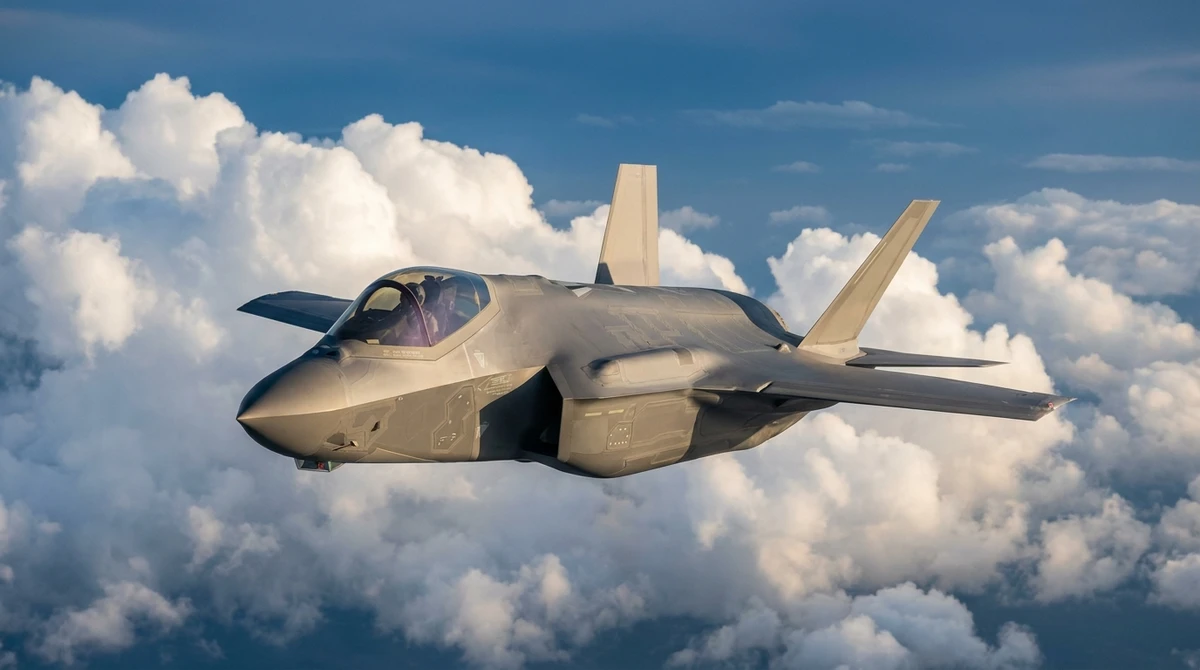
Lockheed Martin said on August 18 that the Luftwaffe's first F-35A has completed final assembly at Fort Worth, with a rollout set for September 18 and the first aircraft due at a US training base before the end of 2026.
A joint statement delivered to the Conference on Disarmament in Geneva on 11 August 2026 asks every state to give at least 24 hours' notice before launching an ICBM, a submarine-launched ballistic missile or a space launch vehicle.
As of early 2026, the nine nuclear-armed states hold an estimated 12,187 nuclear warheads. About 9,745 of them form the military stockpiles available to the armed forces; the remainder are retired warheads awaiting dismantlement. Roughly 4,000 warheads are actually deployed on missiles, submarines and bomber bases.
Which countries have nuclear weapons?
Nine states possess nuclear weapons: the United States, Russia, the United Kingdom, France and China (the five NPT nuclear-weapon states), plus India, Pakistan and North Korea, and Israel, which has never confirmed its arsenal. Six more countries host foreign warheads without owning them: Belgium, Germany, Italy, the Netherlands and Turkey store US bombs under NATO nuclear sharing, and Belarus hosts Russian warheads.
Which country has the most nuclear weapons?
Russia, with an estimated 5,420 warheads in its total inventory, ahead of the United States with about 5,042. Together they hold nearly 90% of the world's nuclear weapons. China follows with roughly 620 and is expanding its arsenal faster than any other state.
Are these numbers exact?
No — they are estimates. Only the US and UK have ever published official stockpile figures, and no state discloses current numbers precisely. The figures here follow the estimates of the Federation of American Scientists and SIPRI, which reconstruct arsenals from official statements, treaty data, satellite imagery and open sources. They are the reference numbers used by governments and media worldwide.
Has the number of nuclear weapons gone up or down?
Global stockpiles peaked around 64,000 warheads in 1986 and have fallen by roughly 85% since, driven by US-Russian arms-control treaties. That decline has now essentially stopped: reductions of retired US and Russian warheads are offset by growing arsenals in China, India, Pakistan and North Korea, and the last US-Russian treaty limiting deployed weapons expired in February 2026.