Australia Declares Initial Operational Capability for LRASM and JASSM-ER Stand-Off Missiles
Australia declared Initial Operational Capability on 11 September 2026 for the AGM-158C LRASM anti-ship missile and the AGM-158B JASSM-ER cruise missile, carried by Royal Australian Air Force F/A-18F Super Hornets and P-8A Poseidons.
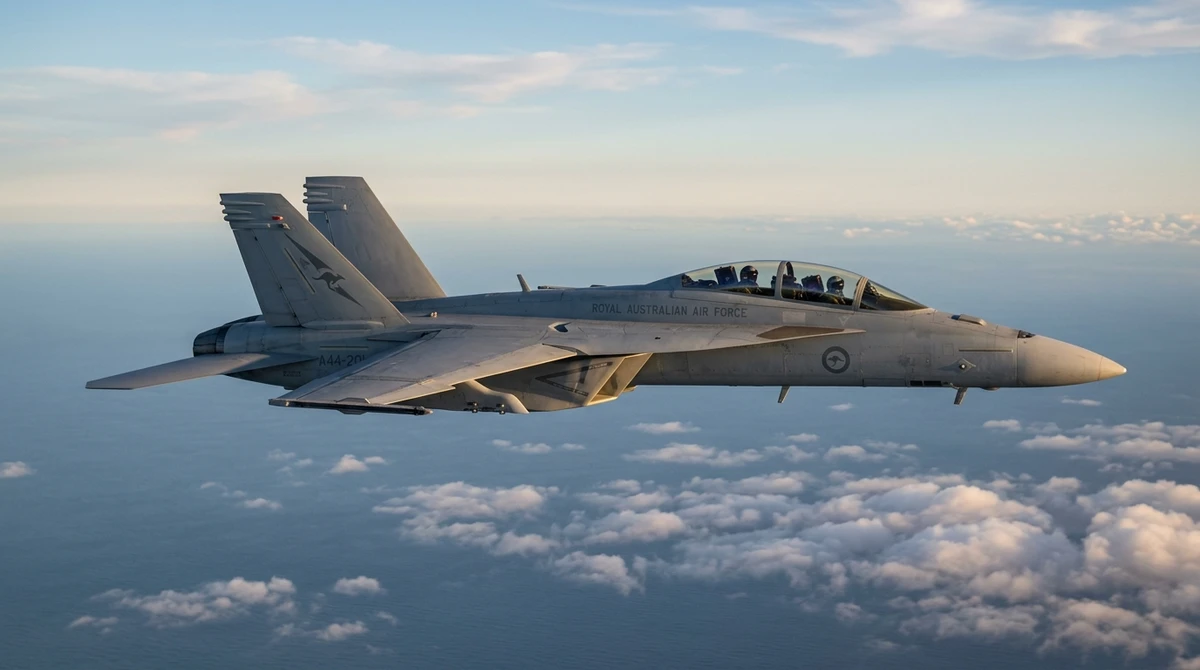
Australia declared Initial Operational Capability (IOC) on 11 September 2026 for two stand-off missiles, the AGM-158C LRASM and the AGM-158B JASSM-ER. The declaration was reported on 13 September.
The two weapons give the Royal Australian Air Force a long-range strike capability against both maritime and land targets. The AGM-158C LRASM is an anti-ship missile with a range of more than 370 km. The AGM-158B JASSM-ER is a land-attack cruise missile with a range of 900 km, an extended-range member of the AGM-158 JASSM family.
Both missiles have been cleared on two platforms: the F/A-18F Super Hornets of No. 82 Wing and the P-8A Poseidons of No. 92 Wing. The Super Hornet force numbers 24 aircraft, with No. 1 Squadron based at RAAF Base Amberley in Queensland.
Initial Operational Capability marks the point at which a weapon is cleared for operational use by front-line units rather than remaining confined to test and evaluation. In this case the declaration covers both the maritime strike round and the land-attack round on the same two aircraft types, following firings conducted in both the United States and Australia.
Australia allocated $895.5 million for the LRASM acquisition, according to The Aviationist. The purchase sits within a wider effort: Australia has earmarked a reported $28–35 billion over the next decade for long-range strike capabilities.
The IOC declaration follows a test campaign spread over three ranges. In February 2025, two LRASM were fired at the Point Mugu Sea Range in California. In November 2025, two JASSM-ER were fired at the Woomera Test Range in South Australia. During Exercise Rim of the Pacific (RIMPAC) 2026, held in June and July, a P-8A fired an LRASM, the first operational employment of the missile by an RAAF maritime patrol aircraft.
The Chief of Air Force, an Air Marshal, said the capability demonstrates the ability "to conduct long-range, survivable and lethal maritime and land strike" against well-defended targets.
The two missiles are one part of a broader RAAF strike architecture. The E-7A Wedgetail airborne early warning and control aircraft and the EA-18G Growler electronic attack aircraft are the supporting platforms named alongside the Super Hornet and Poseidon fleets.
GlobalMilitary.net's 2026 inventory data for the RAAF records 24 F/A-18F Super Hornets, 13 P-8A Poseidons, 12 EA-18G Growlers and 72 F-35A Lightning II fighters. These fleet figures are among the inputs to the site's ranking of national military power.
With IOC declared, LRASM and JASSM-ER now enter service on the Super Hornet and Poseidon fleets. Further firings, deliveries and capability milestones for the two missiles will be recorded on their respective pages as they are reported.
More News
All news →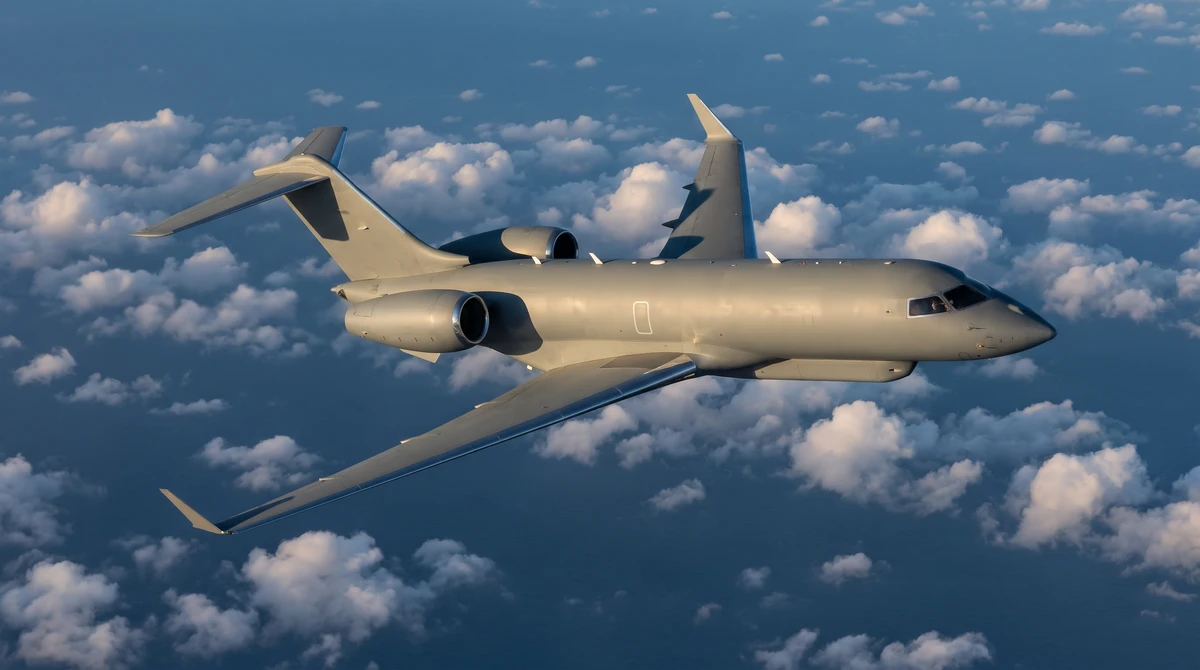
US Army's HADES Spy Jet Flies for the First Time, a Global 6500 Replacing Turboprop ISR
The US Army said on October 30 that HADES Prototype 1, an airborne intelligence aircraft built on a modified Bombardier Global 6500 business jet, made its first flight on September 11, moving the program into mission system integration and developmental flight testing.
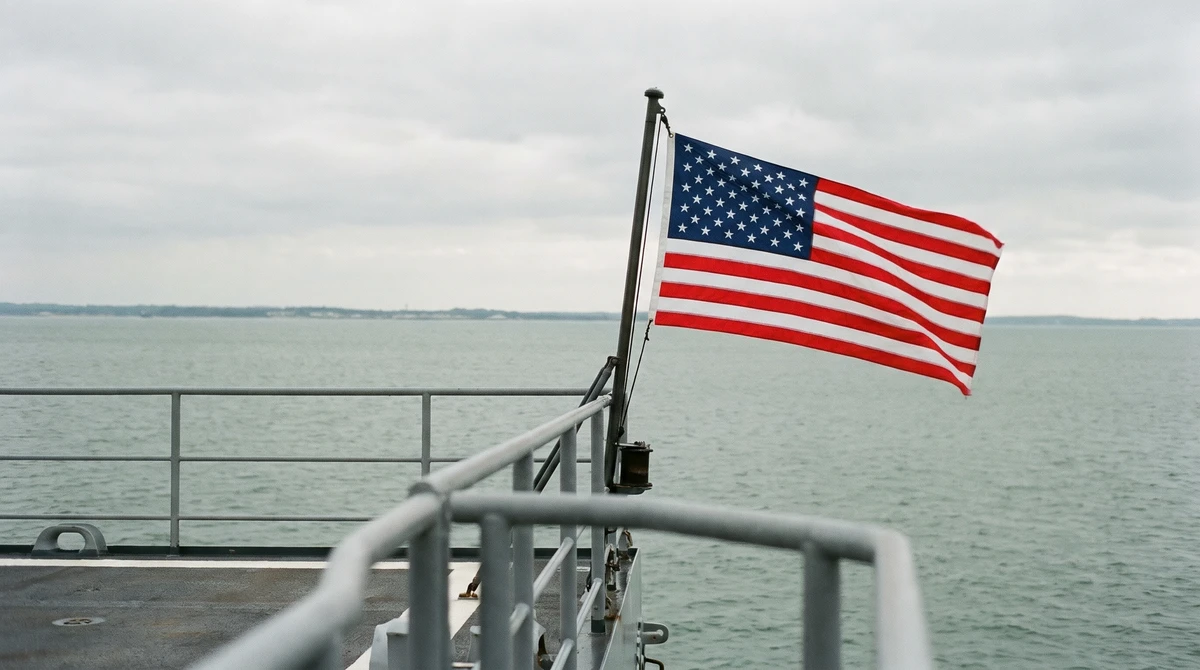
Hanwha Philly Shipyard Selected to Build Its First US Navy Ship, a $269 Million Medium Landing Ship
Hanwha Defense USA said on Oct. 29 that TOTE Services had chosen its Philly Shipyard to build one Medium Landing Ship for the US Navy and Marine Corps under TOTE's $2.2 billion construction-management contract, with options for three more vessels.

UK to Require Overseas Defense Suppliers to Invest Up to 100% of Contract Value in Britain From April 2027
The UK will require overseas firms winning defense contracts of £50 million or more to invest up to the full contract value in British jobs, factories and technology from April 2027, under an offset policy announced on 30 October 2026 that will not normally cover government-to-government deals.

Switzerland Shortlists Barak MX and SAMP/T NG for Second Long-Range Air Defense System, Keeps Patriot
The Federal Council on October 28 tasked the DDPS with continuing the evaluation of Israel's Barak MX and France's SAMP/T NG as a second long-range ground-based air defense system, to be fielded alongside a Patriot acquisition Bern says it will maintain despite delivery delays.
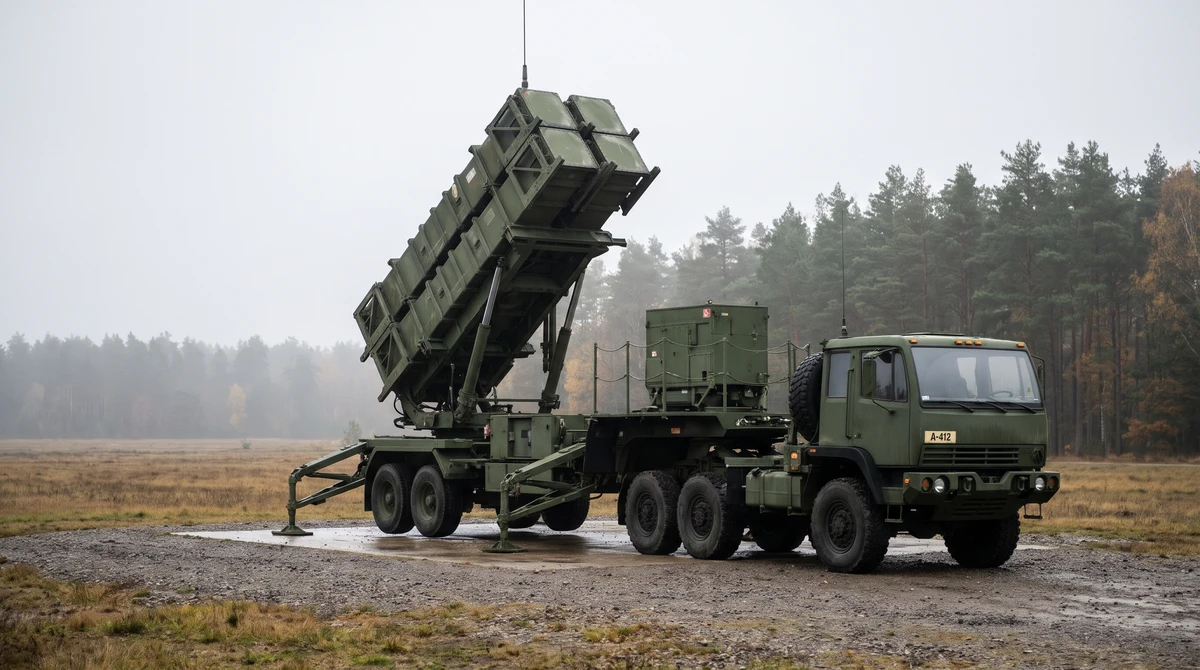
Pentagon Picks Poland to Host Europe's PAC-3 Missile Maintenance Facility
The US government and Lockheed Martin named Poland on October 27 as host of a European maintenance facility for PAC-3 Patriot interceptors, with Germany, the Netherlands and Sweden as original signatories to the agreement.
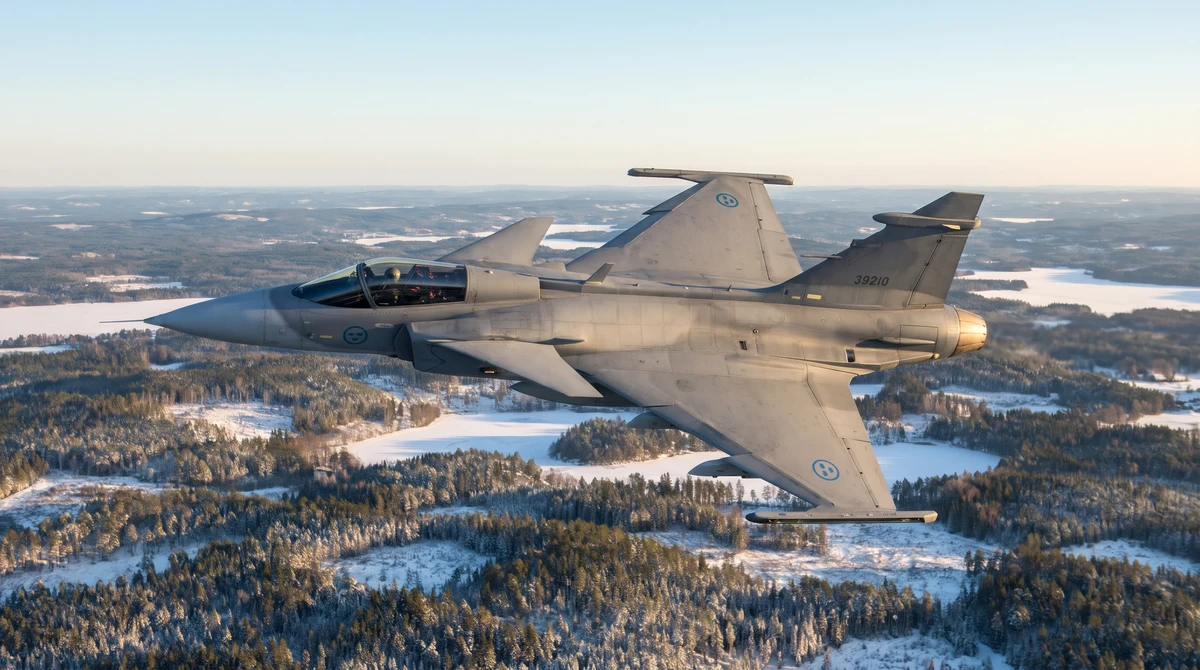
Saab Names CAE, IMP and Magellan as Gripen Partners for Canada as First CF-35As Arrive
Saab said on October 27, 2026 it would team with CAE, IMP Aerospace & Defence and Magellan Aerospace to assemble and support the Gripen E in Canada if Ottawa selects the type, days after the Royal Canadian Air Force took delivery of its first two F-35s in Arizona.