Only 20 Air Forces Fly Airborne Early Warning Aircraft — China Now Fields More Than the USAF
Just 20 of the 162 air forces tracked by GlobalMilitary.net operate airborne early warning aircraft in 2026; the United States leads with 98, but 83 are carrier-based Navy Hawkeyes, leaving the US Air Force with 15 aging E-3 Sentries against China's 81 land-based radar aircraft.
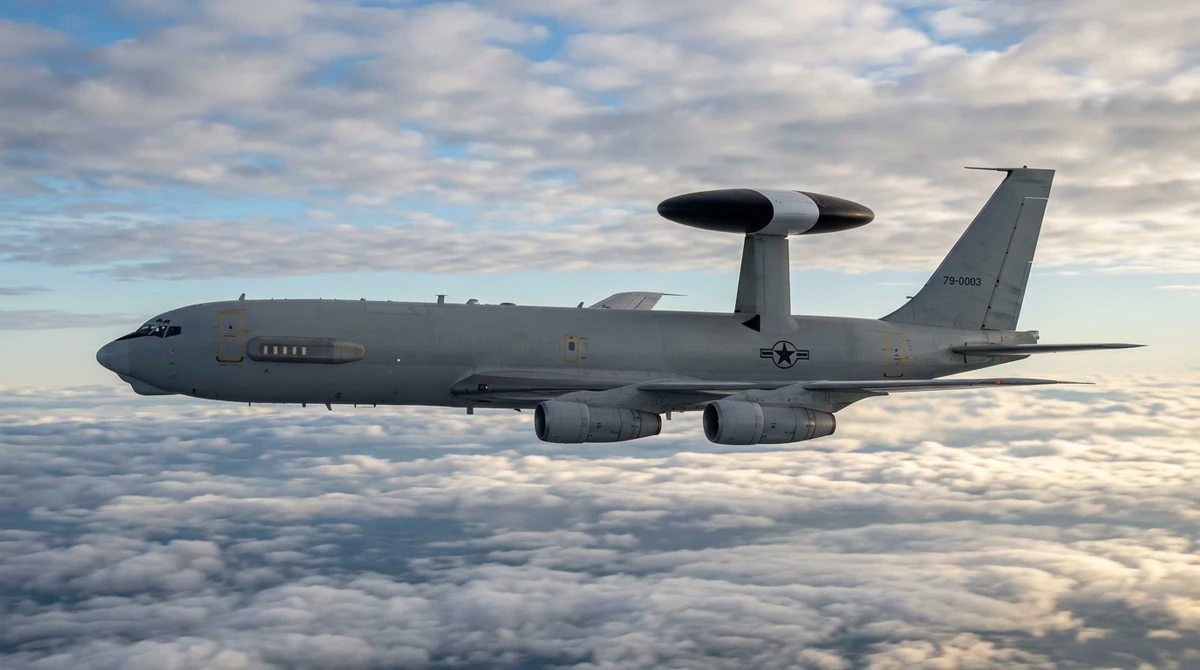
Airborne early warning and control aircraft — the flying radar stations that watch airspace and direct air battles — remain one of the rarest capabilities in military aviation. Of the 162 air forces tracked in the GlobalMilitary.net ranking of the world's air forces, only 20 operate an AEW&C type in 2026, with 291 aircraft in active service worldwide; the other 142 air arms field none. The United States holds the largest fleet on paper, but the composition of that lead tells a more complicated story.
Of the 98 American aircraft, 83 are carrier-based US Navy E-2C/D Hawkeyes, with 15 more E-2Ds on order. The US Air Force itself operates just 15 E-3B/C/G Sentries. Its designated successor, the E-7 Wedgetail, has 26 airframes on order for the service — and none yet in service.
China, by contrast, fields 81 aircraft across three land-based types: 60 KJ-500s — 40 with the PLA Air Force and 20 with PLA Naval Aviation — alongside 17 KJ-200s and 4 KJ-2000s. The disparity is striking against overall fleet size: the United States flies 12,996 active military aircraft to China's 6,341 — twice the fleet, yet fewer land-based radar planes.
Behind the two leaders, the club thins out quickly:
- Japan: 20 E-2C/D (7 on order)
- Pakistan: 14 Saab 2000 Erieye
- Russia: 12 A-50
- Saudi Arabia: 7 (5 E-3A, 2 Saab 2000)
- Egypt: 7 E-2C; Thailand: 7 Saab 340
- Australia: 6 E-7A; Taiwan: 6 E-2K
- United Arab Emirates: 5 GlobalEye
- South Korea: 4 E-737 Peace Eye; Turkey: 4 E-7T Peace Eagle
- India: 3 A-50EI (2 on order); Chile: 2 ex-RAF E-3D
Europe's national fleets total just 19 aircraft, and that figure includes Turkey's 4. Without Turkey, the continent musters 15: France operates 7 — four air force E-3Fs and three navy E-2C/Ds, with three E-2Ds on order — followed by Greece with 4 EMB-145H Erieyes, Poland with 2 Saab 340s, the United Kingdom with a single E-7A (2 more on order) and Sweden with one Saab 340 and 3 GlobalEyes on order. Ukraine has 2 Saab 340s on order but none yet active. One caveat applies to all these figures: NATO's jointly owned E-3A fleet at Geilenkirchen is an alliance asset and is not counted in any national total — the European numbers cover national fleets only.
The American land-based fleet is not only small but strained. The War Zone reported that the US Air Force E-3 fleet is down from 31 aircraft in 2023, posted a mission-capable rate of 55.68 percent in fiscal year 2024, and last took delivery of an airframe in 1992, still flying on obsolete TF33 engines. The E-7 program that is meant to replace it nearly disappeared: the Pentagon proposed cancelling the Wedgetail in its FY2026 budget plan, according to Defense News, before Congress restored more than $1 billion in funding, The War Zone reported. A space-based replacement for the airborne radar mission is not expected before the early 2030s at best, according to the same outlet.
Renewal is nonetheless under way across the club: 26 E-7s on order for the US Air Force, seven E-2s for Japan, three GlobalEyes for Sweden — and NATO itself selected Saab's GlobalEye in July 2026 to replace its own E-3A fleet. The pattern echoes another scarce enabler of modern air power: a companion GlobalMilitary.net analysis found that only 30 air forces can refuel aircraft in flight. Radar coverage, like fuel, remains a capability most of the world's air arms borrow rather than own.
More News
All news →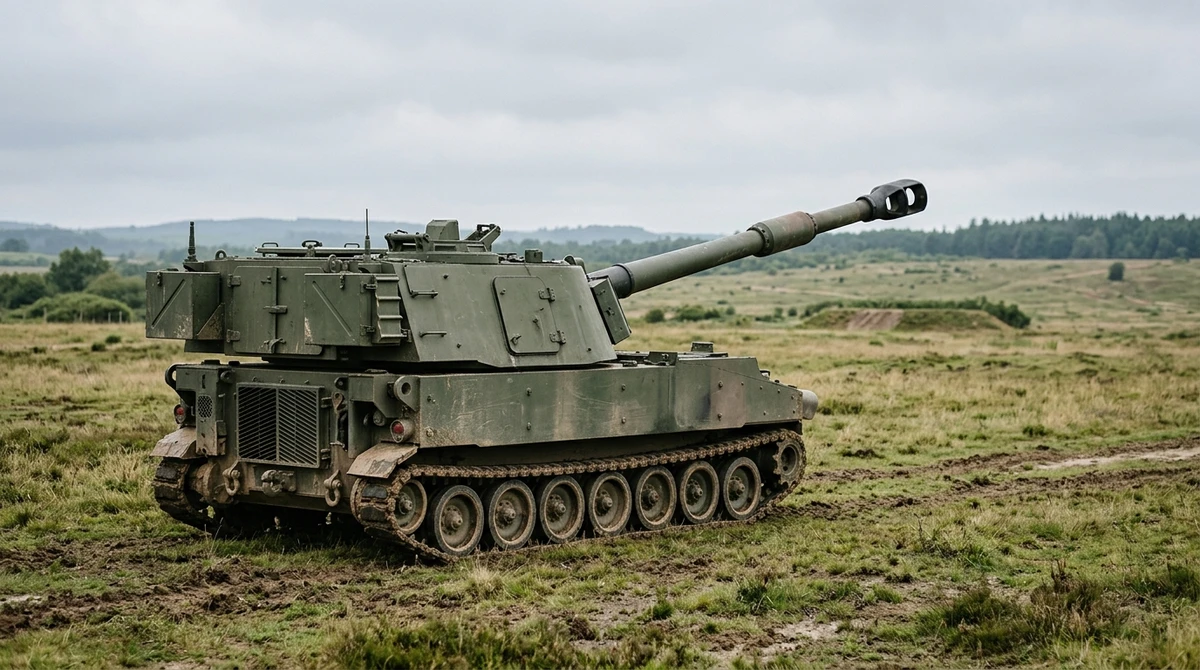
US Army Opens Search for M109 Replacement — 23 Armies Still Field 6,036 of the Cold War Howitzer
The US Army issued a request for information on September 1 for a tracked 155mm howitzer to replace the M109 in armored formations — a type first fielded in the 1960s and still in active service with 6,036 examples across 23 countries, according to GlobalMilitary.net inventory data.
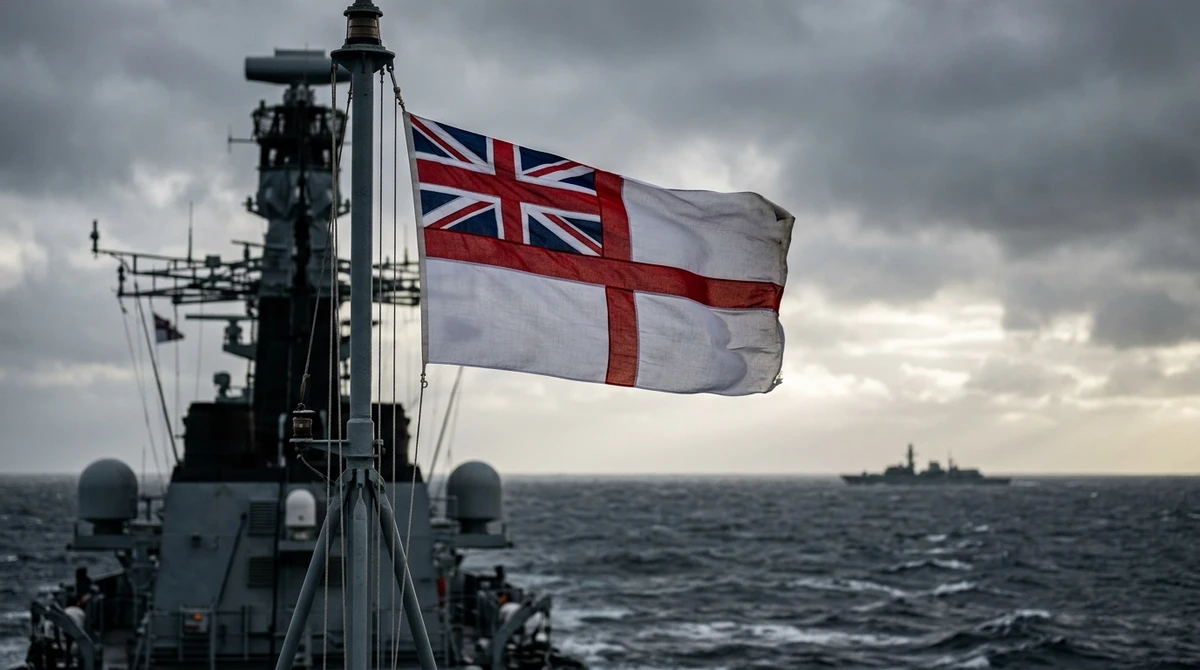
Royal Navy Down to 11 Escorts, Fewer Than Greece, as Type 45 Extension Study Is Confirmed
A written parliamentary answer on 27 August 2026 confirmed funding for a study into extending the Type 45 destroyers, as GlobalMilitary.net's 2026 snapshot lists the Royal Navy at 11 active destroyers and frigates, down from 14 a year earlier.
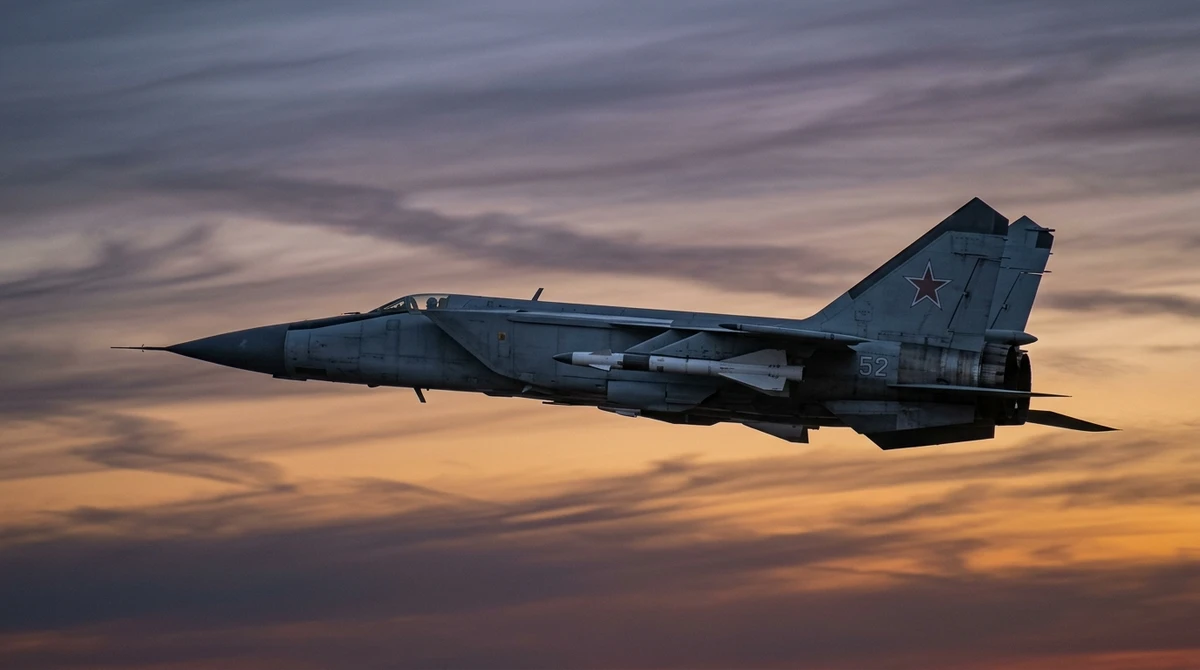
MiG-25 Defection at 50: A Soviet Pilot's Landing in Japan Exposed the Foxbat's Limits
This Sunday marks 50 years since a Soviet Air Defense Forces lieutenant flew a MiG-25P interceptor from Chuguyevka Air Base to Hakodate Airport in Hokkaido on 6 September 1976, giving the United States and Japan their first close look at the fastest combat aircraft in the Soviet inventory.
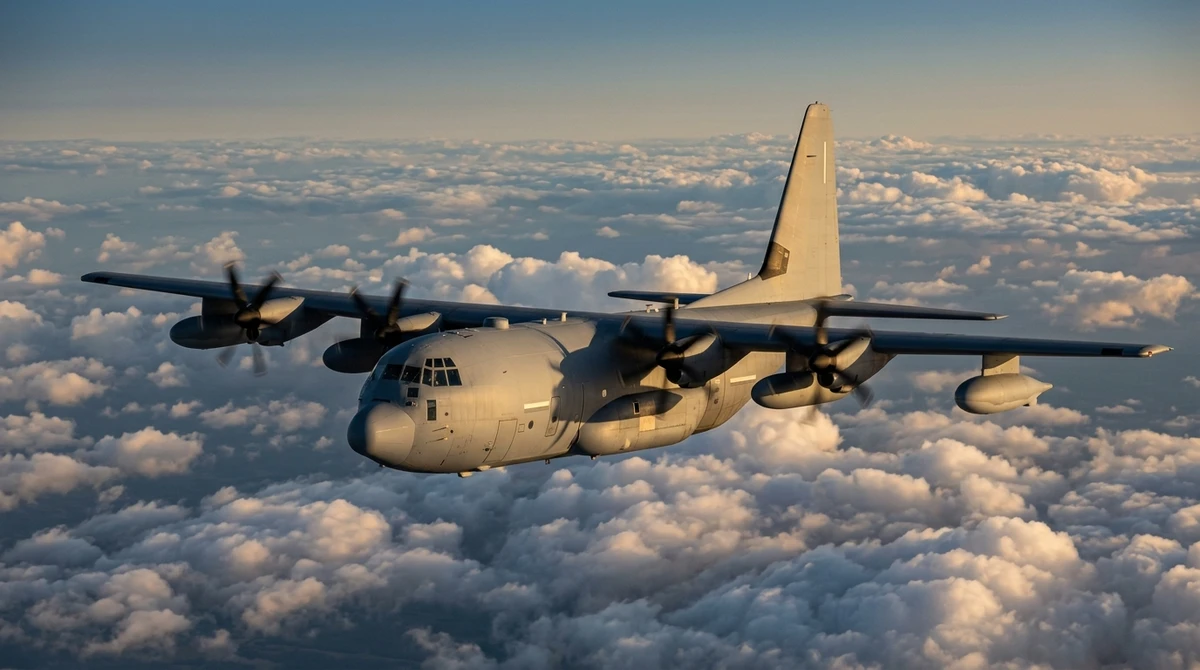
Nearly Half the World's Military Aircraft Fly Designs Older Than 1980
GlobalMilitary.net's 2026 inventories put 28,490 of the 58,339 military aircraft in 162 air arms on designs that predate 1980 — a 49.1 percent share driven as much by types still worth building, like the C-130, as by fleets frozen in time, like North Korea's.
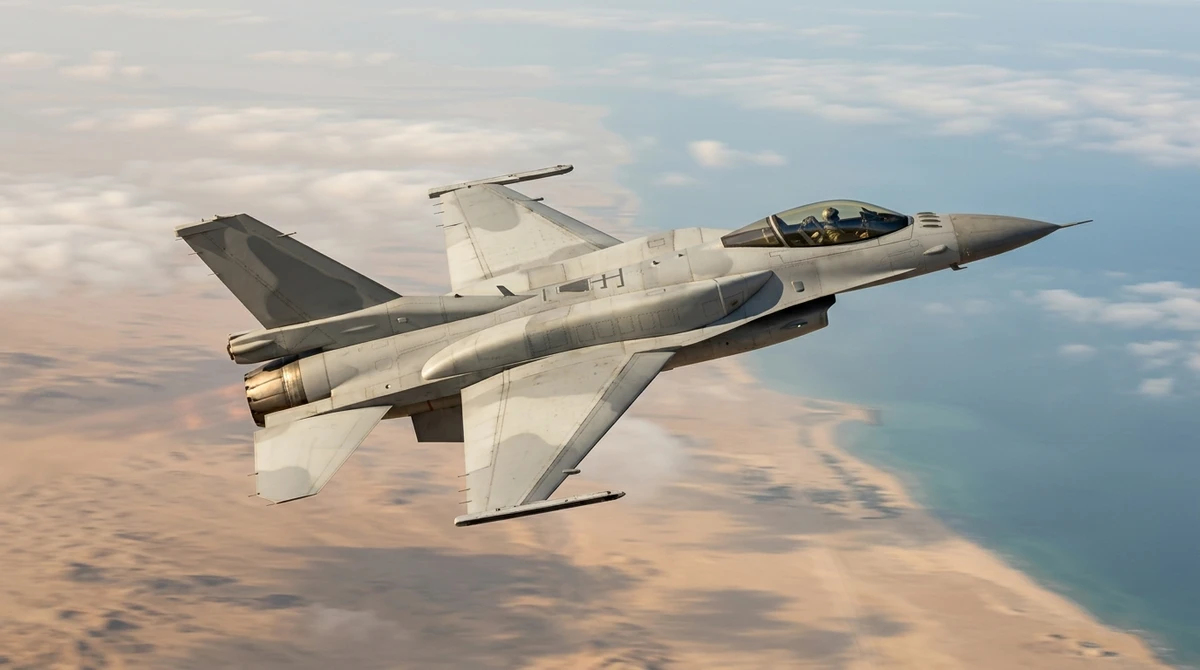
Iran Claims Drone Strikes on Al Minhad Air Base, UAE Denies Its Base Was Targeted
Iran's army said it attacked Al Minhad Air Base in the United Arab Emirates with drones on August 31, 2026. The Emirati defense ministry denied the base was targeted and said its air force engaged a drone approaching from Iran.
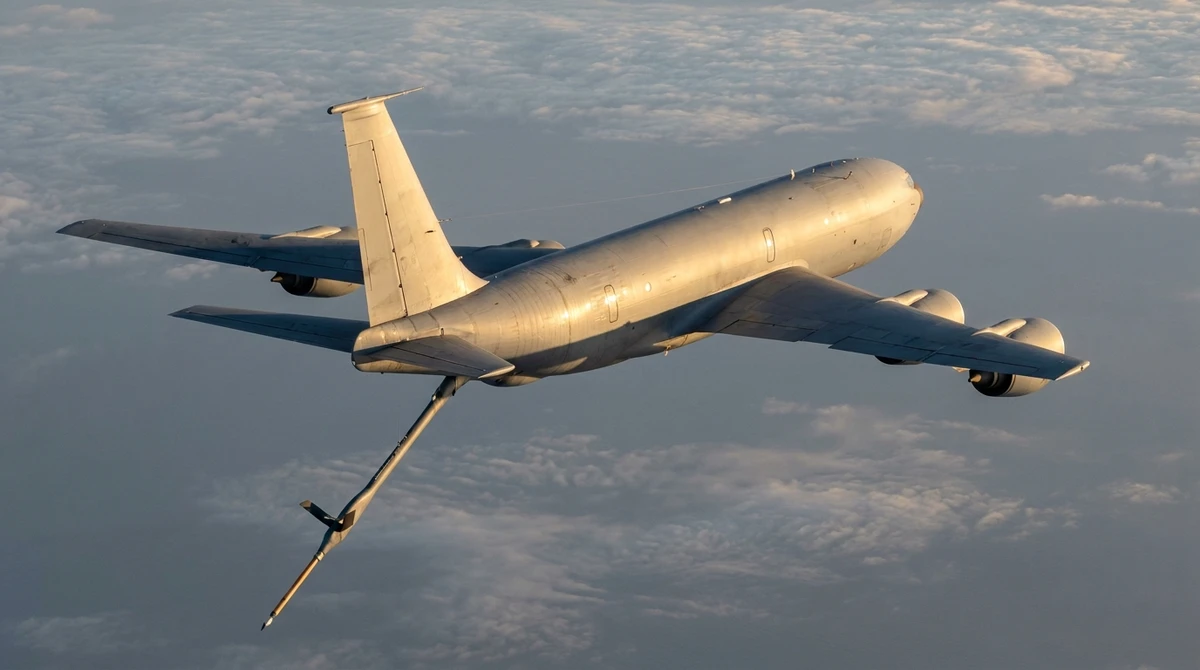
Seventy Years After Its First Flight, the KC-135 Is Still More Than Half the World's Tankers
The first Boeing KC-135A flew on August 31, 1956. Seventy years on, 385 Stratotankers remain in service with three air forces, 52 percent of the world's 740 dedicated tankers, and 2026 has already cost the fleet two airframes and damaged eight more.