Only 30 Air Forces Can Refuel in Flight, and the US Owns Three of Every Four Tankers
The US State Department cleared a $4.5 billion sale of up to four KC-46A tankers to Qatar on August 20; GlobalMilitary.net data show why the buy matters: of 111 air forces flying combat aircraft, 81 have no tanker at all, and the United States operates 561 of the world's 740.
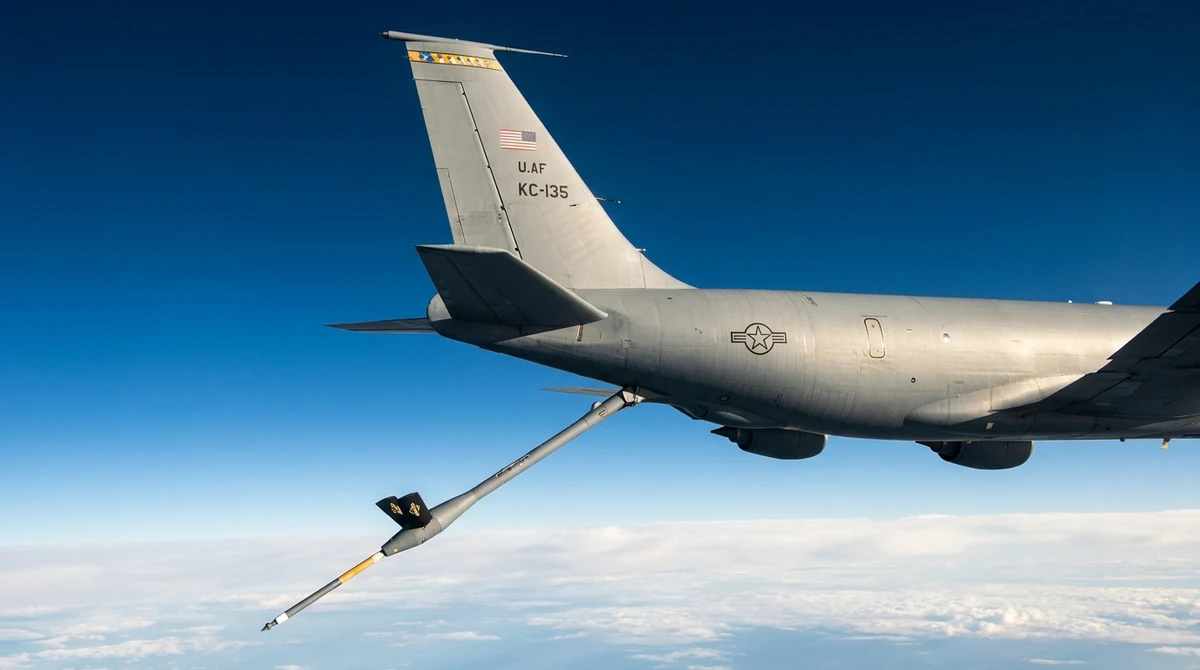
The US State Department on August 20 approved a possible $4.5 billion Foreign Military Sale to Qatar of up to four KC-46A Pegasus tankers, together with eight PW4062 engines, ten AN/ALR-69A radar warning receivers and infrared countermeasures. Congress has 30 days to object and no contract has been signed, but the request itself says something about the Qatar Emiri Air Force: it fields 124 combat aircraft, among the most modern in the Gulf, and not a single tanker to extend their reach.
Qatar is not unusual. The inventories recorded on this site for 2026 list 111 countries operating combat aircraft, and 81 of them, 73 percent, own no dedicated aerial refueling aircraft. The list of the largest tanker-less fighter fleets is striking: North Korea with 571 combat aircraft, Egypt with 557, Taiwan with 319, Iran with 295, Syria with 225, Greece with 217, Ukraine with 137, Myanmar with 132, Brazil and Qatar with 124 each. For all of them, combat radius is whatever the airframe carries internally and in drop tanks.
The other side of the ledger is just as lopsided. Thirty air forces fly 740 dedicated tankers between them, and the United States alone accounts for 561, or 75.8 percent. Russia is a distant second with 20 Il-78 Midas, followed by Saudi Arabia with 15, the United Kingdom and France with 14 each, Japan with 12 and Singapore with 11. Only seven countries outside the United States operate ten or more. Air-to-air refueling, the capability that turns a fighter force into an expeditionary one, is in effect an American monopoly with a handful of licensed practitioners.
By type, the fleet is older than the headline suggests. The KC-135 Stratotanker, which first flew on August 31, 1956, remains the most numerous tanker in the world with 385 airframes in three air forces: 376 in the United States, 7 in Turkey and 2 in Chile. The KC-130 Hercules family is the most widely spread, with 141 aircraft across 18 operators, most of them small tactical fleets refueling helicopters and fighters over short ranges. The Airbus A330 MRTT is the leading modern type outside the US, with 56 in service in ten countries and 16 more on order. The KC-46 itself has 108 in service with three operators, 100 in the US Air Force, six in Japan and two in Israel, and 92 on order, 79 of them American. Qatar would become its fourth customer.
Two caveats apply to these figures. The count covers dedicated tanker types only; transports with a buddy-refueling role such as the A400M or the KC-390, which is part of why Brazil appears on the tanker-less list, are excluded. And China is undercounted: its three Il-78s are the only tankers recorded, because the YY-20 conversion of the Y-20 airlifter is not yet carried as a separate type in this database, although the PLA Air Force has been fielding it since 2019. Even with a generous estimate for the YY-20, China's tanker fleet remains a small fraction of America's.
The American figure is not static either. The US Air Force plans to retire 14 KC-135s in fiscal year 2026 while holding its tanker floor at 466 aircraft, replacing Stratotankers one for one with Pegasus deliveries into the late 2030s and keeping the KC-135 in service until at least 2050, according to Air & Space Forces Magazine. The KC-46 program has grown from 179 aircraft to a planned 263. For the rest of the world the arithmetic is simpler: a country that wants to fly its fighters beyond their unrefueled radius must either buy from the two Western tanker builders, Boeing and Airbus, or accept the limit. Qatar, which already flies Rafale, F-15QA and Typhoon fighters bought from three different countries, has evidently chosen the first option.
More News
All news →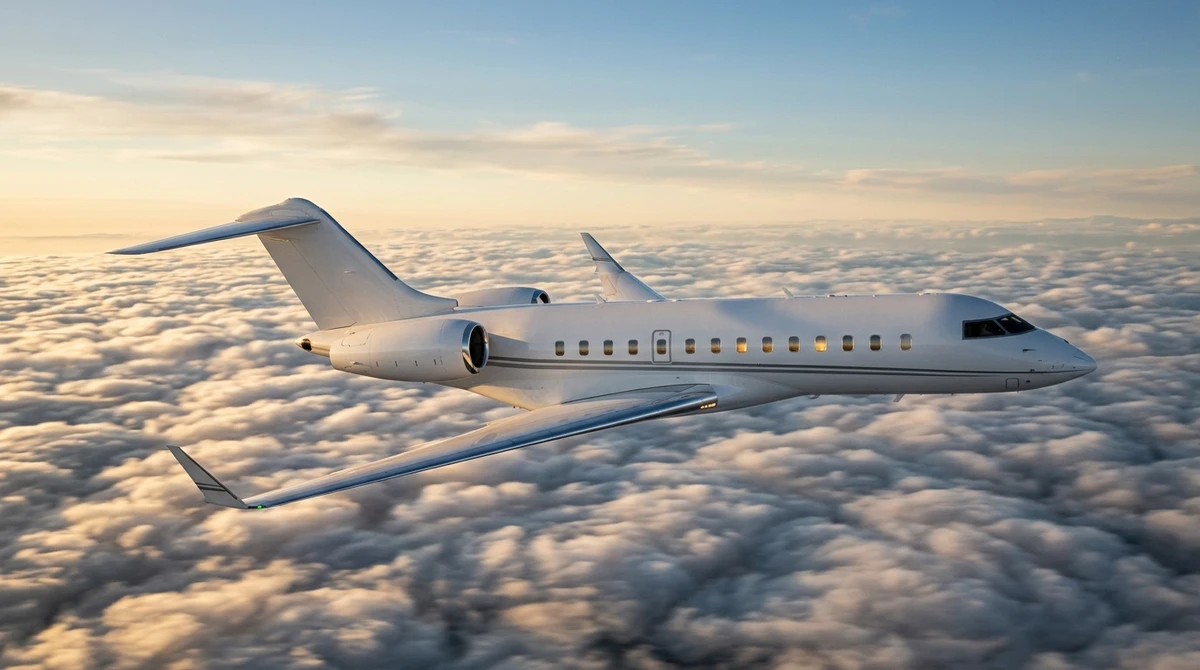
Bombardier Global Express Turns 30 With More Military Jets on Order Than in Service
Thirty years after its first flight from Toronto on October 13, 1996, the Bombardier Global Express has become a platform for military special-mission aircraft, and GlobalMilitary.net's inventory data now counts more Global-based military aircraft on order than in service.

First HACM Hypersonic Cruise Missile Flight Test Unit Released Over Australia
The U.S. Air Force says a Hypersonic Attack Cruise Missile flight test unit was released by the Royal Australian Air Force over an Australian test range, without disclosing the date, the launch aircraft or whether the scramjet-powered weapon achieved powered flight.
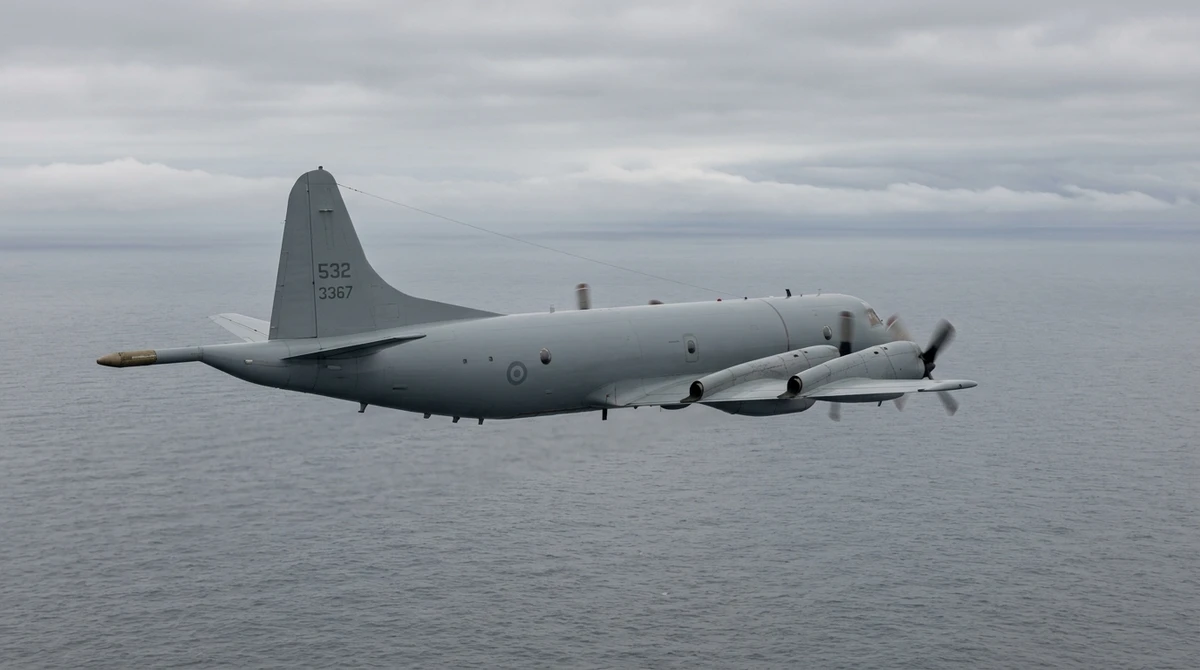
P-3 Orion Fleet Down to 101 Aircraft in 12 Countries, Roughly Half Its 2022 Size
GlobalMilitary.net's inventory data counts 101 P-3 Orions in military service across 12 countries, down from 211 in 16 countries in its 2022 snapshot, as US agencies retire special-mission Orions and Japan draws down the largest remaining fleet.
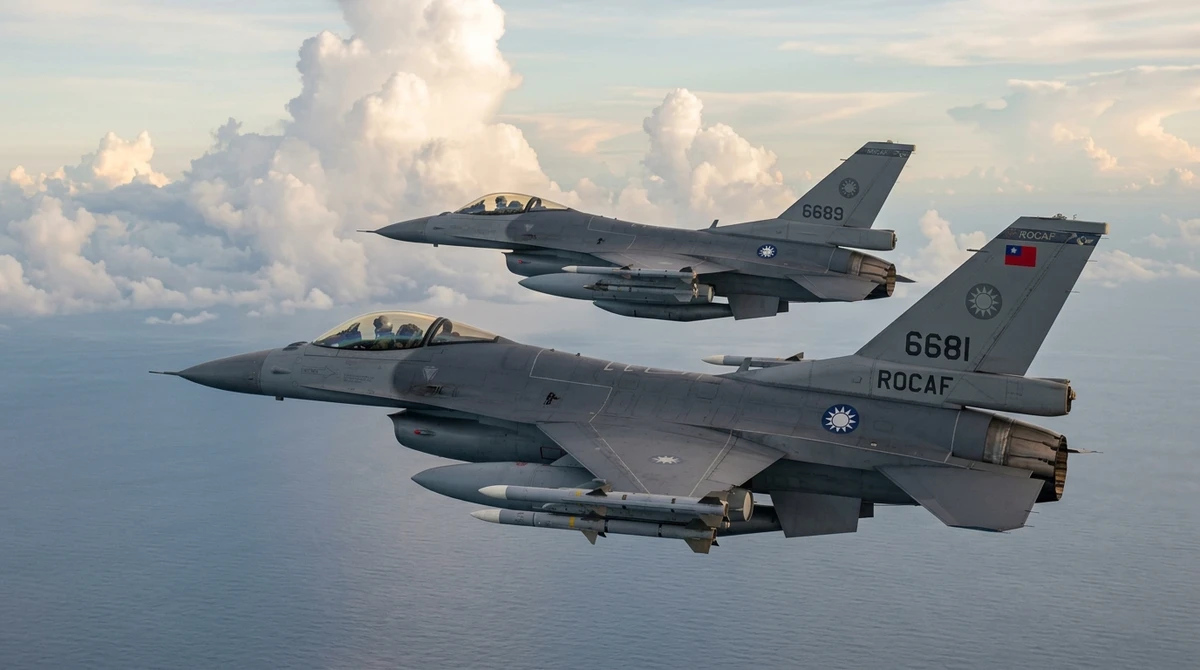
Taiwan Receives Its First Two F-16 Block 70s From the Largest F-16 Order Still Outstanding
The first two new-build F-16C Block 70 fighters landed at Chihhang Air Base on October 2, 2026, beginning deliveries on a 66-jet order that GMN's inventory data shows is the largest open F-16 order anywhere and that would lift Taiwan from seventh to fifth among F-16 operators on current figures.

Northrop Grumman's YFQ-48A Talon Blue Completes First Fully Autonomous Flight at Mojave
Northrop Grumman said on October 3, 2026 that its company-funded YFQ-48A Talon Blue had taxied, taken off, maneuvered and landed without pilot input at Mojave, California, as the US Air Force prepares to select designs for Increment 2 of its Collaborative Combat Aircraft program.
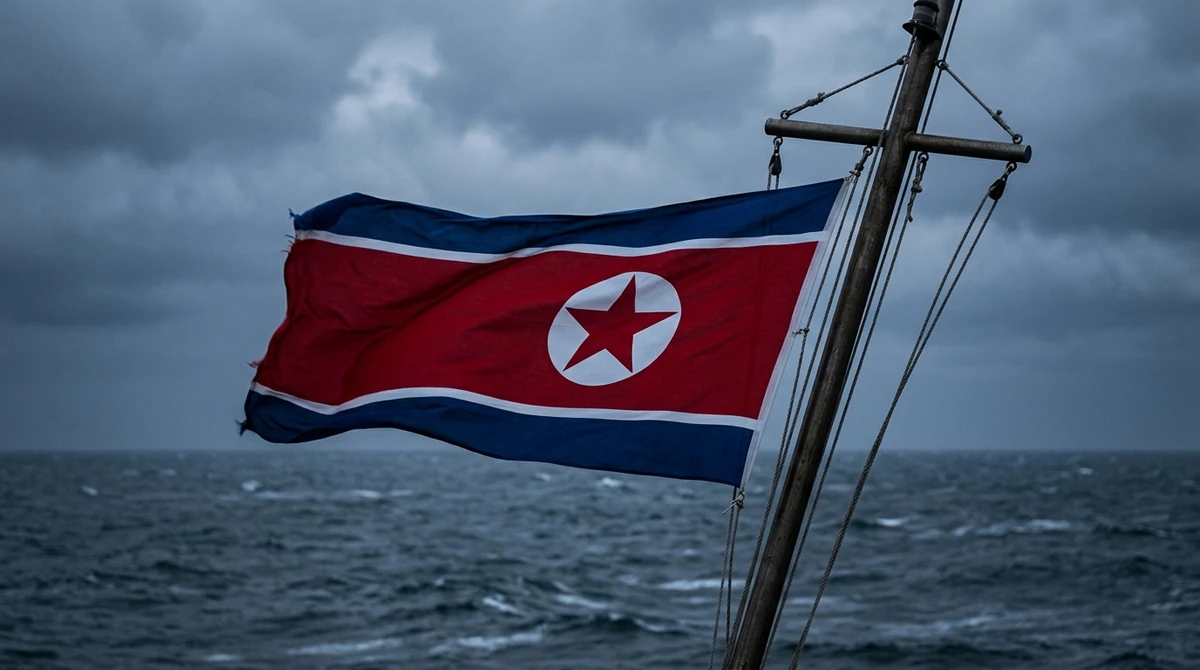
North Korea Says Hypersonic Missile Drill Hit Target 1,000 km Away; Seoul Tracked More Than 700 km
North Korea says a Saturday launch from the Wonsan area was a drill of its hypersonic strategic weapon system that struck a target 1,000 km away; South Korea's Joint Chiefs of Staff tracked a single ballistic missile flying more than 700 km into the East Sea.