Trump Orders Steam Catapults Back on Ford-Class Carriers, Starting With USS Doris Miller
A National Security Presidential Memorandum signed on August 13, 2026 gives the Pentagon 60 days to plan replacing the Electromagnetic Aircraft Launch System and Advanced Weapons Elevators with steam and hydraulic systems on CVN-81, the fourth Ford-class carrier.
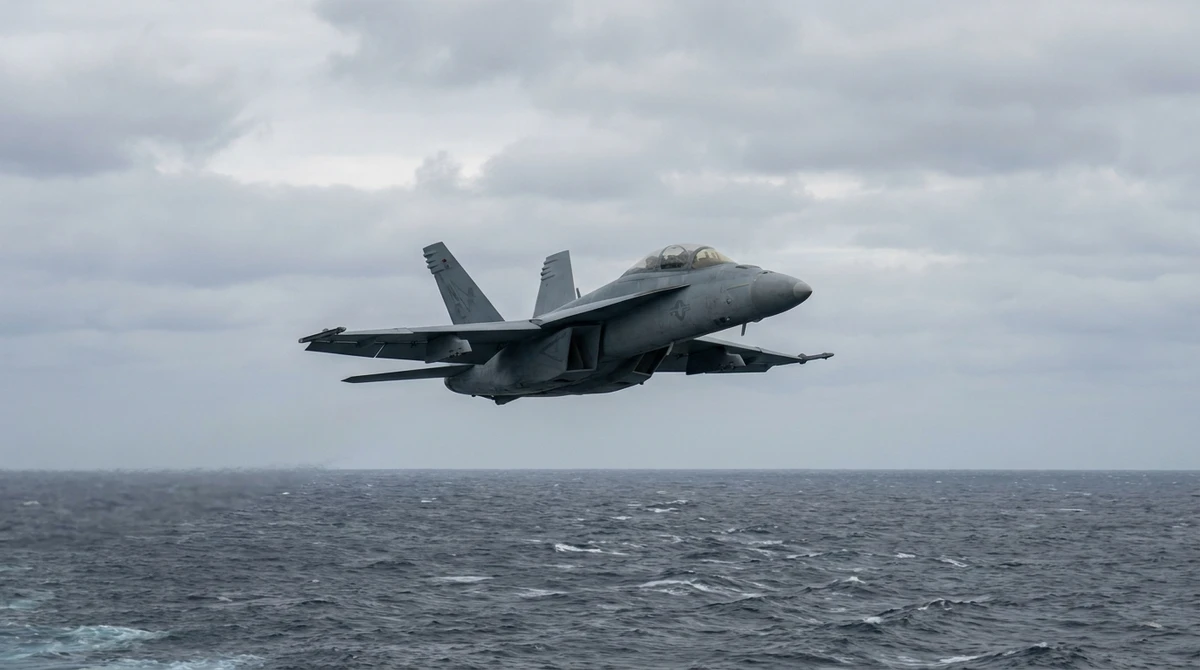
President Donald Trump signed a National Security Presidential Memorandum on August 13, 2026 ordering the Pentagon to plan the removal of the Electromagnetic Aircraft Launch System (EMALS) from future Gerald R. Ford-class aircraft carriers and a return to steam catapults, reversing the most consequential technology transition the US Navy has attempted in carrier aviation since the 1950s.
The instruction is unusually specific for a presidential directive. Within 60 days, the Secretary of War, in consultation with the Secretary of the Navy, must provide "a plan on the required measures to replace the Electromagnetic Aircraft Launch System (EMALS) and Advanced Weapons Elevators with steam and hydraulic systems for the construction of CVN-81, including timelines and resourcing requirements." CVN-81, the future USS Doris Miller, is the fourth ship of the class and is already under construction at HII's Newport News Shipbuilding. USS Gerald R. Ford, the future USS John F. Kennedy and USS Enterprise are unaffected and keep EMALS.
General Atomics, which builds EMALS and the Advanced Arresting Gear, told the Associated Press the decision "warrants careful reconsideration," adding that its equipment for Doris Miller is close to 50 percent complete and that "changing course now would introduce significant cost, schedule, and integration risks." Bryan Clark of the Hudson Institute told Breaking Defense that "restoring steam lines will require extensive redesign of the ship." The Ford class was built around electrical distribution rather than steam, with EMALS spanning 48 separate construction zones; the piping, condensate plant and manning spaces a steam catapult needs were deliberately designed out. USS George H.W. Bush (CVN-77), commissioned in 2009, was the last American carrier delivered with steam catapults, and no new C-13 sets have been built since. The Associated Press reports the change would likely cost billions of dollars.
The operational record has moved since Trump first attacked the system in a 2017 interview, when he said the Navy was "going to goddamned steam." EMALS and the electric weapons elevators were persistent trouble spots through the Ford's construction and early years, as successive Pentagon test reports documented, but by March 2026 the ship had logged 36,863 electromagnetic launches, and it returned to Norfolk in May from a 326-day deployment, the longest by a US carrier since Vietnam, during which Carrier Air Wing Eight flew more than 5,760 hours and made some 12,200 launches. EMALS cut the crew needed to run a catapult from about a dozen sailors to two, part of why a Ford-class ship sails with roughly 2,600 core crew against about 3,200 on a Nimitz-class carrier — a difference that matters with about 20,000 billets unfilled across the fleet at the start of the year. The system's fine control over launch energy is also what lets one catapult shoot an F/A-18E/F Super Hornet at maximum weight and, at the other end of the envelope, a light unmanned aircraft such as the MQ-25 Stingray — the first of several uncrewed types expected aboard carriers over a service life running into the 2080s.
The timing runs against the trend elsewhere. China, ranked second in the global military power ranking, commissioned the 80,000-tonne carrier Fujian in November 2025 with three electromagnetic catapults and has launched the J-15, the J-35 and the KJ-600 airborne early warning aircraft from them. France has selected EMALS and the Advanced Arresting Gear for the nuclear-powered carrier that will replace Charles de Gaulle.
The catapult provision sits inside a broader memorandum aimed at US naval shipbuilding, which also directs work on a fifth public shipyard sited near the Pacific Fleet, up to three additional submarine drydocks, a new component repair center for spare parts, and greater use of foreign yards to build warships and auxiliaries while transferring production techniques to American shipbuilders. The same document criticizes "iterative design change procedures" as a cause of cost growth, delays and cancellations.
Defense Secretary Pete Hegseth has 60 days on the catapult study and 120 days on a wider submarine and carrier readiness proposal. The memorandum arrives as Congress weighs a $95 billion military funding package that covers the 2026 Iran conflict, whose cost Hegseth put at $37.5 billion last month; the House has adopted the bills and the Senate takes them up in September. Doris Miller is not due in service until the 2030s.
More News
All news →
Northrop Grumman's YFQ-48A Talon Blue Completes First Fully Autonomous Flight at Mojave
Northrop Grumman said on October 3, 2026 that its company-funded YFQ-48A Talon Blue had taxied, taken off, maneuvered and landed without pilot input at Mojave, California, as the US Air Force prepares to select designs for Increment 2 of its Collaborative Combat Aircraft program.
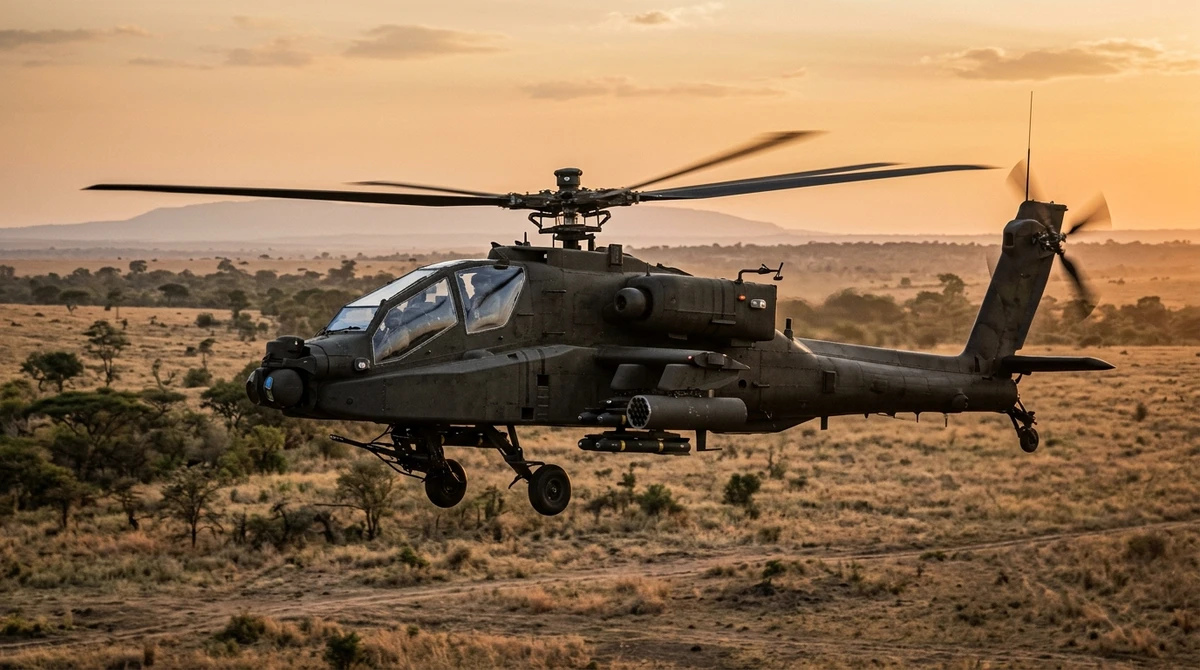
Australia Retires Its Tigers, Leaving Three Operators Among the World's 3,623 Attack Helicopters
The Australian Army has retired its Tiger attack helicopters, marking the fleet's sundown in Darwin on 30 September and leaving France, Germany and Spain as the only users; GlobalMilitary.net data counts 3,623 active attack helicopters in 81 countries.
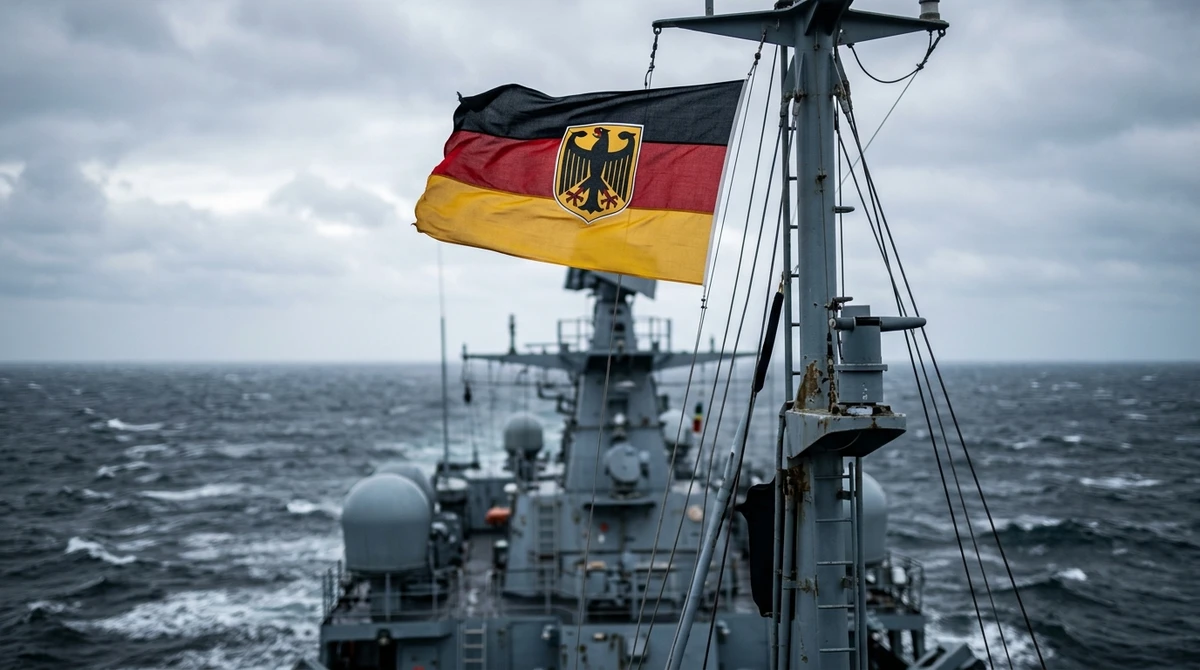
Germany Contracts Diehl to Arm Its Four F125 Frigates With IRIS-T SLM Air Defense Missiles
Diehl Defence and Germany's BAAINBw procurement office signed a contract on October 2, 2026 to adapt the IRIS-T SLM surface-to-air missile system for the German Navy's four Baden-Württemberg-class frigates, which were completed without a medium-range air defense missile.
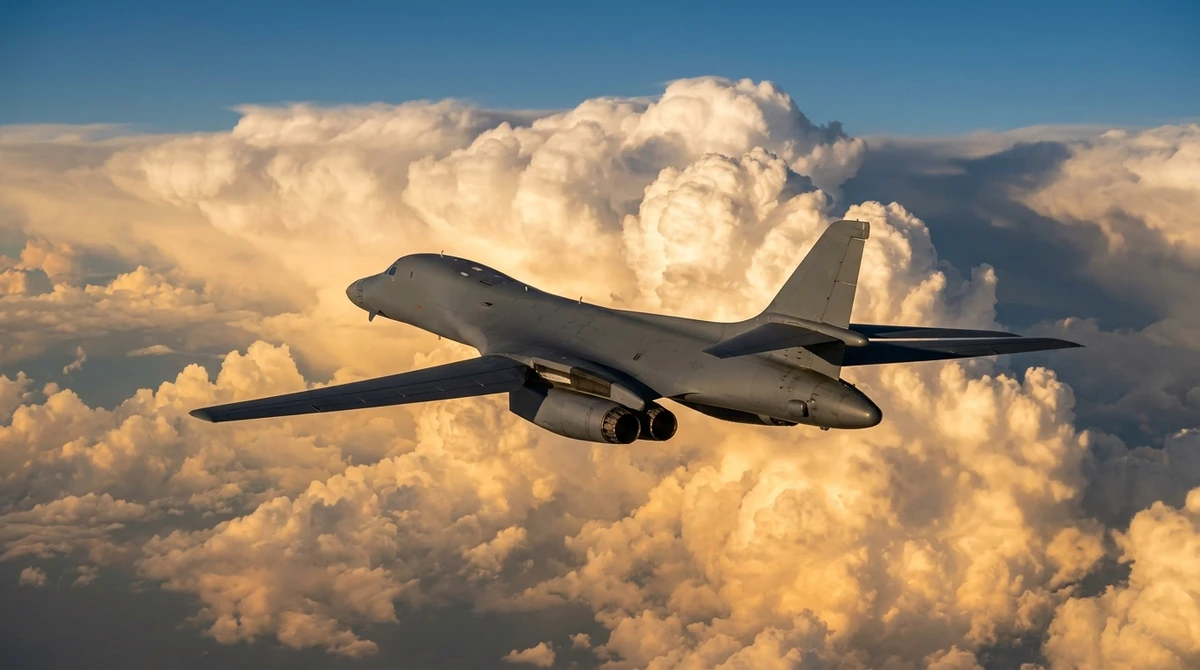
B-1B Lancer Reaches 40 Years in Service as US Air Force Plans to Keep It Flying Through 2037
The B-1B Lancer achieved initial operational capability on 1 October 1986; four decades later, 45 of the 100 bombers built remain in US Air Force service at Ellsworth and Dyess, and modernization funding is now planned to keep the type relevant through 2037.
US Navy Awards Raytheon Up to $24.4 Billion Multiyear Contract for SM-6 Missiles
The US Navy on Oct. 1, 2026 awarded RTX's Raytheon unit a multiyear contract worth up to $24.4 billion for Standard Missile-6 interceptors, a five-year deal with two option years whose quantities remain undisclosed and whose funding Congress has yet to appropriate.
Ramjet vs Rocket: How the Meteor Keeps Thrusting to the Target While the AMRAAM Coasts
The Pentagon's AMRAAM contract of up to $20.7 billion, announced on September 28, 2026, expands output of a missile whose rocket burns early and then coasts; Europe's Meteor uses a throttleable ramjet that MBDA says thrusts until intercept.