US Army Takes Delivery of First XM1776, Hanwha's Wheeled K9-Based Howitzer to Replace M777 in Select Units
The US Army has accepted the first prototype of its Mobile Tactical Cannon, a wheeled 155 mm howitzer derived from Hanwha's K9, and named it the XM1776 at the AUSA annual meeting in Washington on October 12, 2026, less than a year after issuing the solicitation.
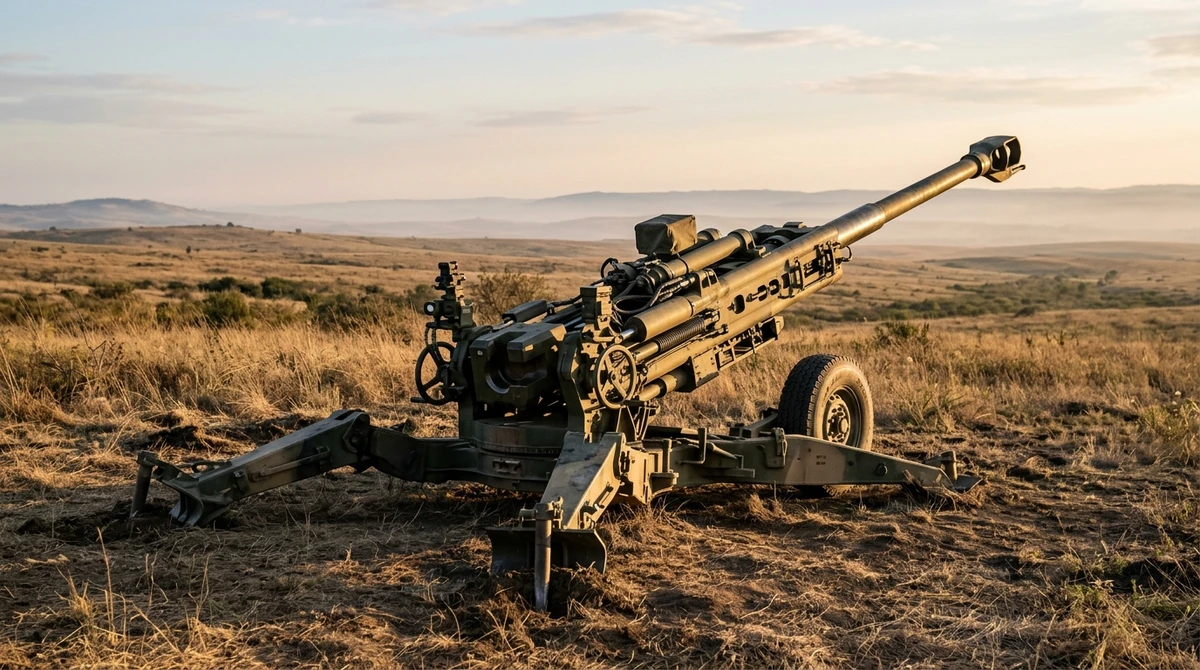
The US Army has taken delivery of the first prototype of its Mobile Tactical Cannon, the wheeled 155 mm self-propelled howitzer that Hanwha Defense USA derived from the K9, and on October 12, 2026 gave the system an official designation, XM1776, at the Association of the United States Army (AUSA) annual meeting in Washington. Defense News reported the delivery the same day, less than a year after the Army issued its solicitation, and an Army spokesperson confirmed to Task & Purpose that the service accepted the first prototype in October.
The designation was announced by the director of the Army's Rapid Capabilities and Critical Technologies Office, who said the name is meant to "reflect the spirit of innovation, independence, and determination," according to Task & Purpose. The "X" prefix identifies equipment still in development and testing. The system had already been shown on Capitol Hill at an "Army Modernization Day" earlier in October, Defense News reported.
Hanwha won the competition in August 2026, when the Army awarded a four-year Other Transaction Authority prototyping agreement worth up to nearly $263 million for up to 18 systems: six base prototypes on an accelerated schedule, with options for up to 12 more, according to Defense News and Task & Purpose. GMN reported the selection on August 22. An Army offensive fires official told Defense News the service had deliberately avoided a new design. "In this case, we were not going after a clean-sheet design; we were looking for mature and available technologies," the official said. "We're excited to have that and get ready to test it."
The XM1776 mounts a 155 mm gun on a wheeled truck chassis. Its crew of three can fire and displace without leaving the cab, and ammunition resupply is automated and operated from the cab through turret cameras, with manual firing kept as a fallback, Task & Purpose reported. Hanwha's head of land systems artillery told the outlet the gun can fire up to nine rounds per minute, against four for the M777 towed howitzer, and reach up to 37 miles, against 20 miles for the M777 with specific ammunition. Defense News puts the M777's range at under 24 km, or up to 40 km with the Excalibur guided round, and credits the K9's 52-caliber gun with more than 60 km. These are manufacturer claims and published figures; by the fires official's own account, Army testing of the prototype is still ahead. GMN's K9 vs M777 comparison sets the two guns' specifications side by side.
The M777 has been in US service since 2005, according to Defense News. GMN's 2026 inventory lists 857 M777 towed howitzers across six armies: 391 in the US Army's artillery inventory, 150 with Ukraine, 145 with India, 90 with Saudi Arabia, 48 with Australia and 33 with Canada. The K9 entered South Korean service in 1999 and is used by 10 other countries, Defense News reported. In GMN's inventory, K9-family guns are in active service with nine armies, led by the Republic of Korea Army with 1,240; Poland fields 218, with 606 more on order. The balance between towed and self-propelled guns in world fleets is the subject of GMN's towed versus self-propelled artillery analysis.
On the industrial side, Hanwha is building an integration and test site in Opelika, Alabama; the solicitation required bidders to onshore production within two years, Defense News reported.
The Army plans to field the system first to Stryker Brigade Combat Teams, then to Mobile and Infantry Brigade Combat Teams, with a ready version targeted for 2031, according to Defense News. The Army has said that selection does not guarantee fielding and that the XM1776 would replace the M777 only in "select formations," not across the force, Task & Purpose reported. In late August the Army also published a solicitation for a tracked version, which Hanwha says it is pursuing as well, according to Defense News.
More News
All news →
Why Hypersonic Glide Vehicles, Scramjet Cruise Missiles and the Kinzhal Are Three Different Weapons
Two flight tests in one week, the US Air Force's scramjet-powered HACM over Australia and South Korea's first hypersonic glide vehicle on October 8, shared one word for different machines; what sets them, and Russia's Kinzhal, apart is altitude, propulsion and maneuver, not speed.
Lockheed Unveils PAC-3 Edge, a Next-Generation Patriot Interceptor for the Army's Future Interceptor Program
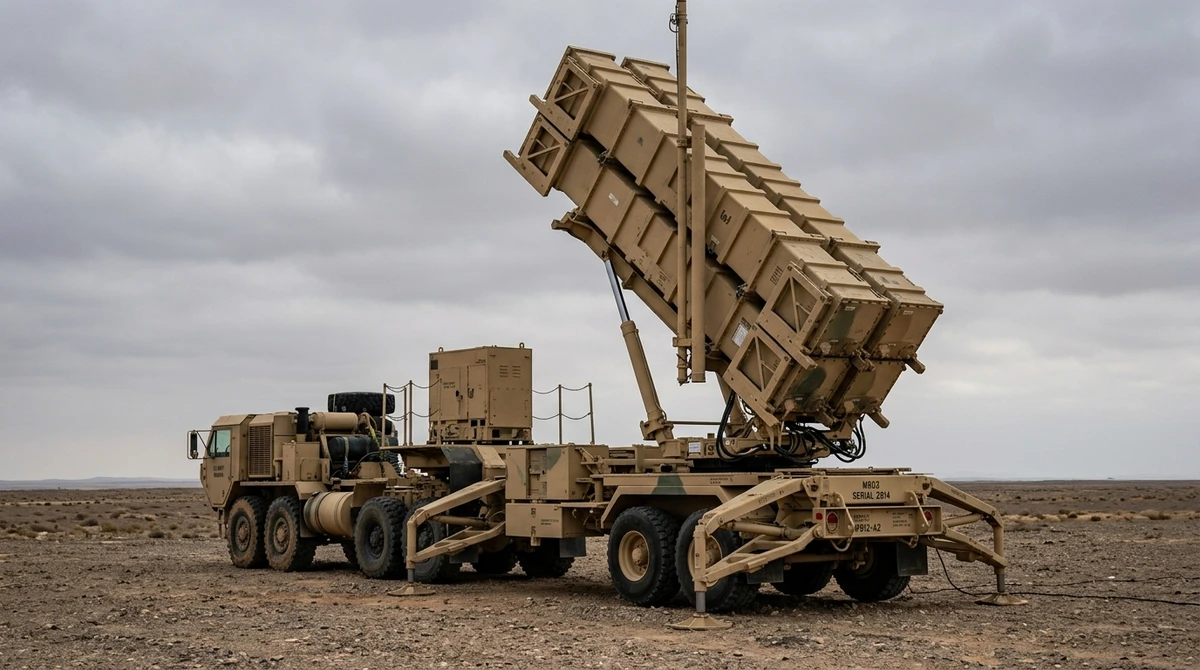
Lockheed Martin on October 9 unveiled PAC-3 Edge, its candidate for the US Army's Future Interceptor program and planned successor to the PAC-3 MSE Patriot missile, which it says the Army has moved to the next development stage, with testing planned for 2027 and fielding targeted by 2031.
Navy Plans Sole-Source Lockheed Contract to Integrate LRASM Anti-Ship Missile on the B-52
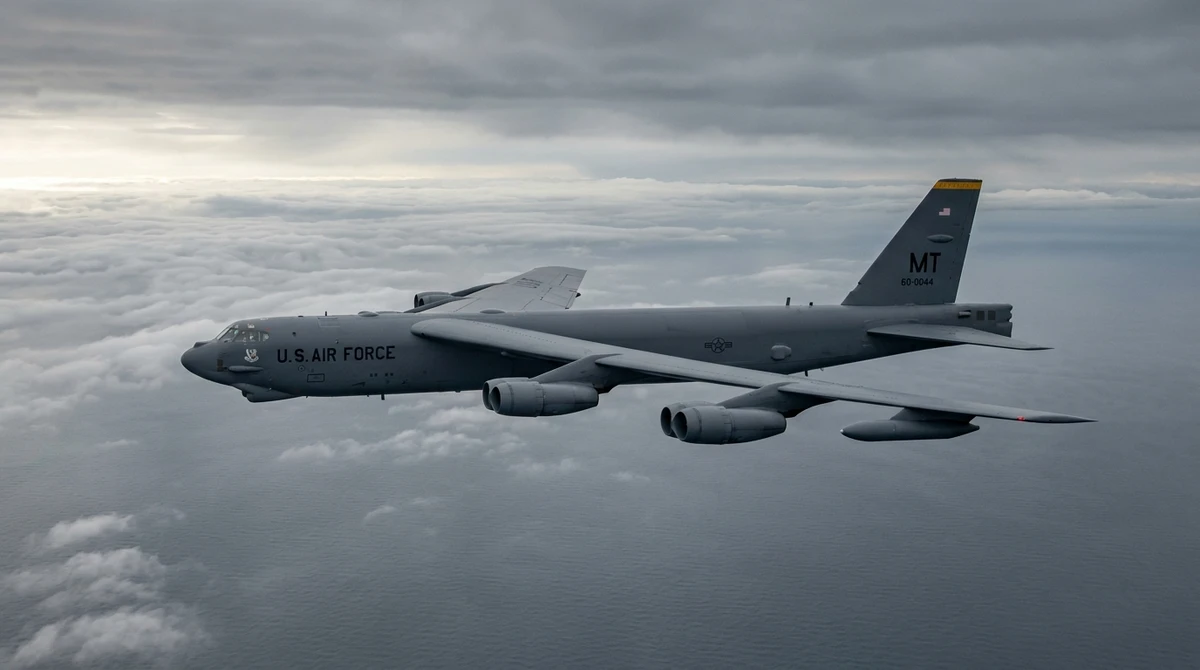
Naval Air Systems Command said in an October 7 notice that it intends to negotiate a sole-source delivery order with Lockheed Martin to integrate the AGM-158C Long-Range Anti-Ship Missile on the US Air Force's B-52 bomber, The War Zone and Air & Space Forces Magazine reported.
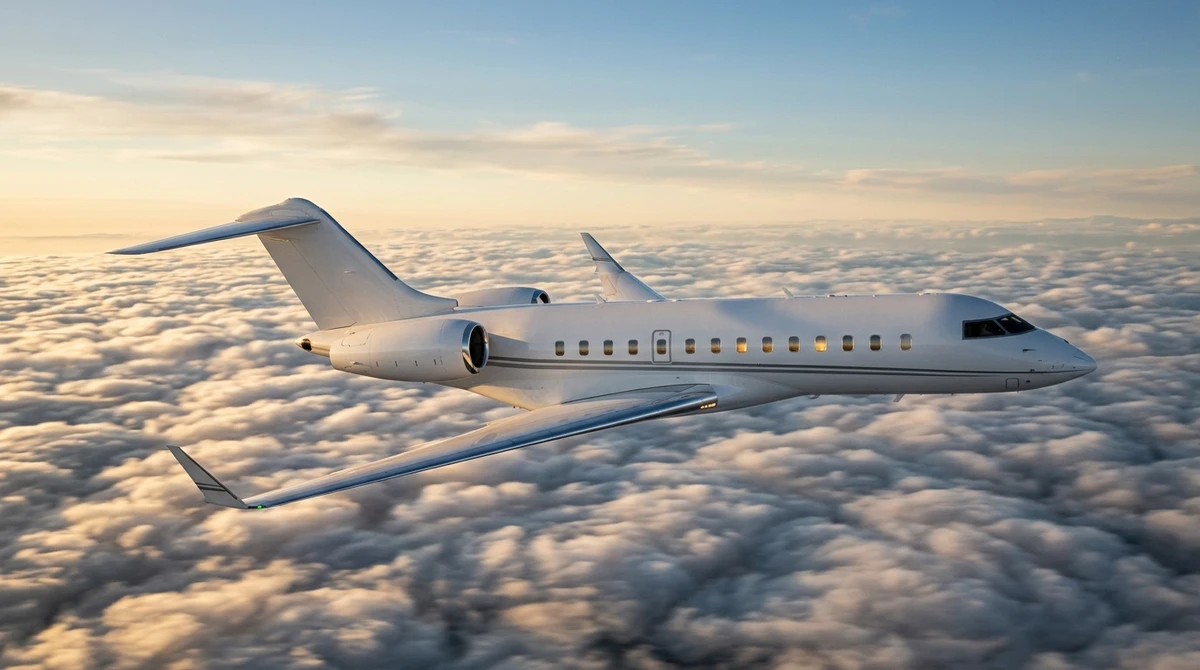
Bombardier Global Express Turns 30 With More Military Jets on Order Than in Service
Thirty years after its first flight from Toronto on October 13, 1996, the Bombardier Global Express has become a platform for military special-mission aircraft, and GlobalMilitary.net's inventory data now counts more Global-based military aircraft on order than in service.

South Korea Flight-Tests Its First Hypersonic Glide Vehicle, Presidential Office Says
Seoul says a hypersonic glide vehicle separated from its booster, maneuvered and hit a test target in a first flight test on October 8, watched in person by President Lee Jae Myung, five days after North Korea's own hypersonic launch.
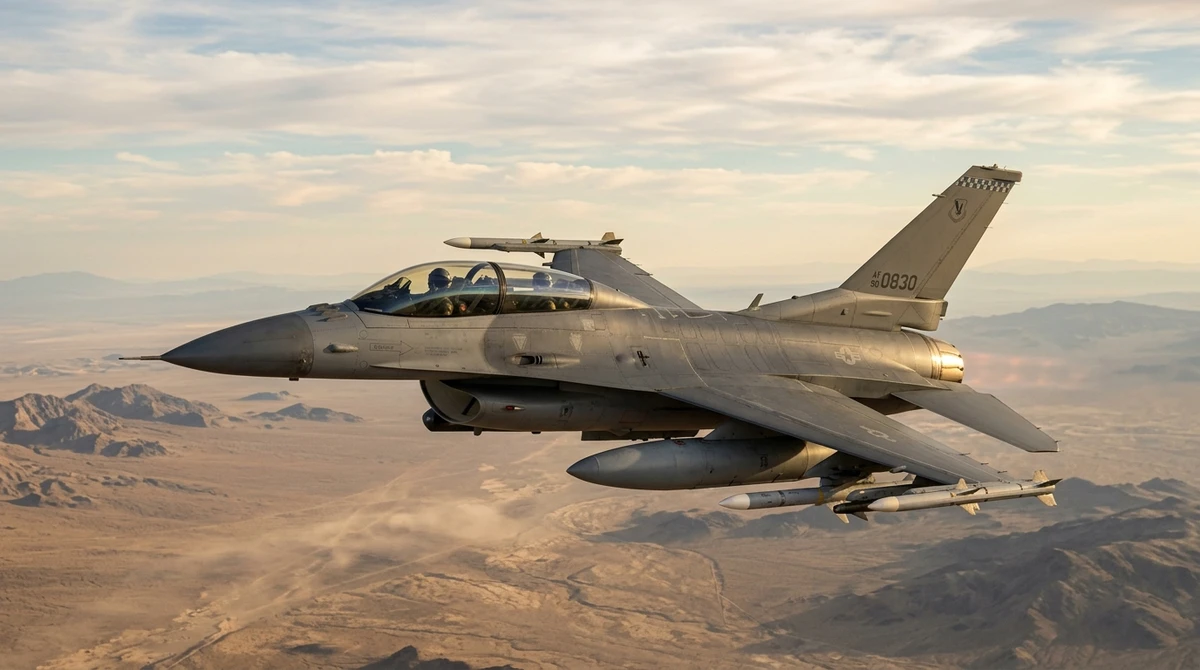
Morocco's First F-16 Block 72 Makes Maiden Flight, the First Pratt & Whitney-Powered Viper to Fly
Lockheed Martin said on October 6 that the Royal Moroccan Air Force's first F-16 Block 72, a two-seat F-16D, had flown from its Greenville, South Carolina, plant, the first flight of the Pratt & Whitney-engined version of the latest-generation Fighting Falcon.