US Navy Sinks Ex-USS Peleliu at RIMPAC With Its First Kamikaze Sea Drone Strike
An uncrewed Global Autonomous Reconnaissance Craft detonated against the hull of the decommissioned amphibious assault ship ex-USS Peleliu on 17 July, the first live-fire use of a US Navy attack drone boat against a large warship, during the RIMPAC 2026 sinking exercise north of Kauai.
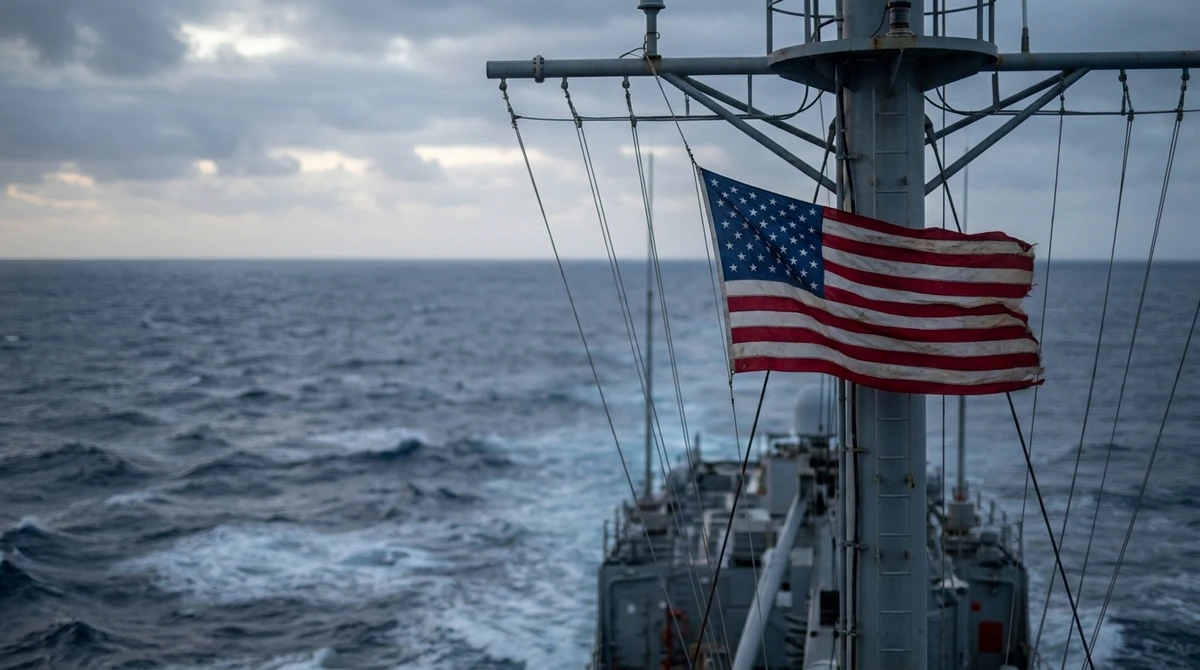
The US Navy destroyed the decommissioned amphibious assault ship ex-USS Peleliu (LHA-5) with an uncrewed attack boat on 17 July 2026, the first time the service has used a kamikaze sea drone against a large warship in a live-fire event. The strike took place during the sinking exercise program run as part of Rim of the Pacific (RIMPAC) 2026 off Hawaii.
Two Global Autonomous Reconnaissance Craft from Unmanned Surface Vessel Division 32 were present, though only one carried out the destructive end-to-end attack, according to The War Zone. Video recorded by the observing craft shows the drone boat running past holes already torn in the hull by Harpoon, Spike and LRASM missiles before detonating at the waterline. The division's commanding officer said the unit was "honored" to execute the Navy's first such strike at the exercise.
The US Navy said ships and aircraft sank Peleliu in roughly 15,000 feet of water more than 50 nautical miles north of Kauai. The same series of sinking exercises claimed the decommissioned cruiser ex-USS Mobile Bay, which took its final blow from a Mk 48 torpedo fired by the Canadian submarine HMCS Corner Brook. Units from Australia, Canada, Italy, Japan, New Zealand and Spain also took part in targeting and live firing.
The GARC is a small unmanned surface vessel built by BlackSea Technologies, about 4.8 m long and 2.2 tonnes at full load, with a range of roughly 680 nautical miles. A removable center panel allows payloads to be swapped between missions; The War Zone puts the payload capacity at 1,000 pounds and notes that the warhead weight used at RIMPAC has not been disclosed. Anduril's Lattice autonomy software directed the craft during the run.
USVDIV-32, stood up earlier in 2026, is the Navy's first dedicated uncrewed surface attack unit and is manned in part by the newly created Robotics Warfare Specialist rating. It had previously appeared at BALTOPS 2026 and UNITAS 2025 in counter-drone training roles. The RIMPAC strike came five days after the first acknowledged combat use of American kamikaze sea drones, when three Saronic Corsair craft struck Iranian targets at Bandar Abbas on 12 July.
Peleliu was the fifth and last ship of the LHA-1 Tarawa class, a 254 m, 39,967-tonne design introduced in 1976 and built in five units. She entered service in 1980, was decommissioned at San Diego on 31 March 2015 and had since been held in the inactive reserve at Pearl Harbor, where she served as a damage-control test platform during the REPTX exercise in April 2026. The United States, which tops the global military power ranking, has used sinking exercises for decades to test weapons against realistic full-size targets.
The Navy has not said when the next GARC live-fire event will take place, nor whether the craft will move from test article to a standing strike option. The growth of USVDIV-32 and the creation of a dedicated enlisted rating suggest the service intends to keep expanding the capability.
More News
All news →
First HACM Hypersonic Cruise Missile Flight Test Unit Released Over Australia
The U.S. Air Force says a Hypersonic Attack Cruise Missile flight test unit was released by the Royal Australian Air Force over an Australian test range, without disclosing the date, the launch aircraft or whether the scramjet-powered weapon achieved powered flight.
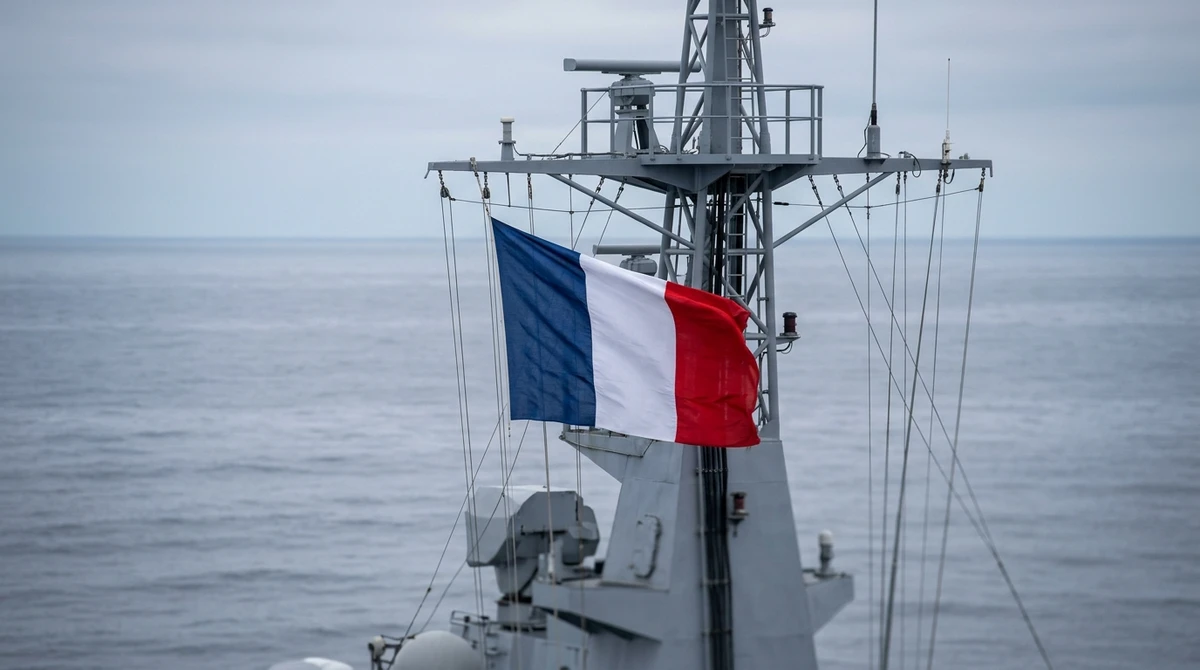
France Fires M51.3 Nuclear-Capable Missile From a Submarine for the First Time
The French Navy ballistic-missile submarine Le Vigilant launched an M51.3 without a nuclear warhead off Finistère, western France, on October 6, 2026, the first submarine firing of the missile's latest version, Defense News reported.
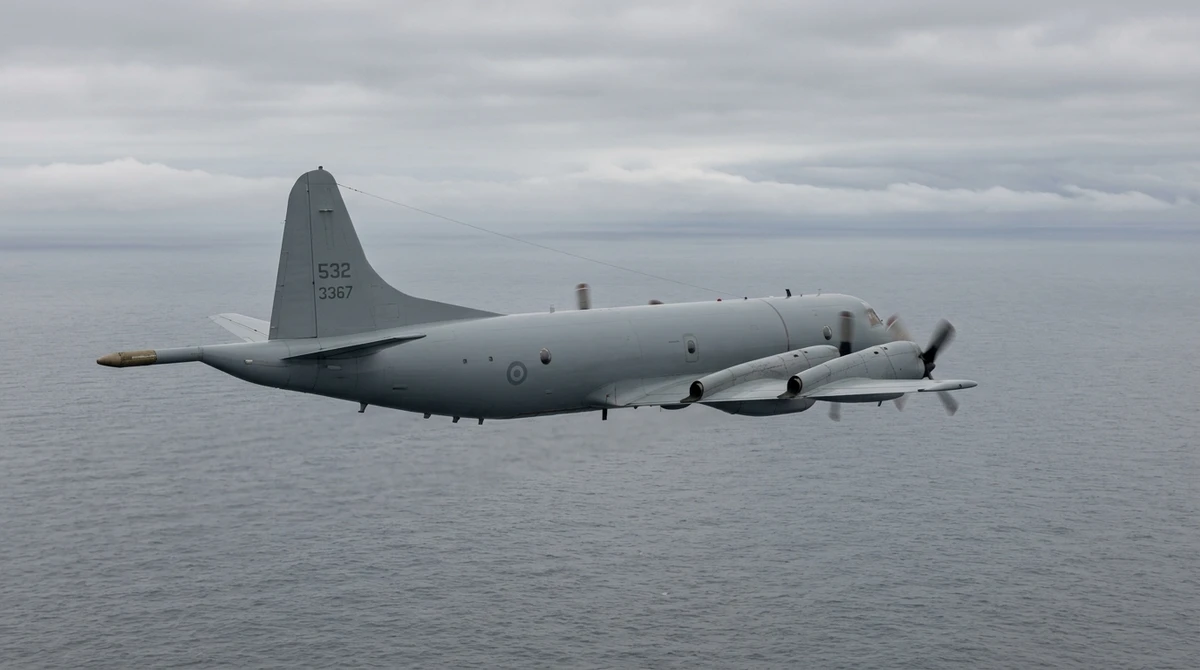
P-3 Orion Fleet Down to 101 Aircraft in 12 Countries, Roughly Half Its 2022 Size
GlobalMilitary.net's inventory data counts 101 P-3 Orions in military service across 12 countries, down from 211 in 16 countries in its 2022 snapshot, as US agencies retire special-mission Orions and Japan draws down the largest remaining fleet.

Northrop Grumman's YFQ-48A Talon Blue Completes First Fully Autonomous Flight at Mojave
Northrop Grumman said on October 3, 2026 that its company-funded YFQ-48A Talon Blue had taxied, taken off, maneuvered and landed without pilot input at Mojave, California, as the US Air Force prepares to select designs for Increment 2 of its Collaborative Combat Aircraft program.
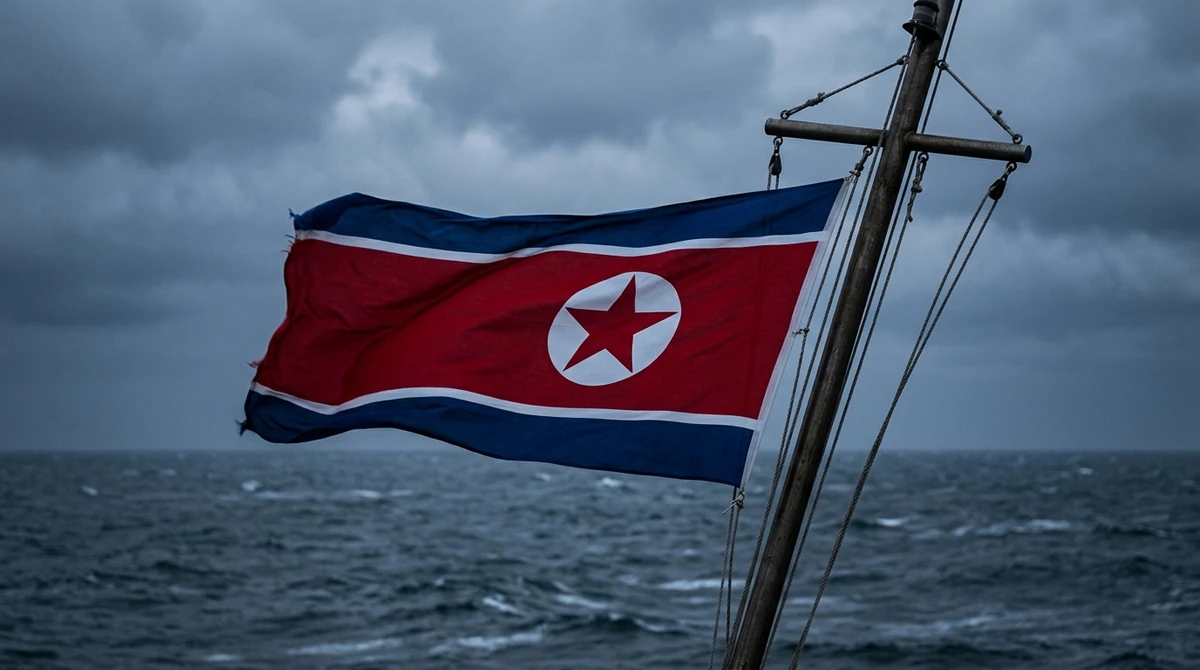
North Korea Says Hypersonic Missile Drill Hit Target 1,000 km Away; Seoul Tracked More Than 700 km
North Korea says a Saturday launch from the Wonsan area was a drill of its hypersonic strategic weapon system that struck a target 1,000 km away; South Korea's Joint Chiefs of Staff tracked a single ballistic missile flying more than 700 km into the East Sea.
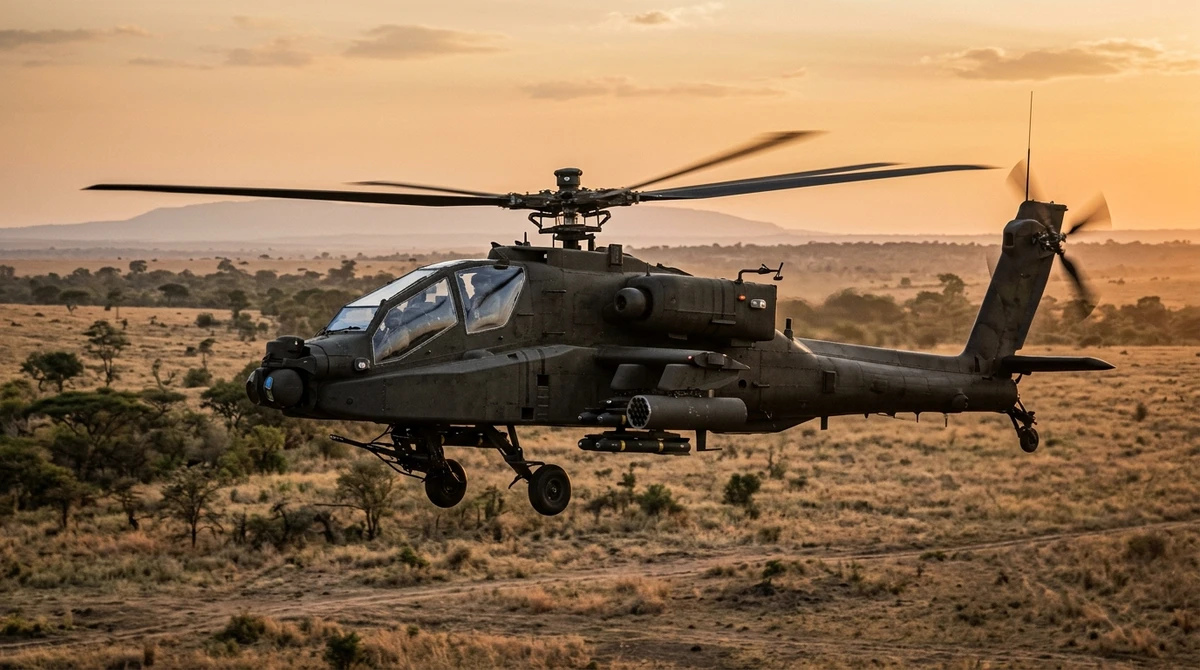
Australia Retires Its Tigers, Leaving Three Operators Among the World's 3,623 Attack Helicopters
The Australian Army has retired its Tiger attack helicopters, marking the fleet's sundown in Darwin on 30 September and leaving France, Germany and Spain as the only users; GlobalMilitary.net data counts 3,623 active attack helicopters in 81 countries.