US Navy's Orca Undersea Drone Completes First 1,000-Mile Autonomous Patrol
The Boeing-built Orca extra-large uncrewed undersea vehicle patrolled more than 1,000 nautical miles across the eastern Pacific in July, the longest autonomous mission the program has flown, the US Navy disclosed on August 15, 2026.
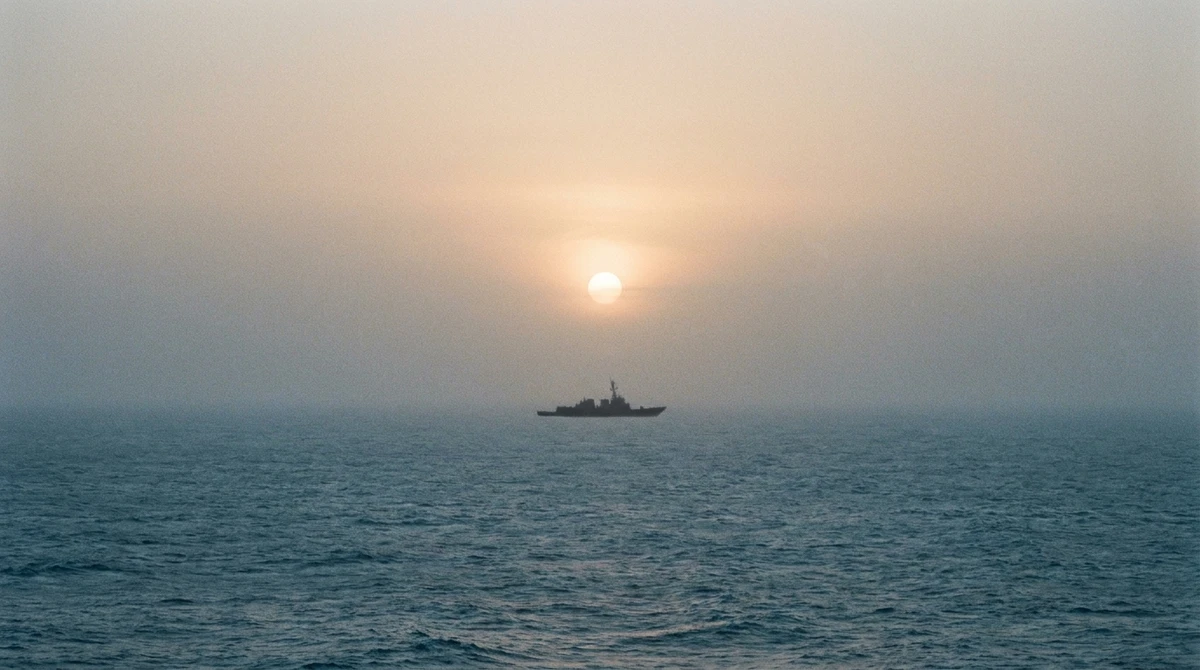
The US Navy has completed its first long-range mission with an Orca extra-large uncrewed undersea vehicle, the service disclosed on August 15, 2026. Run by the Program Executive Office for Unmanned Small Combatants, the vehicle patrolled for more than 1,000 nautical miles across the eastern Pacific during July, a first in the program's history.
"The Pacific Submarine Force is heavily investing in unmanned capabilities to augment our manned submarines," said Rear Admiral Chris Cavanaugh, commander of the Pacific Submarine Force. The Navy is working two payloads onto the type: the Hunter mining system, and a standoff arrangement for launching a heavyweight torpedo.
Orca is a 26-meter hybrid diesel-electric autonomous vehicle built by Boeing with Huntington Ingalls Industries, designed around a modular payload bay for intelligence, surveillance and reconnaissance, mine warfare, seabed warfare and expeditionary support. The consortium won a $43 million contract for four vehicles in February 2019, with a fifth added the following month; the first was accepted by Naval Sea Systems Command in December 2023 and the second, XLE2, was christened in March 2026.
The program has since moved out of experimentation. The Navy's May 2026 shipbuilding plan carries Orca as a procurement line rather than a prototype effort, funding two vehicles in fiscal 2027 against a target of 16 through fiscal 2031. Separately, the service selected Kongsberg and Oceaneering to develop a second extra-large vehicle, CAMP XLUUV, to a similar 1,000-mile endurance requirement.
The United States is not alone in the category, though the field is small and the vehicles are not equivalent. Australia is furthest along with the 12-meter Ghost Shark, developed with Anduril and ordered into production for the Royal Australian Navy. Russia's Poseidon is often counted alongside them but belongs to a different class of weapon: a nuclear-powered, nuclear-armed intercontinental torpedo rather than a reusable payload truck.
The distances involved are what make the type attractive to the United States Navy in the Pacific, where the transit from Guam or Hawaii consumes days of a crewed submarine's patrol time. An uncrewed hull that can cover that ground on its own, then loiter, mine or listen without a crew at risk, is the argument the Navy has been making for the program since 2019. The 1,000-mile patrol is the first demonstration that the argument holds in the water rather than on paper.
Neither the departure and arrival points of the transit nor the vehicle's endurance margin were disclosed. The Navy has not said when Orca will deploy operationally.
More News
All news →
US Navy Awards Raytheon Up to $24.4 Billion Multiyear Contract for SM-6 Missiles
The US Navy on Oct. 1, 2026 awarded RTX's Raytheon unit a multiyear contract worth up to $24.4 billion for Standard Missile-6 interceptors, a five-year deal with two option years whose quantities remain undisclosed and whose funding Congress has yet to appropriate.

Ukraine Says Its FP-7 Ballistic Missile Has Been Used in Combat for the First Time
President Volodymyr Zelensky said on October 1, 2026 that Ukraine's domestically developed FP-7 tactical ballistic missile, built by Fire Point, had been used in combat for the first time, without disclosing the target or location; the claim has not been independently verified.
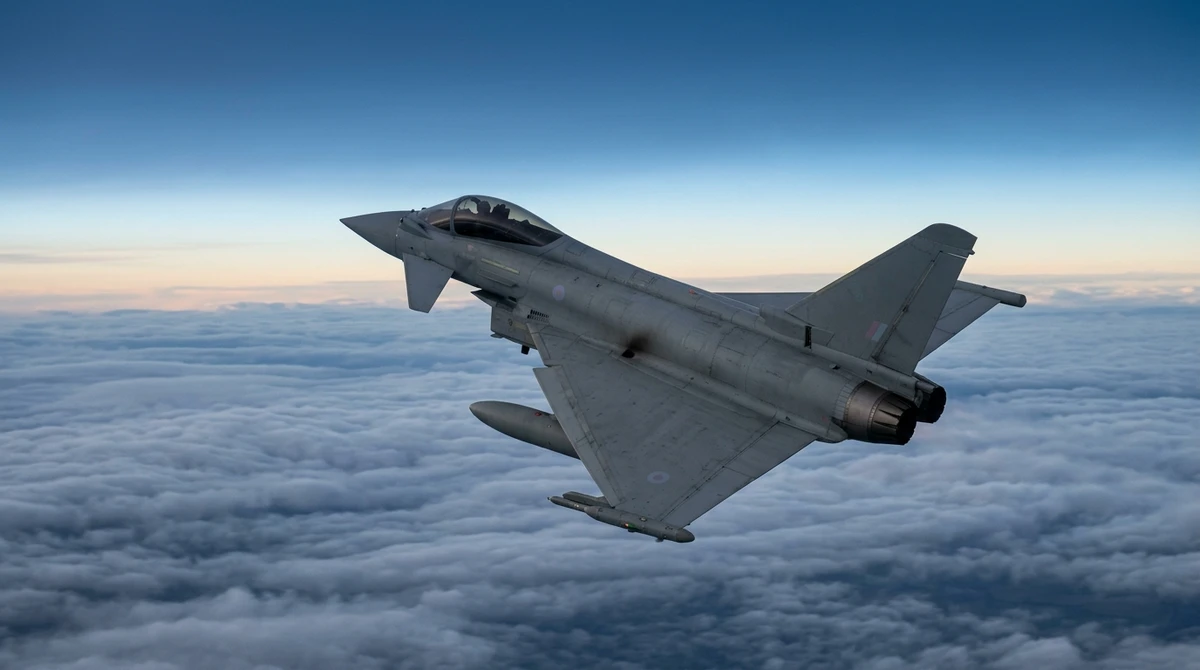
Ramjet vs Rocket: How the Meteor Keeps Thrusting to the Target While the AMRAAM Coasts
The Pentagon's AMRAAM contract of up to $20.7 billion, announced on September 28, 2026, expands output of a missile whose rocket burns early and then coasts; Europe's Meteor uses a throttleable ramjet that MBDA says thrusts until intercept.
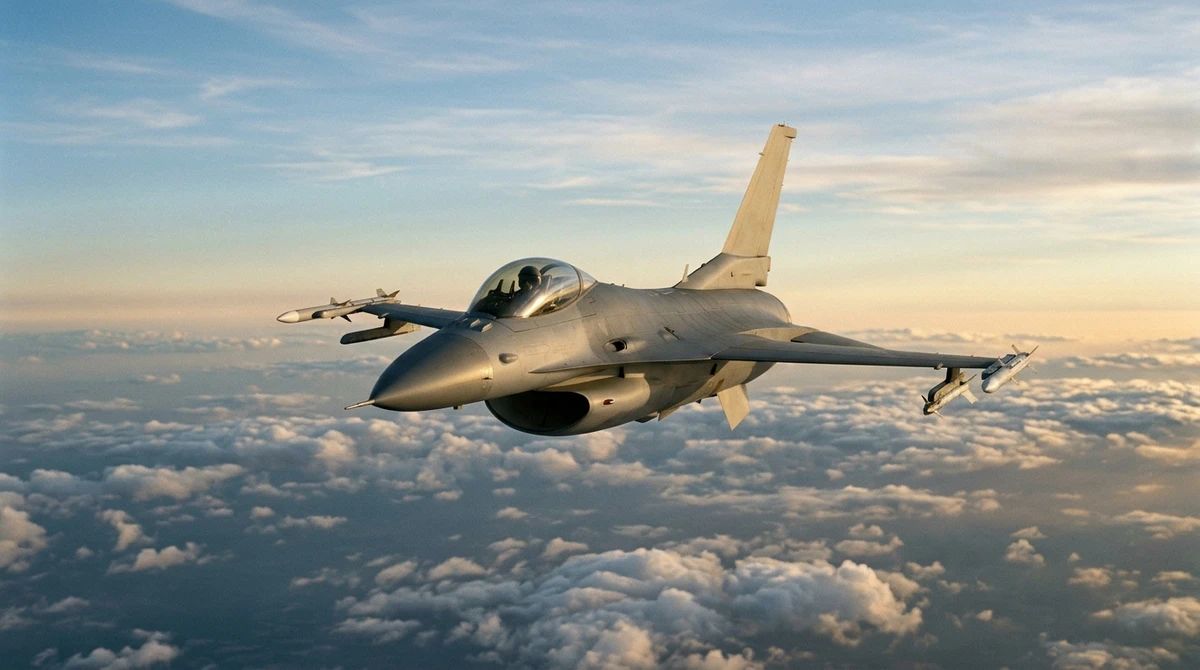
Pentagon Awards Raytheon Up to $20.7 Billion to Nearly Double AMRAAM Production
The Pentagon on 28 September announced a five-year AIM-120 AMRAAM production contract with RTX's Raytheon business worth up to $20.7 billion, an undefinitized award that Reuters described as provisional because Congress has not yet funded the full deal.
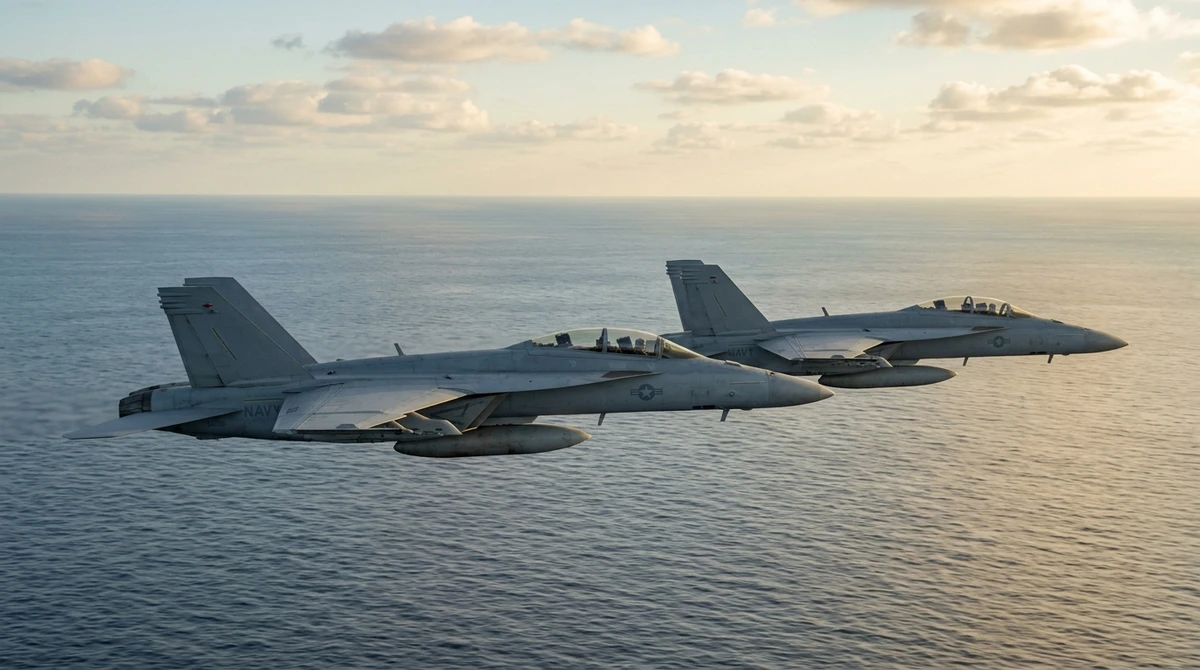
Boeing Wins US Navy's F/A-XX Sixth-Generation Fighter, Successor to 700 Super Hornets and Growlers
The Pentagon announced on September 29, 2026 that Boeing will build the F/A-XX, the US Navy's sixth-generation carrier-based fighter, under a full-scale development contract worth more than $20 billion to replace the F/A-18E/F Super Hornet and EA-18G Growler from the 2030s.

Russia Plans $202 Billion Defense Budget for 2027, Highest Since War Began, Budget Documents Show
Russia plans to spend 17.1 trillion roubles ($202.6 billion) on national defense in 2027, around 27% more than originally budgeted and the highest figure since the invasion of Ukraine in 2022, according to government budget documents seen by Reuters on September 28.