US Navy Reclassifies 19 Virginia-Class Submarines as Guided-Missile SSGNs
The Department of the Navy announced on 3 August 2026 that the 19 Virginia-class submarines fitted with the Virginia Payload Module will be redesignated from attack submarines to guided-missile submarines, each carrying 40 Tomahawks instead of 12.
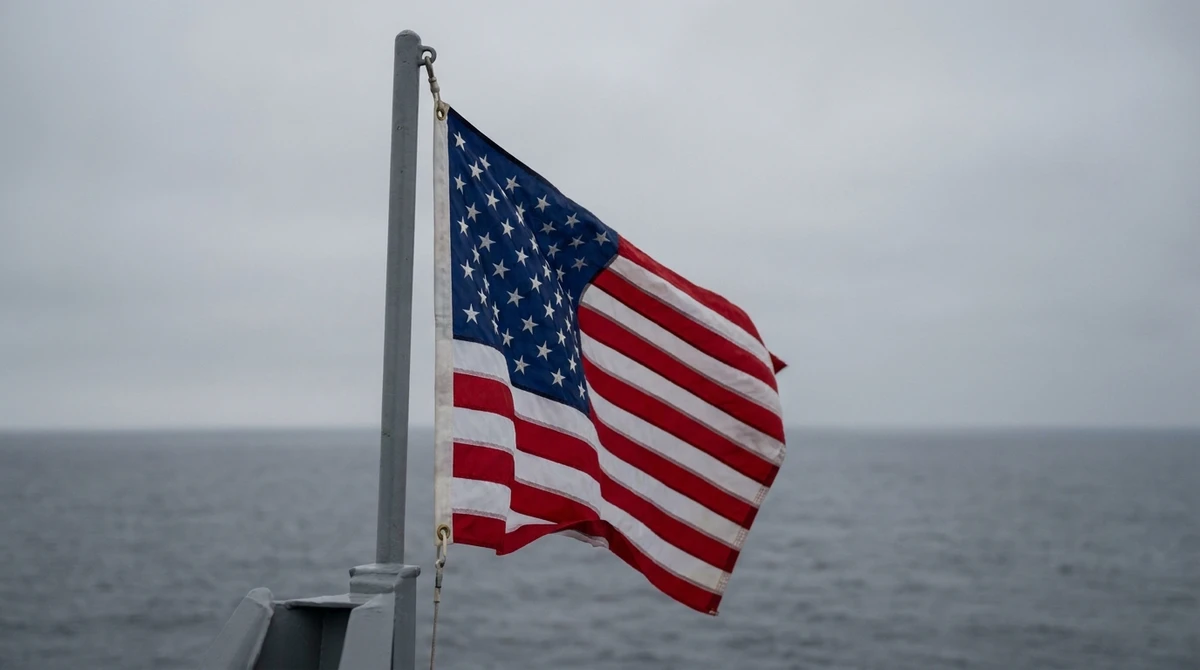
The US Department of the Navy announced on 3 August 2026 that the 19 planned Virginia-class submarines fitted with the Virginia Payload Module will be reclassified from nuclear-powered attack submarines (SSN) to guided-missile submarines (SSGN). The change is a designation, not a modification: it formally recognizes the strike capacity the module adds to boats already under construction or on order.
The reclassification covers Block V and Block VI of the Virginia class. USS Oklahoma (SSN-802), the first Block V hull, is being built without the module and keeps its SSN designation, while USS Arizona (SSN-803) is the first submarine to receive it. The remaining ten Block V boats and all nine Block VI boats will carry it. The Navy estimates first delivery of a payload-module boat in fiscal 2029, with the rest following through fiscal 2038.
The module inserts a hull section roughly 70 feet long containing four large-diameter vertical tubes, each holding seven Tomahawk cruise missiles. That raises a boat's Tomahawk load from 12 in the bow vertical launch tubes to 40. The same tubes are dimensioned for other payloads, including the Intermediate-Range Conventional Prompt Strike hypersonic weapon and unmanned vehicles.
"This reclassification is a clear acknowledgment of the increased lethality VPM brings to the undersea fight," said Vice Adm. Rob Gaucher, director of submarine programs. Chief of Naval Operations Adm. Daryl Caudle said the boats "will provide our nation with a powerful and persistent deterrent" and expand options for combatant commanders, while Vice Adm. Rick Seif, commander of Submarine Forces, called them "the ultimate enabler for Distributed Maritime Operations."
The timing is dictated by the end of the current SSGN force. All four Ohio-class guided-missile submarines — USS Ohio (SSGN-726), USS Michigan (SSGN-727), USS Florida (SSGN-728) and USS Georgia (SSGN-729) — retire by the end of 2029, and Georgia has already begun inactivation after more than 40 years in service; GlobalMilitary.net covered her final homecoming on 29 July. Each converted Ohio carries up to 154 Tomahawks, so the four boats together represent about 616 tubes. Nineteen Virginia SSGNs at 40 missiles each would hold 760 — but the last of them is not due until fiscal 2038, nearly a decade after the Ohios are gone. Fifteen boats are needed simply to match the departing capacity.
GlobalMilitary.net inventory data lists 43 Virginia-class hulls for the US Navy in the 2026 snapshot: 26 in commission from USS Virginia (SSN-774) to USS Idaho (SSN-799), USS Arkansas (SSN-800) and USS Utah (SSN-801) fitting out, and the remainder on order or planned through USS Brooklyn (SSN-816). The class is the backbone of the fleet that keeps the United States at the top of the global military power ranking, and it is being bought at a pace to match: the Navy awarded $76.6 billion in late July for nine more Virginias and five Columbia-class boats.
The Navy has not yet published the new hull numbers the reclassified boats will carry, and the submarines remain part of the Virginia-class program. Arizona's delivery in fiscal 2029 will be the first practical test of whether the replacement schedule holds.
More News
All news →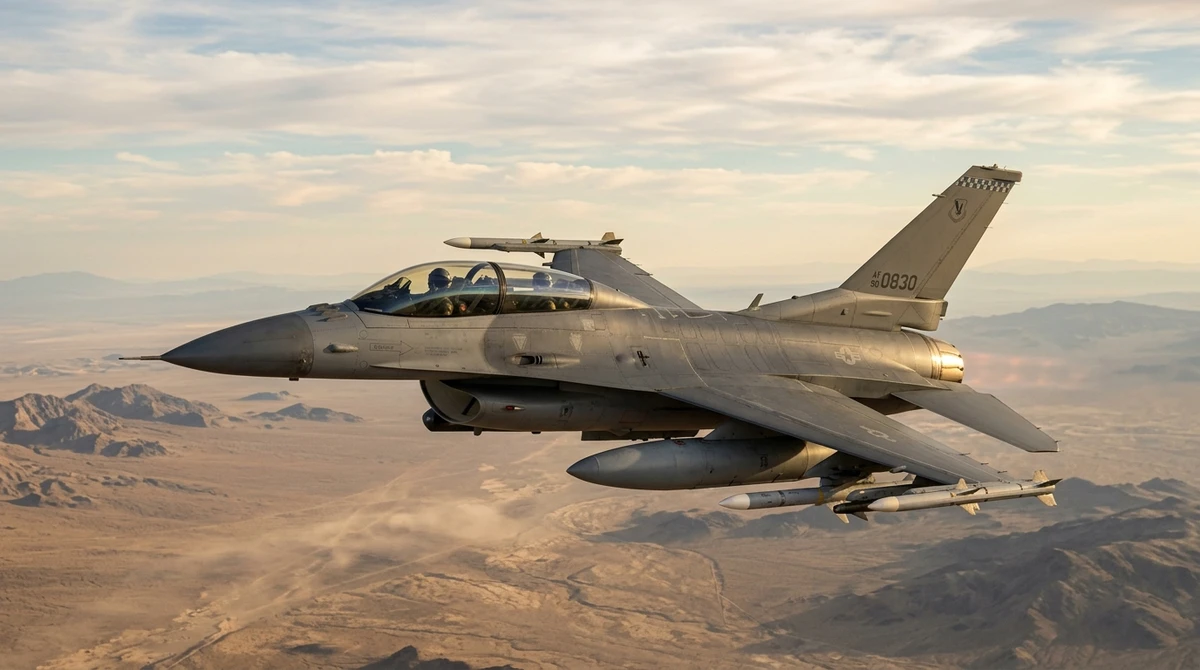
Morocco's First F-16 Block 72 Makes Maiden Flight, the First Pratt & Whitney-Powered Viper to Fly
Lockheed Martin said on October 6 that the Royal Moroccan Air Force's first F-16 Block 72, a two-seat F-16D, had flown from its Greenville, South Carolina, plant, the first flight of the Pratt & Whitney-engined version of the latest-generation Fighting Falcon.

First HACM Hypersonic Cruise Missile Flight Test Unit Released Over Australia
The U.S. Air Force says a Hypersonic Attack Cruise Missile flight test unit was released by the Royal Australian Air Force over an Australian test range, without disclosing the date, the launch aircraft or whether the scramjet-powered weapon achieved powered flight.

Spain Selects Airbus A321 as Platform for Three SIGINT Aircraft in €436M Program
Spain has chosen the Airbus A321 as the platform for three signals-intelligence aircraft for the Spanish Air and Space Force, restoring a dedicated airborne SIGINT capability the country has lacked since its Boeing 707 was retired in 2014.
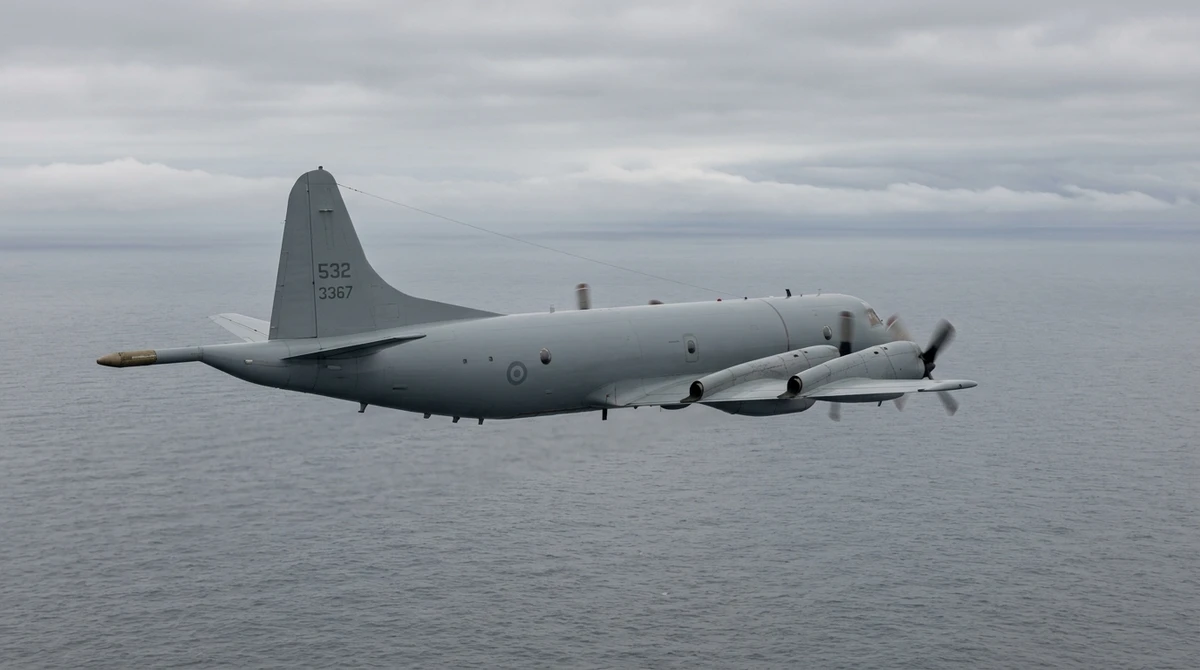
P-3 Orion Fleet Down to 101 Aircraft in 12 Countries, Roughly Half Its 2022 Size
GlobalMilitary.net's inventory data counts 101 P-3 Orions in military service across 12 countries, down from 211 in 16 countries in its 2022 snapshot, as US agencies retire special-mission Orions and Japan draws down the largest remaining fleet.

Northrop Grumman's YFQ-48A Talon Blue Completes First Fully Autonomous Flight at Mojave
Northrop Grumman said on October 3, 2026 that its company-funded YFQ-48A Talon Blue had taxied, taken off, maneuvered and landed without pilot input at Mojave, California, as the US Air Force prepares to select designs for Increment 2 of its Collaborative Combat Aircraft program.
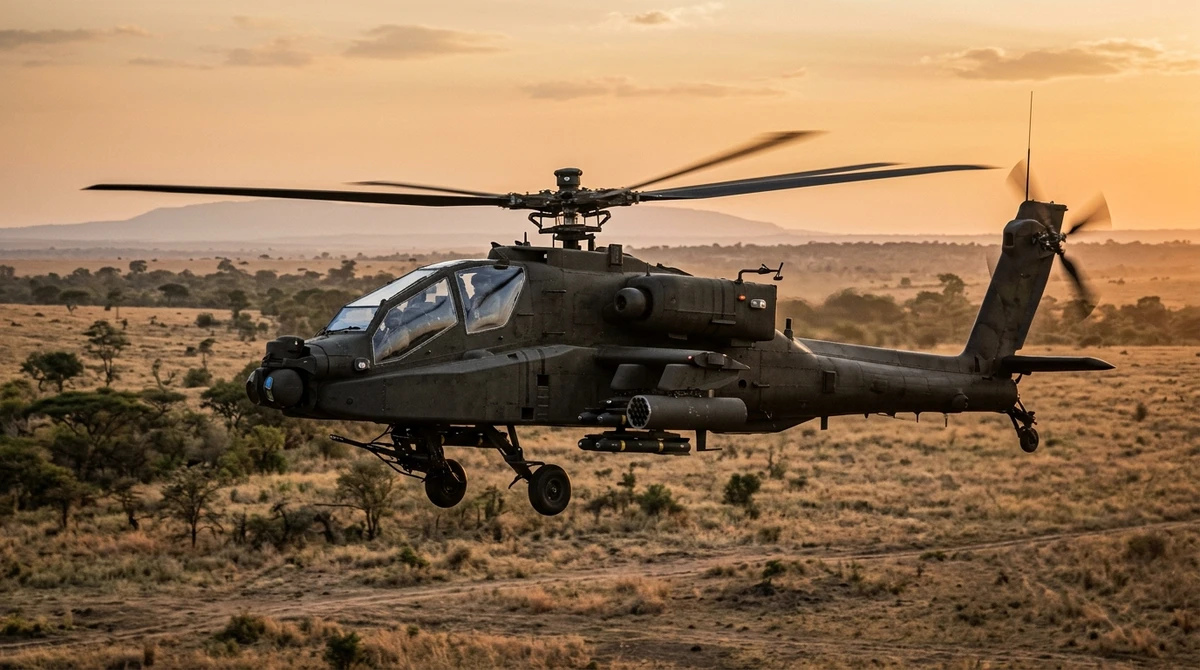
Australia Retires Its Tigers, Leaving Three Operators Among the World's 3,623 Attack Helicopters
The Australian Army has retired its Tiger attack helicopters, marking the fleet's sundown in Darwin on 30 September and leaving France, Germany and Spain as the only users; GlobalMilitary.net data counts 3,623 active attack helicopters in 81 countries.