US Navy fast-tracks Tomahawk warhead housings, citing 'current international conflict'
In a contract notice dated September 2, 2026, the US Navy contracted General Dynamics Ordnance and Tactical Systems to deliver Tactical Tomahawk warhead housings within nine months, weeks after a $22.9 billion Raytheon award to lift output from about 60 missiles a year toward more than 1,000.
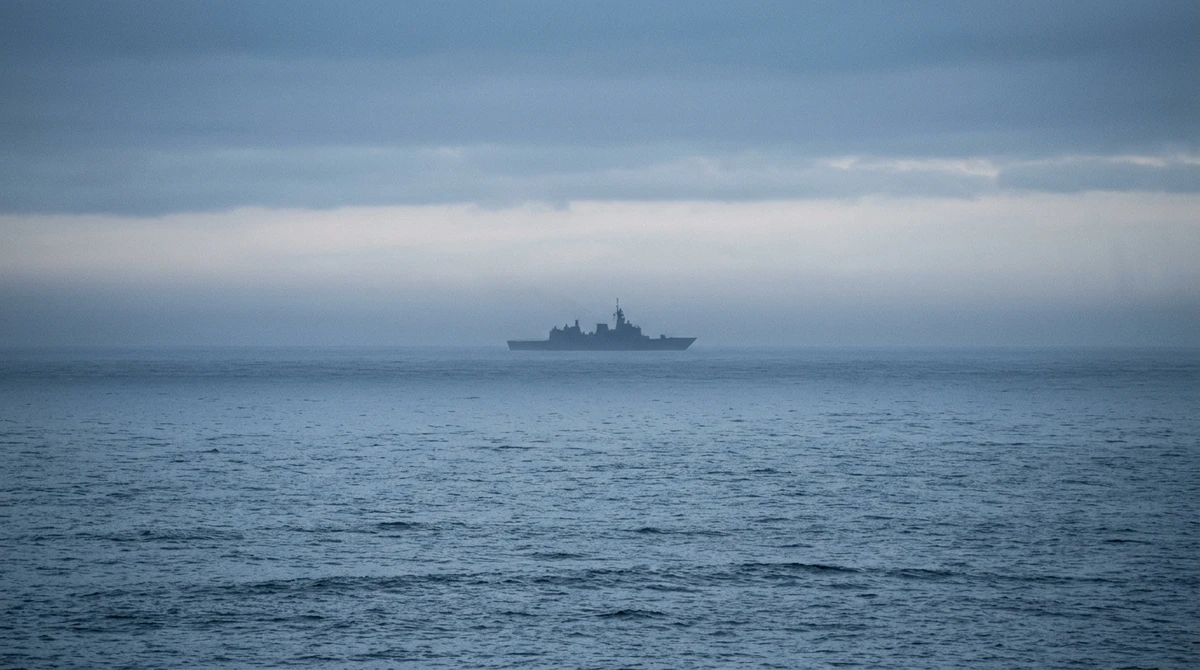
The US Navy is accelerating the production of components for the Tomahawk cruise missile. In a contract notice dated September 2, 2026, the service modified an existing 2019 SLAM-ER contract with General Dynamics Ordnance and Tactical Systems to manufacture and deliver warhead housings for the U/RGM-109E Tactical Tomahawk within nine months, with first article inspections required by the first quarter of 2027, Naval News reported.
The notice states that the acceleration is "due to immediate demand for increased missile production for the United States Navy, as a result of current international conflict." Naval News reported that the Navy has fired hundreds of Tomahawk cruise missiles at targets in Iran since the start of Operation Epic Fury. The 2026 Iran Conflict began on February 28, 2026 and is ongoing.
The component order follows a much larger award. On August 18, 2026, the Navy awarded RTX's Raytheon a $22.9 billion, seven-year contract to expand Tomahawk production, with primary work at Tucson, Arizona, Stars and Stripes and Manufacturing Dive reported. Current production runs at about 60 missiles a year, according to Reuters figures cited by Stars and Stripes; the target under the new contract is more than 1,000 a year. RTX delivered three times as many Tomahawks in the first half of 2026 as in the same period of 2025, Manufacturing Dive reported. The acting Secretary of the Navy said the Department is "utilizing every available tool to meet the demands of our current operations."
Estimates of how many missiles the campaign has consumed vary. An analysis by the Center for Strategic and International Studies, cited by Stars and Stripes, put the number fired during the Iran conflict at more than 1,000, roughly one third of an estimated pre-war US inventory of just over 3,000. That CSIS estimate runs well above the hundreds reported by Naval News. Either count is set against a line that currently produces about 60 missiles a year.
The constraint is not the number of launch platforms. GlobalMilitary.net's current inventory of the United States Navy fleet counts 134 Tomahawk-capable hulls in service across seven classes:
- 75 Arleigh Burke-class destroyers
- 26 Virginia-class attack submarines
- 18 Los Angeles-class attack submarines
- 7 Ticonderoga-class cruisers, with 13 more in reserve
- 3 Seawolf-class attack submarines
- 3 Ohio-class guided-missile submarines, with a fourth in reserve
- 2 Zumwalt-class destroyers
The other 14 Ohio-class boats in service are ballistic-missile submarines and do not carry the Tomahawk. The destroyer and submarine lines of the United States are still growing: five more Arleigh Burkes are fitting out, with nine on order and ten planned, and two more Virginias are fitting out, with six on order and nine planned. Naval activity around the conflict is tracked separately on the Strait of Hormuz page.
The warhead housings are due within nine months of the September 2 notice, and the first article inspections by the first quarter of 2027. The Raytheon contract runs seven years, over which output is meant to climb from about 60 missiles a year toward the target of more than 1,000.
More News
All news →
UK Restarts Tank and Howitzer Barrel Production as US Army Seeks New 155mm Tube Makers
Rheinmetall UK has begun making 120mm and 155mm barrels in Telford, the Ministry of Defence said on 22 October, a day after a US Army contracting command posted a market survey for domestic makers of Paladin and M777 cannon tubes.
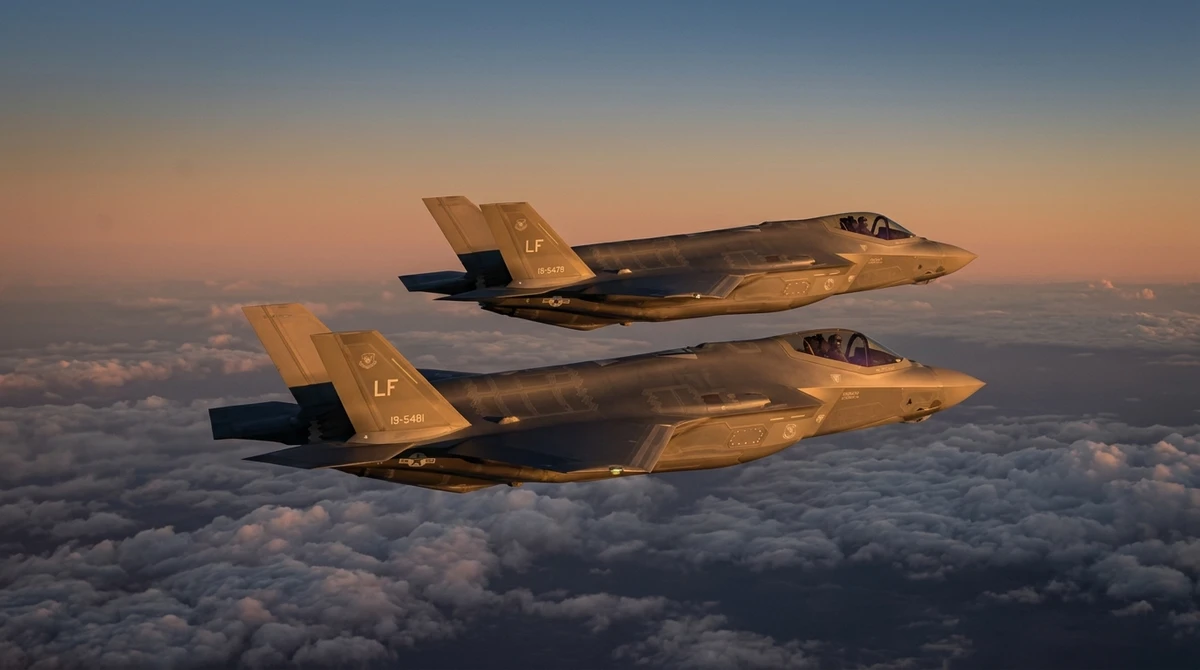
Pentagon and Lockheed Martin Unveil 10-Year F-35 Framework for 850 US Jets, Pending Congress
The Department of War and Lockheed Martin announced on October 22 a framework agreement covering 850 US F-35s over 10 years at a steady 156 aircraft a year, an arrangement that requires multiyear authority and appropriations from Congress before any contract is awarded.
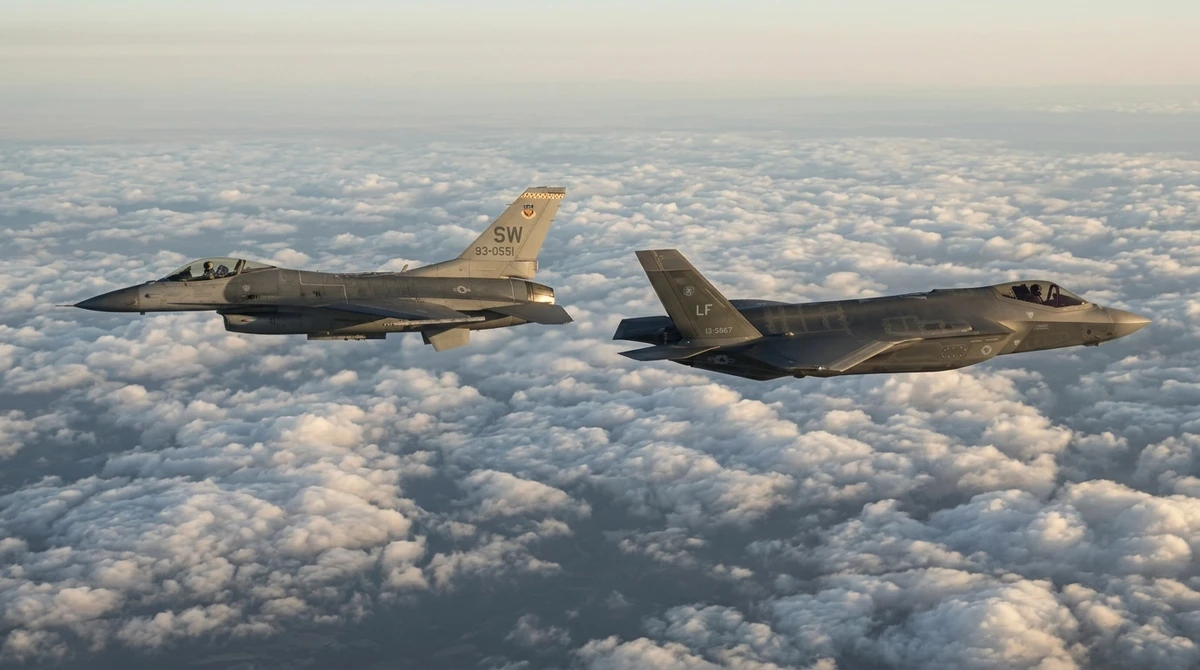
US Air Force Wants 1,509 Combat-Coded Fighters by 2035 as F-35 Share Rises to About 40%
The US Air Force told Congress on October 16, 2026 that it needs 1,509 combat-coded fighters by 2035; GlobalMilitary.net sets the report's approximate type shares against its own count of 1,816 USAF F-16s, F-35As, F-15s and F-22s.
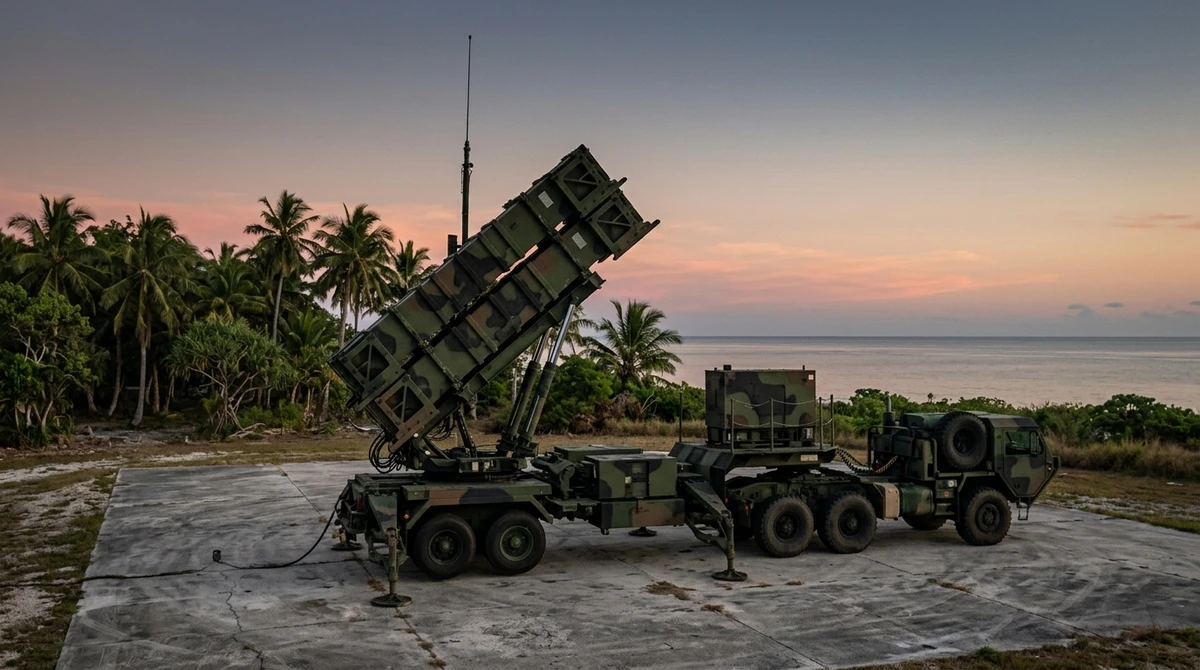
US Army Activates Air Defense Battalion on Guam as Its Part of the Guam Defense System
The 3rd Battalion, 43rd Air Defense Artillery Regiment was activated at Andersen Air Force Base on October 16, 2026, building on more than a decade of Task Force Talon operations on Guam and, per an Army spokesperson quoted by The War Zone, set to field Patriot and Enduring Shield.
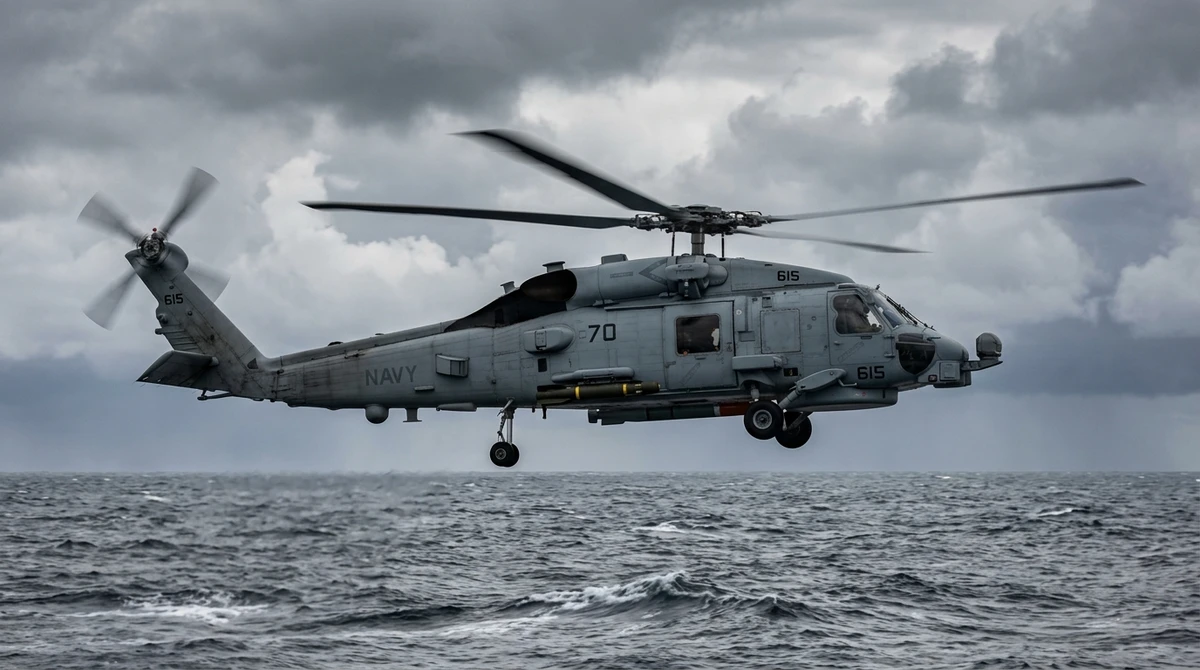
New Zealand's MH-60R Order Makes 15 Seahawk Operators; the SH-2 Seasprite Is Down to Three
New Zealand signed on 16 October to buy five MH-60R Seahawks, delivered from 2030, to replace its five SH-2G Super Seasprites, bringing the naval Seahawk family to 15 operators in GlobalMilitary.net's data while the Seasprite is left with 17 helicopters and three operators.
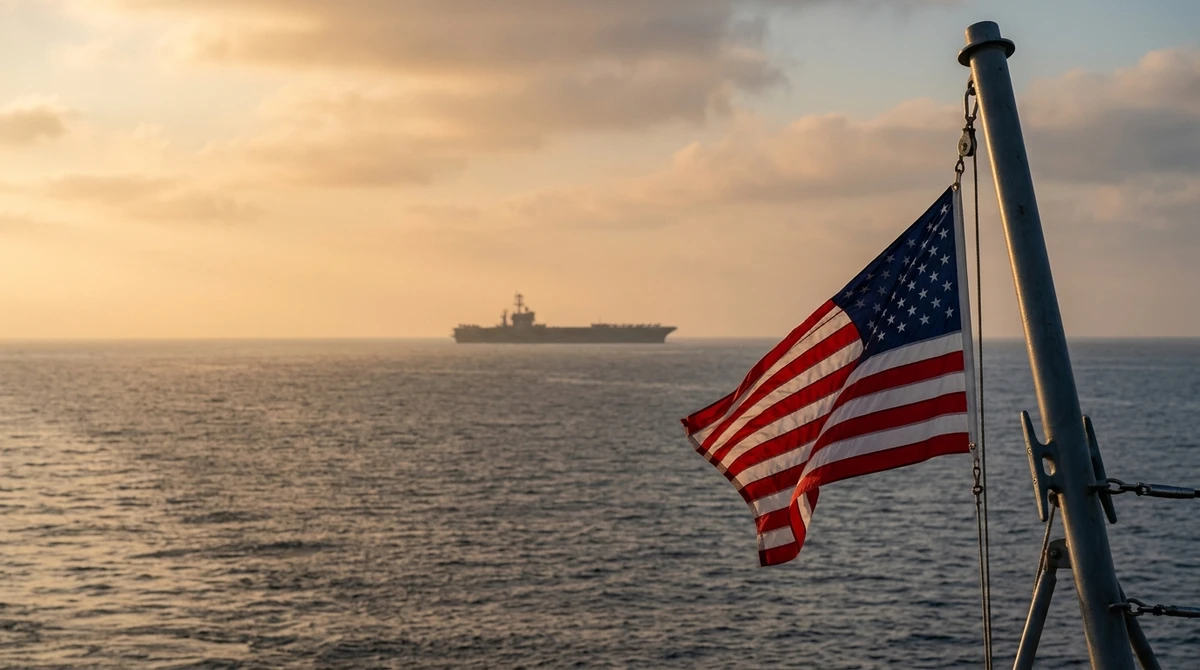
USS Theodore Roosevelt Turns 40 as It Prepares for Keen Sword Off Japan
The Nimitz-class carrier, docked at Yokosuka since 16 October with the cruiser USS Chosin and the destroyer USS Decatur, marks 40 years since its commissioning on 25 October 1986 ahead of the US-Japan exercise Keen Sword.