
Ethiopian Air Force
The Ethiopian Air Force operates 104 military aircraft in 2026 — 34 combat aircraft (fighter and attack jets), 31 helicopters, 14 transport aircraft, 20 trainers. It ranks #75 of 162 air forces worldwide.
Full inventory in 2026
17 aircraft typesEthiopian Air Force
| Aircraft | Origin | Model year | Active | Δ YoY | Ordered | |
|---|---|---|---|---|---|---|
| Combat | ||||||
|
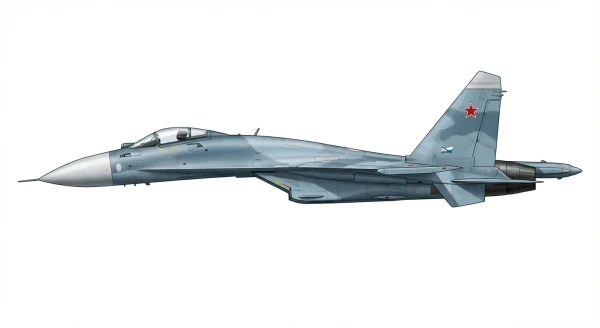
Su-27 | 🇷🇺 Ex-USSR | 1985 | 20 | -2 | — |
|
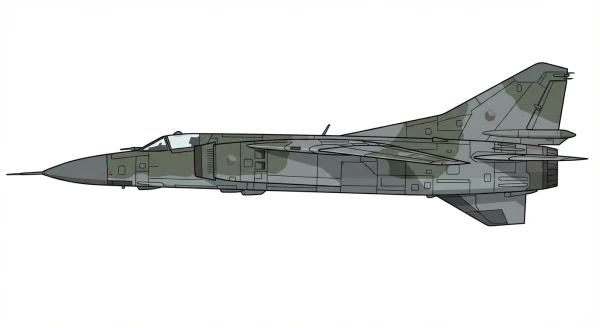
MiG-23 | 🇷🇺 Ex-USSR | 1970 | 9 | — | — |
|
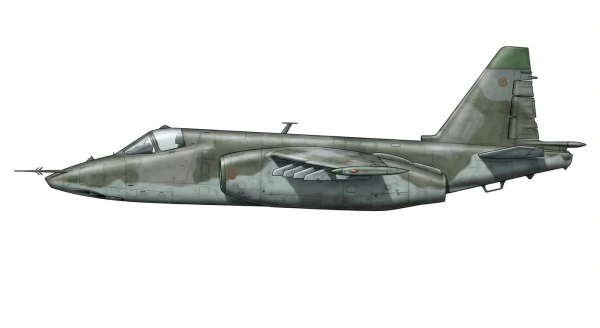
Su-25 | 🇷🇺 Ex-USSR | 1981 | 3 | +2 | — |
|
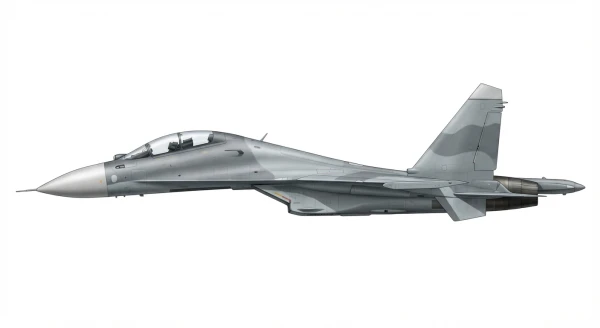
Su-30 | 🇷🇺 Ex-USSR | 1996 | 2 | +2 | — |
| Helicopter | ||||||
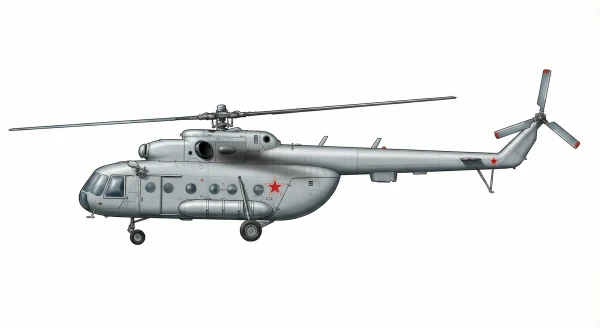
|
Mi-8/17 | 🇷🇺 Ex-USSR | 1967 | 14 | -1 | — |
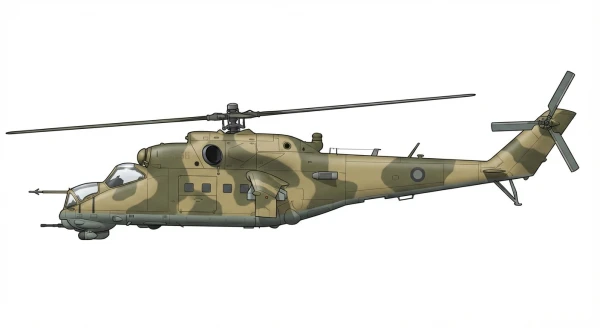
|
Mi-24/35 | 🇷🇺 Ex-USSR | 1972 | 6 | -1 | — |
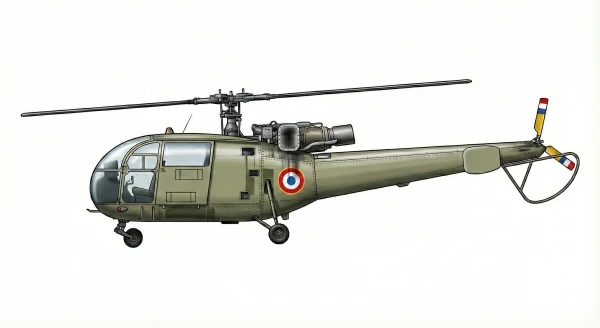
|
SA316 | 🇫🇷 France | 1961 | 3 | — | — |
| Transport | ||||||
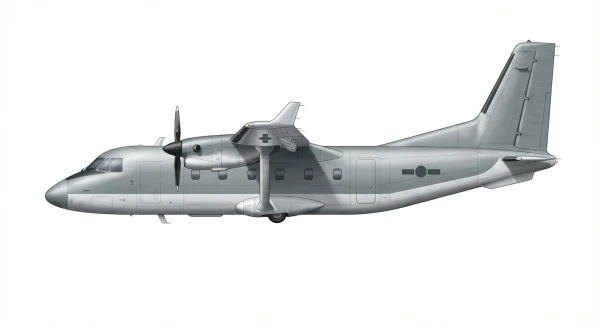
|
Y-12 | 🇨🇳 China | 1985 | 5 | +5 | — |
|
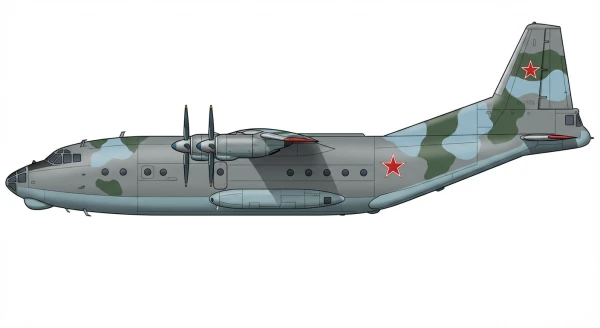
An-12 | 🇺🇦 Ukraine | 1959 | 4 | — | — |
|
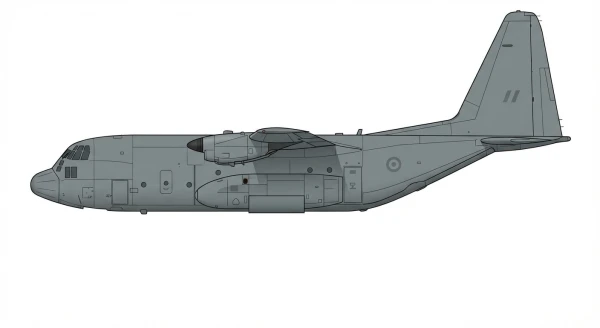
C-130B/E | 🇺🇸 United States | 1956 | 2 | — | — |
|
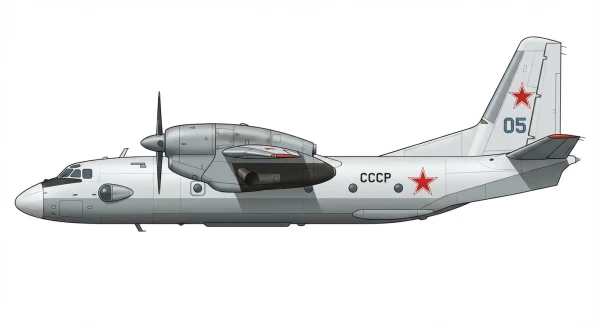
An-32 | 🇺🇦 Ukraine | 1982 | 1 | — | — |
| Training | ||||||
|
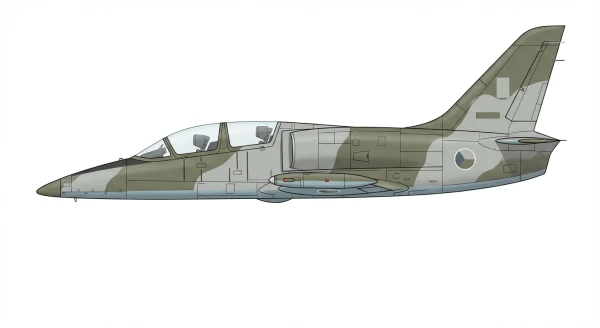
L-39 | 🇨🇿 Czechia | 1972 | 9 | -6 | — |
|
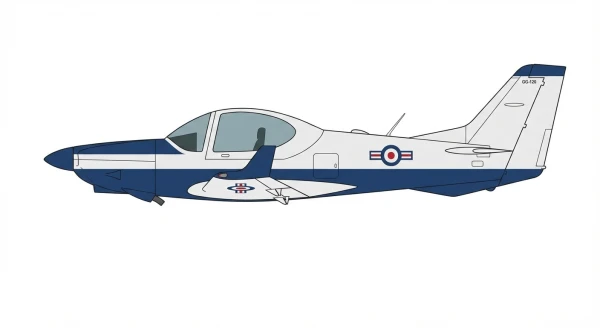
G120TP | 🇩🇪 Germany | 1999 | 6 | -6 | — |
|
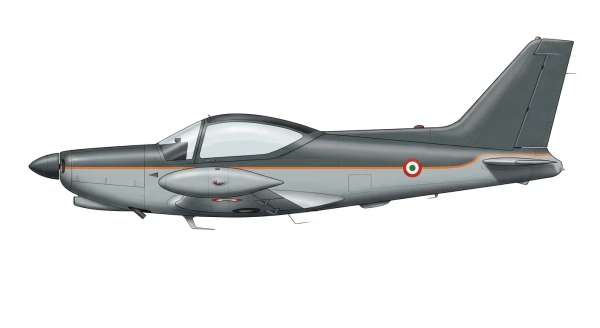
SF-260 | 🇮🇹 Italy | 1966 | 4 | +4 | — |
|
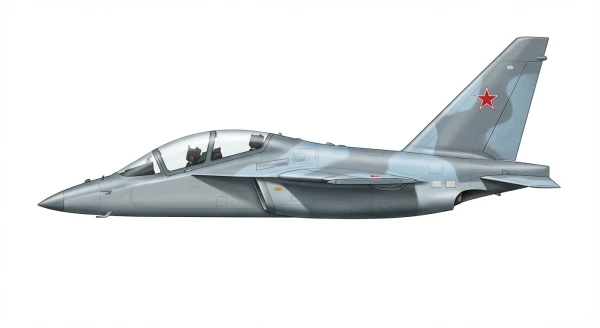
Yak-130 | 🇷🇺 Russia | 2010 | 6 | +6 | — |
Ethiopian Army Aviation
| Aircraft | Origin | Model year | Active | Δ YoY | Ordered | |
|---|---|---|---|---|---|---|
| Helicopter | ||||||
|
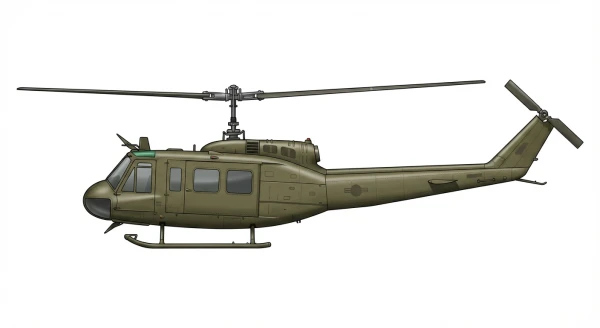
UH-1H | 🇺🇸 United States | 1959 | 8 | — | — |
| Transport | ||||||
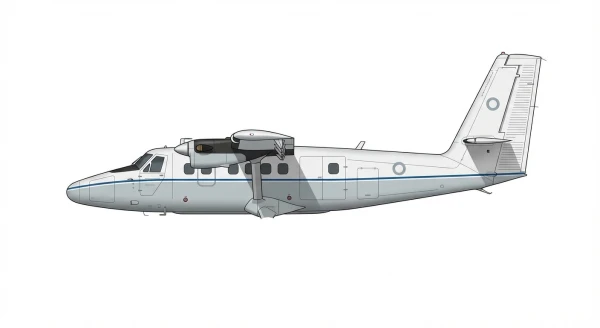
|
DHC-6 | 🇨🇦 Canada | 1966 | 2 | -1 | — |
Overview
The Ethiopian Air Force (ETAF) is structured as a conventional air arm of the Ethiopian National Defence Force (ENDF), with a hierarchy that includes a Chief of the Air Force, currently Lieutenant General Yilma Merdasa, under the command of the ENDF Chief of General Staff. Its organization encompasses several air bases, including key facilities at Harar Meda (Central), Dire Dawa (Eastern), Mekele (Northern), and Bahir Dar (Western). The force is organized into various squadrons, including fighter, ground attack, transport, and training units. Since 2018, the ETAF has undergone defense reforms aimed at improving military professionalism, though challenges in coordination and resources persist.
The ETAF's primary strategic doctrine is centered on the defense of national airspace, providing close air support to ground forces, and conducting independent strategic strikes. This doctrine also extends to participating in peacekeeping missions and developing electronic warfare and cyber capabilities. A core objective is to achieve air superiority to secure national interests. Historically, the ETAF has relied on a mix of Eastern and Western bloc equipment and training, adapting its doctrine to the prevailing geopolitical context and available technology.
Operationally, the ETAF has a long history of combat experience. In recent years, it has been heavily involved in the Tigray War, conducting airstrikes against TPLF targets, including arms depots and military bases. Air operations have continued against the Oromo Liberation Army in Oromia, where an L-39 was shot down by ground fire in August 2026. The conflict highlighted both the ETAF's capabilities and its vulnerabilities. It effectively used its fighter-bombers, such as the MiG-23 and Su-25, and Mi-35 attack helicopters for close air support missions. However, the ETAF also suffered losses, including a MiG-23, a Mi-35 helicopter, and an L-100 transport aircraft, to ground fire. The war also saw the deployment of newly acquired armed drones.
Recent acquisitions include Su-30 fighter jets from Russia and Bayraktar Akinci and TB2 unmanned aerial vehicles (UAVs) from Turkey, in addition to Mohajer-6 drones from Iran and Chinese Wing Loong UAVs. These systems represent a qualitative leap in the ETAF's long-range strike and surveillance capabilities. The trainer aircraft fleet is also being updated with the procurement of German-made Grob G 120TPs, and Russia delivered Yak-130 advanced jet trainers in January 2026. This modernization effort aims to enhance the ETAF's operational readiness and project it as one of Africa's leading air forces by 2030.
Frequently Asked Questions
How many aircraft does Ethiopia have?
How does Ethiopia's air force rank globally?
How many combat aircraft does Ethiopia operate?
How many military helicopters does Ethiopia have?
What is the AIRS Index score of Ethiopia?
Where does Ethiopia get its military aircraft from?
- SEP 82026 Updated Logged 1 delivery from 2024
- SEP 52026 Updated Yak-130 deliveries and air operations in Oromia added
- AUG 132026 Updated Logged the loss of an L-39C in East Shewa, Oromia
- APR 72026 Updated Fleet event revised: First 6 Yak-130s displayed at Aviation Expo 2026, Bishoftu AB; part of possible 10-aircraft order from Russia.
- FEB 212026 Updated 16 aircraft types added
- JAN 292026 Updated Fleet event recorded
- JUN 252025 Updated Air force overview reviewed and updated