Military Strength: 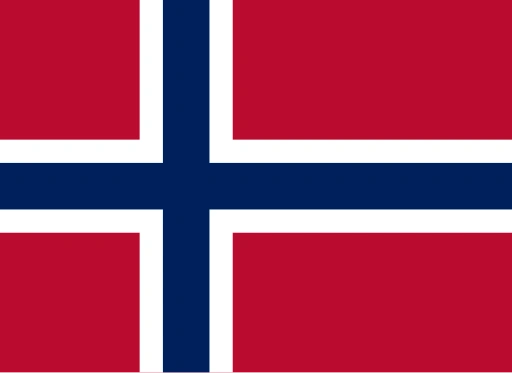 Norway vs
 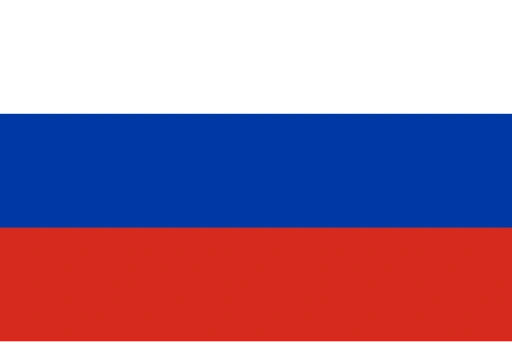 Russia
Russia (ranked #3 globally) holds a stronger overall military position than Norway (#43) on the ATLAS Index. Russia fields 1,100,000 active troops — 47:1 Norway's 23,250, backed by 1,500,000 reserves and 559,000 paramilitary. Russia's $152B defense budget is 9.3:1 that of Norway ($16B).
ATLAS (Aggregate Total of Land, Air and Sea strength) Index face-off Full ranking →
Norway
Russia
Pillar scores 0–100 (weight under each label) over a headline figure from that domain · each conventional pillar read after its branch's availability proxy · Methodology
Key figures
| Norway | Russia | Ratio | |
|---|---|---|---|
| Defense budget | $16B | $152B | 🇷🇺 9.3× |
| – share of GDP | 3.4% | 7.0% | 🇷🇺 2.1× |
| Active personnel | 23,250 | 1,100,000 | 🇷🇺 47× |
| Combat aircraft | 52 | 1,478 | 🇷🇺 28× |
| Warships | 52 | 279 | 🇷🇺 5.4× |
| – submarines | 6 | 56 | 🇷🇺 9.3× |
| Main battle tanks | 38 | 5,560 | 🇷🇺 146× |
| Nuclear warheads | 0 | 5,420 | 🇷🇺 |
Show full breakdown · 13 more rowsHide the 13 extra rows
| Reserve troops | 40,000 | 1,500,000 | 🇷🇺 38× |
| Paramilitary forces | 0 | 559,000 | 🇷🇺 |
| Military aircraft (all types) | 111 | 5,308 | 🇷🇺 48× |
| – helicopters | 34 | 1,585 | 🇷🇺 47× |
| – bombers | 0 | 116 | 🇷🇺 |
| Deployed warheads | 0 | 1,796 | 🇷🇺 |
| Budget share of govt spending | — | — | — |
| Budget per capita | $2,930 | $1,060 | 🇳🇴 2.8× |
| Population | 5.6M | 143.5M | 🇷🇺 26× |
| GDP | $531B | $2.6T | 🇷🇺 4.8× |
| GDP per capita | $94,594 | $17,847 | 🇳🇴 5.3× |
| Land area | 365,957 km² | 16,378,410 km² | 🇷🇺 45× |
| Coastline | 83,281 km | 37,653 km | 🇳🇴 2.2× |
Backbone systems most numerous in service
Defense budget history Norway ×1.3 · Russia ×2.1 since 2021
Military personnel history
Explore this matchup
Go deeper · same matchup, other lenses
Change opponent
Related comparisons & rankings
Analyst Assessment
Verdict
Edge: Russia
In a one-on-one conflict, Norway is conventionally outmatched and cannot prevail. Its entire defense strategy is predicated on its role within NATO, fighting a delaying action until allied forces can intervene decisively.
Domain by domain
Ground Forces
Edge: Russia
🇳🇴 NorwaySmall, professional, and modernizing force (Leopard 2A7) backed by a large Home Guard reserve. Designed for defending key terrain in a delaying action.
🇷🇺 RussiaMassive force structured for attrition warfare. Despite huge losses in Ukraine, it retains overwhelming numerical superiority in personnel and equipment, though much of it is older Soviet-era stock.
Air Power
Edge: Russia
🇳🇴 NorwayTechnologically superior but small fleet centered on 5th-gen F-35A fighters and P-8 maritime patrol aircraft, optimized for air superiority and surveillance in the North Atlantic.
🇷🇺 RussiaVast but technologically mixed air force. Has suffered significant combat losses but adapted by increasing use of glide bombs and drones. Sheer numbers provide significant strike capacity.
Naval Power
Edge: Russia
🇳🇴 NorwayA modern, specialized force focused on coastal defense and anti-submarine warfare (ASW) to protect its extensive coastline. Future Type 212CD submarines are a key asset.
🇷🇺 RussiaPossesses the powerful Northern Fleet based near Norway, including a formidable force of nuclear-powered attack and ballistic missile submarines. A decisive advantage in blue-water and undersea warfare.
Nuclear
Edge: Russia
🇳🇴 NorwayNone. Fully reliant on the NATO nuclear umbrella for strategic deterrence.
🇷🇺 RussiaWorld's largest nuclear arsenal, forming the bedrock of its national security doctrine and a tool for strategic coercion against NATO.
Wildcards
- NATO Article 5 Response Time Any political delay in triggering a collective defense response would give Russia a critical window to fortify its position, dramatically increasing the cost and difficulty of a counter-offensive.
- Arctic Environment The extreme cold, difficult terrain, and unforgiving weather of the High North heavily favor the defender and forces trained for Arctic warfare, potentially negating some of Russia's numerical advantages and bogging down an advance.
- Subsea Infrastructure A key vulnerability for Norway and Europe is the vast network of undersea cables and pipelines in the North Atlantic. Russia could use its submarine and special mission capabilities to sever these vital links, causing catastrophic economic and communication disruptions.
Outlook
| Scenario | Short war | Protracted war |
|---|---|---|
| Conventional | 🇷🇺 Russia seizes limited objectives | 🇳🇴 NATO alliance prevails |
| Hybrid/Asymmetric | 🇷🇺 Russia causes significant disruption | Even Stalemate with high attrition |
Analysis generated by a language model from the figures on this page and public sources; it is an informed reading, not a military assessment or a prediction.
Frequently Asked Questions
Who has more military personnel, Norway or Russia?
Russia has approximately 1,100,000 active military personnel compared to Norway's 23,250, giving Russia a 47:1 numerical advantage.
Which country has more combat aircraft, Norway or Russia?
Russia operates 1,478 combat aircraft compared to Norway's 52. This includes fighters, strike aircraft, and multirole combat jets.
Who has the larger navy, Norway or Russia?
Russia has a larger navy with 279 warships compared to Norway's 52. Norway operates 6 submarines while Russia has 56.
Which country spends more on defense, Norway or Russia?
Russia has a larger defense budget at $152.2 billion (9.3:1 more) compared to Norway's $16.4 billion annually.
Do Norway and Russia have nuclear weapons?
Russia possesses nuclear weapons with approximately 5,420 warheads, while Norway does not have nuclear weapons.
How do the tank forces of Norway and Russia compare?
Russia operates 5,560 main battle tanks compared to Norway's 38. Tank numbers reflect both active inventory and reserves.