NATO reporting names for submarines
Every NATO reporting name assigned to Soviet, Russian and Chinese submarine classes — phonetic-alphabet letters for the Cold War designs, Russian-derived names once the alphabet ran out, and Chinese dynasties for the PLAN fleet.
How the names are chosen
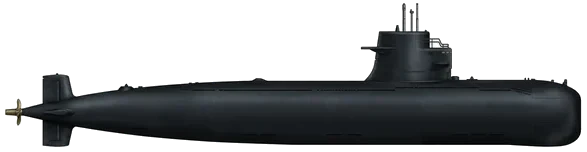
Cold War Soviet submarine classes were named after letters of the NATO phonetic alphabet — Whiskey, Foxtrot, Victor — assigned as the classes were identified, in no alphabetical order, with Roman numerals for successive variants (Delta I through Delta IV) and descriptive tags for conversions (Whiskey Long Bin). The Soviet project numbers behind them were classified or confusing, so the alphabet names became the West's common currency.
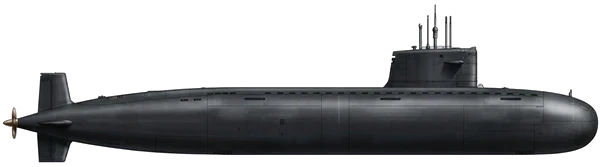
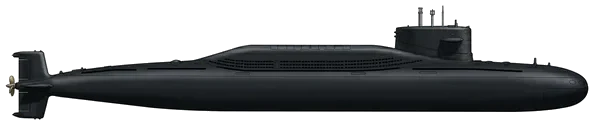
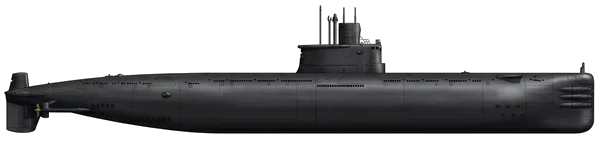
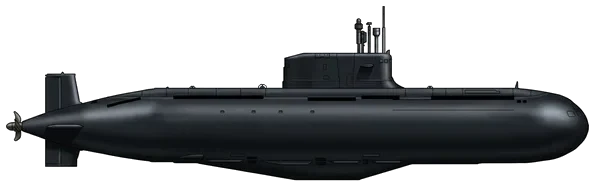
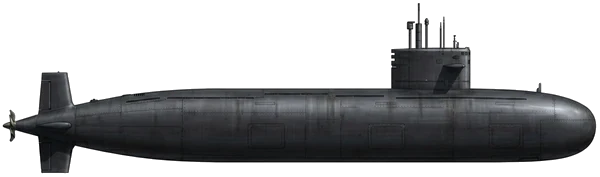
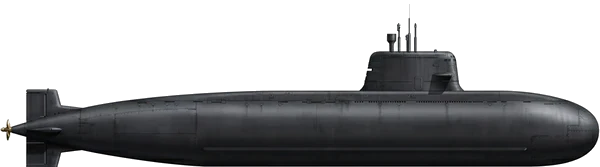
By the 1980s the alphabet was exhausted and new designs received names drawn from Russian words or places — Akula, Typhoon, Severodvinsk — occasionally colliding with the real Soviet names: NATO's Akula is Project 971 Shchuka-B, while Akula is what the Soviets called the class NATO named Typhoon. Chinese submarine classes follow a different convention entirely: they are named after Chinese dynasties — Han, Xia, Song, Jin, Yuan.
| Convention | Used for | Examples |
|---|---|---|
| Phonetic alphabet | Cold War Soviet designs, in rough order of identification | Whiskey · Foxtrot · Tango |
| Numerals & tags | Successive variants and conversions of a class | Delta IV · Whiskey Long Bin |
| Russian-derived names | New designs after the alphabet ran out (1980s onward) | Akula · Typhoon · Severodvinsk |
| Chinese dynasties | China's PLAN submarine classes | Han · Jin · Yuan |
| Designation | Reads as |
|---|---|
| Victor III | Roman numerals count successive designs under one name — the third Victor → Victor III |
| Whiskey Long Bin | Descriptive tag for a conversion: a Whiskey hull rebuilt with a cruise-missile "bin" in the sail → Whiskey |
| Improved Kilo | Prefix tag for an upgraded design that kept its name → Improved Kilo |
| Akula | Russian for shark, assigned once the alphabet ran out — NATO's Akula is Project 971, not the Soviet Akula (Project 941, NATO Typhoon) → Akula |
| Han | A Chinese dynasty: the PLAN convention, one dynasty per class → Type 091 |
Three naming conventions, seventy years
One lane per naming convention and one dot per class, placed on the year the lead boat entered service. The phonetic alphabet carries the whole Cold War; the Russian-derived names take over as the alphabet runs out in the 1980s, and the Chinese dynasties are almost all post-2000.
All names on file
Full database →| NATO designation | Model | Since | |
|---|---|---|---|
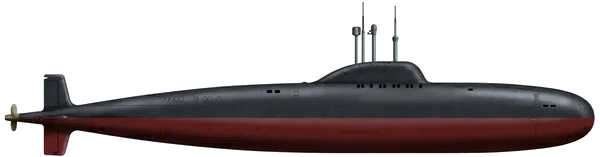 |
Alfa | Project 705 / Lira | 1971 |
| Bravo | Project 690 / Kefal | Not on file | |
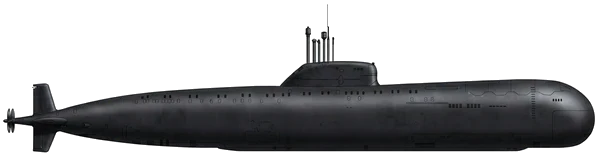 |
Charlie I | Project 670 | 1967 |
|
Charlie II | Project 670M | 1967 |
| Delta I | Project 667B / Murena | Not on file | |
| Delta II | Project 667BD / Murena-M | Not on file | |
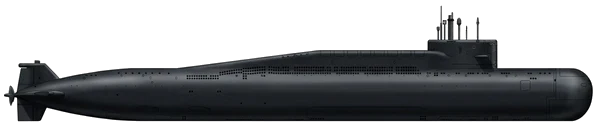 |
Delta III | Project 667BDR / Kalmar | 1976 |
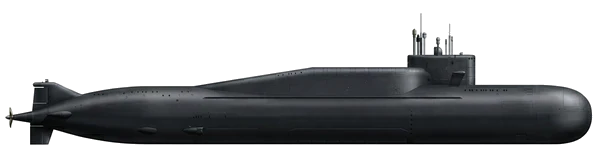 |
Delta IV | Project 667BDRM / Delfin | 1984 |
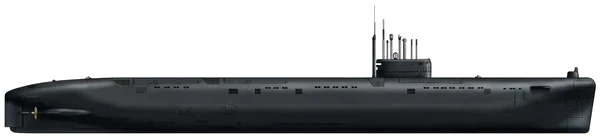 |
Echo I | Project 659 | 1960 |
|
Echo II | Project 675 | 1960 |
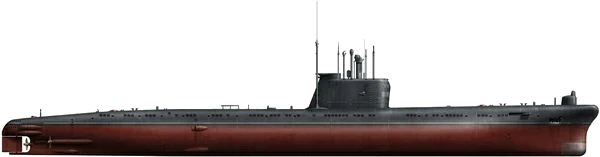 |
Foxtrot | Project 641 | 1958 |
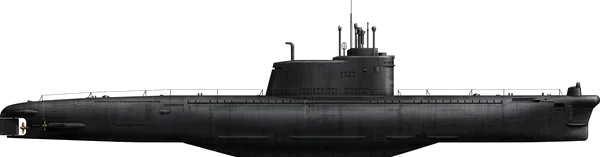 |
Golf I | Project 629 | 1958 |
|
Golf II | Project 629A | 1958 |
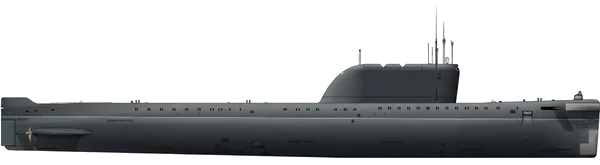 |
Hotel I | Project 658 | 1960 |
|
Hotel II | Project 658M | 1960 |
| Hotel III | Project 701 | Not on file | |
| Improved Kilo | Project 636 | 1980 | |
| India | Project 940 / Lenok | Not on file | |
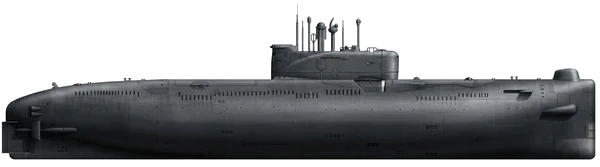 |
Juliett | Project 651 | 1963 |
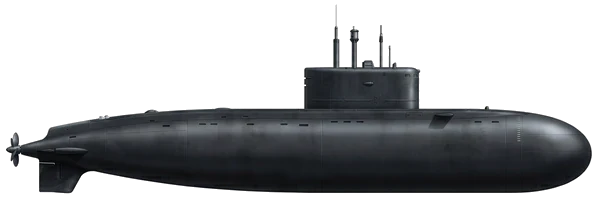 |
Kilo | Project 877 | 1980 |
| Lima | Project 1840 | Not on file | |
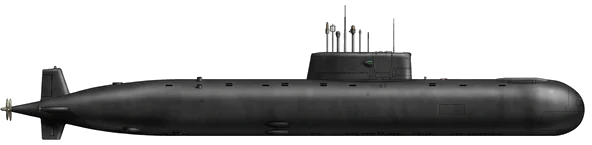 |
Mike | Project 685 / Plavnik | 1983 |
 |
November | Project 627 / Kit | 1959 |
| Oscar I | Project 949 / Granit | Not on file | |
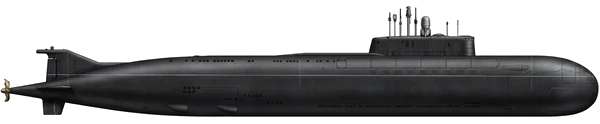 |
Oscar II | Project 949A / Antey | 1980 |
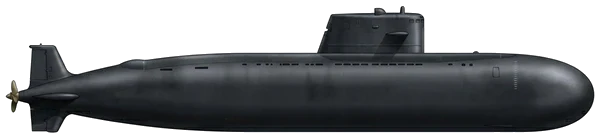 |
Papa | Project 661 / Anchar | 1970 |
| Quebec | Project A615 | Not on file | |
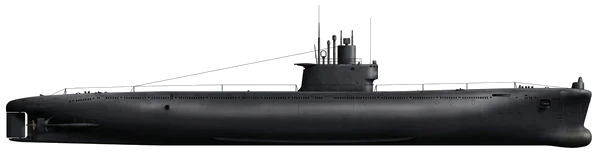 |
Romeo | Project 633 | 1957 |
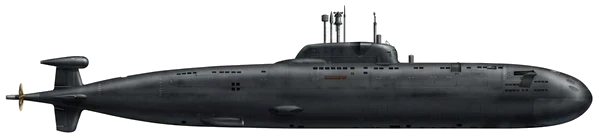 |
Sierra I | Project 945 / Barrakuda | 1984 |
|
Sierra II | Project 945A / Kondor | 1984 |
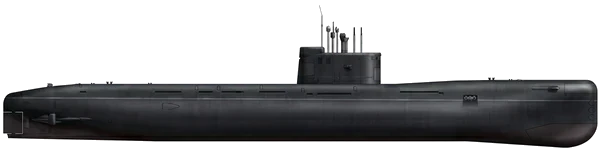 |
Tango | Project 641B / Som | 1972 |
| Uniform | Project 1910 / Kashalot | Not on file | |
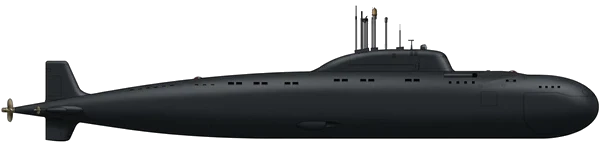 |
Victor I | Project 671 / Yorsh | 1967 |
| Victor II | Project 671RT / Syomga | Not on file | |
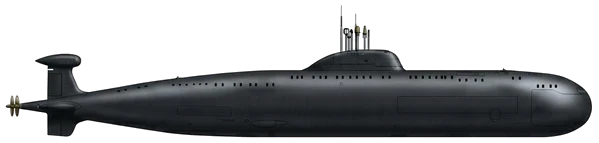 |
Victor III | Project 671RTM / Shchuka | 1978 |
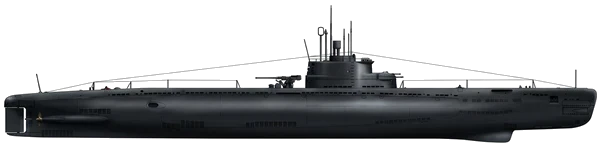 |
Whiskey | Project 613 | 1951 |
|
Whiskey Long Bin | Project 665 | 1951 |
| Whiskey Single Cylinder | Project P613 | Not on file | |
|
Whiskey Twin Cylinder | Project 644 | 1951 |
| X-Ray | Project 1851 / Nelma | Not on file | |
| Yankee Big Nose | Project 09780 / Akson-2 | Not on file | |
 |
Yankee I | Project 667A / Navaga | 1967 |
| Yankee II | Project 667AM / Navaga-M | Not on file | |
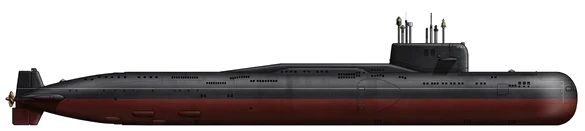 |
Yankee Notch | Project 667AT / Grusha | 1987 |
| Yankee Pod | Project 09774 / Akson | Not on file | |
| Yankee Sidecar | Project 667M / Andromeda | Not on file | |
| Yankee Stretch | Project 09774 | Not on file | |
| Zulu | Project 611 | Not on file | |
| Zulu V | Project AV-611 | Not on file |
| NATO designation | Model | Since | |
|---|---|---|---|
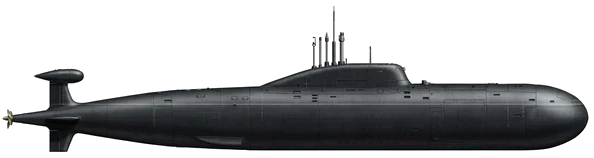 |
Akula | Project 971 / Shchuka-B | 1984 |
| Beluga | Project 1710 | Not on file | |
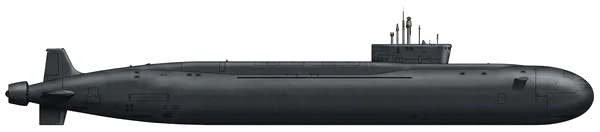 |
Dolgorukiy | Project 955 / 955A Borei | 2013 |
| Losos | Project 865 / Piranha | Not on file | |
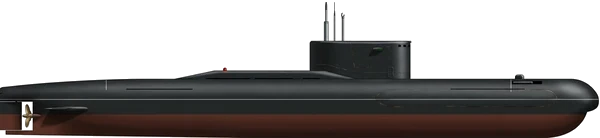 |
Sarov | Project 20120 / Sargan | 2008 |
 |
Severodvinsk | Project 885 / Yasen | 2013 |
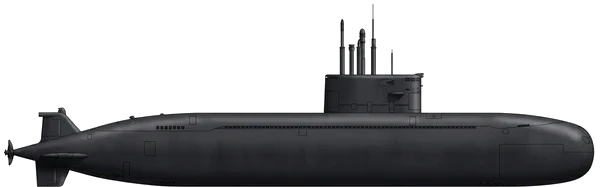 |
St. Petersburg | Project 677 / Lada | 2010 |
 |
Typhoon | Project 941 / Akula | 1981 |
| Whale | Project 617 | Not on file |

Frequently Asked Questions
Why are Soviet submarines called Whiskey, Foxtrot or Victor?
NATO drew names from its phonetic alphabet as the classes were identified — in no particular order — because the real Soviet designations — Project 641, Project 671RTM — were classified or easily confused. Variants took Roman numerals (Victor I to III) and conversions took descriptive tags.
Is Akula the Russian name of the Akula class?
Confusingly, no. The attack submarine NATO calls Akula is Project 971 Shchuka-B in Russian service. The Soviets' own Akula (“shark”) is Project 941 — the giant ballistic-missile boat NATO named Typhoon.
Why are Chinese submarines named after dynasties?
Western analysts use a separate convention for the People's Liberation Army Navy: submarine classes are assigned Chinese dynasty names — Han, Xia, Ming, Song, Jin, Shang, Yuan — keeping them instantly distinguishable from Soviet and Russian classes.
What names do new Russian classes get?
Since the alphabet ran out in the 1980s, new designs have carried Russian-derived names such as Akula or Severodvinsk. In practice many recent classes are now known in the West by their actual Russian project names — Borei, Lada, Yasen.