NATO reporting names for aircraft
Every NATO code name assigned to Soviet, Russian and Chinese aircraft, matched to the designation it stands for — and the grammar that packs the aircraft's role and engine type into a single made-up word.
How the names are built
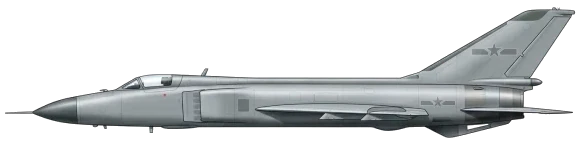
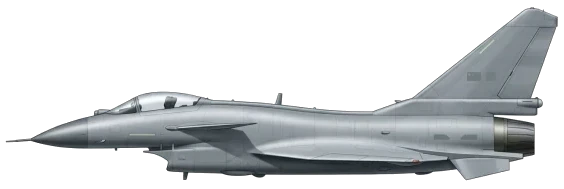
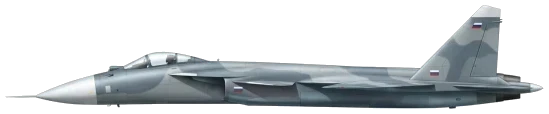
Reporting names are not random. The first letter encodes the aircraft's role: B for bombers, C for cargo and transport aircraft, F for fighters and attack jets, H for helicopters, and M for the miscellaneous types — AWACS, tankers, trainers and maritime patrol aircraft.
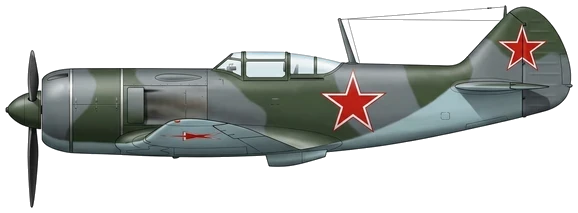
For fixed-wing aircraft the length of the name encodes the powerplant: one syllable means propeller-driven, piston or turboprop (Bear, Colt), two syllables mean jet-powered (Backfire, Fulcrum). Helicopters are exempt from the syllable rule. The words themselves are chosen to be uncommon or invented, so they cannot be confused with anything else said over a radio channel.
| Designation | Reads as |
|---|---|
| Bear | B: bomber · one syllable: propeller-driven — the Tu-95 flies on four turboprops → Tu-95 Bear |
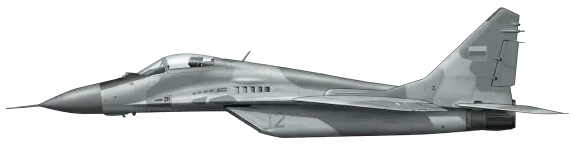
| Fulcrum | F: fighter · two syllables: jet-powered → MiG-29 Fulcrum |
| Candid | C: cargo & transport · two syllables: jet-powered → Il-76 Candid |
| Hind | H: helicopter — the syllable rule does not apply to rotorcraft → Mi-24 Hind |
| Mainstay | M: miscellaneous — airborne early warning · two syllables: jet-powered → A-50 Mainstay |
Seven decades of names, family by family
One lane per first-letter family and one dot per aircraft, placed on the year it entered service. The Cold War fills the fighter and bomber lanes at a rate of a new name every year or two; after 1991 the pace collapses to a handful of types a decade, and the modern names are mostly Chinese.
All names on file
Full database →| NATO designation | Model | Engine | Since | |
|---|---|---|---|---|
| Backfin | Tupolev Tu-98 | — | Not on file | |
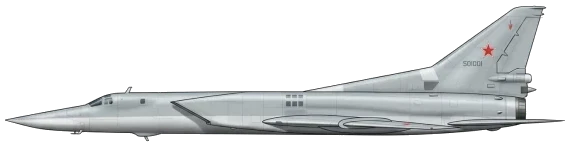 |
Backfire | Tupolev Tu-22M / Tu-26 | Jet | 1973 |
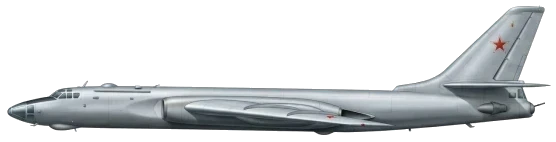 |
Badger | Tupolev Tu-16 / Xian H-6 | Jet | 1954 |
| Bank | North American B-25 Mitchell | — | Not on file | |
| Barge | Tupolev Tu-85 | — | Not on file | |
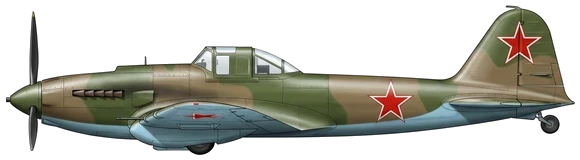 |
Bark | Ilyushin Il-2 | Prop | 1941 |
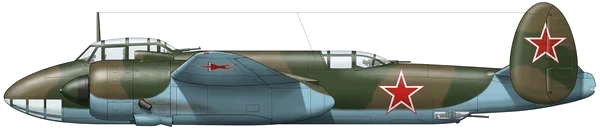 |
Bat | Tupolev Tu-2 | Prop | 1942 |
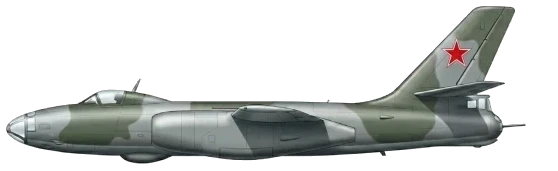 |
Beagle | Ilyushin Il-28 | Jet | 1950 |
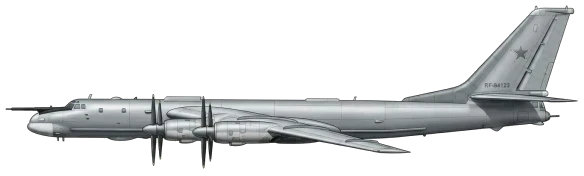 |
Bear | Tupolev Tu-95 | Prop | 1956 |
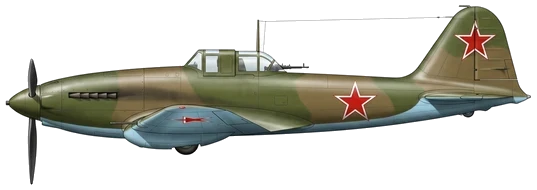 |
Beast | Ilyushin Il-10 | Prop | 1944 |
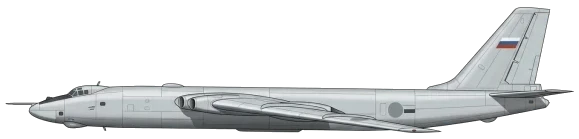 |
Bison | Myasishchev M-4 | Jet | 1953 |
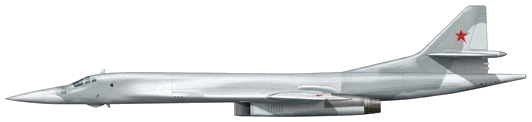 |
Blackjack | Tupolev Tu-160 | Jet | 1987 |
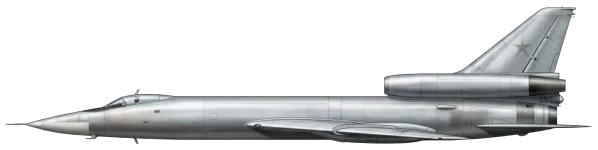 |
Blinder | Tupolev Tu-22 | Jet | 1962 |
| Blowlamp | Ilyushin Il-54 | — | Not on file | |
| Bob | Ilyushin Il-4 | — | Not on file | |
| Boot | Tupolev Tu-91 | — | Not on file | |
| Bosun | Tupolev Tu-14 | — | Not on file | |
 |
Bounder | Myasishchev M-50 | Jet | — |
| Box | Douglas A-20 Havoc | — | Not on file | |
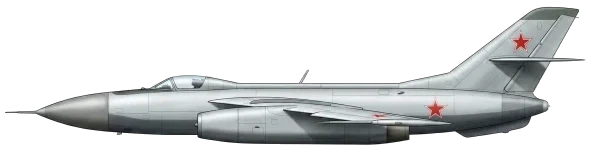 |
Brassard | Yakovlev Yak-28 | Jet | 1964 |
| Brawny | Ilyushin Il-40 | — | Not on file | |
|
Brewer | Yakovlev Yak-28B | Jet | 1964 |
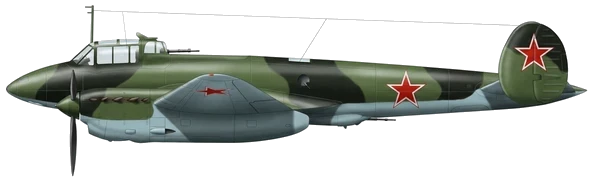 |
Buck | Petlyakov Pe-2 | Prop | 1941 |
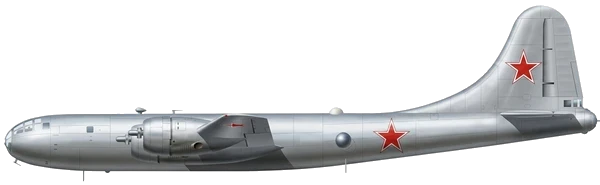 |
Bull | Tupolev Tu-4 | Prop | 1949 |
| Butcher | Tupolev Tu-82 | — | Not on file |
| NATO designation | Model | Engine | Since | |
|---|---|---|---|---|
| Cab | Lisunov Li-2 | — | Not on file | |
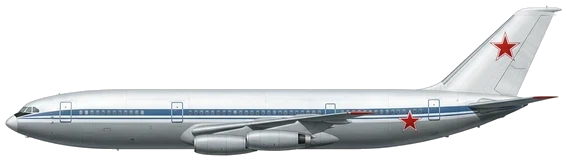 |
Camber | Ilyushin Il-86 | Jet | 1980 |
| Camel | Tupolev Tu-104 | — | Not on file | |
| Camp | Antonov An-8 | — | Not on file | |
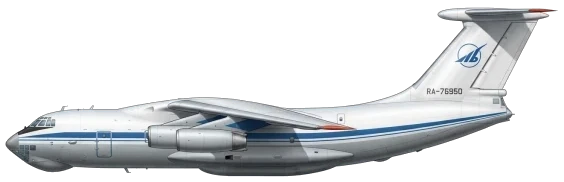 |
Candid | Ilyushin Il-76 | Jet | 1974 |
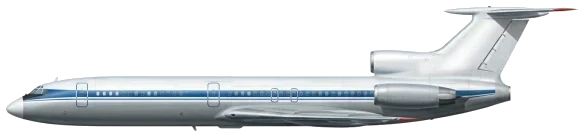 |
Careless | Tupolev Tu-154 | Jet | 1972 |
| Cart | Tupolev Tu-70 | — | Not on file | |
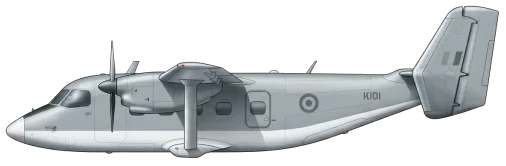 |
Cash | Antonov An-28 | Prop | 1986 |
| Cat | Antonov An-10 | — | Not on file | |
| Chan | Harbin Y-11 | — | Not on file | |
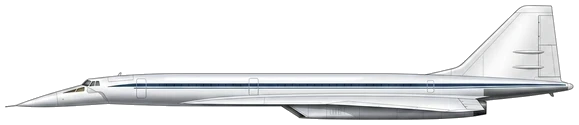 |
Charger | Tupolev Tu-144 | Jet | 1975 |
| Clam | Ilyushin Il-18 (1947) | — | Not on file | |
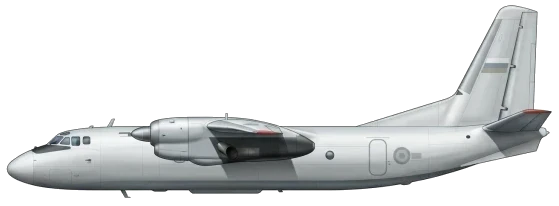 |
Clank | Antonov An-30 | Prop | 1968 |
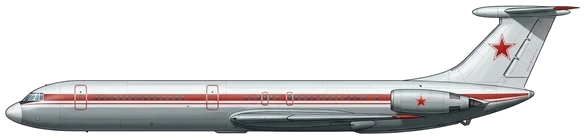 |
Classic | Ilyushin Il-62 | Jet | 1967 |
| Cleat | Tupolev Tu-114 | — | Not on file | |
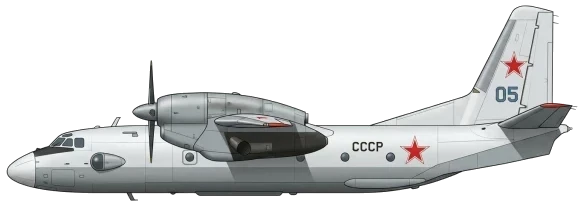 |
Cline | Antonov An-32 | Prop | 1982 |
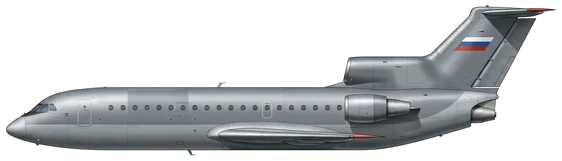 |
Clobber | Yakovlev Yak-42 | Jet | 1977 |
| Clod | Antonov An-14 | — | Not on file | |
| Coach | Ilyushin Il-12 | — | Not on file | |
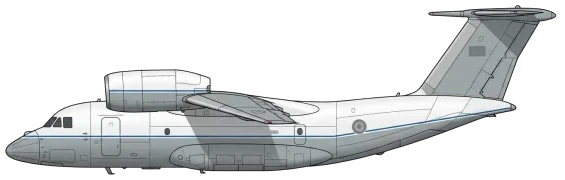 |
Coaler | Antonov An-72 / An-74 | Jet | 1985 |
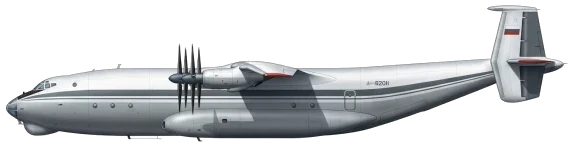 |
Cock | Antonov An-22 | Prop | 1967 |
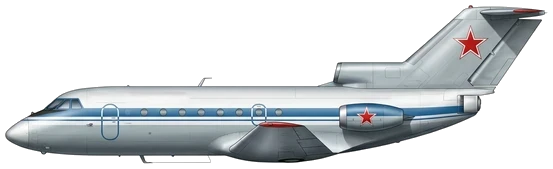 |
Codling | Yakovlev Yak-40 | Jet | 1968 |
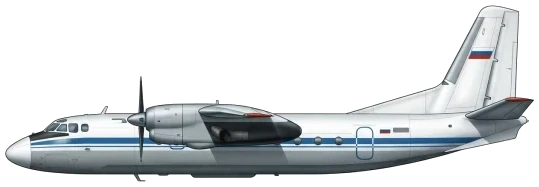 |
Coke | Antonov An-24 | Prop | 1962 |
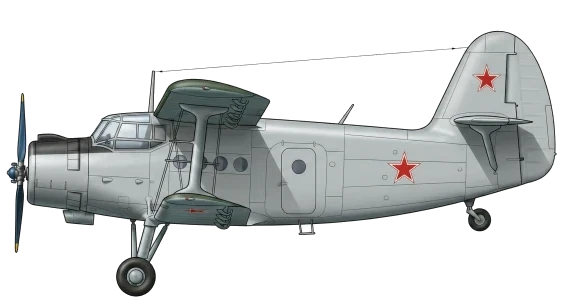 |
Colt | Antonov An-2 | Prop | 1947 |
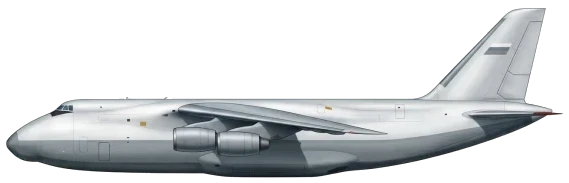 |
Condor | Antonov An-124 | Jet | 1986 |
| Cooker | Tupolev Tu-110 | — | Not on file | |
| Cookpot | Tupolev Tu-124 | — | Not on file | |
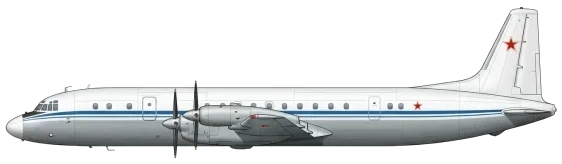 |
Coot | Ilyushin Il-18 / Il-22 | Prop | 1957 |
| Cork | Yakovlev Yak-16 | — | Not on file | |
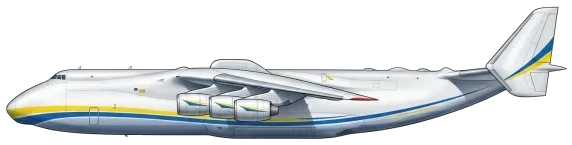 |
Cossack | Antonov An-225 | Jet | 1989 |
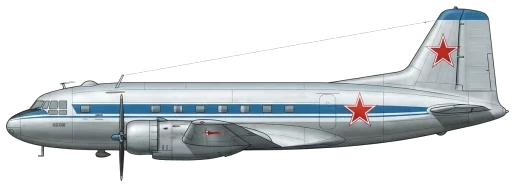 |
Crate | Ilyushin Il-14 | Prop | 1954 |
| Creek | Yakovlev Yak-12 | — | Not on file | |
| Crib | Yakovlev Yak-8 | — | Not on file | |
| Crow | Yakovlev Yak-14 | — | Not on file | |
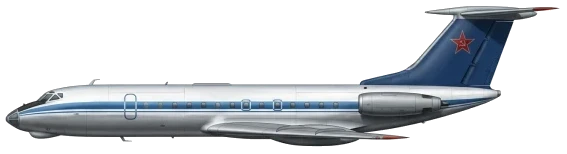 |
Crusty | Tupolev Tu-134 | Jet | 1970 |
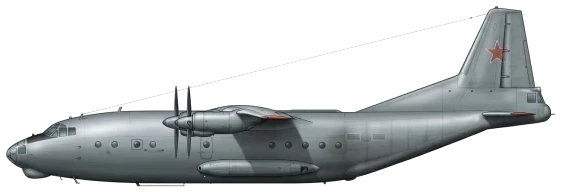 |
Cub | Antonov An-12 | Prop | 1959 |
| Cuff | Beriev Be-30 / Be-32 | — | Not on file | |
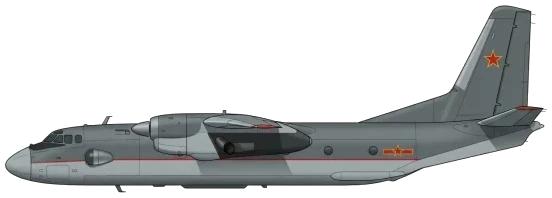 |
Curl | Antonov An-26 | Prop | 1969 |

| NATO designation | Model | Since | |
|---|---|---|---|
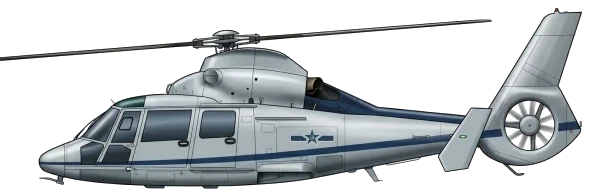 |
Haitun | Harbin Z-9 | 1994 |
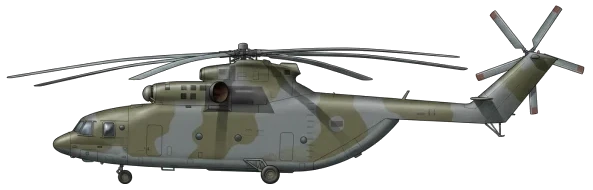 |
Halo | Mil Mi-26 | 1983 |
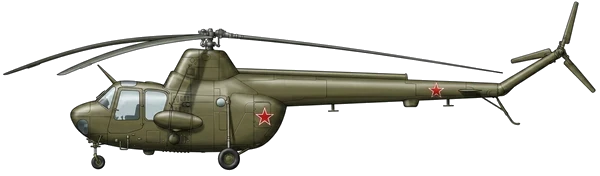 |
Hare | Mil Mi-1 | 1950 |
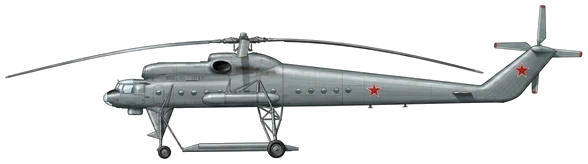 |
Harke | Mil Mi-10 | 1963 |
| Harp | Kamov Ka-20 | Not on file | |
| Hat | Kamov Ka-10 | Not on file | |
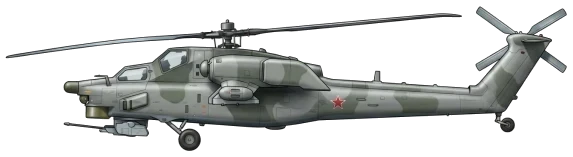 |
Havoc | Mil Mi-28 | 2006 |
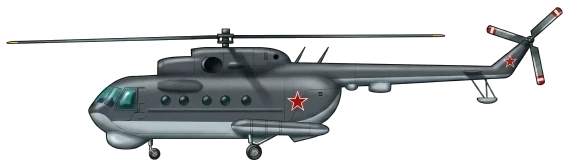 |
Haze | Mil Mi-14 | 1975 |
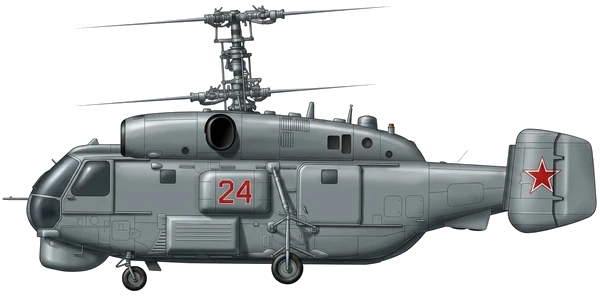 |
Helix | Kamov Ka-27 / Ka-29 / Ka-32 | 1982 |
| Hen | Kamov Ka-15 | Not on file | |
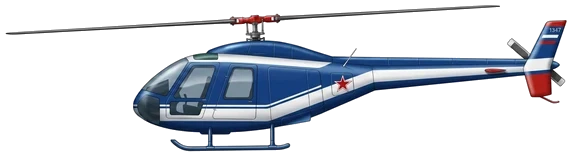 |
Hermit | Mil Mi-34 | 1993 |
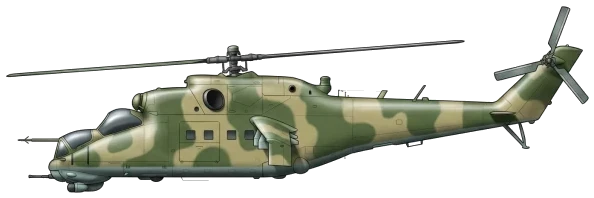 |
Hind | Mil Mi-24 | 1972 |
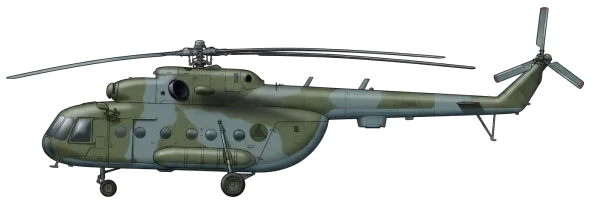 |
Hip | Mil Mi-8 / Mi-9 / Mi-17 | 1967 |
| Hog | Kamov Ka-18 | Not on file | |
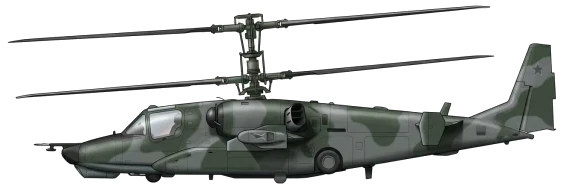 |
Hokum | Kamov Ka-50 / 52 | 1995 |
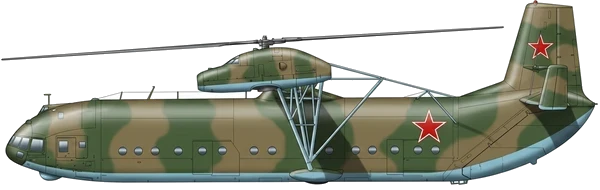 |
Homer | Mil V-12 | — |
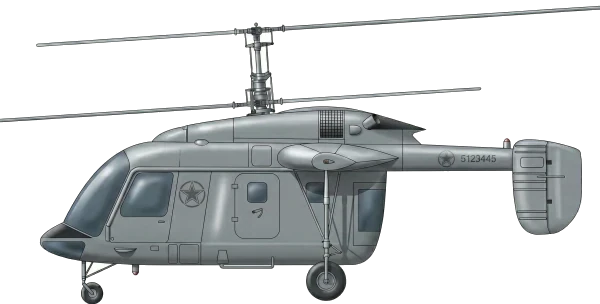 |
Hoodlum | Kamov Ka-26 / Ka-126 / Ka-226 | 2002 |
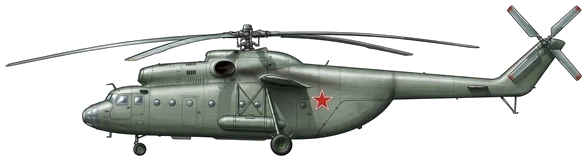 |
Hook | Mil Mi-6 | 1959 |
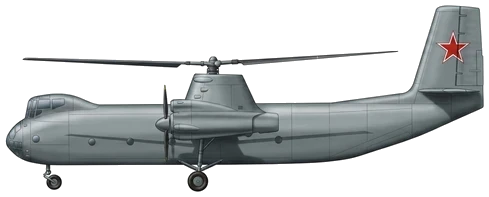 |
Hoop | Kamov Ka-22 | — |
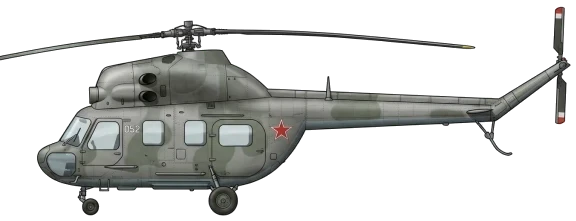 |
Hoplite | Mil Mi-2 | 1965 |
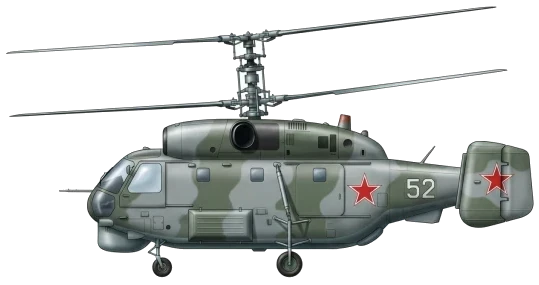 |
Hormone | Kamov Ka-25 | 1968 |
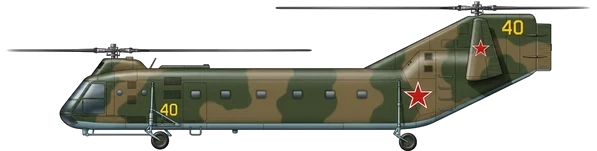 |
Horse | Yakovlev Yak-24 | 1955 |
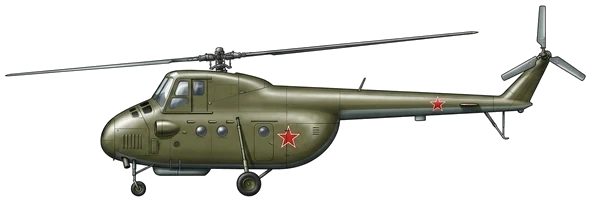 |
Hound | Mil Mi-4 | 1953 |
| NATO designation | Model | Engine | Since | |
|---|---|---|---|---|
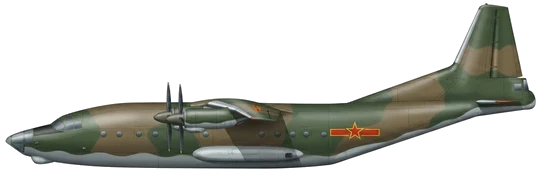 |
Mace | Shaanxi Y-8JB | — | 1981 |
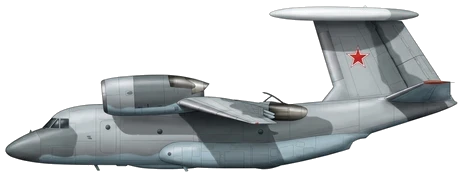 |
Madcap | Antonov An-71 | Jet | — |
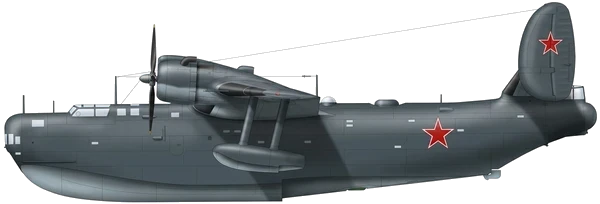 |
Madge | Beriev Be-6 | Prop | — |
|
Maestro | Yakovlev Yak-28U | Jet | 1964 |
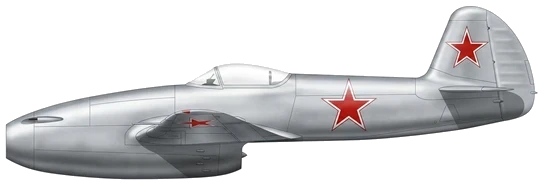 |
Magnet | Yakovlev Yak-17UTI | Jet | 1947 |
| Magnum | Yakovlev Yak-30 | — | Not on file | |
|
Maid | Shaanxi Y-8X | — | 1981 |
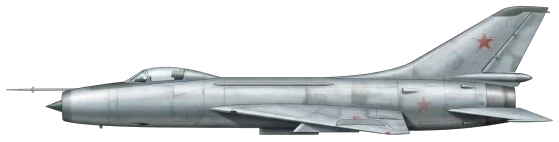 |
Maiden | Sukhoi Su-9U | — | 1959 |
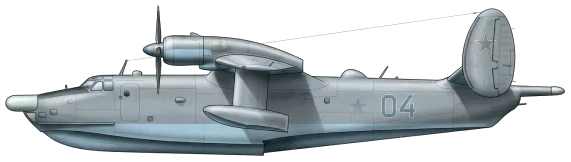 |
Beriev Be-12 | Prop | 1960 | |
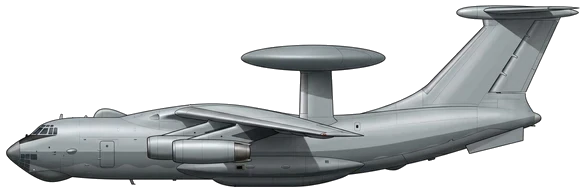 |
Mainring | Shaanxi KJ-2000 | — | 2005 |
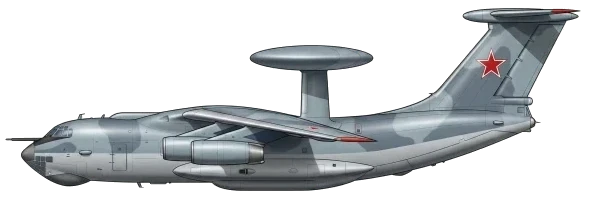 |
Mainstay | Beriev A-50 | Jet | 1985 |
| Mallow | Beriev Be-10 | — | Not on file | |
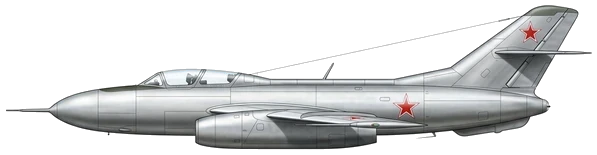 |
Mandrake | Yakovlev Yak-25RV | Jet | 1955 |
| Mangrove | Yakovlev Yak-27R | — | Not on file | |
| Mantis | Yakovlev Yak-32 | — | Not on file | |
| Mare | Yakovlev Yak-14 | — | Not on file | |
| Mark | Yakovlev Yak-7V | — | Not on file | |
|
Mascot | Ilyushin Il-28U | Jet | 1950 |
|
Mask | Shaanxi Y-8J | — | 1981 |
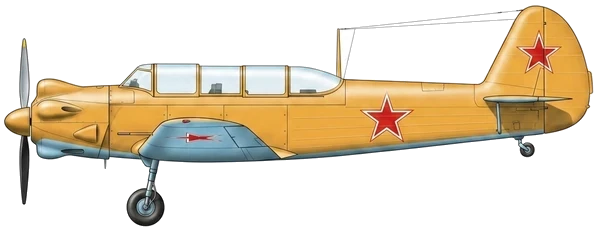 |
Max | Yakovlev Yak-18 | Prop | 1946 |
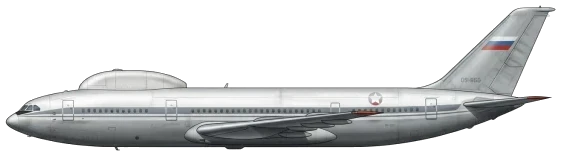 |
Maxdome | Ilyushin Il-80 / Il-86VKP | Jet | 1992 |
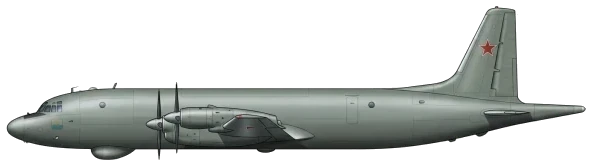 |
May | Ilyushin Il-38 | Prop | 1967 |
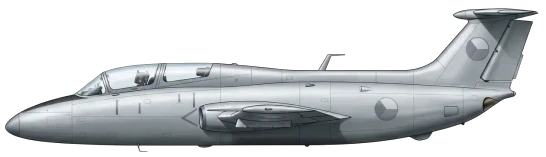 |
Maya | Aero L-29 | Jet | 1961 |
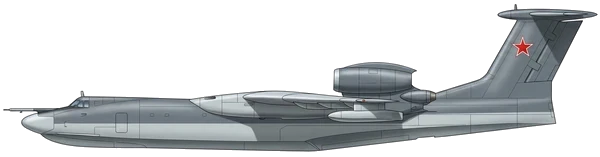 |
Mermaid | Beriev Be-40 | Jet | — |
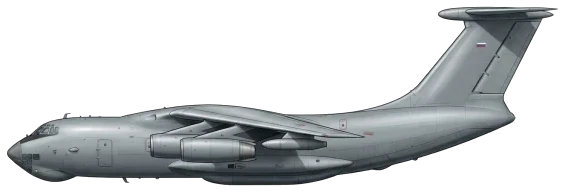 |
Midas | Ilyushin Il-78 | Jet | 1984 |
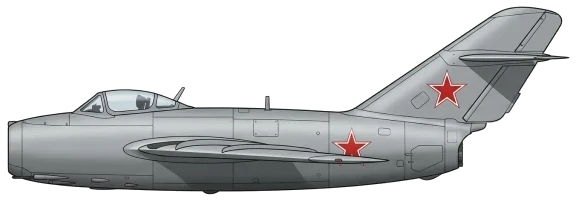 |
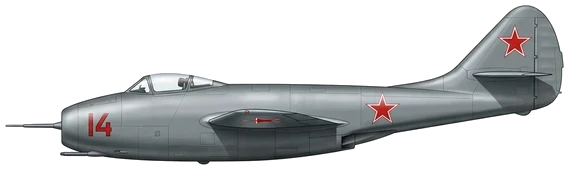
Midget | Mikoyan-Gurevich MiG-15UTI | Jet | 1949 |
| Mink | Yakovlev UT-2 | — | Not on file | |
| Mist | Tsybin Ts-25 | — | Not on file | |
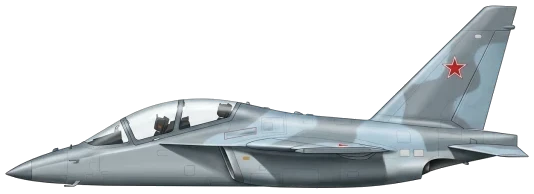 |
Mitten | Yakovlev Yak-130 | Jet | 2010 |
| Mole | Beriev Be-8 | — | Not on file | |
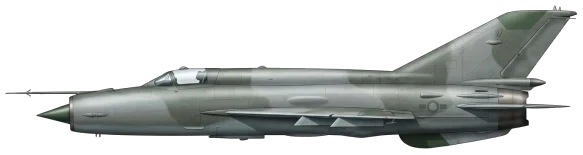 |
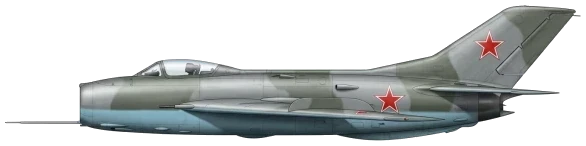
Mongol | Mikoyan-Gurevich MiG-21 two-seat trainer | Jet | 1958 |
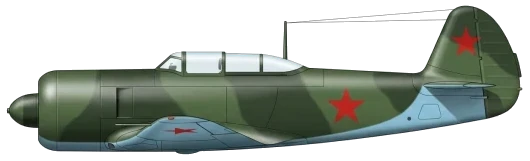 |
Moose | Yakovlev Yak-11 | Prop | 1946 |
| Mop | PBY Catalina | — | Not on file | |
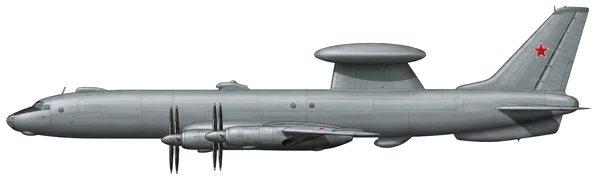 |
Moss | Tupolev Tu-126 | — | 1965 |
| Mote | Beriev MBR-2 | — | Not on file | |
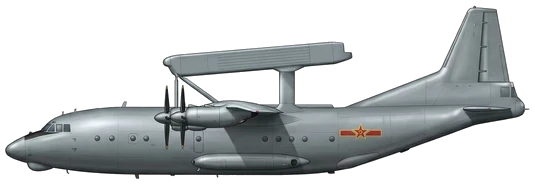 |
Moth | Shaanxi Y-8W / Y8 / KJ-200 | Prop | 2007 |
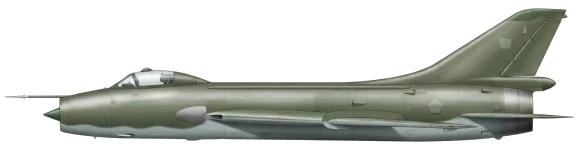 |
Moujik | Sukhoi Su-7U | Jet | 1959 |
| Mug | Beriev Be-4 | — | Not on file | |
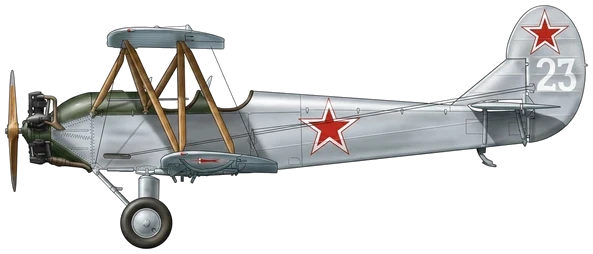 |
Mule | Po-2 | Prop | 1929 |
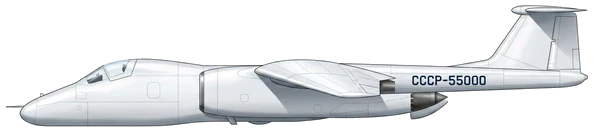 |
Mystic | Myasishchev M-17 / M-55 | Jet | — |
Frequently Asked Questions
Who assigns NATO reporting names?
Historically by the Air Standardization Coordinating Committee, founded in 1948 and now the Five Eyes Air Force Interoperability Council (AFIC), run by a Pentagon-based management committee — sources disagree on whether AFIC still allocates new names or only maintains the list. Despite the label, the body is separate from NATO itself; NATO members and partners then adopt the names for day-to-day use.
Why is the MiG-29 called Fulcrum?
The initial F marks it as a fighter, and the two syllables mark it as jet-powered. Beyond that grammar the word carries no meaning — names are picked to be uncommon, easy to pronounce and hard to confuse over a radio channel.
Do Russian pilots use these names?
No. Russian and Chinese forces use their own designations and nicknames. A few reporting names have nonetheless crossed over informally — some MiG-29 crews adopted Fulcrum after it became known in the West.
Is the system still in use?
Yes. New Russian and Chinese types keep receiving names built on the same rules: the Su-57 stealth fighter was assigned Felon, two syllables for a jet, F for a fighter — the same logic that named the MiG-15 Fagot in the 1950s.