Argentina Retires the Super Étendard for Good, 44 Years After the Falklands
The Argentine Navy announced on August 20 the definitive retirement of its Dassault Super Étendard strike jets under Plan Dédalo, ending a 44-year career and leaving naval aviation with no fixed-wing combat aircraft.

The Argentine Navy will retire its Super Étendard strike aircraft for good before the end of 2026, the commander of naval aviation announced on August 20 at Punta Indio Naval Air Base. The decision, recorded as a fleet retirement on this site, is part of Plan Dédalo, a five-year restructuring of Argentine naval aviation, and closes a chapter that began with the type's combat debut in the 1982 Falklands War.
The official statement spoke of "more than four decades of glorious historical trajectory" and of the aircraft's performance in the South Atlantic. In practice the fleet had not flown for years. Argentina ordered 14 Super Étendards from France in 1979; five had been delivered when the war broke out, and those five, armed with the AM-39 Exocet, sank the destroyer HMS Sheffield on May 4, 1982 and the container ship Atlantic Conveyor on May 25. The remaining nine arrived after the conflict.
The second half of the story is the one that decided the outcome. In 2018 Argentina bought five ex-French Navy Super Étendard Modernisé airframes, with spares and a simulator, for €14 million, intending to restore an air-launched anti-ship capability. The aircraft were delivered in May 2019 and never entered service. Their Martin-Baker Mk 6 ejection seats depend on pyrotechnic cartridges that require British export authorization, and the United Kingdom has restricted military exports to Argentina since 1982. A domestic attempt to certify replacement components failed airworthiness review, and a former defense minister later reported that France had confirmed the aircraft could not be recovered, both because of the seats and because parts for the retired SEM variant could no longer be manufactured. The five jets remained in storage at Comandante Espora Naval Air Base.
With both batches withdrawn at once, the Argentine Navy's air arm is left with no fixed-wing combat aircraft and no organic anti-ship strike capability, and Plan Dédalo does not provide for a replacement. What it does provide is a reorganization of units and bases, a doctrinal update and a modest recapitalization on the patrol and utility side: two ex-Norwegian P-3C Orion maritime patrol aircraft, the progressive replacement of the Beechcraft B200 fleet by B360s, AW109 helicopters in place of the AS555 Fennec, and Shield AI V-BAT unmanned aircraft. The naval inventory recorded on this site already shows eight AW109s on order and a single P-3C on strength.
The British embargo remains a structural constraint on every Argentine purchase that includes UK-origin parts. The Air Force's acquisition of 24 ex-Danish F-16s, agreed in 2024 and still undelivered, also needed authorizations covering British components. Argentina currently ranks 54th in the global military power ranking, and its combat aviation rests on a handful of A-4AR Skyhawks pending the arrival of the Falcons.
Of the 85 Super Étendards built, the French Navy retired its last examples in 2016, which makes Argentina's ten airframes the final ones on any military register. The Defence Ministry has not said what will become of them, and the exact date of the withdrawal ceremony has yet to be set.
More News
All news →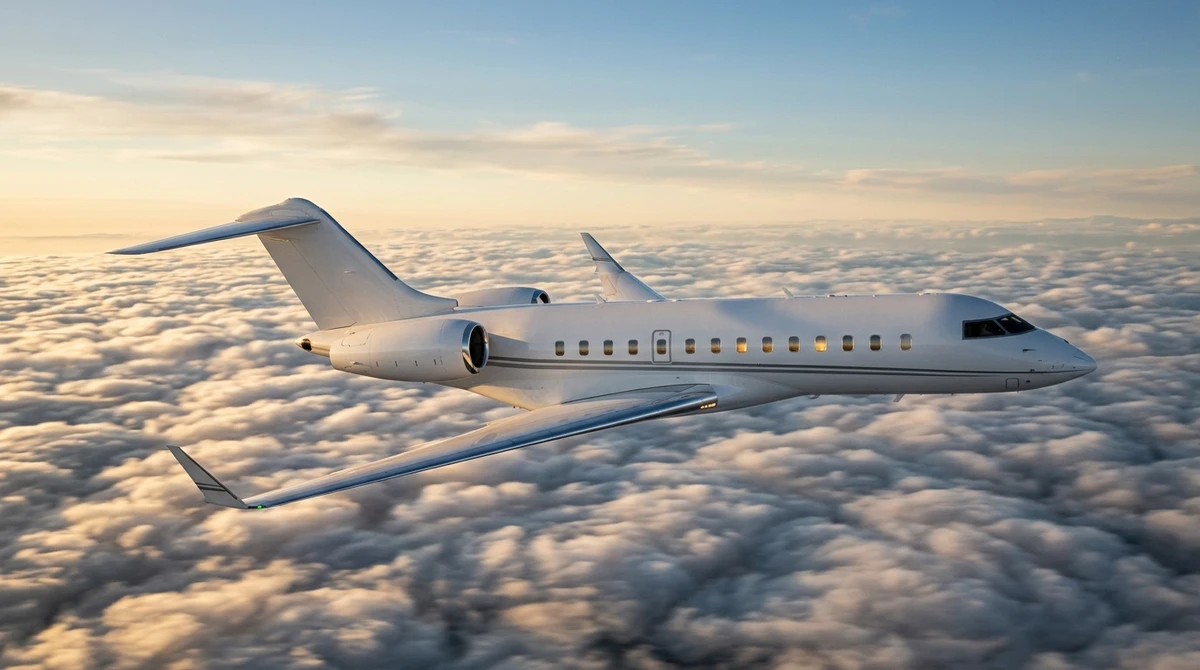
Bombardier Global Express Turns 30 With More Military Jets on Order Than in Service
Thirty years after its first flight from Toronto on October 13, 1996, the Bombardier Global Express has become a platform for military special-mission aircraft, and GlobalMilitary.net's inventory data now counts more Global-based military aircraft on order than in service.
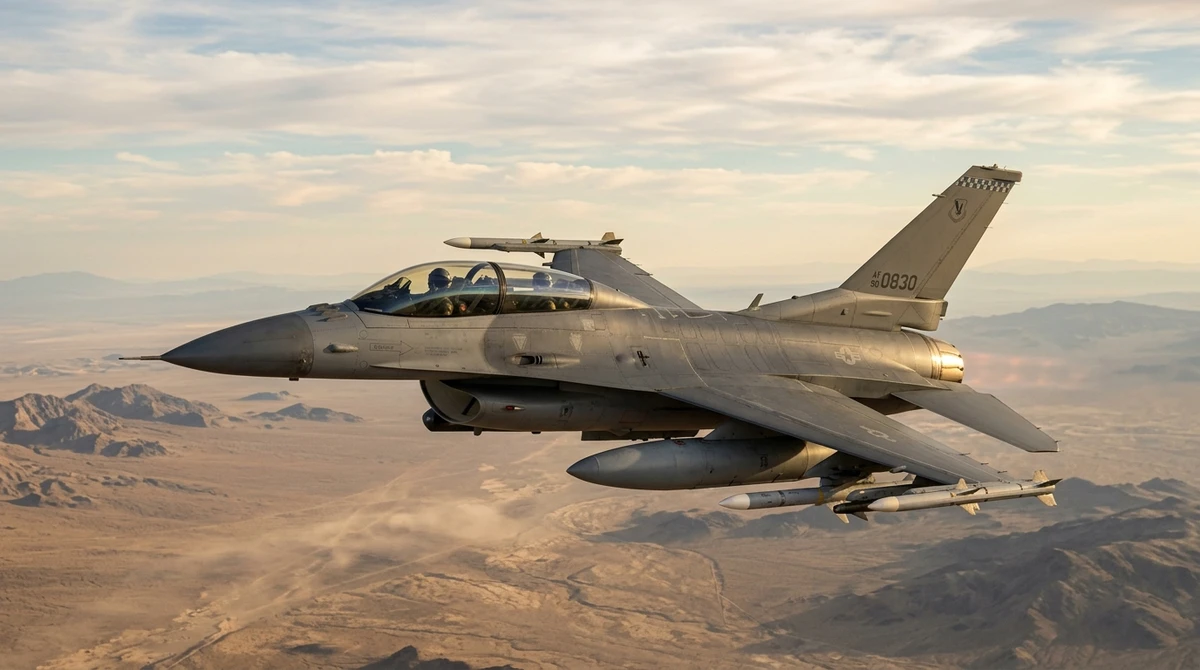
Morocco's First F-16 Block 72 Makes Maiden Flight, the First Pratt & Whitney-Powered Viper to Fly
Lockheed Martin said on October 6 that the Royal Moroccan Air Force's first F-16 Block 72, a two-seat F-16D, had flown from its Greenville, South Carolina, plant, the first flight of the Pratt & Whitney-engined version of the latest-generation Fighting Falcon.
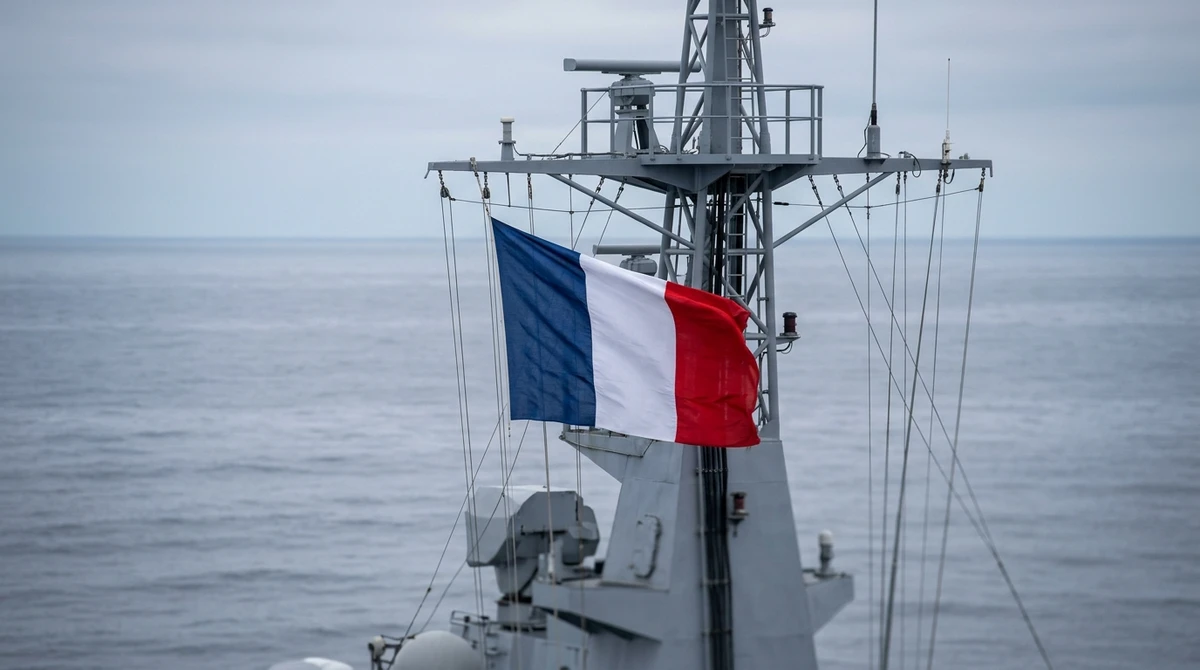
France Fires M51.3 Nuclear-Capable Missile From a Submarine for the First Time
The French Navy ballistic-missile submarine Le Vigilant launched an M51.3 without a nuclear warhead off Finistère, western France, on October 6, 2026, the first submarine firing of the missile's latest version, Defense News reported.

Spain Selects Airbus A321 as Platform for Three SIGINT Aircraft in €436M Program
Spain has chosen the Airbus A321 as the platform for three signals-intelligence aircraft for the Spanish Air and Space Force, restoring a dedicated airborne SIGINT capability the country has lacked since its Boeing 707 was retired in 2014.
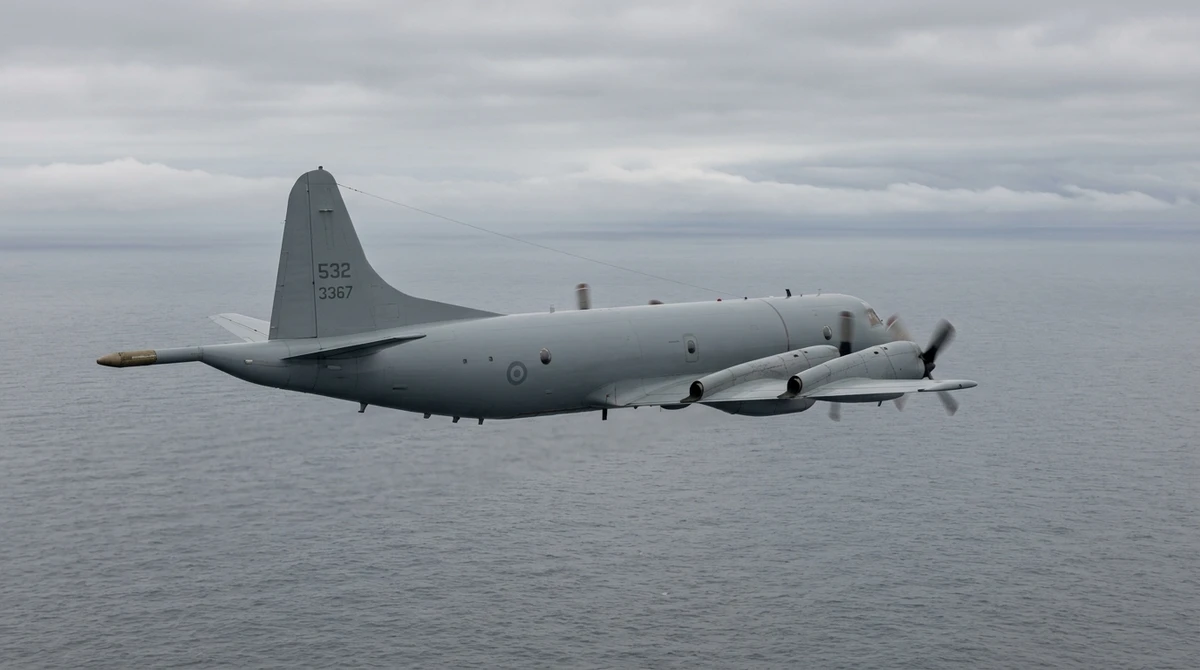
P-3 Orion Fleet Down to 101 Aircraft in 12 Countries, Roughly Half Its 2022 Size
GlobalMilitary.net's inventory data counts 101 P-3 Orions in military service across 12 countries, down from 211 in 16 countries in its 2022 snapshot, as US agencies retire special-mission Orions and Japan draws down the largest remaining fleet.
Bréguet Alizé Turns 70: French Carrier Submarine Hunter Served From 1959 to 2000
The prototype of the Bréguet Br.1050 Alizé, the French Navy's carrier-based anti-submarine turboprop, first flew from Toulouse-Blagnac on 6 October 1956; 89 were built, and the type served France until September 2000 and India until 1991.