Australia Lays the Keel of Its First Hunter Frigate as the Type 26 Reaches 34 Hulls in Four Navies
BAE Systems Australia laid the keel of NUSHIP Hunter at Osborne on 24 August 2026, starting hull assembly on the first of six ships and taking the British Type 26 design to 34 hulls ordered across the Royal Navy, Australia, Canada and Norway.
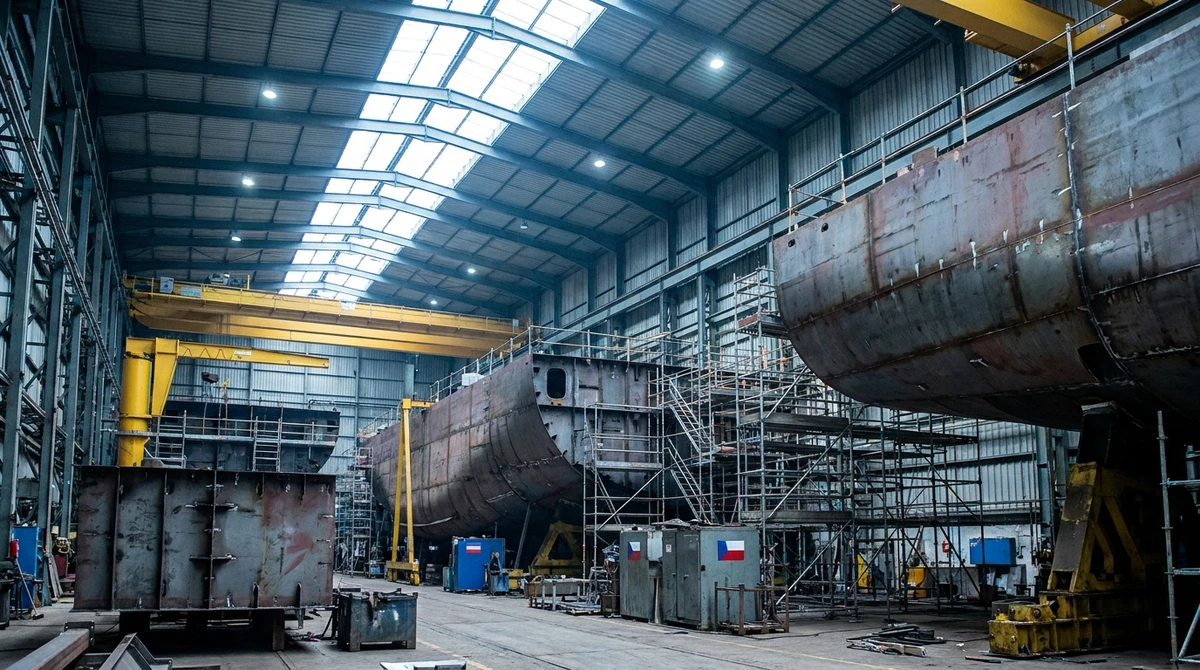
Shipbuilders at BAE Systems Maritime Australia laid the keel of NUSHIP Hunter at the Osborne Naval Shipyard in South Australia on 24 August 2026, formally starting hull assembly on the first of the Royal Australian Navy's new anti-submarine frigates. The Minister for Defence Industry and the Chief of Navy placed a coin beneath two ship blocks, the customary marker of the milestone.
The ceremony follows the first steel cut in June 2024. Defence said more than 60 percent of the ship was in fabrication or construction as of June 2026, with 20 of the first hull's 22 blocks under way. The first Hunter is due to enter service in the early 2030s, replacing the oldest of the eight Anzac-class frigates that have carried the fleet's escort work since 1996.
Six ships are now planned, down from the nine originally contracted in December 2018. The reduction came out of the February 2024 surface fleet review, which redirected money toward a larger force of smaller combatants while lifting the Navy's overall warship count. The two ships behind Hunter, Flinders and Tasman, are already on order.
The design itself is not Australian. The Hunter is a heavily modified version of BAE Systems' Type 26 Global Combat Ship, and the Australian variant has drawn criticism for weight growth: Australia has fitted a different radar and combat system to a hull already displacing around 8,000 tonnes in its British form, more than twice the 3,600 tonnes of the Anzac it replaces. Navy Lookout reported continued concerns over margins on the Australian ships as construction begins.
What the keel laying underlines is how far the Type 26 has travelled as an export. Counting every hull ordered or planned, GlobalMilitary.net's fleet records now show 34 ships in four navies built on the design:
- Royal Navy — 8 City-class Type 26, two of them fitting out
- Royal Canadian Navy — 15 River-class destroyers, the first three under an C$8 billion construction contract signed in March 2025
- Royal Australian Navy — 6 Hunter-class
- Royal Norwegian Navy — 5 frigates, selected in September 2025 under a deal worth about £10 billion, the largest British warship export since the Second World War
That makes it the most widely adopted Western surface-combatant design of the decade, and it explains why the Canadian and Norwegian programs are watched in Canberra: the three export operators share a hull whose growth in weight and cost has drawn recurring criticism, notably in Australian National Audit Office reviews of the program.
For Australia, the Hunters are the anti-submarine half of a fleet whose surface strike now rests on three Hobart-class destroyers. Australia sits in the upper tier of the world's frigate fleets ranking largely on Anzac numbers, and the transition between the two classes will be the tightest point of the program: the Anzacs age out through the 2030s while Hunter deliveries have yet to demonstrate their pace.
More News
All news →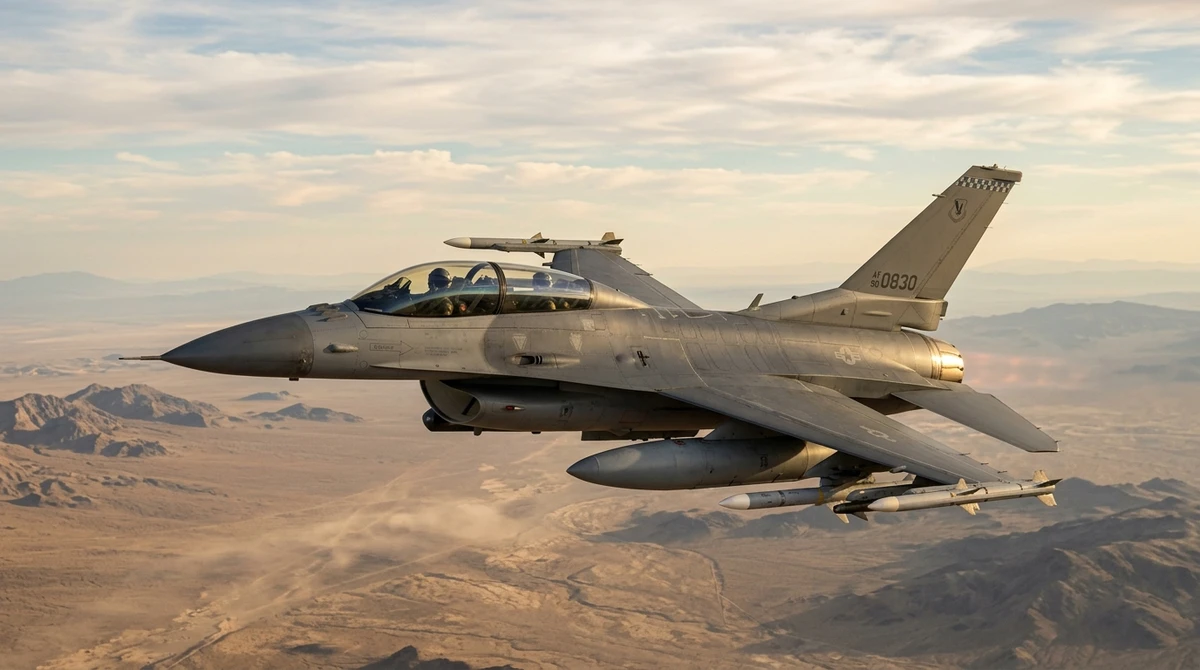
Morocco's First F-16 Block 72 Makes Maiden Flight, the First Pratt & Whitney-Powered Viper to Fly
Lockheed Martin said on October 6 that the Royal Moroccan Air Force's first F-16 Block 72, a two-seat F-16D, had flown from its Greenville, South Carolina, plant, the first flight of the Pratt & Whitney-engined version of the latest-generation Fighting Falcon.

First HACM Hypersonic Cruise Missile Flight Test Unit Released Over Australia
The U.S. Air Force says a Hypersonic Attack Cruise Missile flight test unit was released by the Royal Australian Air Force over an Australian test range, without disclosing the date, the launch aircraft or whether the scramjet-powered weapon achieved powered flight.

Spain Selects Airbus A321 as Platform for Three SIGINT Aircraft in €436M Program
Spain has chosen the Airbus A321 as the platform for three signals-intelligence aircraft for the Spanish Air and Space Force, restoring a dedicated airborne SIGINT capability the country has lacked since its Boeing 707 was retired in 2014.
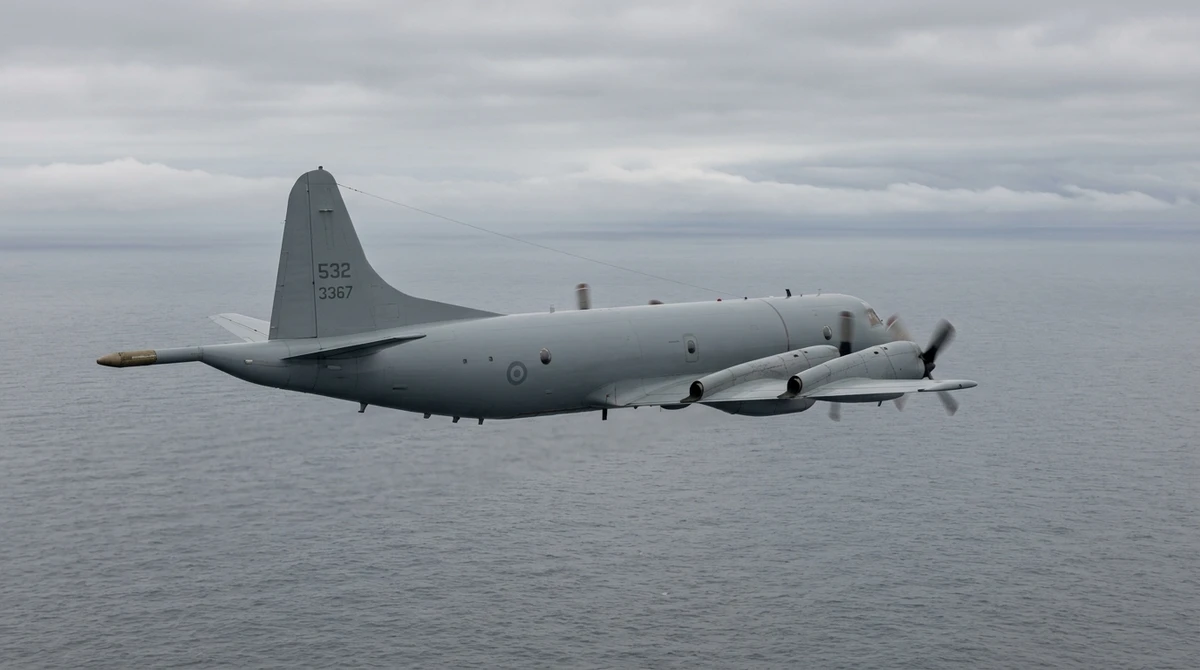
P-3 Orion Fleet Down to 101 Aircraft in 12 Countries, Roughly Half Its 2022 Size
GlobalMilitary.net's inventory data counts 101 P-3 Orions in military service across 12 countries, down from 211 in 16 countries in its 2022 snapshot, as US agencies retire special-mission Orions and Japan draws down the largest remaining fleet.

Northrop Grumman's YFQ-48A Talon Blue Completes First Fully Autonomous Flight at Mojave
Northrop Grumman said on October 3, 2026 that its company-funded YFQ-48A Talon Blue had taxied, taken off, maneuvered and landed without pilot input at Mojave, California, as the US Air Force prepares to select designs for Increment 2 of its Collaborative Combat Aircraft program.
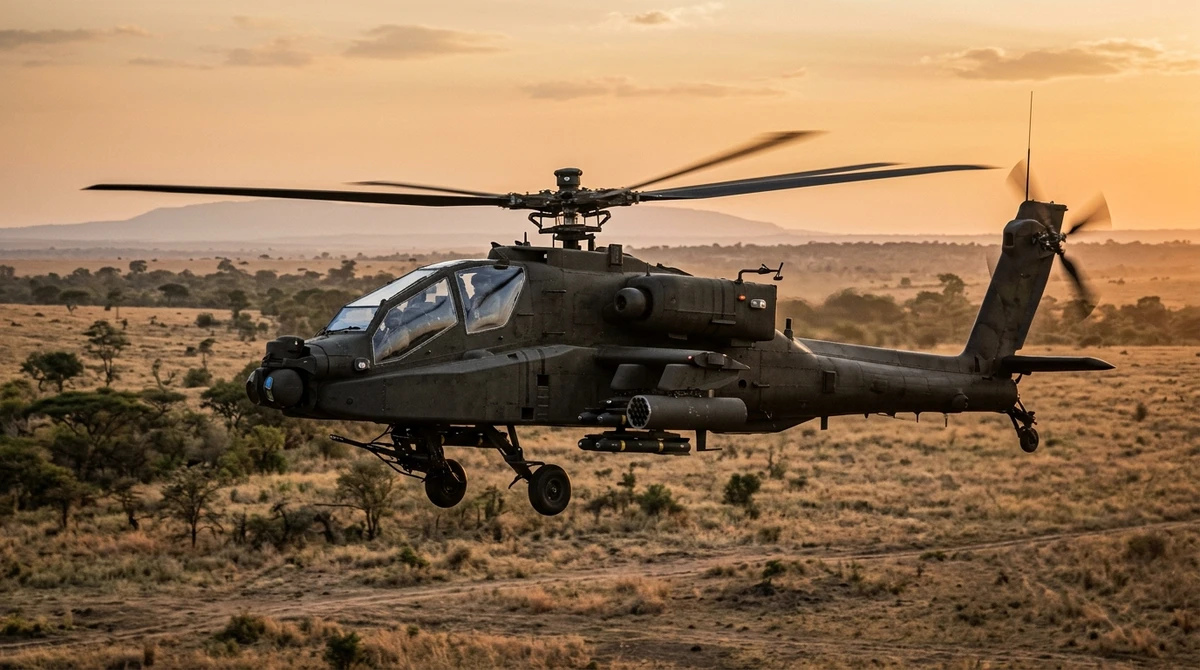
Australia Retires Its Tigers, Leaving Three Operators Among the World's 3,623 Attack Helicopters
The Australian Army has retired its Tiger attack helicopters, marking the fleet's sundown in Darwin on 30 September and leaving France, Germany and Spain as the only users; GlobalMilitary.net data counts 3,623 active attack helicopters in 81 countries.