2,621 F-16s Still Fly With 27 Air Forces, GlobalMilitary.net Data Shows
Forty-seven years after entering service, the F-16 remains the most numerous combat aircraft in the world outside China and Russia, with 2,621 airframes active across 27 air forces in GlobalMilitary.net's 2026 inventory data.
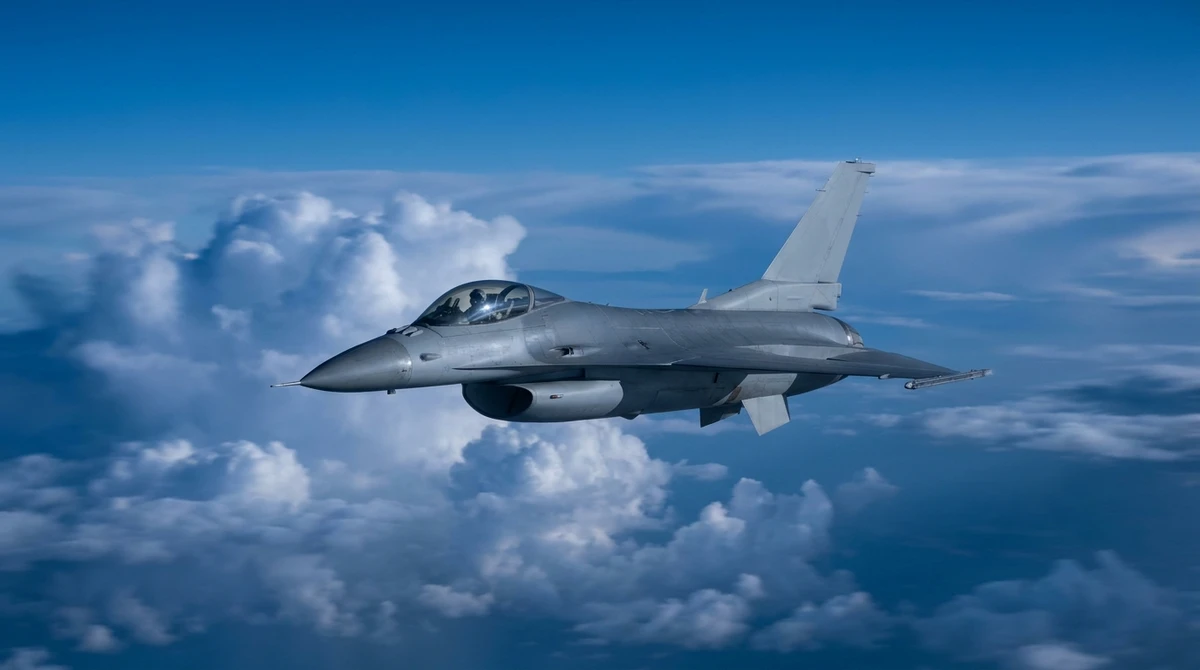
The F-16 Fighting Falcon entered service in 1979. In GlobalMilitary.net's 2026 inventory data it is still the most widely operated combat aircraft on the planet: 2,621 airframes active with 27 air forces, more than two and a half times the 1,041 F-35s now in service and ahead of every Russian and Chinese type in the database.
Of the 4,604 F-16s built, roughly 57 percent are still flying. The United States operates 784 of them, followed by Turkey with 238 and Egypt with 218. South Korea (167), Greece (152), Israel (149) and Taiwan (138) complete the group of operators with more than a hundred airframes, and together those seven account for roughly seven of every ten F-16s in service.
The rest of the fleet is spread thin and wide, which is the more revealing half of the picture. Twenty air forces fly the type in double or single digits: the United Arab Emirates (76), Pakistan (75), Jordan (61), Singapore (60), Belgium (52), Romania (49), Poland (47), Chile and Thailand (46 each), Denmark (36), Iraq (34), Indonesia (33), Bahrain (32), Ukraine (31), Portugal (25), Morocco and Oman (23 each), Slovakia (14), Bulgaria (8) and Venezuela (4). No other Western fighter comes close to that spread; it is the reason a used F-16 market exists at all, and why second-hand transfers keep redrawing the map faster than new production does.
Ukraine is the clearest example. Its 31 aircraft were assembled entirely from European donations, and the fleet is being consumed as fast as it is built up: an F-16AM was lost near Kremenchuk in Poltava Oblast on 29 July 2026, one of several attrition losses since deliveries began. The same fleet also produced the type's most-discussed recent success, when a US general confirmed a Ukrainian F-16's first air-to-air kill of a Russian fighter in Senate testimony on 21 July.
At the other end, the second-largest operator is already building its own replacement. Turkey's 238 F-16s are the core of an air force locked out of the F-35 program, and Ankara's answer is KAAN, whose P1 prototype began taxi trials on 1 August 2026. Several European operators are on the opposite path: Belgium, Denmark, Poland, Romania, Portugal, Slovakia and Bulgaria are all F-35 customers or F-16 recipients topping up ageing fleets, so the European share of the total will keep shifting for another decade rather than collapsing at once.
The comparison that matters for the 2030s is not F-16 against F-35 but F-16 against time. Lockheed Martin's Greenville plant, the only active F-16 production line in the world, is working through a backlog of more than a hundred Block 70/72 aircraft for Bahrain, Bulgaria, Slovakia, Morocco and Taiwan, so the fleet has fresh airframes entering at the bottom even as the oldest Block 15s retire. Across the air forces of the world ranked by fleet size, the F-16 remains the single type most likely to be found in any given inventory — a position no fifth-generation fighter will inherit before the 2040s.
All figures are drawn from GlobalMilitary.net's 2026 air force inventories, counting airframes recorded as active; aircraft in storage, reserve or awaiting delivery are excluded.
More News
All news →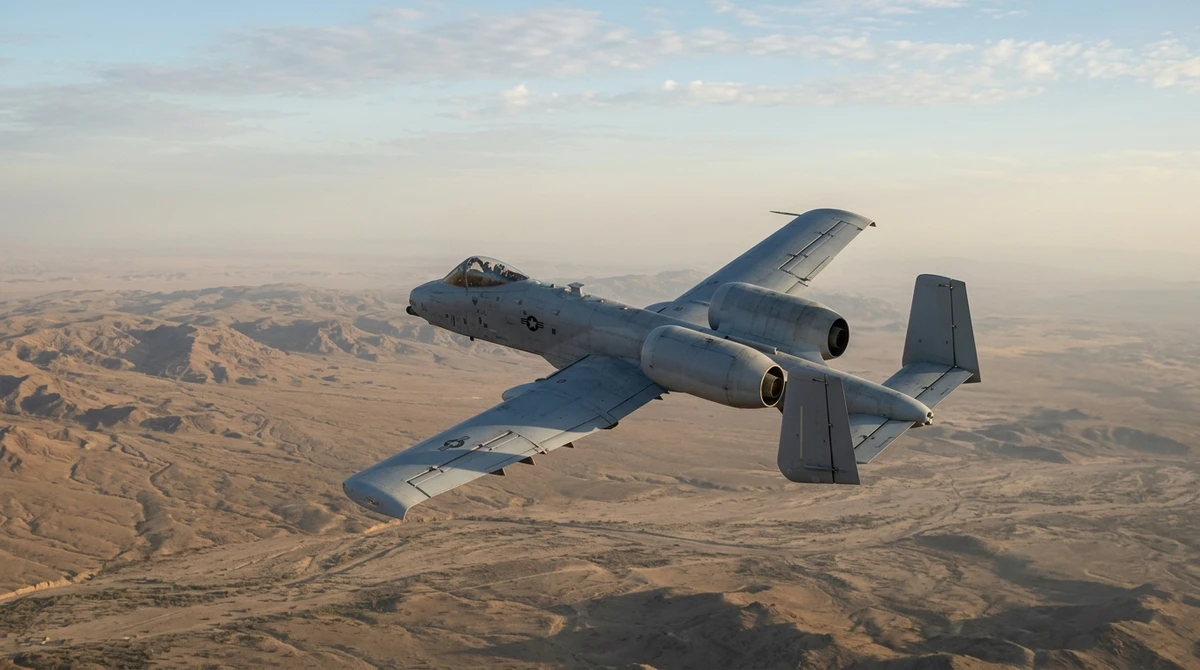
Davis-Monthan Inactivates Four A-10 Units, Ending the Base's Thunderbolt II Mission
The US Air Force inactivated four A-10 units at Davis-Monthan Air Force Base, Arizona, on September 18, 2026, ending the type's presence at the base while the FY2026 defense authorization act holds the fleet at no fewer than 103 aircraft through fiscal 2026.
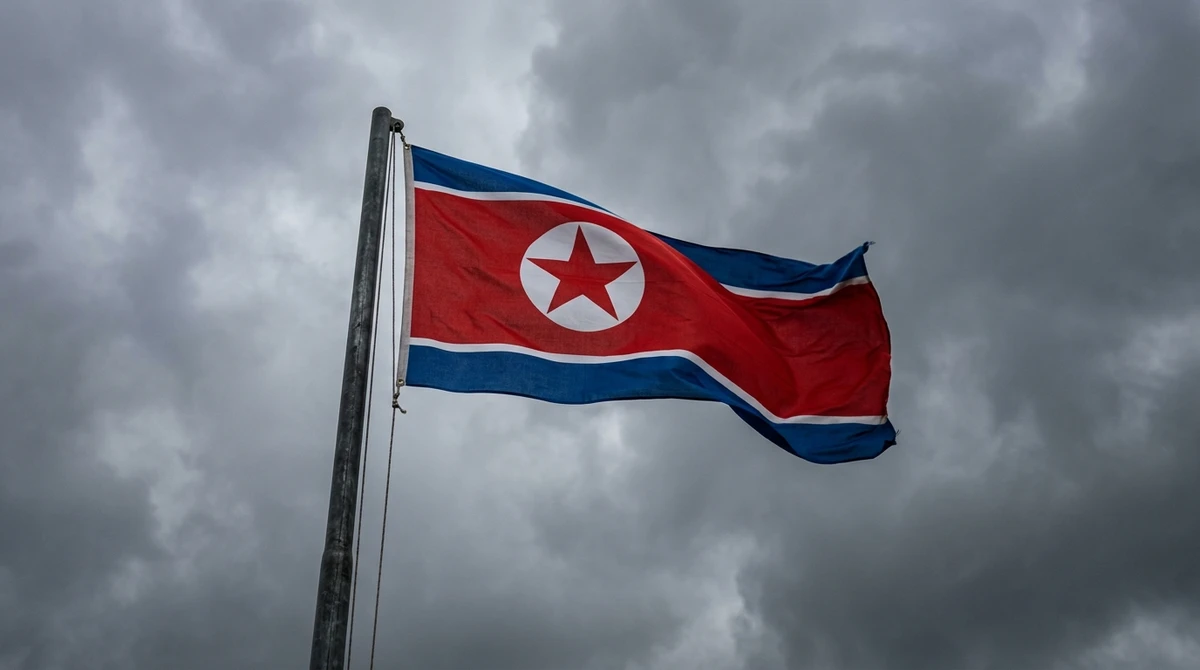
North Korea Fires Two Short-Range Ballistic Missiles Toward the East Sea
North Korea launched two short-range ballistic missiles from the Wonsan area toward the East Sea on September 20, 2026, one flying about 450 km and the other more than 600 km, South Korea's Joint Chiefs of Staff said; Japan said neither landed in its territorial waters.
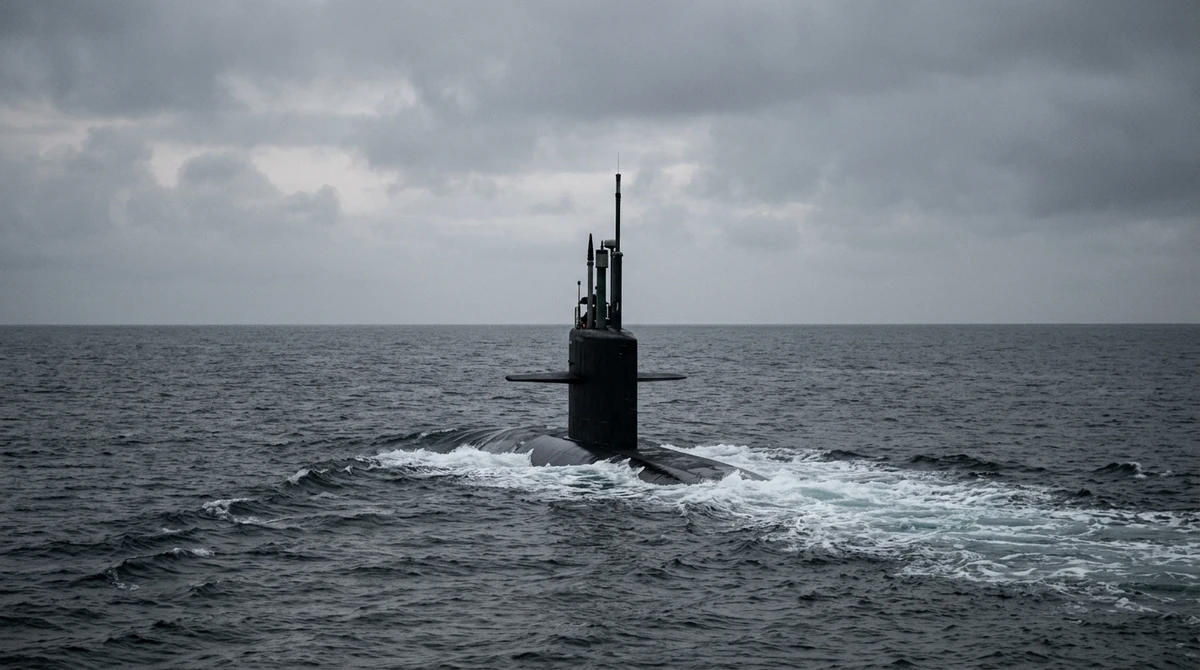
Nuclear vs Air-Independent Propulsion: How a Submarine Runs Without Air, and What Japan Is Weighing
After Japan's defense minister declined on September 11, 2026 to rule out nuclear-powered submarines, a technical explainer on how a reactor, a Stirling engine, a fuel cell and a lithium-ion battery each keep a boat under water, and what each one buys.
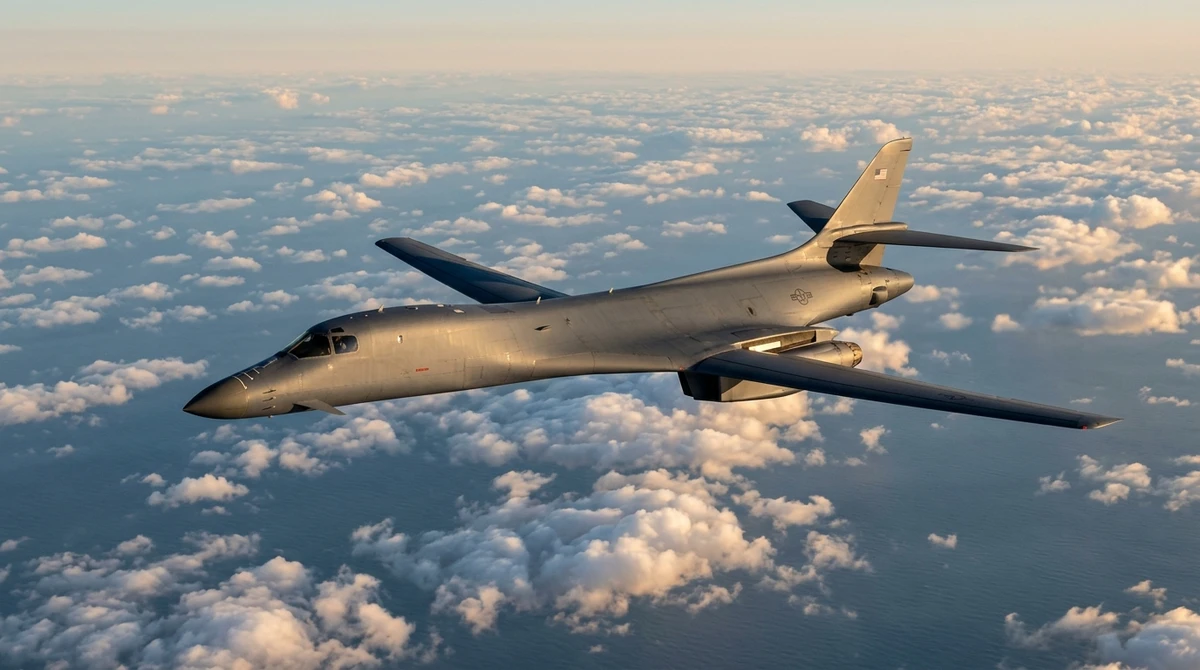
US Air Force to Extend B-1 and B-2 Service Lives With Only Three B-21s in the Fleet
Air Force Global Strike Command said on 17 September 2026 that the B-1 Lancer and B-2 Spirit will fly beyond their planned retirements, keeping a US bomber force built on 1955, 1986 and 1993 designs in service while the B-21 Raider arrives at three aircraft.
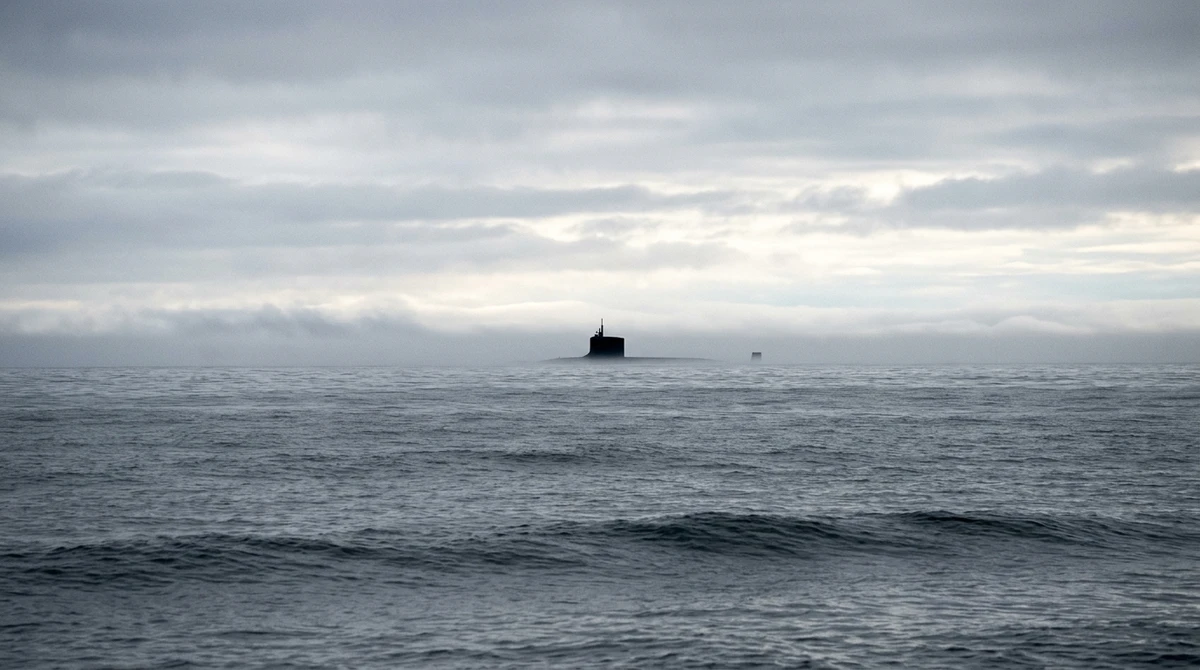
Japan Will Not Rule Out Nuclear-Powered Submarines as Six Navies Field 140 Between Them
Japan's defense minister said on 11 September 2026 that nuclear-powered submarines "will not be ruled out" in the year-end revision of the country's security documents, an option that would put the JMSDF alongside the six navies operating 140 nuclear boats today.
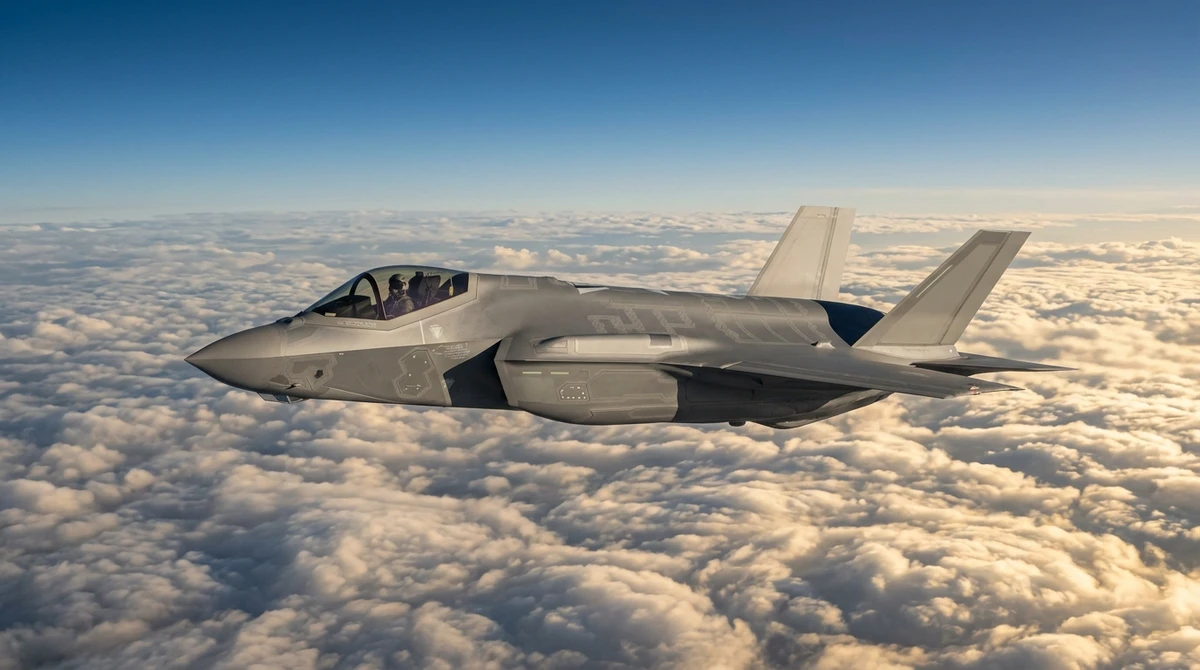
Saudi Arabia Cleared to Buy 48 F-35 Fighters in $24.3 Billion State Department Approval
The U.S. State Department on 17 September 2026 approved a possible Foreign Military Sale of 48 F-35 Lightning II fighters and 49 F135 engines to Saudi Arabia, a package estimated at $24.3 billion that now goes to Congress for review.