Japan Will Not Rule Out Nuclear-Powered Submarines as Six Navies Field 140 Between Them
Japan's defense minister said on 11 September 2026 that nuclear-powered submarines "will not be ruled out" in the year-end revision of the country's security documents, an option that would put the JMSDF alongside the six navies operating 140 nuclear boats today.
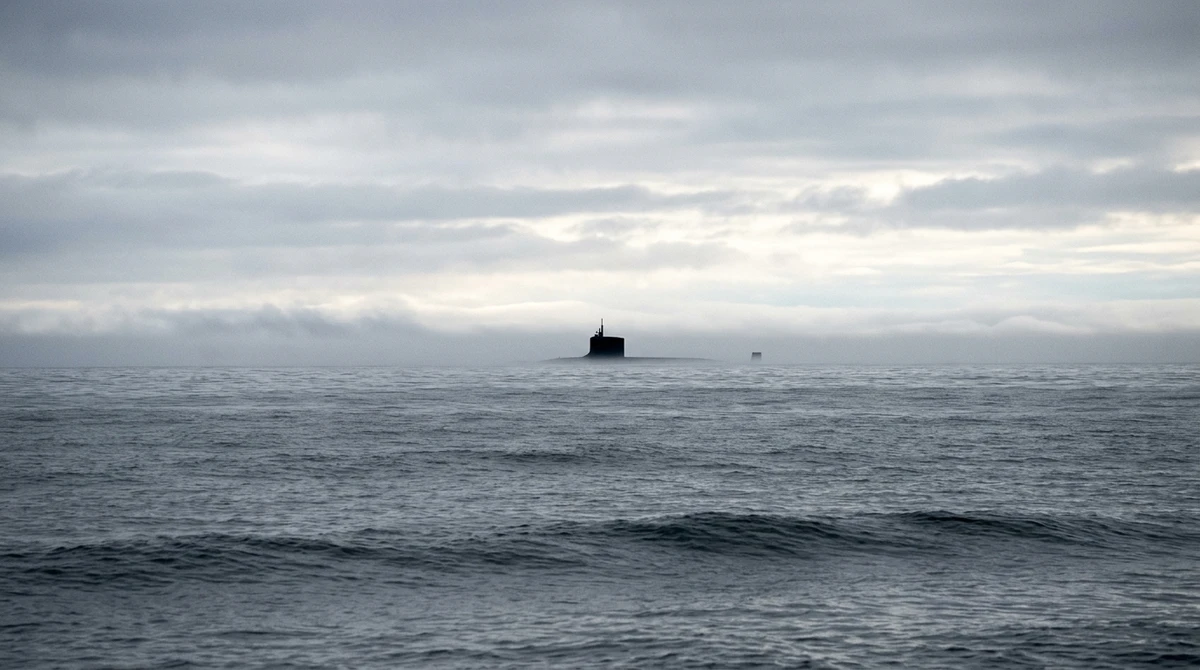
Japan's defense minister said on 11 September 2026 that the option of nuclear-powered submarines "will not be ruled out," adding at a regular press conference that "all the countries around us are acquiring nuclear submarines." The remark places a capability Japan has never pursued inside the revision of its three core security documents, due by the end of the year.
The statement followed comments made on 9 September in Hawaii by a US Navy official, who took a positive view of Japan acquiring nuclear attack submarines while cautioning South Korea against pursuing them as a "status symbol." The minister's remark is not a procurement decision: no program exists and no budget line has been requested. The option is being weighed within the planned rewrite of the National Security Strategy, the National Defense Strategy and the Defense Buildup Program.
Coverage in the defense trade press between 15 and 18 September turned on three obstacles. Nuclear-powered boats cost more than conventional submarines. Japan would have to build an entirely new naval nuclear infrastructure, covering reactor maintenance, fuel management and trained personnel. And the Atomic Energy Basic Act restricts nuclear energy to peaceful purposes. On the other side of the ledger, the JMSDF chief of staff acknowledged in January 2026 that the submerged endurance and speed of nuclear boats would be a significant tactical improvement, and Japan is discussed as a potential partner in AUKUS Pillar II, where nuclear attack submarines would deepen interoperability with Australia, which is itself acquiring the capability through the AUKUS partnership rather than building it alone.
The club Japan would be joining is small. GlobalMilitary.net's 2026 inventory records exactly six navies operating nuclear-powered submarines, with 140 active hulls between them:
- United States: 64
- Russia: 38
- China: 16
- United Kingdom: 10
- France: 9
- India: 3
Brazil has one nuclear-powered attack submarine on order and none in service. The US fleet alone comprises 18 Los Angeles-class and 26 Virginia-class attack boats, 14 Ohio-class ballistic-missile and 3 Ohio-class guided-missile boats, and 3 Seawolf-class boats. All six operators, and Japan, appear in GlobalMilitary.net's ranking of the world's navies by fleet strength.
Japan's own submarine force is entirely conventionally powered and, by the same count, the second-largest such fleet in the world. The Japan Maritime Self-Defense Force operates 23 active boats: 6 of the Oyashio class, in service since 1998; 12 of the Sōryū class, in service since 2009; and 5 of the Taigei class, in service since 2022. One further Taigei is fitting out and three more are on order. The Taigei design, built around lithium-ion batteries, displaces 3,000 tonnes surfaced, is 84 m long and carries a crew of 70.
The conventional table, from the same inventory, is led by China with 46 active boats, ahead of Japan's 23, South Korea and North Korea with 21 each, Russia with 20, India with 16 and Turkey with 13. Russia therefore appears in both tables, with 38 nuclear and 20 conventional boats. China fields 16 nuclear and 46 conventional submarines.
Any move from option to program would first appear in the three revised documents, due by the end of 2026, rather than in a press-conference remark. Until then, Japan's submarine force remains what it is today: 23 conventional boats, with one Taigei-class hull fitting out and three more on order.
More News
All news →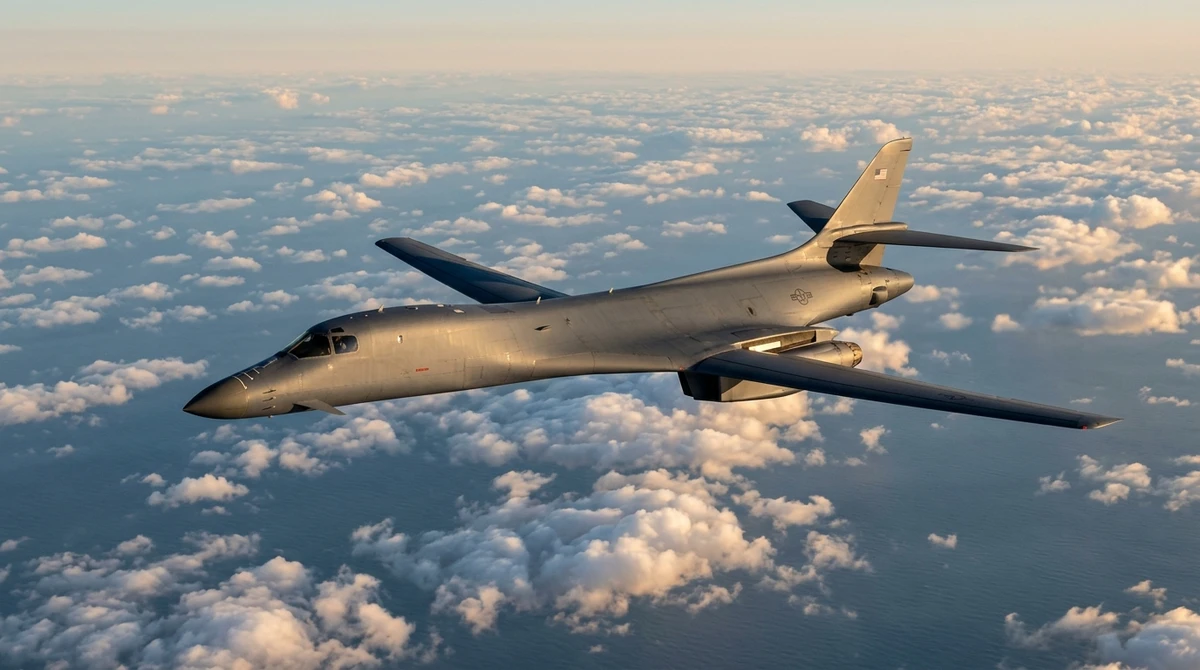
US Air Force to Extend B-1 and B-2 Service Lives With Only Three B-21s in the Fleet
Air Force Global Strike Command said on 17 September 2026 that the B-1 Lancer and B-2 Spirit will fly beyond their planned retirements, keeping a US bomber force built on 1955, 1986 and 1993 designs in service while the B-21 Raider arrives at three aircraft.
Saudi Arabia Cleared to Buy 48 F-35 Fighters in $24.3 Billion State Department Approval
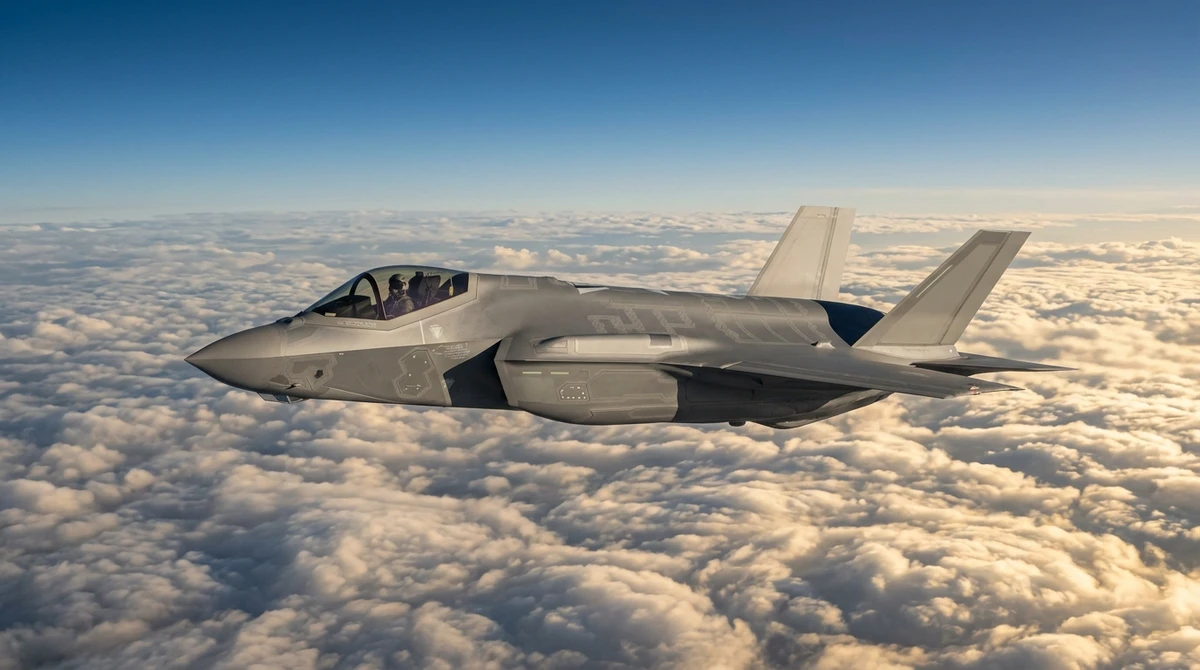
The U.S. State Department on 17 September 2026 approved a possible Foreign Military Sale of 48 F-35 Lightning II fighters and 49 F135 engines to Saudi Arabia, a package estimated at $24.3 billion that now goes to Congress for review.

Only Four Air Forces Fly High-Altitude Surveillance Drones, and Japan Has Just Lost One of Its Three
A Japan Air Self-Defense Force RQ-4B Global Hawk went down over international waters north of Tottori prefecture on 15 September 2026, the first loss of a Japanese Global Hawk and one of only 39 high-altitude surveillance drones GlobalMilitary.net records in service worldwide.
UK Confirms 2027 Steel Cut for First SSN-AUKUS Submarine and £15 Billion Warhead Investment
The UK government's Defence Nuclear Enterprise annual update, published September 15, 2026, says steel will be cut on the first SSN-AUKUS attack submarine in 2027 and confirms £15bn for the warhead program and £6bn for submarine infrastructure at Barrow-in-Furness and Raynesway.
Pentagon Report Puts Iran War Aircraft Losses at Up to 30 Reapers, Four F-15Es and One A-10
A Department of Defense inspector general report on Operation Epic Fury, made public September 15, lists four F-15Es, one A-10, six helicopters, an MQ-4C and as many as 30 MQ-9 Reapers destroyed between February 28 and June 30, 2026, in an operation costed at $33.4 billion.
Finland Joins France's Forward Deterrence Initiative as Tenth European Participant
Finland's defense minister announced on Monday, September 14, 2026, that Finland is joining France's forward deterrence initiative, becoming the tenth European country to take part, as the two countries formalized a strategic partnership in Helsinki.