Seventy Years After Its First Flight, the KC-135 Is Still More Than Half the World's Tankers
The first Boeing KC-135A flew on August 31, 1956. Seventy years on, 385 Stratotankers remain in service with three air forces, 52 percent of the world's 740 dedicated tankers, and 2026 has already cost the fleet two airframes and damaged eight more.
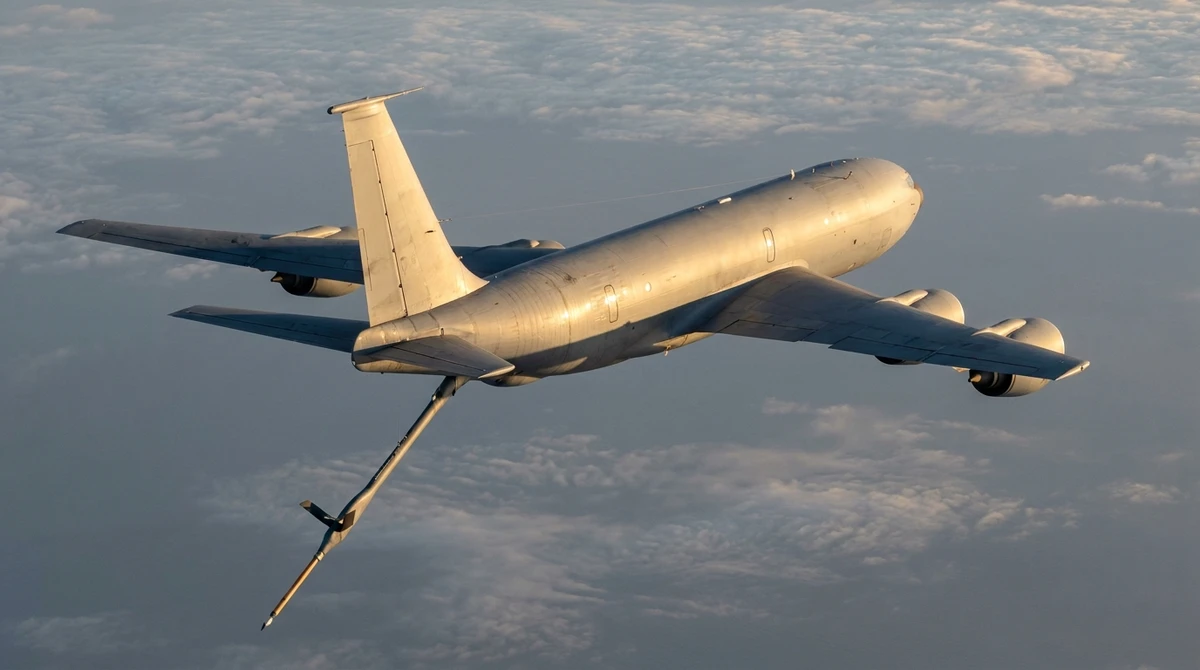
The first production Boeing KC-135A Stratotanker, serial 55-3118, took off from Renton, Washington, on August 31, 1956. Seventy years later the type is still the backbone of aerial refueling: the 2026 inventories recorded on this site count 385 KC-135 airframes in service, 52 percent of the 740 dedicated tankers flown worldwide, and no other tanker type comes close.
Boeing built 803 of them between 1956 and 1965, all in nine years, for a Strategic Air Command that needed to keep bombers airborne on nuclear alert. The airframe outlived that mission entirely. Today 376 serve with the United States Air Force, seven with the Turkish Air Force and two with the Chilean Air Force. Every American combat operation since Vietnam has been flown behind them.
The fleet is shrinking, but slowly: 420 aircraft in 2020, 415 in 2022, 391 in 2024, 385 today. That is a loss of 35 airframes in six years, roughly one percent a year, against a design now old enough that the original J57 turbojets were replaced fleet-wide decades ago.
What makes 2026 unusual is that attrition stopped being routine. On March 12 two KC-135Rs collided in mid-air over western Iraq during Operation Epic Fury; one crashed near Turaibil with the loss of all six crew, US Central Command said, while the second lost part of its vertical stabilizer and landed at Ben Gurion. The following day, during the 2026 Iran conflict, an Iranian ballistic missile strike on Prince Sultan Air Base in Saudi Arabia damaged five more Stratotankers on the flight line, The Aviationist reported. On March 27 a sixth was destroyed by fire at the same base during a further Iranian missile and drone attack, an airframe loss reported by Militarnyi and confirmed by satellite imagery. Two more were damaged in a ground towing accident at RAF Mildenhall in May. Two aircraft written off and eight damaged in a single year is well outside the pattern of the preceding decade.
The replacement is arriving at a comparable pace. The KC-46 Pegasus stands at 108 aircraft in service with three operators against a program that has grown to a planned 263, and the US Air Force intends to swap Stratotankers for Pegasus one for one into the late 2030s while holding a floor of 466 tankers. On current arithmetic the KC-135 will be flying past 2050, which would take the type close to a century between first flight and retirement.
Outside the United States the succession looks different. The Airbus A330 MRTT is the type most air forces actually buy, with 56 in service across ten countries and 16 on order, and Russia's tanker force rests on 38 Il-78 Midas. Neither fleet is remotely the size of the American one. For most of the world the constraint is not which tanker to buy but whether to have one at all.
Turkey and Chile have announced no replacement for their small fleets. In the United States the next milestone is the fiscal 2027 budget request, which will show whether the retirement rate of the past two years holds or the Air Force slows it further to protect the tanker floor.
More News
All news →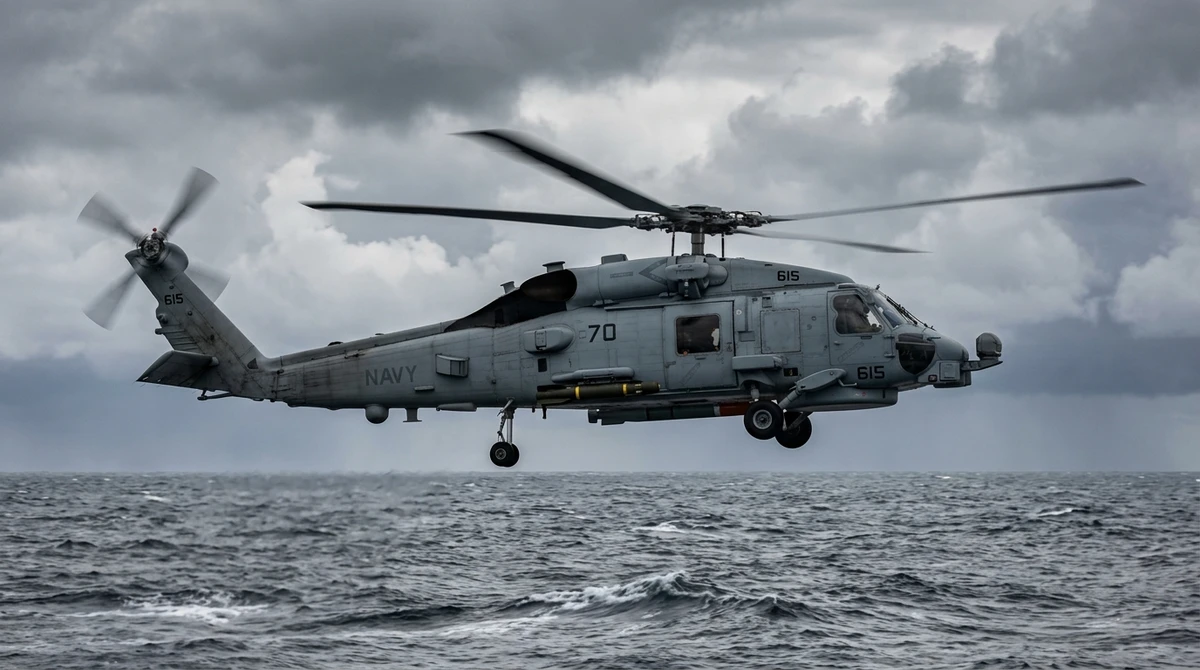
New Zealand's MH-60R Order Makes 15 Seahawk Operators; the SH-2 Seasprite Is Down to Three
New Zealand signed on 16 October to buy five MH-60R Seahawks, delivered from 2030, to replace its five SH-2G Super Seasprites, bringing the naval Seahawk family to 15 operators in GlobalMilitary.net's data while the Seasprite is left with 17 helicopters and three operators.
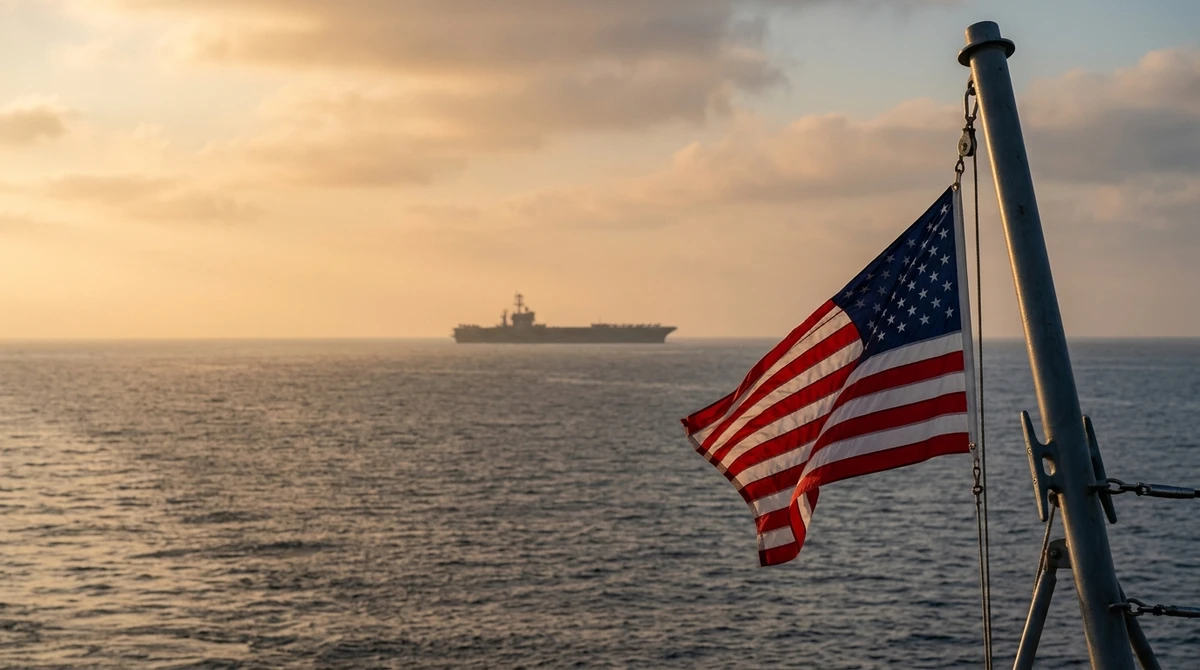
USS Theodore Roosevelt Turns 40 as It Prepares for Keen Sword Off Japan
The Nimitz-class carrier, docked at Yokosuka since 16 October with the cruiser USS Chosin and the destroyer USS Decatur, marks 40 years since its commissioning on 25 October 1986 ahead of the US-Japan exercise Keen Sword.
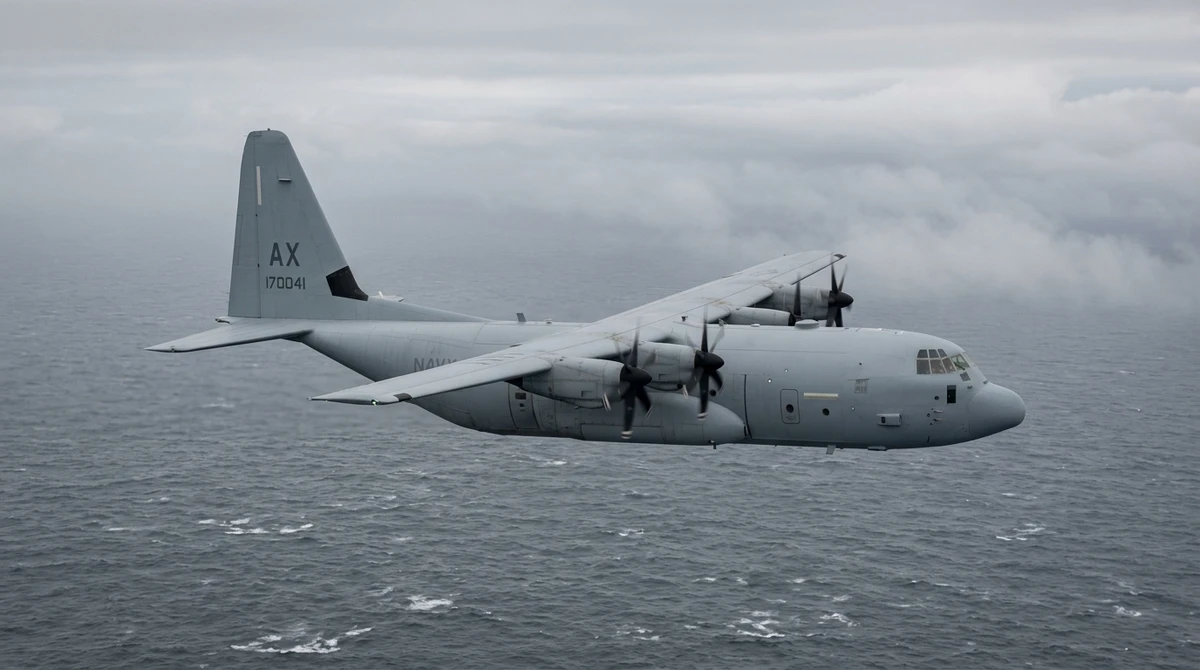
US Navy accepts first C-130J-30 airframe for E-130J Phoenix II TACAMO aircraft
The US Navy took delivery of a newly built Lockheed Martin C-130J-30 Super Hercules at Marietta, Georgia, on Oct. 15, the first of three airframes to be converted into E-130J Phoenix II aircraft that will replace the E-6B Mercury in the nuclear communications relay mission.
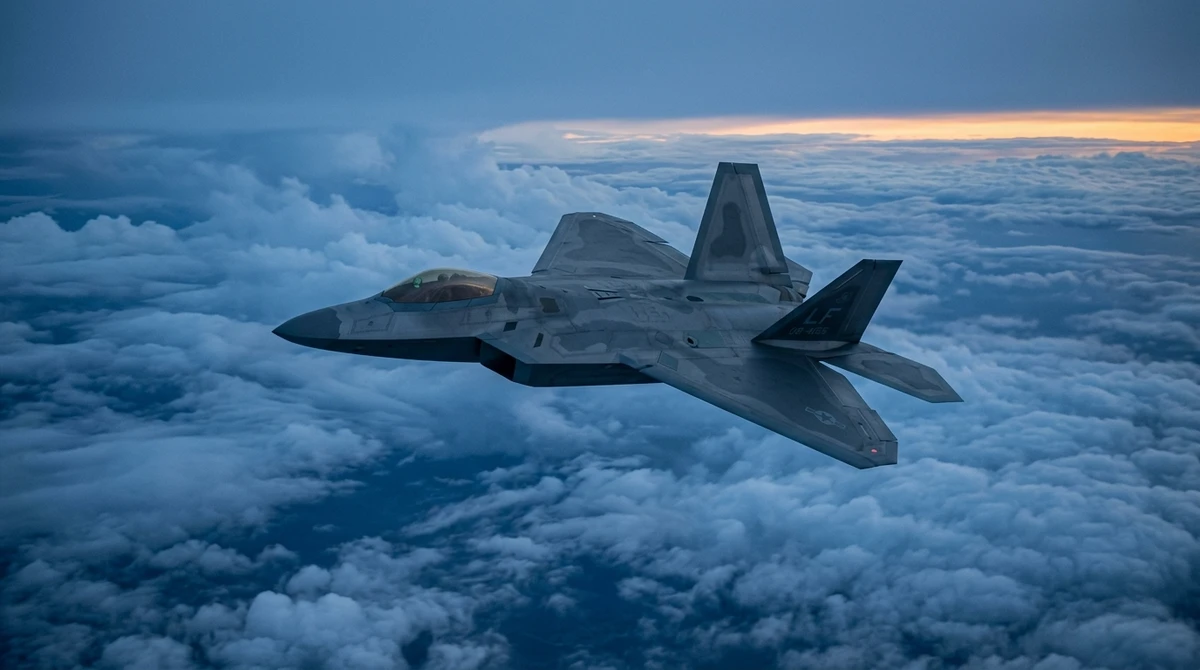
F-22 Pilot Takes In-Flight Command of an Anduril YFQ-44A Fury Drone
The U.S. Air Force said on October 16, 2026 that an F-22 Raptor pilot had taken airborne tactical command of an Anduril YFQ-44A Collaborative Combat Aircraft earlier this month; previous F-22 control tests had used a surrogate drone.
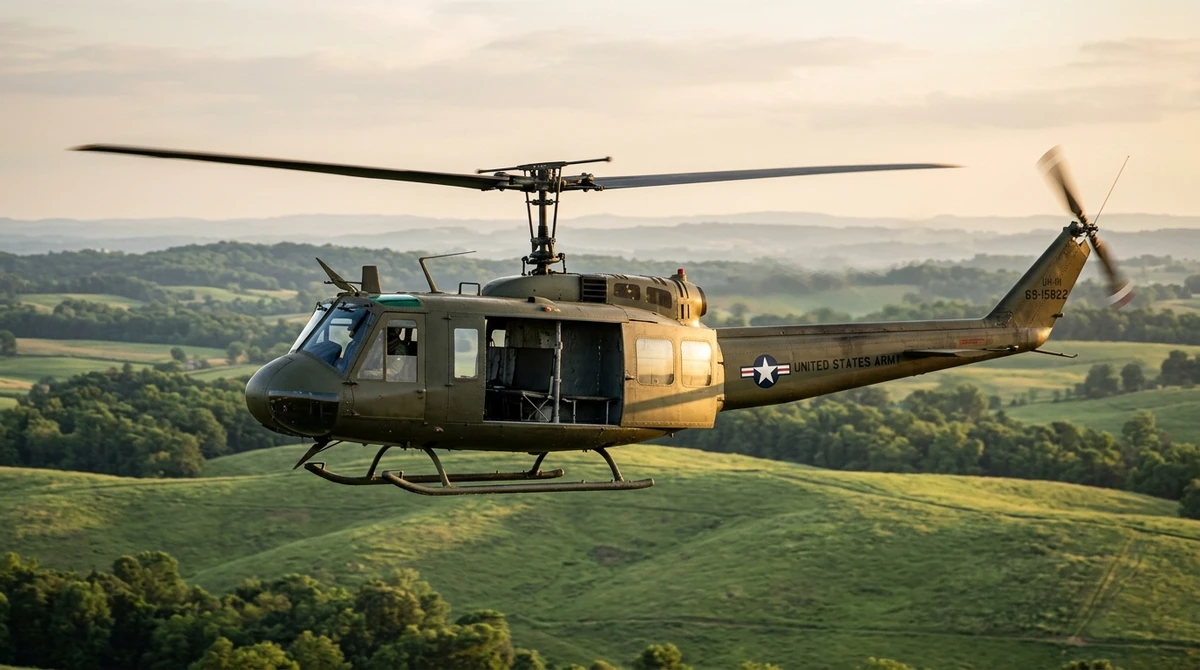
Bell UH-1 Huey Still Flies With 39 Countries 70 Years After Its First Flight
The XH-40 prototype of Bell's Huey first flew on 20 October 1956 at Fort Worth; 70 years on, GlobalMilitary.net inventory data counts 844 single-engine UH-1s active in 39 countries, 438 twin-engine UH-1N and Bell 212 derivatives in 29, and 167 UH-1Y Venoms in two.
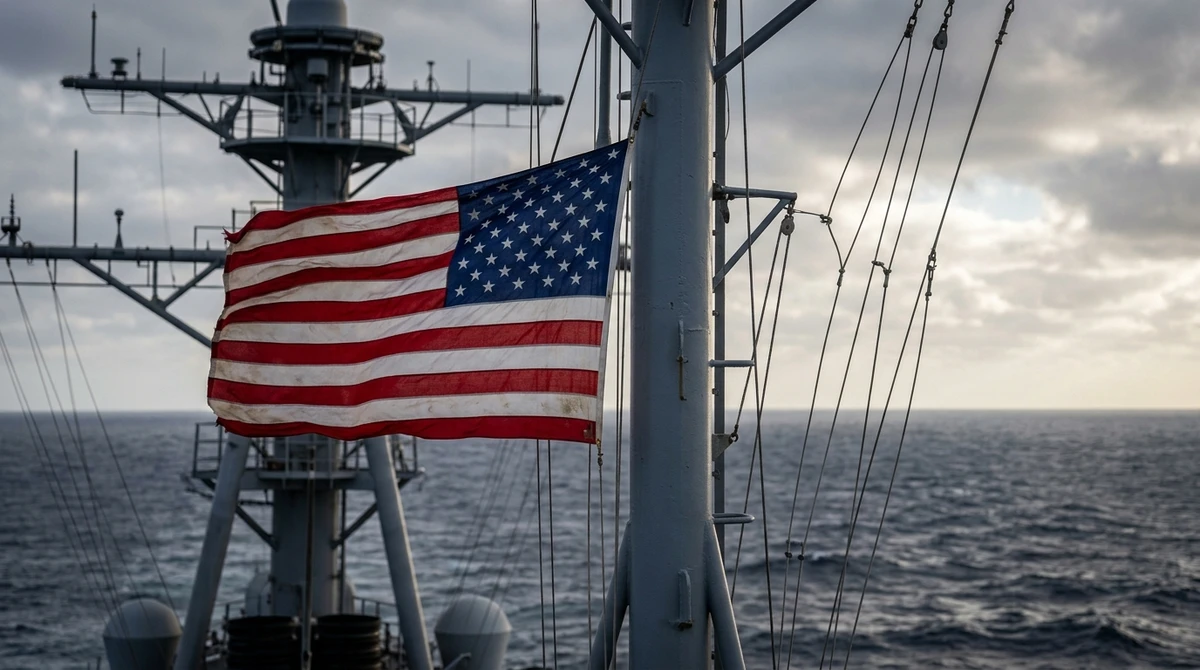
USS Zumwalt at 10: The Navy's Stealth Destroyer Trades Its Guns for Hypersonic Missile Tubes
Commissioned in Baltimore on October 15, 2016, the lead ship of a class cut from 32 hulls to three has spent most of the past three years in a Mississippi yard, where its two 155mm guns were removed to make room for 12 Conventional Prompt Strike hypersonic missiles.