
Turkish Air Force
The Turkish Air Force operates 1,354 military aircraft in 2026 — 299 combat aircraft (fighter and attack jets), 458 helicopters, 86 transport aircraft, 290 drones, 201 trainers. It ranks #9 of 162 air forces worldwide, with 203 more aircraft on order.
-
AUG 122026
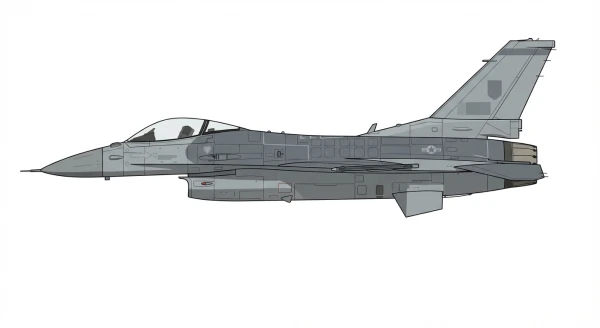 F-16C/D
Crash
Crashed during a training flight near Çiftlikköy, Yalova Province; the pilot ejected and was recovered unhurt.
F-16C/D
Crash
Crashed during a training flight near Çiftlikköy, Yalova Province; the pilot ejected and was recovered unhurt.
-
APR 222026
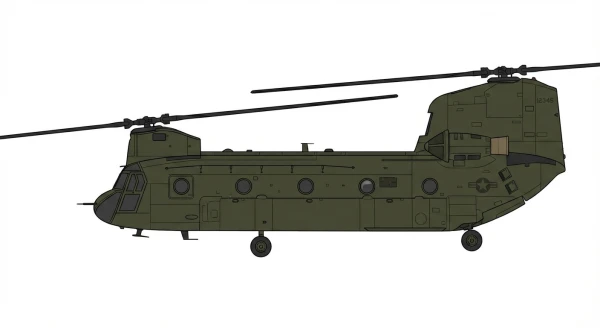 CH-47F
Crash
CH-47F crashed during night training flight near Temelli, Ankara; all 5 crew survived with no serious injuries, aircraft sustained substantial damage.
CH-47F
Crash
CH-47F crashed during night training flight near Temelli, Ankara; all 5 crew survived with no serious injuries, aircraft sustained substantial damage.
-
FEB 252026
F-16C/D
Destroyed
F-16C crashed shortly after takeoff from Balikesir 9th Main Jet Base; pilot killed.
Full inventory in 2026
31 aircraft typesTurkish Air Force
| Aircraft | Origin | Model year | Active | Δ YoY | Ordered | |
|---|---|---|---|---|---|---|
| Combat | ||||||
|
|
F-16C/V | 🇺🇸 United States | 1979 | 153 | — | +40 |
|
|
F-16C/D | 🇺🇸 United States | 1979 | 83 | -2 | — |
|
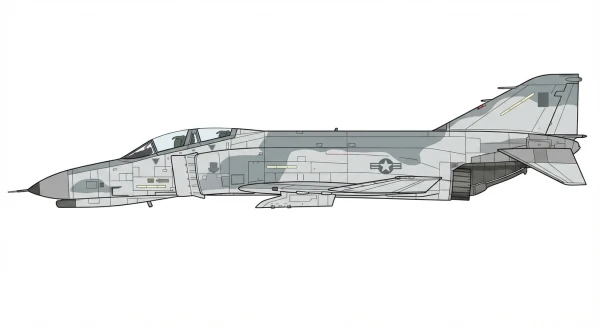
F-4E | 🇺🇸 United States | 1962 | 48 | — | — |
|
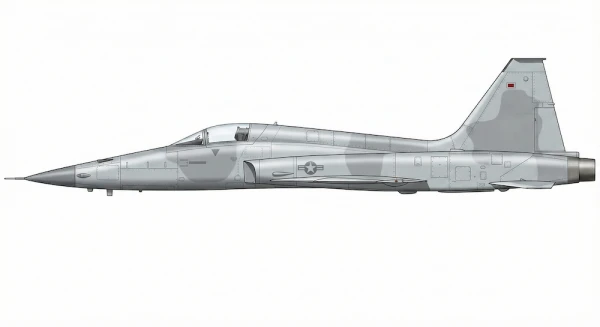
NF-5A/B | 🇺🇸 United States | 1965 | 13 | -5 | — |
| Helicopter | ||||||
|
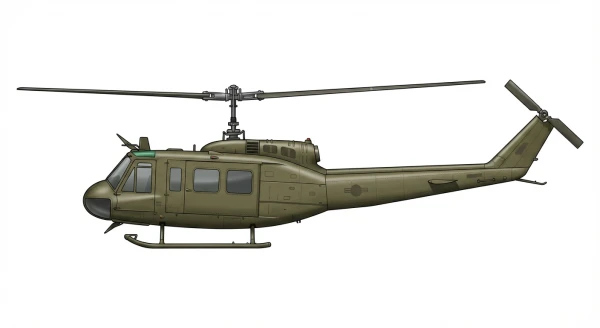
UH-1H | 🇺🇸 United States | 1959 | 56 | — | — |
|
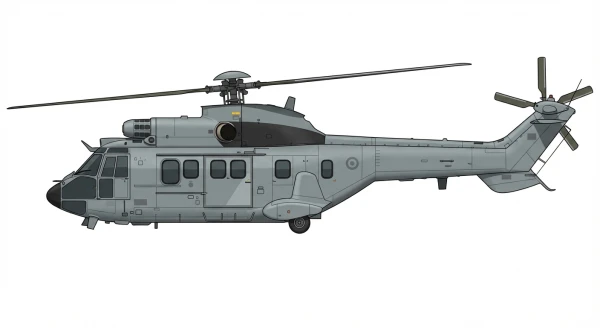
H215M/AS532 |
🇩🇪 Germany 🇫🇷 France |
1978 | 21 | — | — |
|
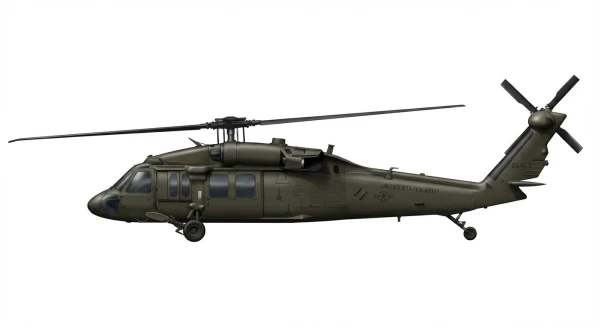
S/T-70 | 🇺🇸 United States | 1979 | 6 | +3 | +25 |
| Transport | ||||||
|
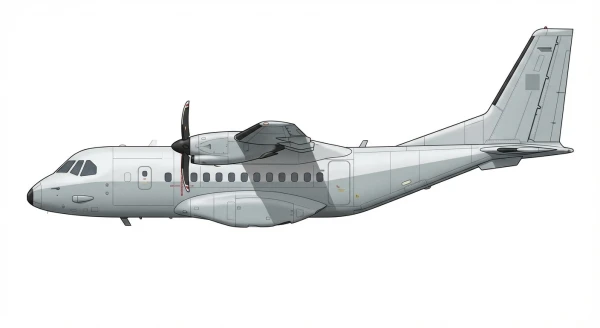
CN235 |
🇪🇸 Spain 🇮🇩 Indonesia |
1988 | 41 | — | — |
|
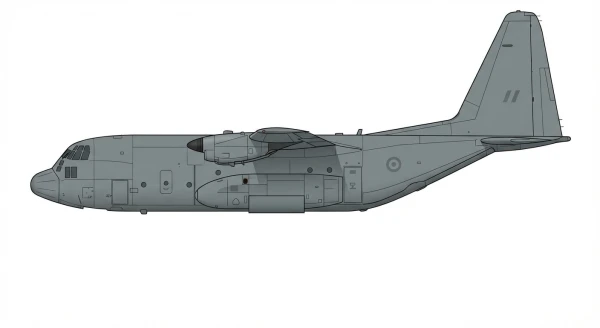
C-130B/E | 🇺🇸 United States | 1956 | 17 | -1 | — |
|
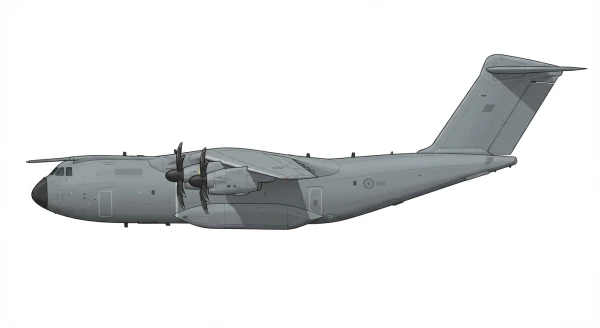
A400M | 🇪🇺 Europe | 2013 | 10 | — | — |
|
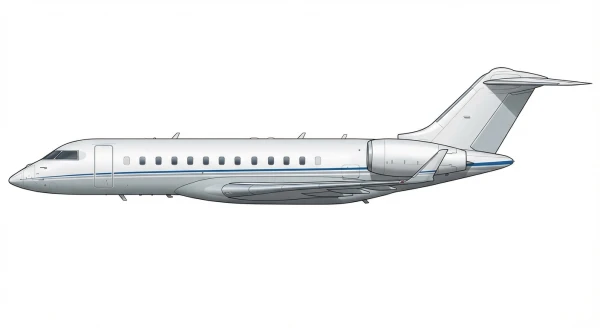
Global 6000 | 🇨🇦 Canada | 1999 | 4 | — | — |
| Training | ||||||
|
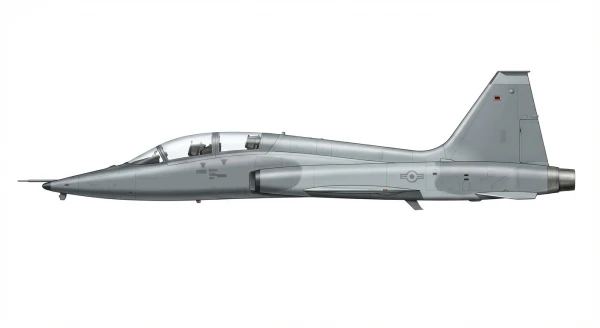
T-38 | 🇺🇸 United States | 1961 | 68 | — | — |
|
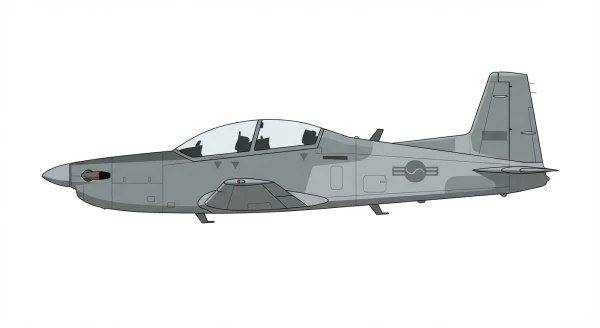
KT-1T | 🇰🇷 South Korea | 2000 | 40 | +1 | +14 |
|
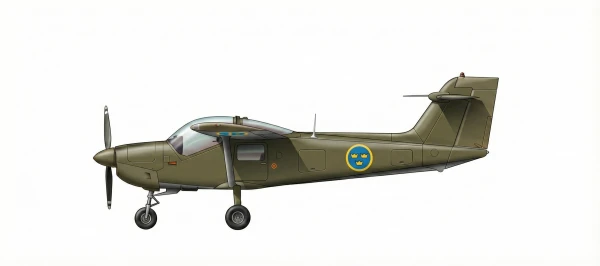
MFI-395 | 🇸🇪 Sweden | 1972 | 39 | +23 | — |
|
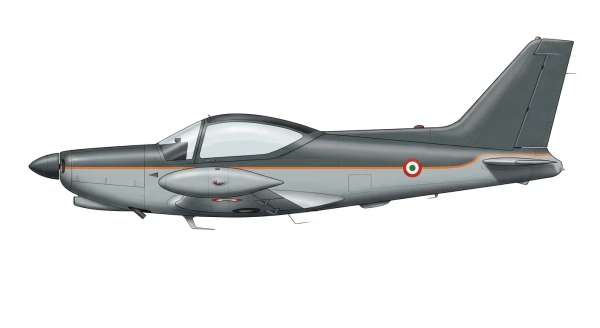
SF-260 | 🇮🇹 Italy | 1966 | 34 | — | — |
|
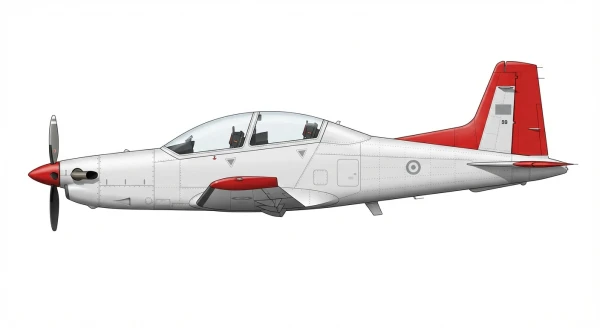
Hurkus B | 🇹🇷 Turkey | 2016 | 15 | +14 | +40 |
| UAV | ||||||
|
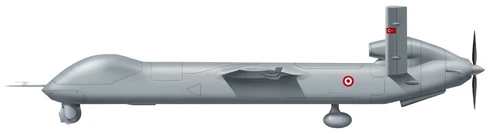
TAI Anka | 🇹🇷 Turkey | 2017 | 36 | +36 | — |
|
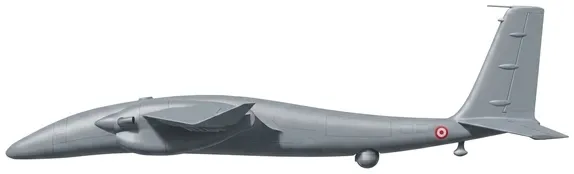
Bayraktar Akıncı | 🇹🇷 Turkey | 2021 | 20 | +20 | — |
|
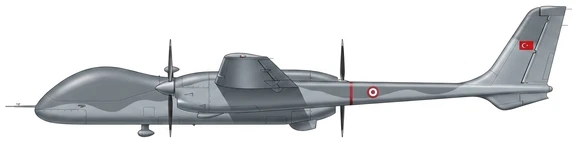
TAI Aksungur | 🇹🇷 Turkey | 2021 | 5 | +5 | — |
| Other | ||||||
|
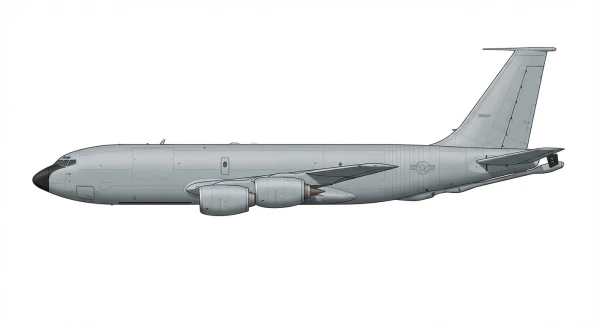
KC-135R | 🇺🇸 United States | 1957 | 7 | — | — |
|
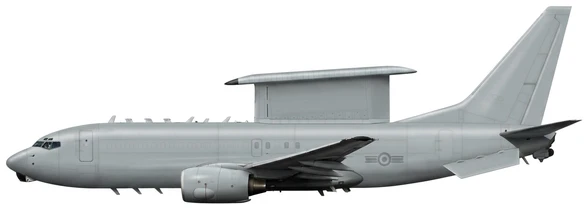
E-7T Peace Eagle | 🇺🇸 United States | 2010 | 4 | — | — |
Turkish Army
| Aircraft | Origin | Model year | Active | Δ YoY | Ordered | |
|---|---|---|---|---|---|---|
| Helicopter | ||||||
|
|
S/T-70 | 🇺🇸 United States | 1979 | 70 | +6 | +11 |
|
|
Bell 205 | 🇺🇸 United States | 1959 | 64 | -4 | — |
|
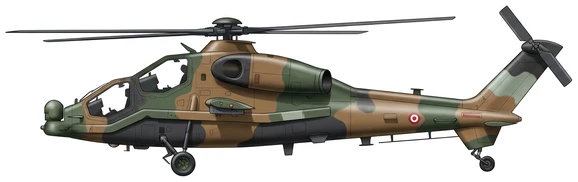
T129 | 🇹🇷 Turkey | 2014 | 58 | — | +41 |
|
|
UH-1H | 🇺🇸 United States | 1959 | 52 | -34 | — |
|
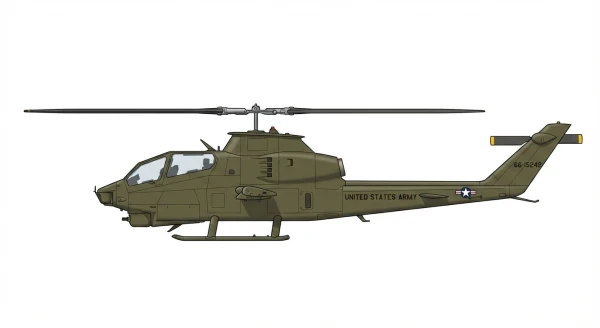
AH-1P/S/W | 🇺🇸 United States | 1967 | 32 | -21 | — |
|
|
H215M/AS532 |
🇩🇪 Germany 🇫🇷 France |
1978 | 27 | — | — |
|
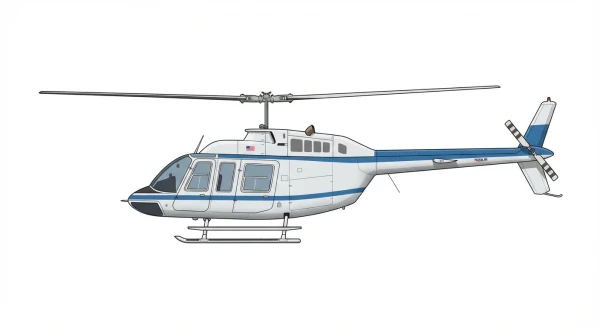
Bell 206 | 🇺🇸 United States | 1967 | 22 | — | — |
|
|
CH-47F | 🇺🇸 United States | 1962 | 10 | -1 | — |
|
AW119 |
🇬🇧 United Kingdom 🇮🇹 Italy |
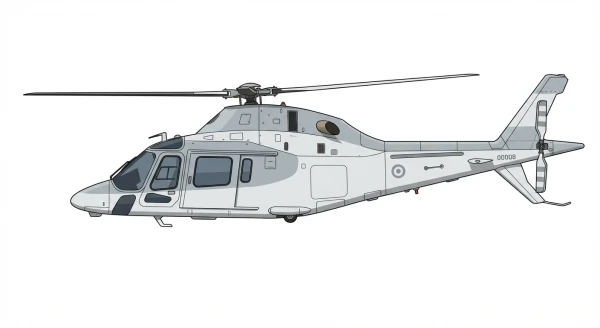
2000 | 4 | — | +8 |
| Transport | ||||||
|
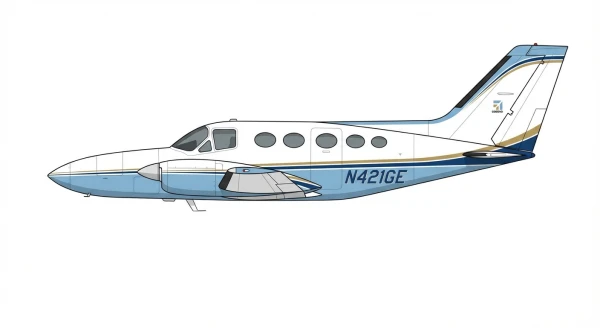
Cessna 421 | 🇺🇸 United States | 1968 | 3 | — | — |
| Training | ||||||
|
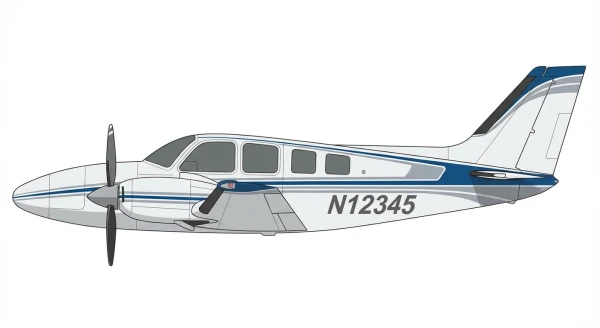
Beechcraft Baron | 🇺🇸 United States | 1961 | 5 | — | — |
|
|
Hurkus C | 🇹🇷 Turkey | 2016 | — | — | +24 |
| UAV | ||||||

|
Bayraktar TB2 | 🇹🇷 Turkey | 2014 | 200 | +200 | — |
|
|
Bayraktar Akıncı | 🇹🇷 Turkey | 2021 | 8 | +8 | — |
| Other | ||||||
|
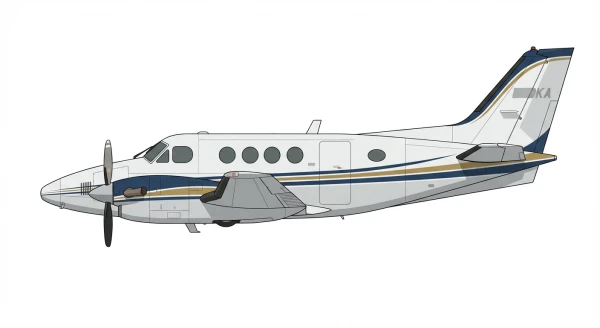
King Air 200/350 | 🇺🇸 United States | 1964 | 8 | — | — |
|
|
King Air 200 | 🇺🇸 United States | 1964 | 4 | — | — |
Turkish Navy
| Aircraft | Origin | Model year | Active | Δ YoY | Ordered | |
|---|---|---|---|---|---|---|
| Helicopter | ||||||
|
|
S-70 | 🇺🇸 United States | 1979 | 23 | — | — |
|
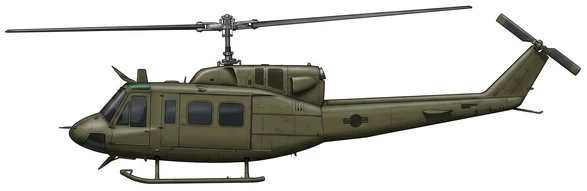
Bell 212 | 🇺🇸 United States | 1970 | 12 | — | — |
| Transport | ||||||
|
|
CN235 |
🇪🇸 Spain 🇮🇩 Indonesia |
1988 | 6 | -1 | — |
|
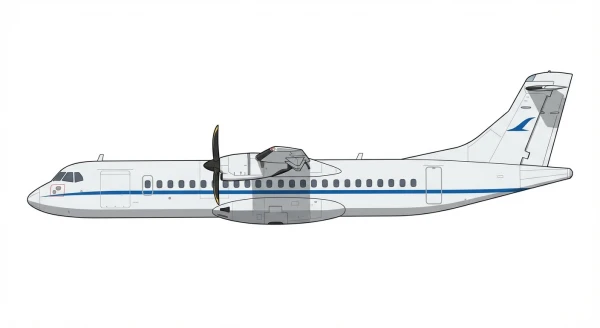
ATR 72 |
🇫🇷 France 🇮🇹 Italy |
1989 | 5 | — | — |
| UAV | ||||||
|
|
Bayraktar TB2 | 🇹🇷 Turkey | 2014 | 10 | +10 | — |
|
|
TAI Anka | 🇹🇷 Turkey | 2017 | 8 | +8 | — |
|
|
TAI Aksungur | 🇹🇷 Turkey | 2021 | 3 | +3 | — |
Overview
The Turkish Air Force is organized under two numbered air force commands, the 1st at Eskisehir covering the west of the country and the 2nd at Diyarbakir covering the east and southeast, with subordinate main jet bases at Akinci, Merzifon, Konya, Balikesir, Bandirma, Malatya and Incirlik. Separate commands cover air training, air logistics and air transport. The force is the second-largest F-16 operator in NATO and integrates into alliance air defense while retaining a national command chain for cross-border operations.
Doctrine combines NATO interoperability with an independent capacity for forward defense. Turkish aircraft conduct recurring strikes against Kurdish militant targets in northern Iraq and Syria, sustain a national air policing posture over the Aegean and the eastern Mediterranean, and have contributed to NATO Baltic and Balkan missions. The unmanned component is treated as an operational equal rather than an adjunct: Bayraktar TB2 and Akinci aircraft fly armed reconnaissance and strike sorties in coordination with manned formations, and Turkish combat drone employment in Syria, Libya, Nagorno-Karabakh and Ukraine has shaped the force's approach to attrition and mass.
Combat aviation is built on the F-16C/D, with a fleet split between earlier Block 30/40/50 airframes and aircraft brought to Block 70 standard, supported by locally developed Ozgur avionics upgrades on part of the fleet. A residual F-4E 2020 Terminator force continues in the strike role. Rotary-wing and support units operate the T129 ATAK attack helicopter, S-70 and T-70 Black Hawks, CH-47F Chinooks and a mix of UH-1H and AS532 airframes, while transport rests on the A400M, CN235 and the C-130. Training is conducted on the KT-1T and the domestically produced Hurkus B, and the tanker fleet on the KC-135R.
Procurement reflects exclusion from the F-35 programme. Turkey secured a package covering forty new-build F-16 Block 70 aircraft and modernization kits for a large part of the existing Viper fleet, and in October 2025 confirmed the purchase of twelve former RAF C-130J-30 Super Hercules. The most substantial shift is the Eurofighter Typhoon, acquired under an agreement worth around 10.7 billion dollars covering new-build aircraft from the United Kingdom with deliveries expected around 2030, bridged by second-hand Qatari airframes, the first of which was handed over in February 2026. Ankara has consistently framed the Typhoon as an interim capability rather than a settled choice.
The national programme remains the TF KAAN. The P0 demonstrator first flew in February 2024, and Turkish Aerospace unveiled the redesigned P1 prototype in February 2026 alongside a static-test airframe, with a third prototype since observed in assembly. As of mid-2026 P1 had not yet flown, with the manufacturer stating that both P1 and P2 would be airborne before the end of the year and that serial deliveries had moved to 2029. Work continues in parallel on the Kizilelma unmanned combat aircraft and the Anka-3 flying wing, both intended to operate alongside the KAAN. Recent losses include a C-130 that broke up in flight over the Georgia-Azerbaijan border in November 2025 with twenty killed, an F-16C shortly after take-off from Balikesir in February 2026, and a CH-47F during night training near Ankara in April 2026.
Frequently Asked Questions
How many aircraft does Turkey have?
How does Turkey's air force rank globally?
How many combat aircraft does Turkey operate?
How many military helicopters does Turkey have?
What is the AIRS Index score of Turkey?
Where does Turkey get its military aircraft from?
- SEP 82026 Updated Logged 1 damage incident from 2023
- SEP 82026 Updated Logged 3 crashes and 1 damage incident from 2024
- AUG 292026 Updated King Air 350 fleet entry linked to its aircraft page
- AUG 292026 Updated Four E-7T Peace Eagle AEW&C recorded on the E-7 Wedgetail page
- AUG 202026 Updated First UAV inventory pass: TB2, Anka, Akıncı and Aksungur fleets added to the 2026 snapshot across Air Force, Army and Navy.
- AUG 132026 Updated Logged the 12 August F-16 crash near Çiftlikköy, Yalova; pilot ejected unhurt
- AUG 42026 Updated T129 fleet entry linked to its aircraft page