Raytheon Wins $22.9 Billion to Take Tomahawk Output From 60 Missiles a Year to Over 1,000
The US Navy awarded Raytheon a seven-year, $22.9 billion contract on August 17 to raise annual Tomahawk production from about 60 missiles to more than 1,000, after the Iran conflict consumed roughly a third of the American stockpile.
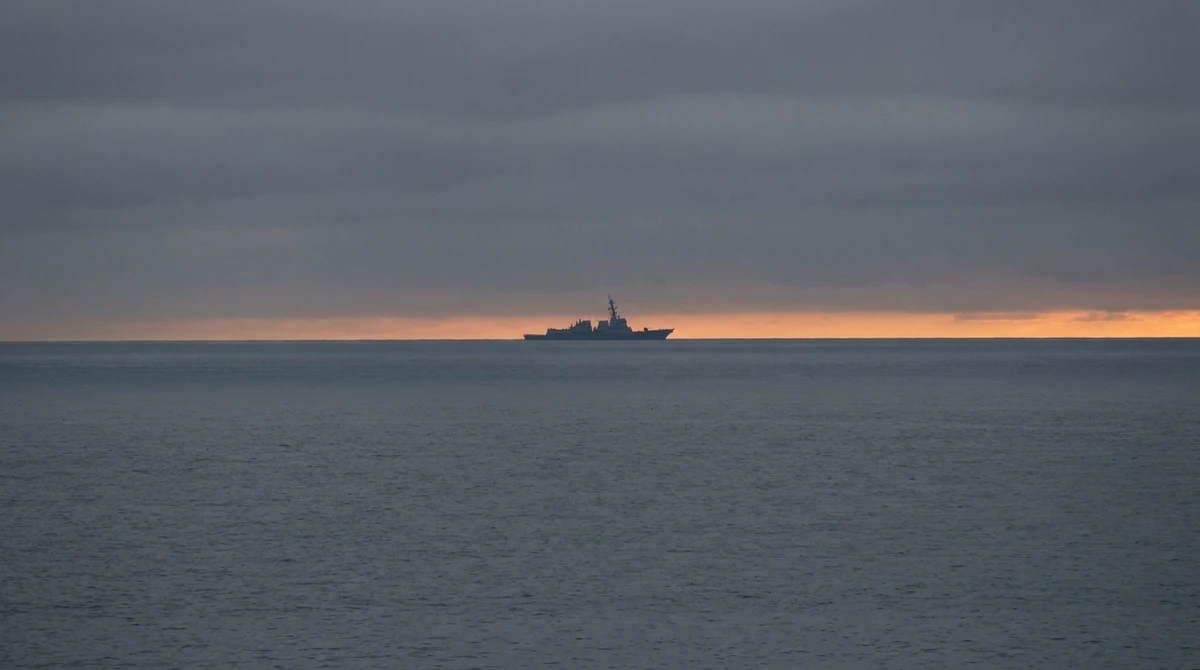
The US Navy awarded Raytheon a seven-year contract worth $22.9 billion on August 17 to expand production of the BGM-109 Tomahawk cruise missile. The award converts a framework agreement signed with the manufacturer in February into a funded multi-year buy.
The contract is built around a single number: annual output of more than 1,000 missiles. Raytheon currently delivers roughly 60 Tomahawks a year. Reaching four figures means an order-of-magnitude expansion of a production line that has spent two decades tuned to a maintenance-level rate, and the company says it will work with hundreds of small and mid-sized suppliers to scale up.
"Tomahawk is the Navy's most important strike weapon, able to target hostile forces hundreds of miles away without ever risking the lives of our sailors," Raytheon president Phil Jasper said in a statement accompanying the award. Acting Secretary of the Navy Hung Cao said the deal would accelerate production at "unprecedented speed" and that the Pentagon was "using every available tool to meet the demand of current operations."
Those operations are the reason for the order. More than 1,000 Tomahawks have been fired during the 2026 Iran conflict, according to the Center for Strategic and International Studies, against a pre-war inventory of roughly 3,000 missiles. A third of the stockpile was expended in months, and at 60 missiles a year the replacement of that expenditure alone would have taken until the 2040s.
The Tomahawk is launched from the vertical launch cells of surface combatants and from the torpedo tubes and payload tubes of submarines, which makes the ramp-up a question of magazines as much as of missiles. GlobalMilitary.net data credits the US Navy with 75 active Arleigh Burke-class destroyers, seven remaining Ticonderoga-class cruisers and 26 Virginia-class submarines in service, the fleet behind the first place the United States holds in the global military power ranking. The four Ohio-class guided-missile submarines that once carried 154 Tomahawks apiece are leaving service, and the payload-module Virginias replacing them are being reclassified as SSGNs.
The missile is also increasingly an export item. Japan fired its first Tomahawk from a destroyer in July, joining the United States, the United Kingdom and Australia as an operator, and the Navy says the multi-year deal is meant to give "a stable, predictable supply for the Navy and allies" rather than force partners to queue behind American requirements.
The constraint now is time rather than money. A Tomahawk takes 18 to 24 months to move from order to delivery, so the first missiles bought under the contract will not reach magazines before 2028, and the 1,000-a-year rate will depend on new supplier capacity coming online. The Navy has not said what interim rate it expects in the meantime.
More News
All news →
Northrop Grumman's YFQ-48A Talon Blue Completes First Fully Autonomous Flight at Mojave
Northrop Grumman said on October 3, 2026 that its company-funded YFQ-48A Talon Blue had taxied, taken off, maneuvered and landed without pilot input at Mojave, California, as the US Air Force prepares to select designs for Increment 2 of its Collaborative Combat Aircraft program.
North Korea Says Hypersonic Missile Drill Hit Target 1,000 km Away; Seoul Tracked More Than 700 km
North Korea says a Saturday launch from the Wonsan area was a drill of its hypersonic strategic weapon system that struck a target 1,000 km away; South Korea's Joint Chiefs of Staff tracked a single ballistic missile flying more than 700 km into the East Sea.
Australia Retires Its Tigers, Leaving Three Operators Among the World's 3,623 Attack Helicopters
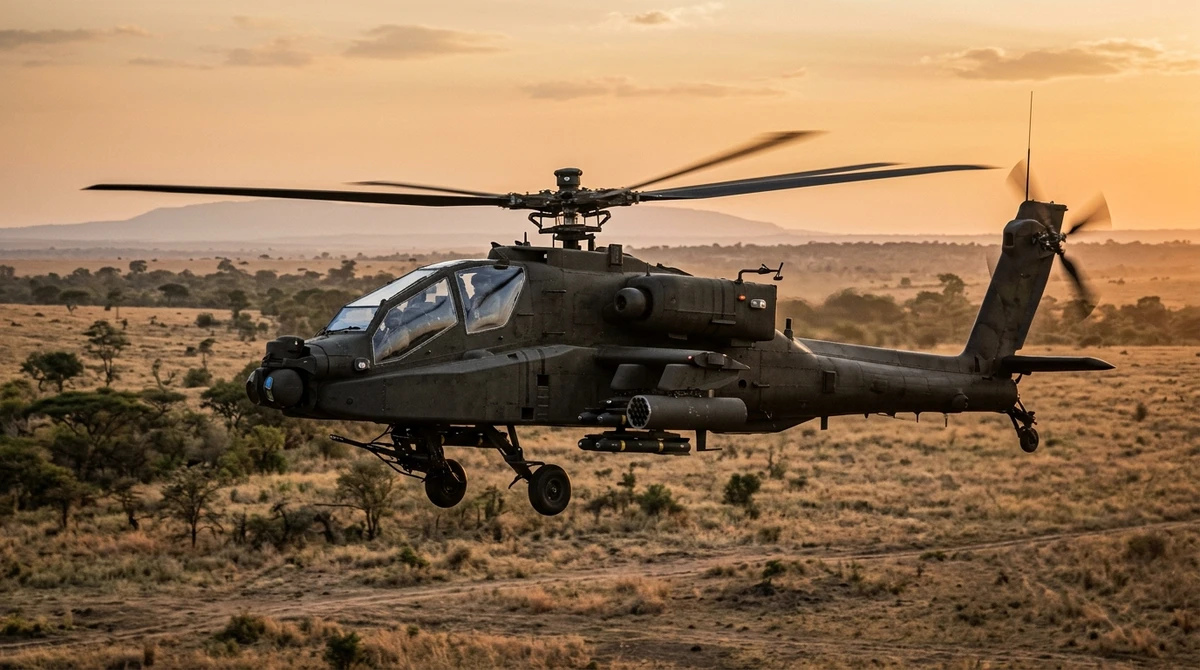
The Australian Army has retired its Tiger attack helicopters, marking the fleet's sundown in Darwin on 30 September and leaving France, Germany and Spain as the only users; GlobalMilitary.net data counts 3,623 active attack helicopters in 81 countries.
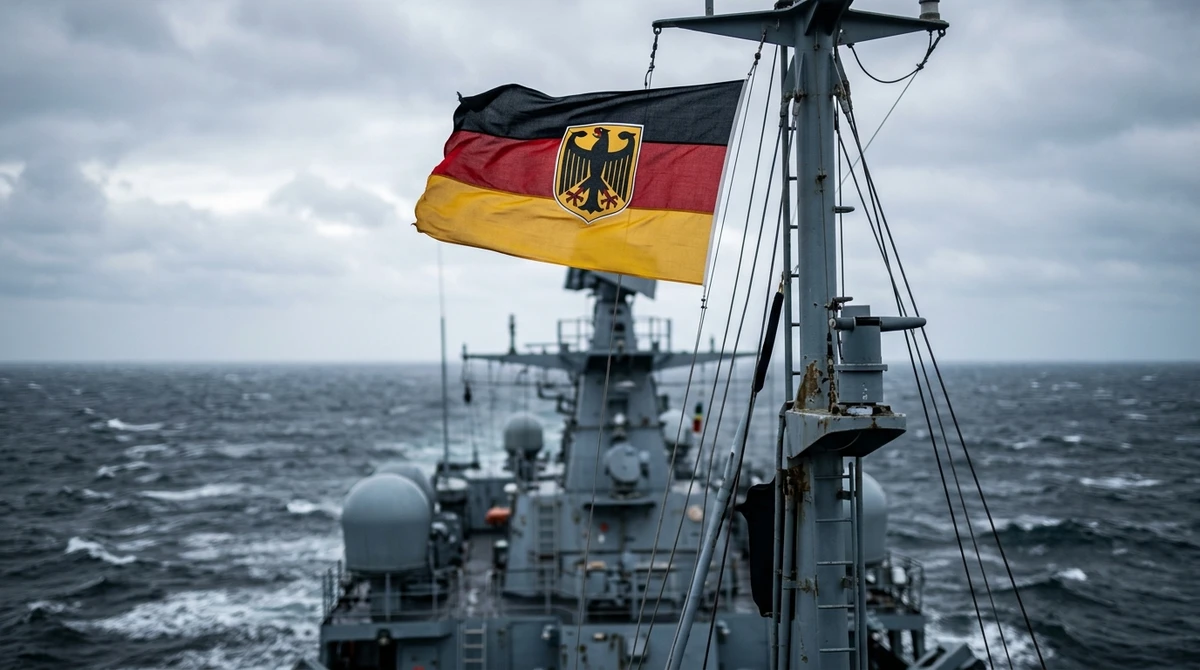
Germany Contracts Diehl to Arm Its Four F125 Frigates With IRIS-T SLM Air Defense Missiles
Diehl Defence and Germany's BAAINBw procurement office signed a contract on October 2, 2026 to adapt the IRIS-T SLM surface-to-air missile system for the German Navy's four Baden-Württemberg-class frigates, which were completed without a medium-range air defense missile.
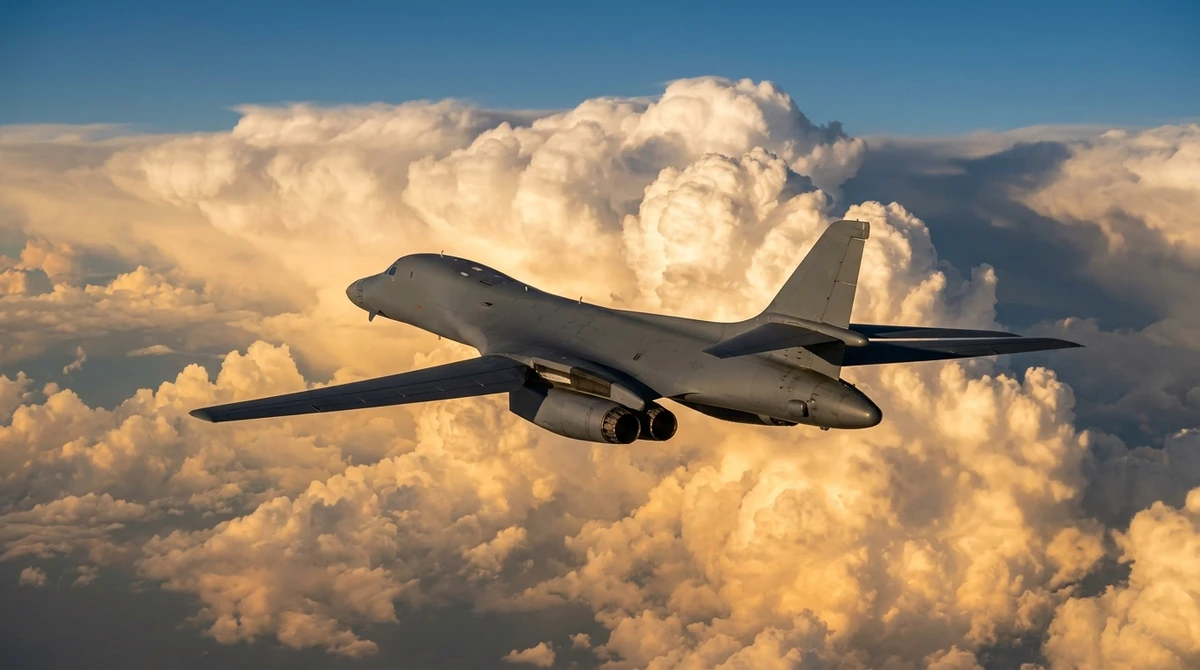
B-1B Lancer Reaches 40 Years in Service as US Air Force Plans to Keep It Flying Through 2037
The B-1B Lancer achieved initial operational capability on 1 October 1986; four decades later, 45 of the 100 bombers built remain in US Air Force service at Ellsworth and Dyess, and modernization funding is now planned to keep the type relevant through 2037.
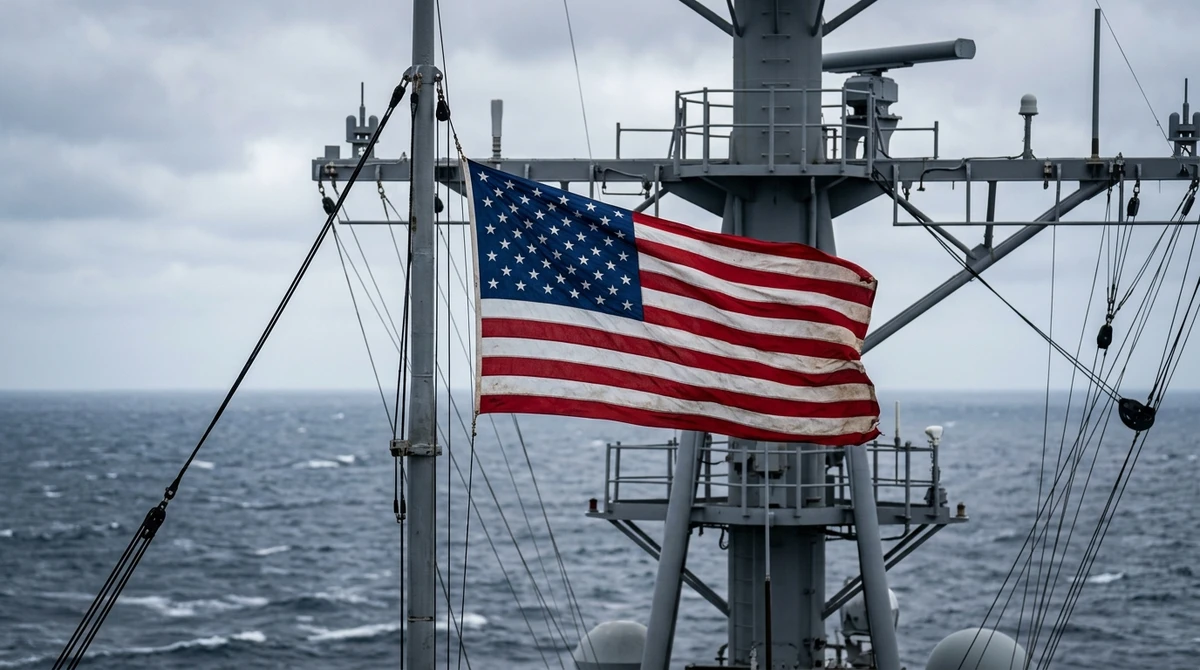
US Navy Awards Raytheon Up to $24.4 Billion Multiyear Contract for SM-6 Missiles
The US Navy on Oct. 1, 2026 awarded RTX's Raytheon unit a multiyear contract worth up to $24.4 billion for Standard Missile-6 interceptors, a five-year deal with two option years whose quantities remain undisclosed and whose funding Congress has yet to appropriate.