
Republic of Korea Air Force
The Republic of Korea Air Force operates 1,540 military aircraft in 2026 — 374 combat aircraft (fighter and attack jets), 856 helicopters, 50 transport aircraft, 233 trainers. It ranks #6 of 162 air forces worldwide, with 410 more aircraft on order.
-
FEB 252026
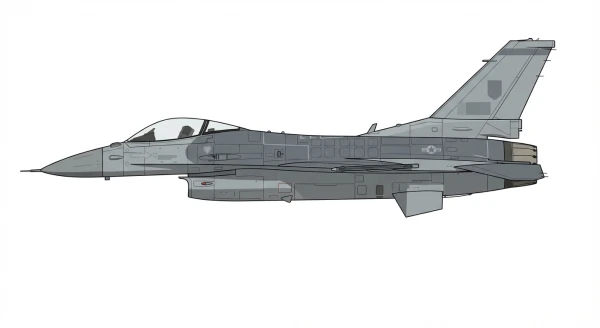 F-16C
Crash
F-16C crashed in mountains near Yeongju during night training; pilot ejected safely.
F-16C
Crash
F-16C crashed in mountains near Yeongju during night training; pilot ejected safely.
-
FEB 92026
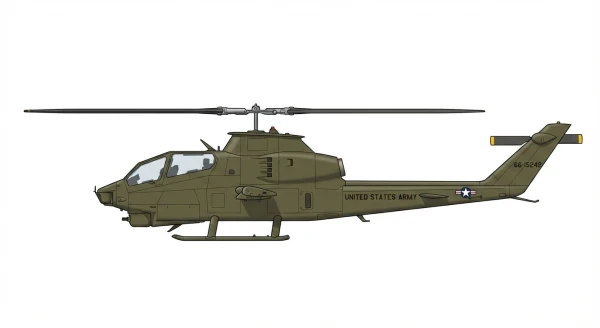 AH-1J/S
Crash
Crashed during emergency procedure training in Gapyeong, Gyeonggi Province; both pilots killed.
AH-1J/S
Crash
Crashed during emergency procedure training in Gapyeong, Gyeonggi Province; both pilots killed.
-
JAN 22026
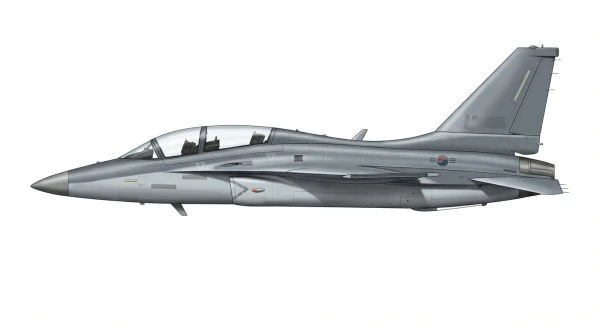 T-50/B
Crash
T-50B overturned during emergency landing at Gwangju AB after anti-skid system failure caused tire blowout; both pilots uninjured.
T-50/B
Crash
T-50B overturned during emergency landing at Gwangju AB after anti-skid system failure caused tire blowout; both pilots uninjured.
Full inventory in 2026
34 aircraft typesRepublic of Korea Air Force
| Aircraft | Origin | Model year | Active | Δ YoY | Ordered | |
|---|---|---|---|---|---|---|
| Combat | ||||||
|
|
F-16C | 🇺🇸 United States | 1979 | 117 | -1 | — |
|
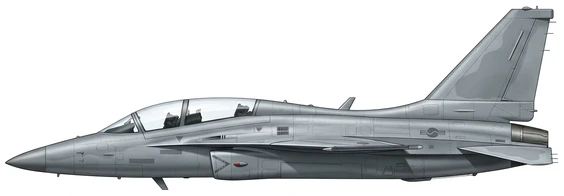
FA-50 | 🇰🇷 South Korea | 2014 | 60 | — | — |
|
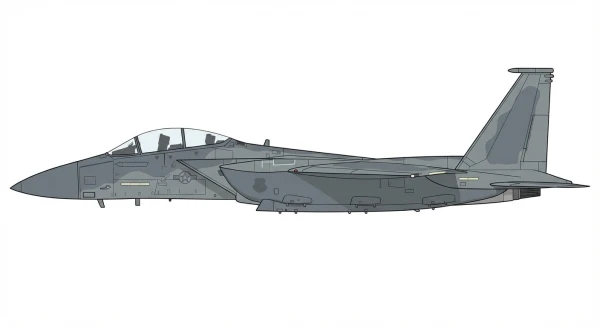
F-15K | 🇺🇸 United States | 1986 | 59 | — | — |
|
|
F-16D | 🇺🇸 United States | 1979 | 49 | — | — |
|
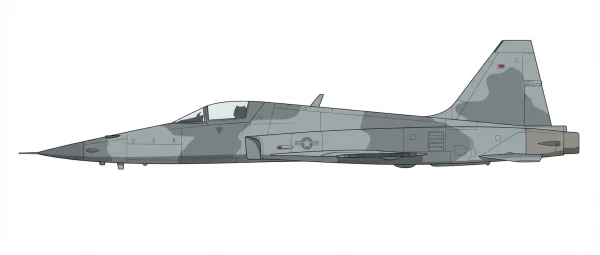
F-5E | 🇺🇸 United States | 1976 | 48 | — | — |
|
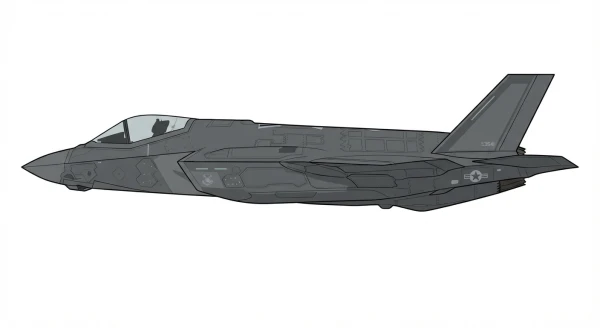
F-35A | 🇺🇸 United States | 2013 | 40 | — | +20 |
|
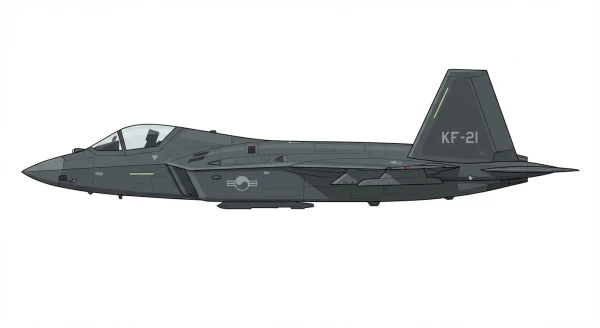
KF-21 | 🇰🇷 South Korea | 2026 | — | — | +120 |
| Helicopter | ||||||
|
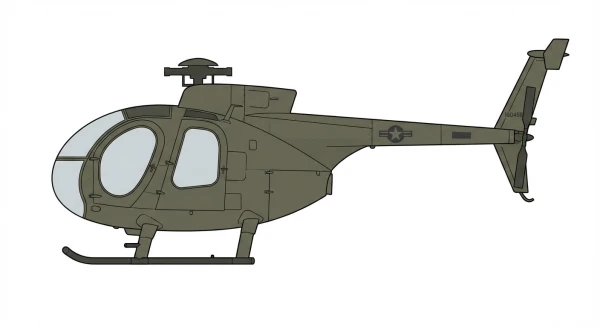
MD500 | 🇺🇸 United States | 1967 | 25 | — | — |
|
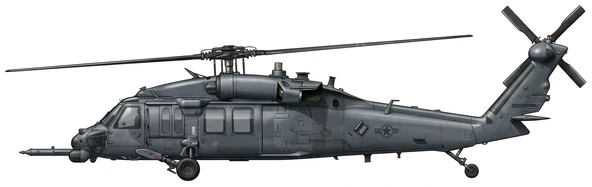
S-70/HH-60P | 🇺🇸 United States | 1987 | 17 | — | — |
|
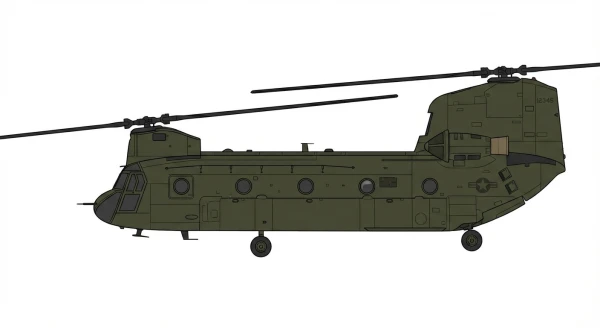
CH/HH-47D | 🇺🇸 United States | 1962 | 9 | — | — |
|
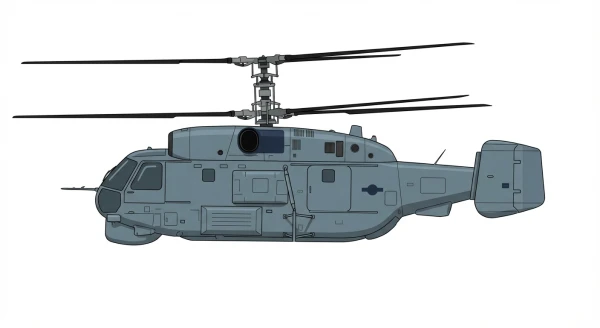
Ka-32 | 🇷🇺 Ex-USSR | 1982 | 7 | — | — |
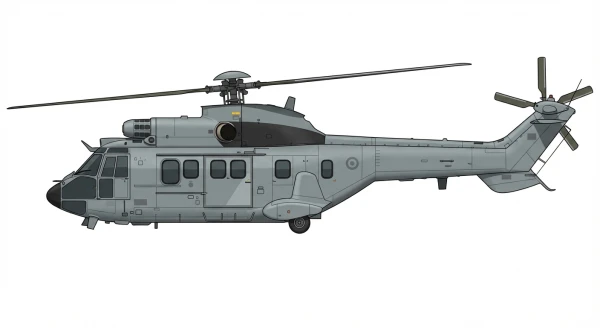
|
H215M/AS332 |
🇩🇪 Germany 🇫🇷 France |
1978 | 3 | — | — |
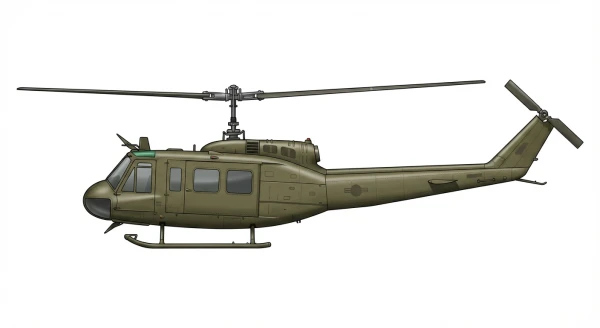
|
Bell 412 | 🇺🇸 United States | 1959 | 3 | — | — |
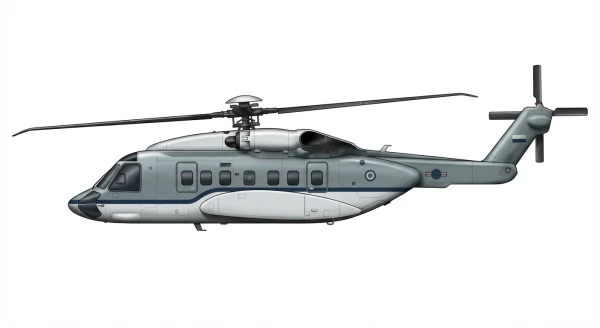
|
S-92 | 🇺🇸 United States | 2004 | 3 | — | — |
| Transport | ||||||
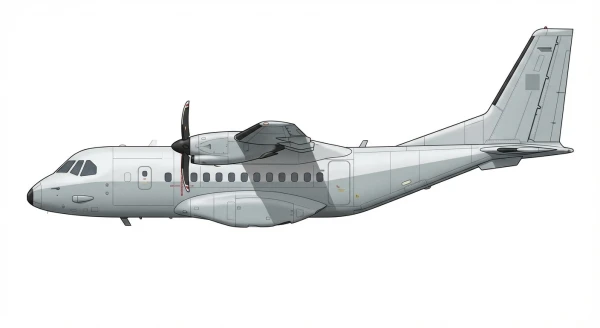
|
CN235 |
🇪🇸 Spain 🇮🇩 Indonesia |
1988 | 18 | — | — |
|
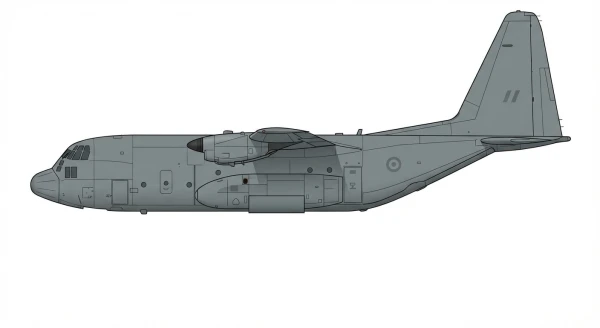
C-130H/MC-130K | 🇺🇸 United States | 1956 | 12 | — | — |
|
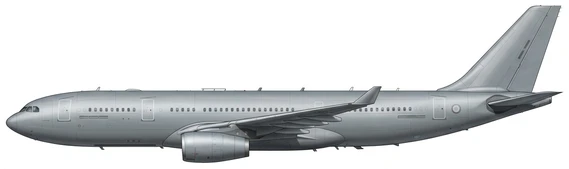
A330 MRTT | 🇫🇷 France | 2011 | 4 | — | — |
|
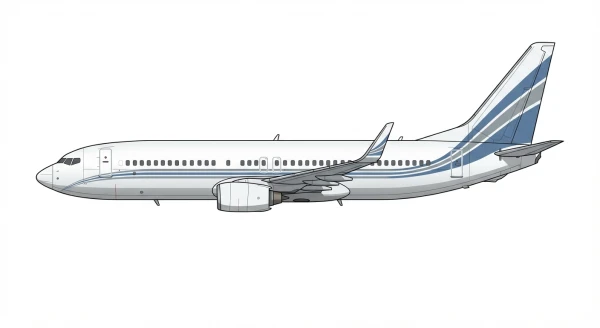
737 | 🇺🇸 United States | 1968 | 4 | — | — |
|
|
C-130J | 🇺🇸 United States | 1956 | 4 | — | — |
|
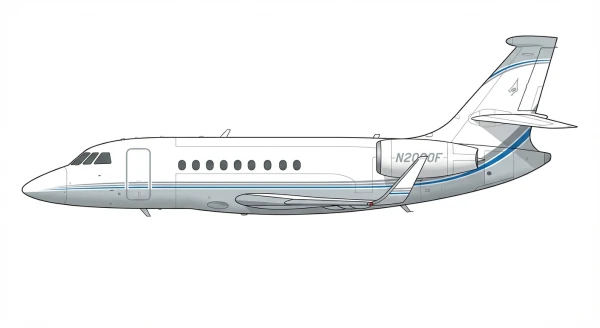
Falcon 2000/LXS | 🇫🇷 France | 1995 | 2 | — | +4 |
|
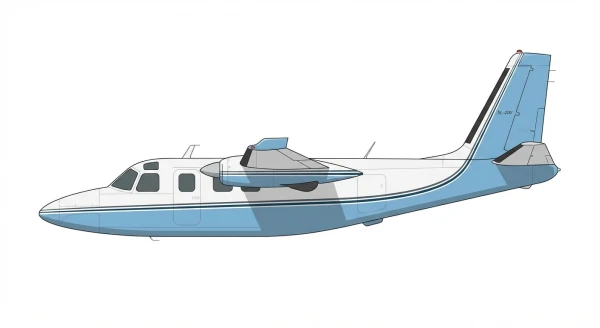
Twin Commander | 🇺🇸 United States | 1952 | 1 | — | — |
|
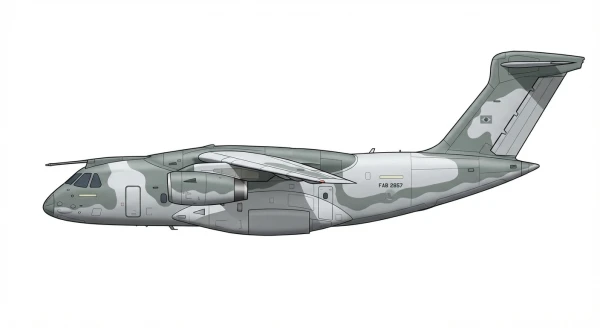
C-390 | 🇧🇷 Brazil | 2019 | — | — | +3 |
| Training | ||||||
|
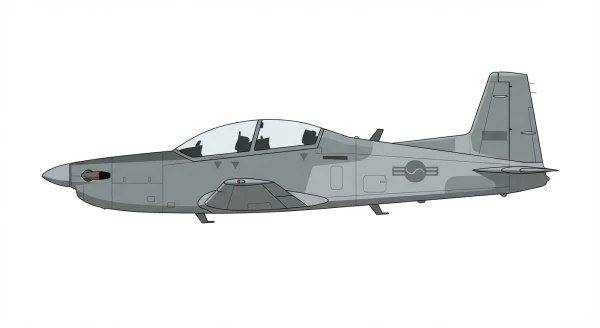
KA/KT-1 | 🇰🇷 South Korea | 2000 | 103 | — | — |
|
|
T-50/B | 🇰🇷 South Korea | 2005 | 81 | -1 | — |
|
|
TA-50 | 🇰🇷 South Korea | 2005 | 25 | — | +17 |
|
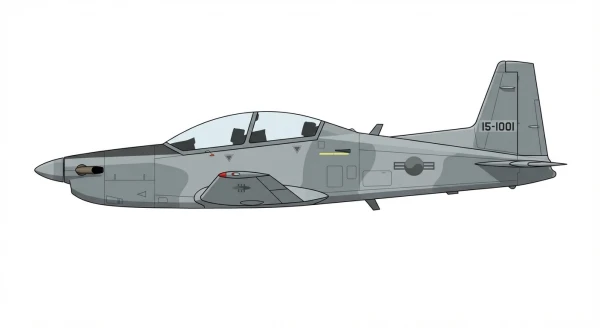
KT-100 | 🇰🇷 South Korea | 2015 | 23 | — | — |
| Other | ||||||
|
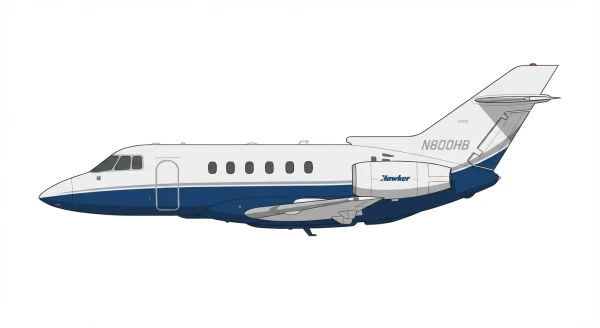
Hawker 800 | 🇺🇸 United States | 1983 | 8 | — | — |
Republic of Korea Army
| Aircraft | Origin | Model year | Active | Δ YoY | Ordered | |
|---|---|---|---|---|---|---|
| Helicopter | ||||||
|
|
MD500 | 🇺🇸 United States | 1967 | 226 | — | — |
|
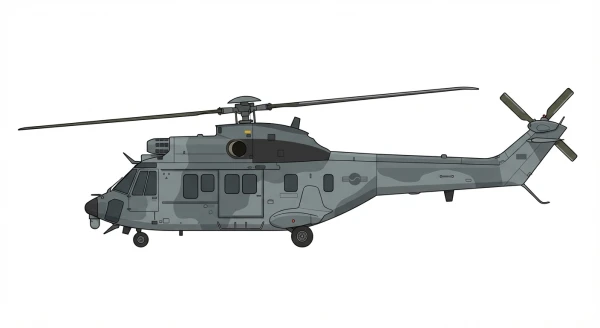
Surion KUH-1 | 🇰🇷 South Korea | 2013 | 210 | — | — |
|
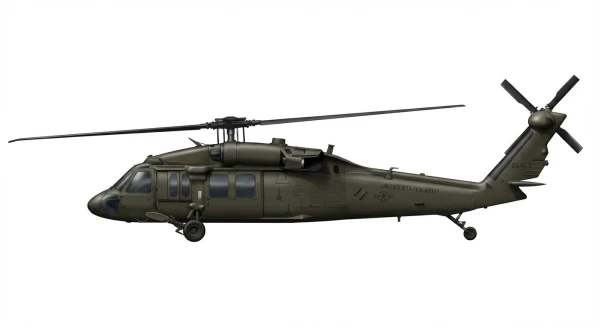
S-70/UH-60L/P | 🇺🇸 United States | 1979 | 113 | — | — |
|
|
AH-1J/S | 🇺🇸 United States | 1967 | 59 | -6 | — |
|
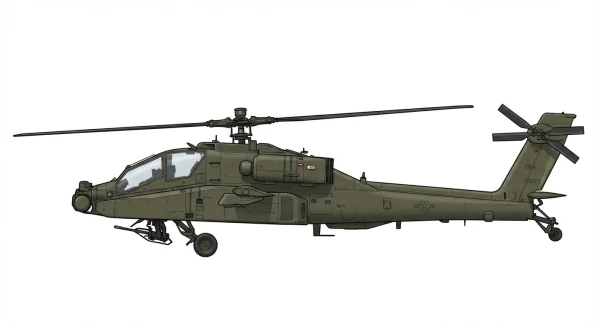
AH-64E | 🇺🇸 United States | 1984 | 36 | — | — |
|
|
CH-47D/F | 🇺🇸 United States | 1962 | 34 | — | +18 |
|
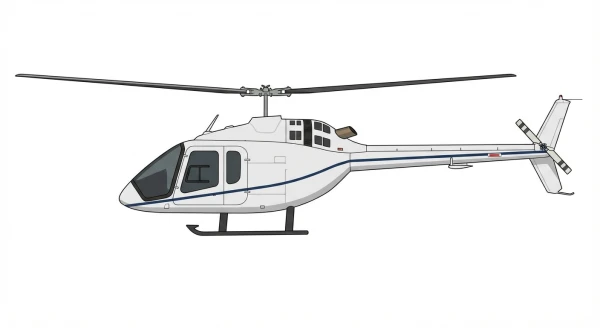
Bell 505 | 🇺🇸 United States | 2017 | 24 | — | +16 |
|
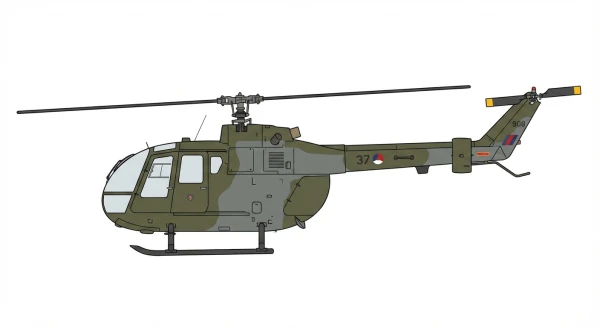
BO105 | 🇩🇪 Germany | 1970 | 12 | — | — |
|
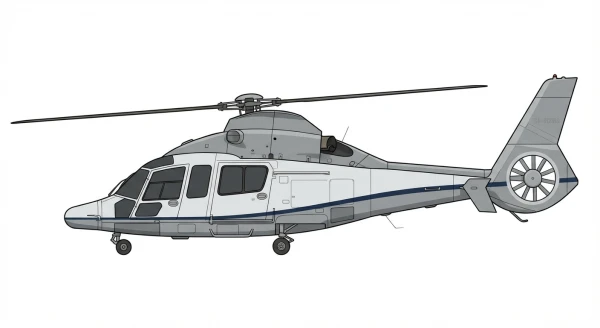
Light Attack Helicopter | 🇫🇷 France | 1999 | — | — | +200 |
| Other | ||||||
|
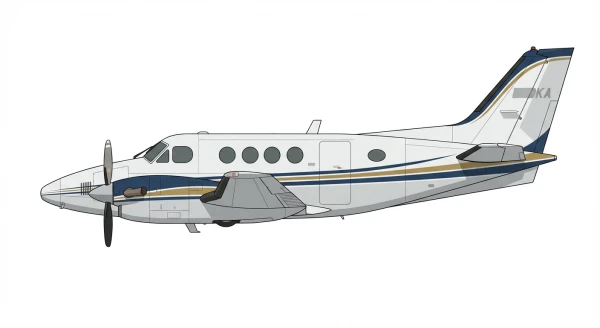
King Air 90 | 🇺🇸 United States | 1964 | 1 | — | — |
Republic of Korea Marine Corps
| Aircraft | Origin | Model year | Active | Δ YoY | Ordered | |
|---|---|---|---|---|---|---|
| Helicopter | ||||||
|
|
Surion MUH-1 | 🇰🇷 South Korea | 2013 | 30 | — | — |
Republic of Korea Navy
| Aircraft | Origin | Model year | Active | Δ YoY | Ordered | |
|---|---|---|---|---|---|---|
| Helicopter | ||||||
|
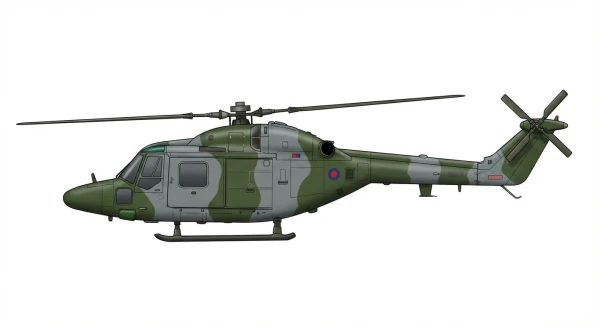
Lynx 99/A | 🇬🇧 United Kingdom | 1978 | 24 | — | — |
|
|
S-70/MH-60R/UH-60P | 🇺🇸 United States | 1979 | 9 | — | +12 |
|
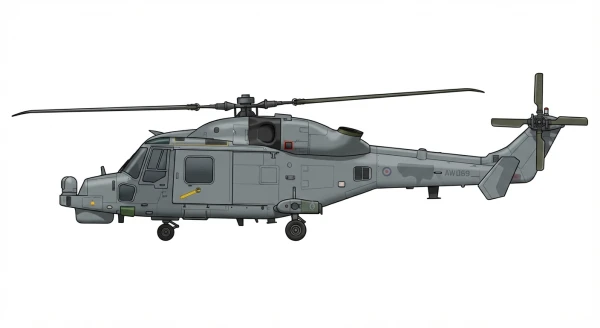
AW159 |
🇬🇧 United Kingdom 🇮🇹 Italy |
2014 | 8 | — | — |
|
|
Bell 505 | 🇺🇸 United States | 2017 | 3 | — | — |
| Transport | ||||||
|
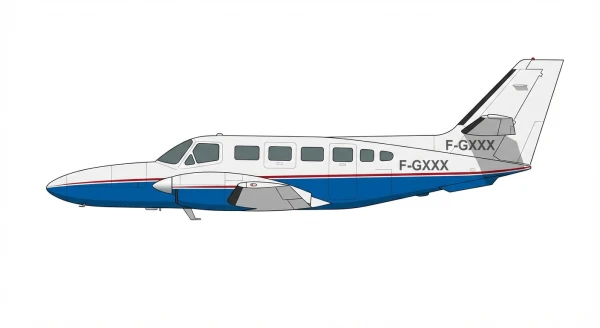
F406 | 🇫🇷 France | 1985 | 5 | — | — |
| Other | ||||||
|
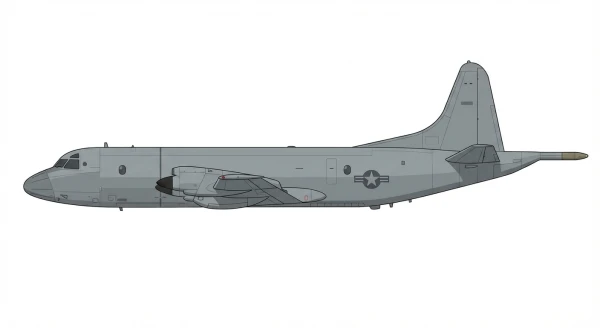
P-3C/CK | 🇺🇸 United States | 1962 | 15 | -1 | — |
|
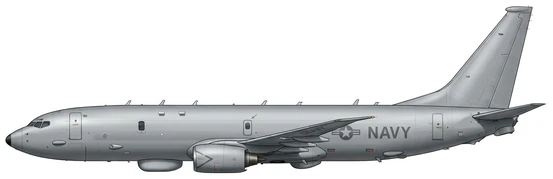
P-8A Poseidon | 🇺🇸 United States | 2013 | 6 | — | — |
Overview
The Republic of Korea Air Force (ROKAF) is a technologically advanced and well-equipped force structured primarily to counter the threat posed by North Korea. Organized along US Air Force lines, it is manned by approximately 65,000 personnel. The main operational components are Air Force Operations Command and Air Force Logistics Command, which provide command and control and sustainment for its various assets, with fighter wings dispersed across the peninsula and hardened against short-warning missile attack.
The ROKAF's strategic doctrine is a key component of South Korea's "three-axis system" for deterrence and defense against the North. This comprises the Kill Chain for pre-emptive strikes on imminent missile threats, the Korea Air and Missile Defense system for interception, and the Korea Massive Punishment and Retaliation plan, which involves precision strikes to neutralize North Korean leadership in a conflict. The air force's role is critical for deep precision strike and for establishing the air superiority that enables this strategy. The growing range and diversity of North Korean missiles, and the deepening military relationship between Pyongyang and Moscow, have made early warning and survivability increasingly central to Korean planning.
Operationally, the ROKAF has focused on developing capabilities for independent deep-strike operations, reducing its historical reliance on US assets. Large-scale joint exercises with the United States, such as Freedom Shield and Ulchi Freedom Shield, sustain interoperability and readiness, and since the first trilateral air exercise with the United States and Japan in October 2023 the service has taken a visibly wider role in regional security. Its everyday operational burden comes from air defense identification zone incursions by Chinese and Russian aircraft, which regularly trigger intercepts over the Yellow Sea and the East Sea.
Modernization is dominated by the KAI KF-21 Boramae, the 4.5-generation fighter developed with Indonesian participation that is intended to form the future backbone of the fleet. The first series-production aircraft was rolled out at Sacheon in March 2026 after the type completed combat suitability evaluation, with the first Block I airframes due to reach the air force later in the year and deployment planned at Gangneung, close to the North Korean border, to replace the last F-5s; 120 aircraft are planned by 2032. Alongside it, a second batch of 20 F-35As takes the stealth fleet towards 60 aircraft, the F-15K fleet is undergoing a major upgrade running to 2034 with AESA radar and advanced electronic warfare suites, and the KF-16 fleet has completed conversion to the F-16V configuration. Korea is also investing in indigenous stand-off weapons, an escort jammer aircraft, and unmanned wingmen intended to operate with the KF-21.
Frequently Asked Questions
How many aircraft does South Korea have?
How does South Korea's air force rank globally?
How many combat aircraft does South Korea operate?
How many military helicopters does South Korea have?
What is the AIRS Index score of South Korea?
Where does South Korea get its military aircraft from?
- JUL 272026 Updated Air force overview updated
- JUL 252026 Updated 2 fleet events recorded
- JUL 242026 Updated A330 MRTT relinked to the correct equipment page; FA-50 relinked to the correct equipment page
- APR 72026 Updated 3 fleet events revised
- MAR 292026 Updated P-8A Poseidon: aircraft type updated
- MAR 282026 Updated A330 MRTT relinked to the correct equipment page
- MAR 72026 Updated Fleet event recorded