UK Clears MBDA to Give Ukraine Storm Shadow Blueprints for Battlefield AI Data
British Prime Minister Andy Burnham authorized MBDA on August 24 to release technical data on the UK-controlled components of the Storm Shadow and SCALP cruise missile, according to Breaking Defense, unblocking Ukrainian production of a weapon whose donor stockpiles are close to exhausted.
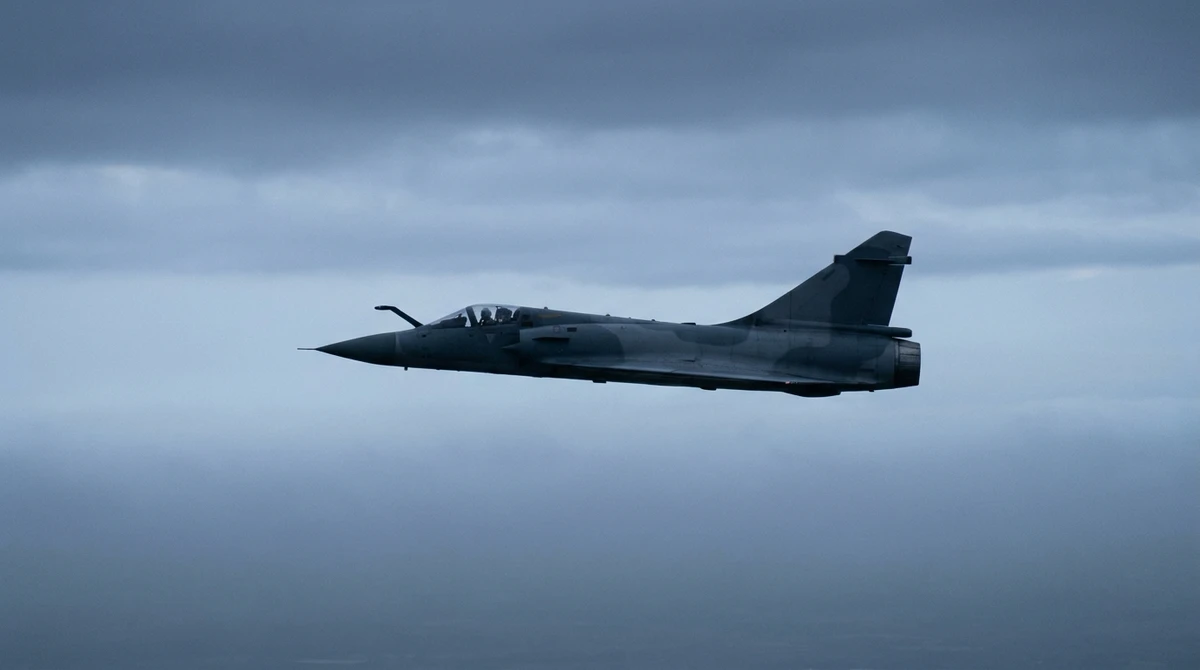
The United Kingdom has authorized MBDA to hand Ukraine classified technical data on the British-controlled components of the Storm Shadow cruise missile, Breaking Defense reported, removing the last legal obstacle to producing the weapon in Ukraine. British Prime Minister Andy Burnham approved the release on August 24, 2026, timed to his visit to Kyiv on Ukraine's Independence Day, his first foreign trip since taking office.
In exchange, according to the same report, Britain gains access to Avengers AI Labs, the Ukrainian platform that aggregates battlefield imagery from thousands of cameras and infrared sensors. That archive is used to train models for autonomous target recognition, the capability drone operators need most in a jamming-saturated environment, and it is data no NATO member can generate at home.
The missile is a Franco-British design, sold as Storm Shadow in British service and SCALP-EG in French, and the split ownership is what had stalled the deal. France opened licensing talks with Kyiv and its defense minister announced them on June 29, but Paris could not conclude them alone: the airframe carries British-controlled hardware and intellectual property, so London had to sign as well. France now leads the effort to stand up production in Ukraine, coordinating with the British and Italian governments.
Ukraine's ambition is staged rather than immediate. The near-term goal, targeted for the end of 2026, is final assembly from imported French and British kits, followed by local manufacture of airframe sections, wiring harnesses and mechanical assemblies. Certifying Ukrainian engines, warheads and navigation units would be a far deeper level of autonomy and is not on the table yet.
The weapon itself entered service in 2003 and remains among the most capable in the war in Ukraine: 1,300 kg at launch, a 450 kg BROACH penetrating warhead, a range of 550 km, and a guidance package combining GPS, TERPROM terrain matching and an imaging-infrared seeker for the terminal phase. It is a weapon fired in tens, not thousands — a stock of a hundred rounds is an operational scale, not a drone-fleet one.
Deliveries began in May 2023 and came from British, French and Italian inventories, which are now described as significantly depleted. The missile accounts for some of the war's most consequential strikes: the Chongar bridges, the Black Sea Fleet headquarters and the Sevastopol dry docks, where a Storm Shadow salvo pierced the bow of the Improved Kilo-class submarine Rostov-on-Don in September 2023. The first strikes inside Russia proper followed in November 2024.
Delivery volume was never the only constraint. Ukraine launches the missile from a shrinking fleet of Su-24M bombers fitted with adapted RAF Tornado pylons, one round under each wing, and from the Mirage 2000-5F. GlobalMilitary.net's 2026 inventory credits the Ukrainian air force with 13 Su-24s and six Mirage 2000-5Fs out of 342 aircraft in total — the 31 F-16s delivered so far are not cleared for the type, and the 16 Rafales Kyiv expects are not due before 2028. Producing more missiles does not by itself produce more launch aircraft.
The decision also sharpens the contrast with Germany, which has withheld its longer-ranged Taurus KEPD 350 throughout the war, and it complements Ukraine's own R-360 Neptune, a shorter-legged weapon built at home from the outset. British and French industry will now work with Ukrainian firms on the transfer; no production site, output rate or first-delivery date has been announced.
More News
All news →
France Rolls Out Rubis, Fifth Suffren-Class Attack Submarine, as One 1980s Boat Remains in Service
France's procurement agency, the DGA, said on October 16 that Rubis, the fifth Suffren-class nuclear attack submarine, had begun its move from Naval Group's construction hall at Cherbourg to the launch system, with trials and delivery to the French Navy still ahead and no dates given.

France Studies Keeping Charles de Gaulle Past 2038 as 24 Carriers Serve in Nine Navies
The French Navy's chief of staff told lawmakers on October 14 that studies due in early 2029 will decide whether the nuclear-powered Charles de Gaulle can sail on after its planned 2038 retirement, which would give France two carriers for the first time since the late 1990s.
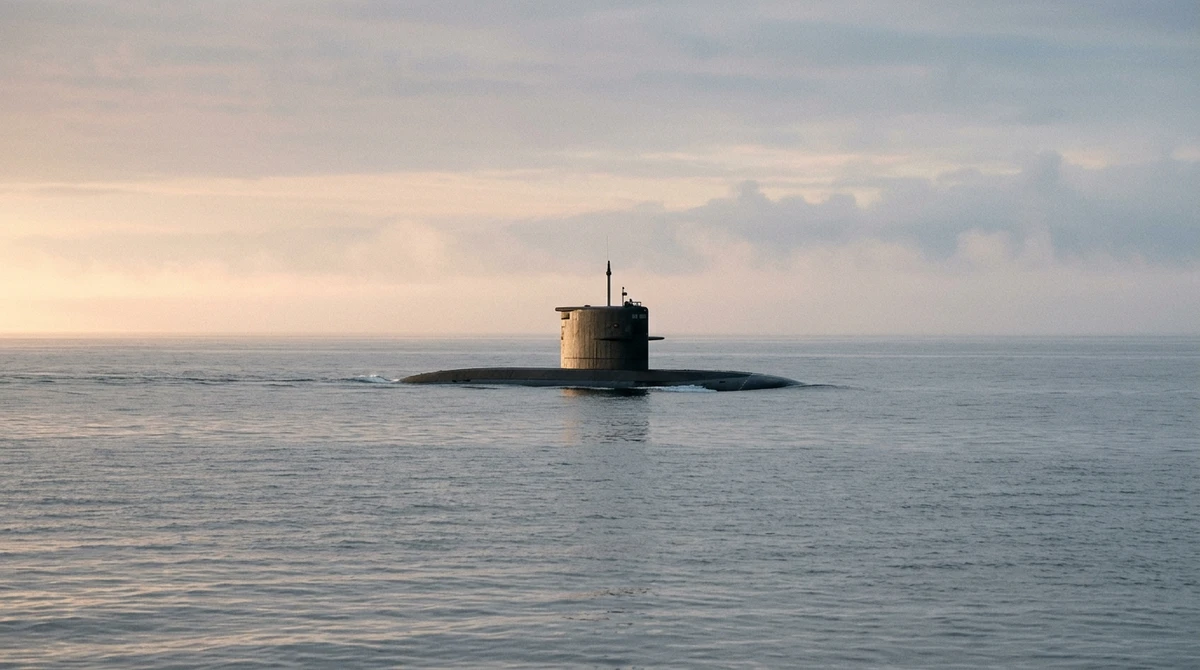
Sweden Signs Lease of Submarine Södermanland to Poland as Bridge to Its A26 Boats
Sweden's Defence Materiel Administration and the Swedish Armed Forces have signed contracts under Poland's Orka program to train Polish submarine crews and lease the AIP-equipped submarine HMS Södermanland to the Polish Navy until 2032, the Swedish Navy announced on October 12.

Su-34 Fullback Is the Combat Jet Russia Has Lost Most Often Since 2022, With 37 Airframes in GMN's Log
GlobalMilitary.net's log of documented losses records 37 Russian Su-34 airframes lost since February 2022, more than any other fixed-wing combat aircraft, as the destruction of a Fullback at Khanskaya Air Base on October 4 and a new delivery batch on October 7 bracket the latest week.

US Army Takes Delivery of First XM1776, Hanwha's Wheeled K9-Based Howitzer to Replace M777 in Select Units
The US Army has accepted the first prototype of its Mobile Tactical Cannon, a wheeled 155 mm howitzer derived from Hanwha's K9, and named it the XM1776 at the AUSA annual meeting in Washington on October 12, 2026, less than a year after issuing the solicitation.
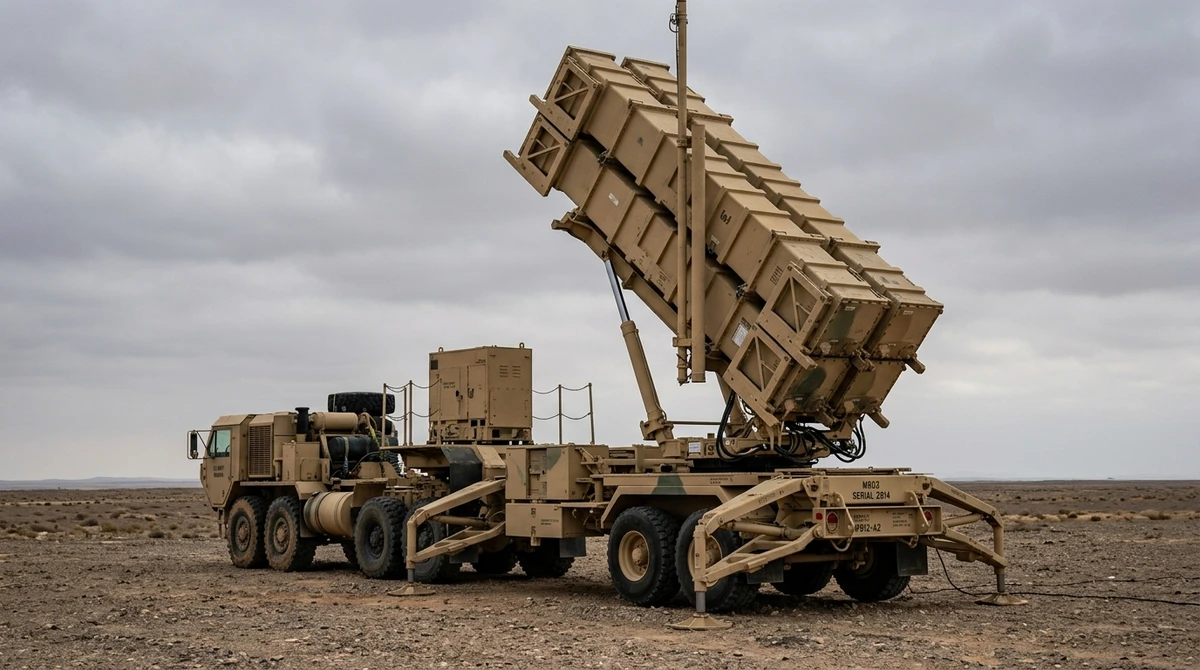
Lockheed Unveils PAC-3 Edge, a Next-Generation Patriot Interceptor for the Army's Future Interceptor Program
Lockheed Martin on October 9 unveiled PAC-3 Edge, its candidate for the US Army's Future Interceptor program and planned successor to the PAC-3 MSE Patriot missile, which it says the Army has moved to the next development stage, with testing planned for 2027 and fielding targeted by 2031.