
People's Liberation Army Air Force
The People's Liberation Army Air Force operates 6,341 military aircraft in 2026 — 3,222 combat aircraft (fighter and attack jets), 234 bombers, 1,549 helicopters, 452 transport aircraft, 190 drones, 585 trainers. It ranks #2 of 162 air forces worldwide, with 130 more aircraft on order.
Full inventory in 2026
56 aircraft typesPeople's Liberation Army Air Force
| Aircraft | Origin | Model year | Active | Δ YoY | Ordered | |
|---|---|---|---|---|---|---|
| Combat | ||||||
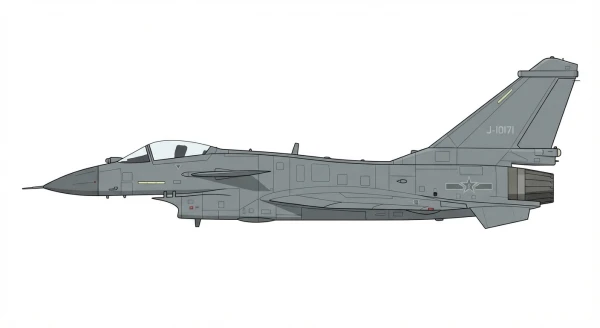
|
J-10A/S/B/C | 🇨🇳 China | 2005 | 608 | +608 | — |
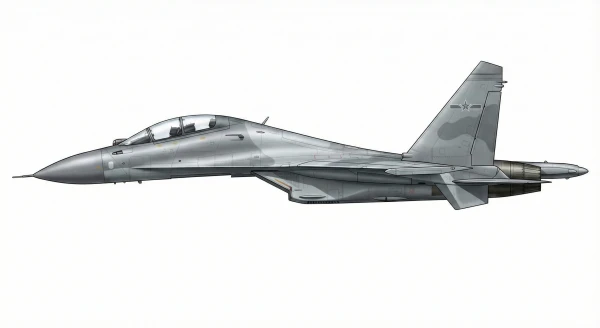
|
J-16/D | 🇨🇳 China | 2015 | 450 | +450 | — |
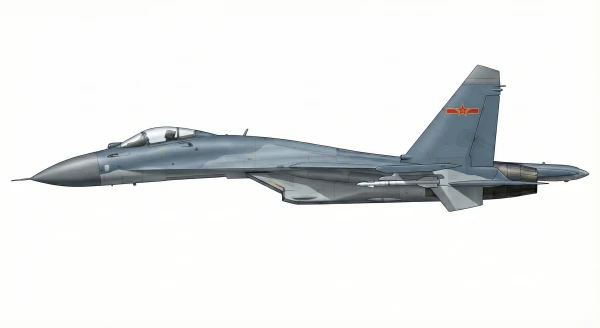
|
J-11/B/BS/BG | 🇨🇳 China | 1998 | 445 | +445 | — |

|
JL-8 |
🇨🇳 China 🇵🇰 Pakistan |
1994 | 350 | +180 | — |
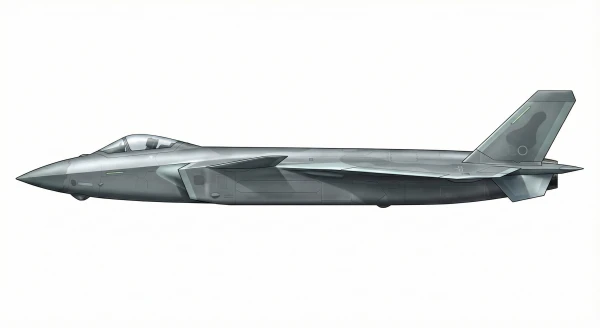
|
J-20A/S | 🇨🇳 China | 2017 | 300 | +300 | — |
|
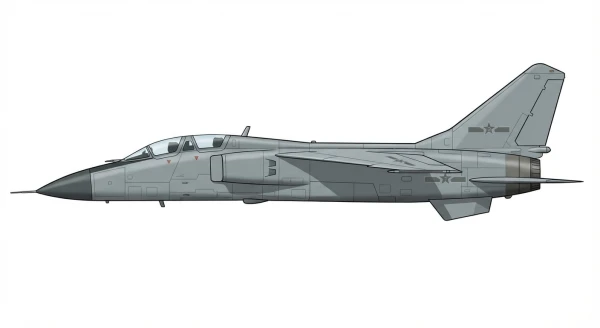
JH-7A | 🇨🇳 China | 1992 | 200 | +200 | — |
|
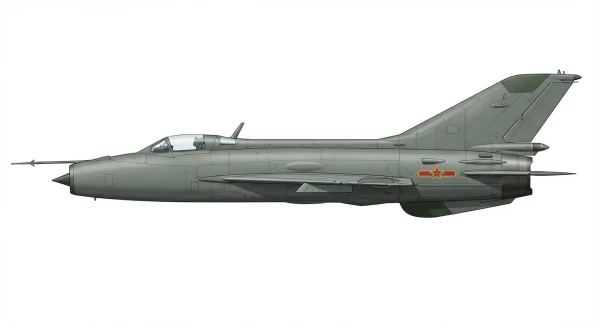
J-7 | 🇨🇳 China | 1966 | 200 | -187 | — |
|
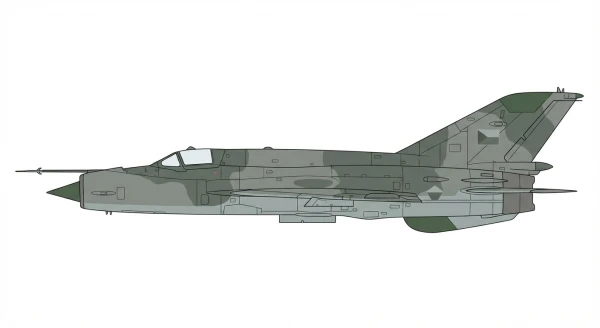
JJ-7 | 🇷🇺 Ex-USSR | 1958 | 200 | +165 | — |
|
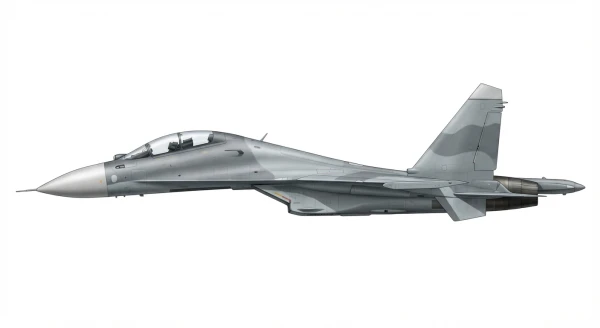
Su-30MKK/MK2 | 🇷🇺 Ex-USSR | 1996 | 97 | +97 | — |
|
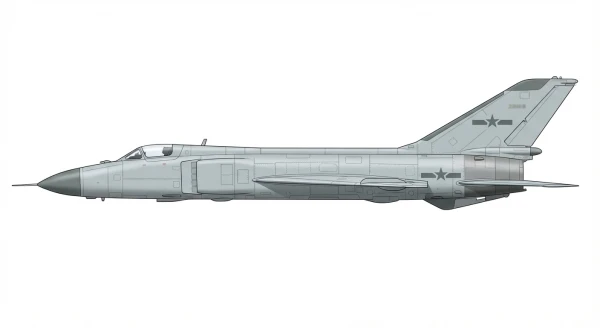
J-8F/H, JZ-8/F | 🇨🇳 China | 1980 | 88 | +88 | — |
|
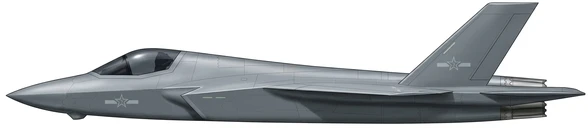
J-35A | 🇨🇳 China | 2025 | 54 | +54 | — |
|
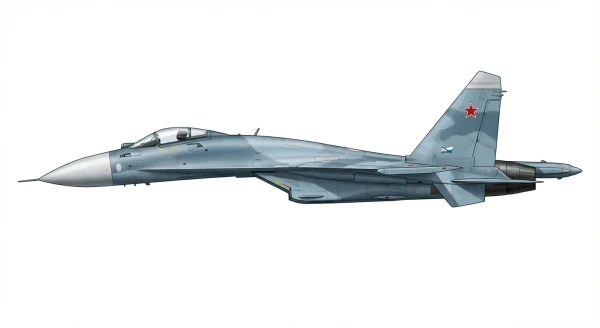
Su-27UBK | 🇷🇺 Ex-USSR | 1985 | 32 | +32 | — |
|
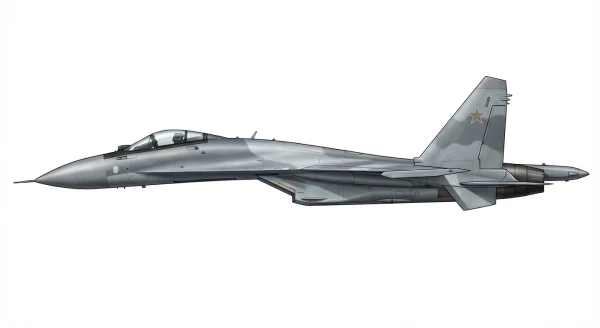
Su-35S | 🇷🇺 Russia | 2014 | 24 | +24 | — |
| Bomber | ||||||
|
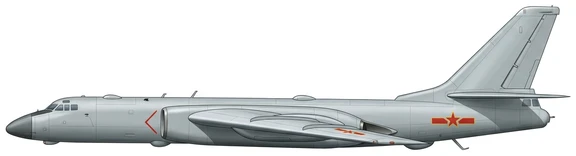
H-6K | 🇨🇳 China | 1959 | 110 | +110 | — |
|
|
H-6H/M | 🇨🇳 China | 1959 | 40 | +40 | — |
|
|
H-6G | 🇨🇳 China | 1959 | 27 | +27 | — |
|
|
H-6J | 🇨🇳 China | 1959 | 18 | +18 | — |
|
|
H-6U/DU | 🇨🇳 China | 1959 | 15 | +15 | — |
|
|
H-6A | 🇨🇳 China | 1959 | 12 | +12 | — |
|
|
H-6N | 🇨🇳 China | 1959 | 12 | +12 | — |
| Helicopter | ||||||
|
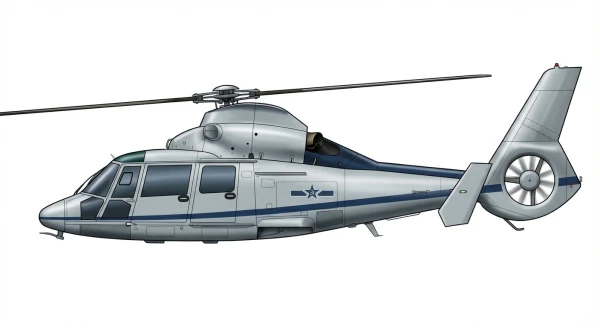
Z-9 | 🇨🇳 China | 1994 | 20 | +4 | — |
|
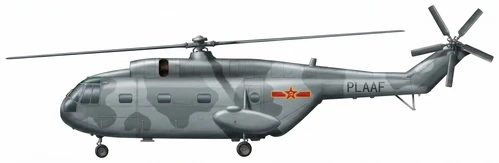
Z-8 | 🇨🇳 China | 1989 | 18 | -16 | — |
|
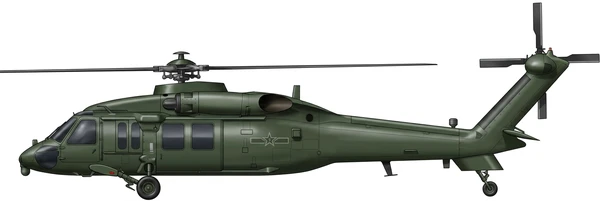
Z-20S | 🇨🇳 China | 2019 | 15 | +15 | — |
|
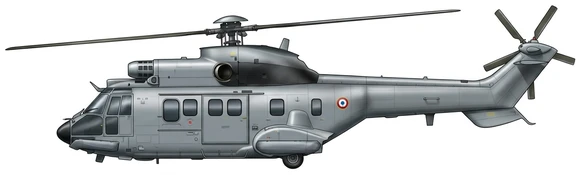
AS332 | 🇫🇷 France | 1981 | 6 | +6 | — |
|
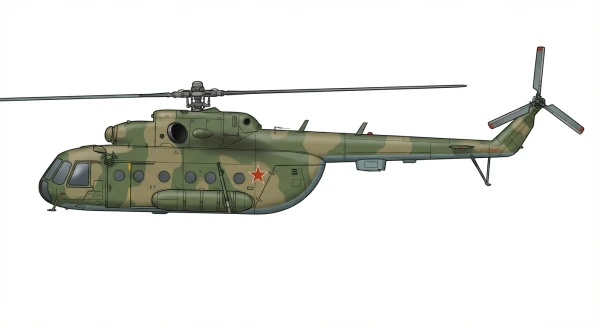
Mi-17/171 | 🇷🇺 Ex-USSR | 1977 | 6 | -10 | — |
|
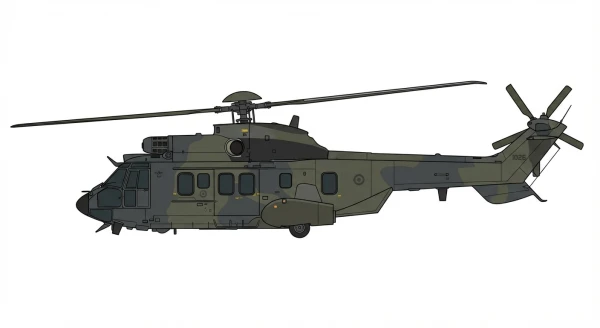
EC225 |
🇩🇪 Germany 🇫🇷 France |
2005 | 3 | +3 | — |
| Transport | ||||||
|
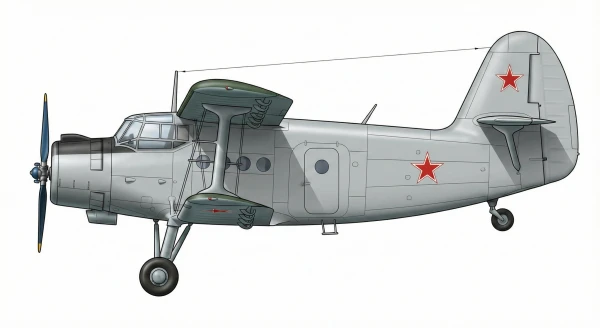
Y-5 | 🇷🇺 Ex-USSR | 1947 | 70 | +70 | — |
|
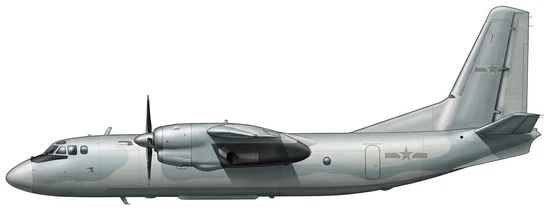
Y-7 / HYJ-7 | 🇨🇳 China | — | 56 | +56 | — |
|
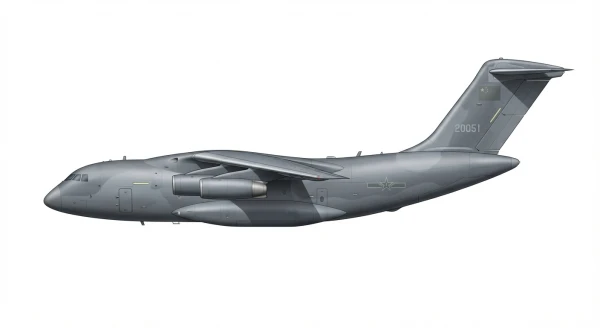
Y-20A/B | 🇨🇳 China | 2016 | 55 | +55 | — |
|
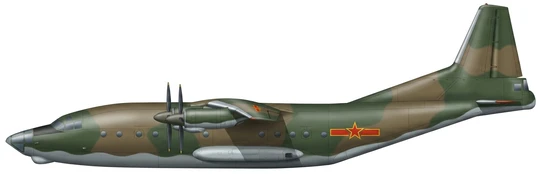
Y-8 (EW/patrol) | 🇨🇳 China | 1981 | 47 | +47 | — |
|
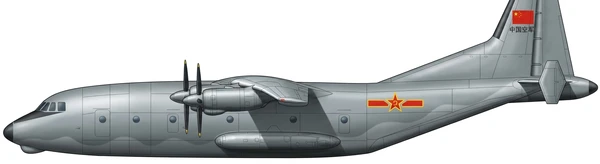
Y-9 (EW/tpt) | 🇨🇳 China | 2012 | 35 | +35 | — |
|
|
YY-20A | 🇨🇳 China | 2016 | 30 | +13 | — |
|
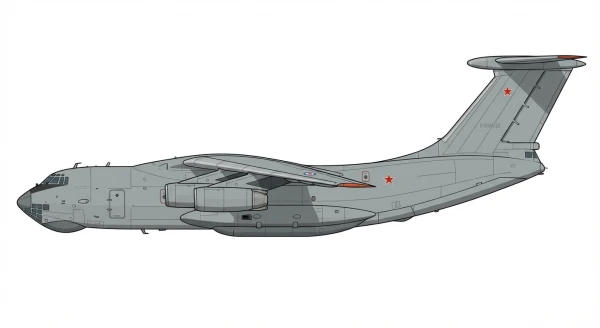
Il-76 | 🇷🇺 Ex-USSR | 1974 | 20 | -10 | — |
|
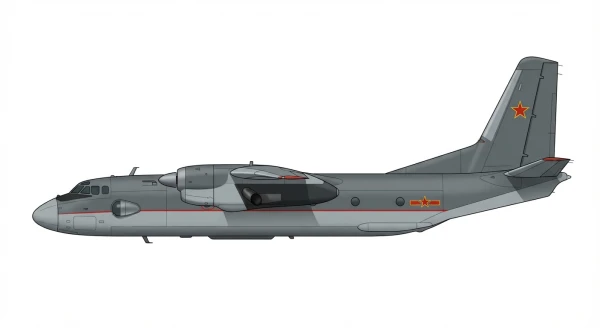
MA60 | 🇷🇺 Ex-USSR | 1969 | 16 | — | — |
|
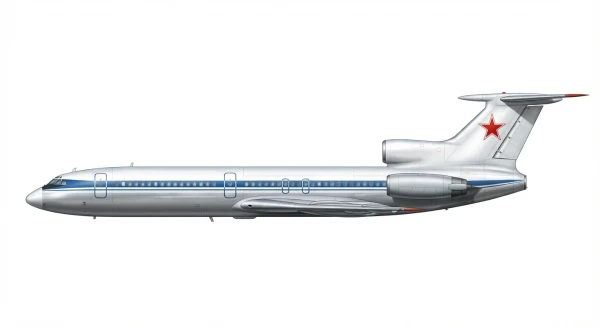
Tu-154 | 🇷🇺 Ex-USSR | 1972 | 12 | +3 | — |
|
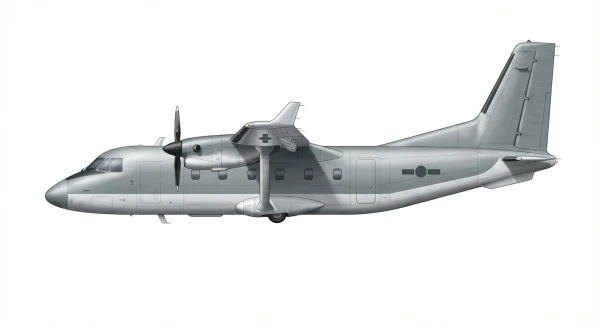
Y-12 | 🇨🇳 China | 1985 | 11 | — | — |
|
|
YY-20B | 🇨🇳 China | 2016 | 10 | +10 | — |
|
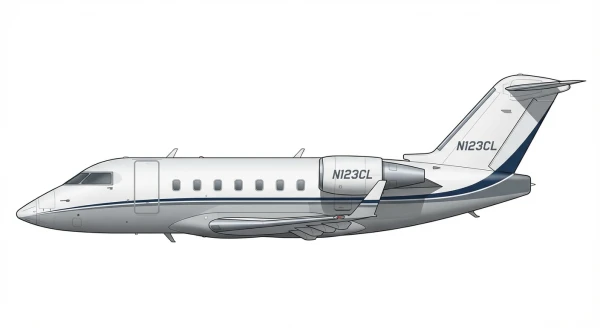
Challenger 870 | 🇨🇦 Canada | 1980 | 5 | — | — |
|
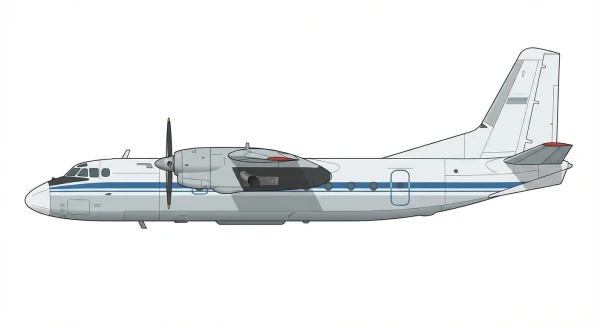
An-30 | 🇺🇦 Ukraine | 1968 | 3 | — | — |
|
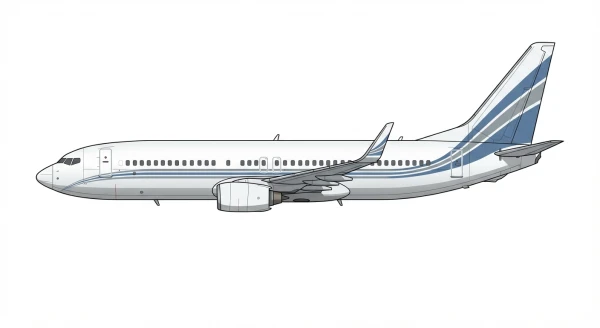
737 | 🇺🇸 United States | 1968 | 2 | — | — |
| Training | ||||||
|
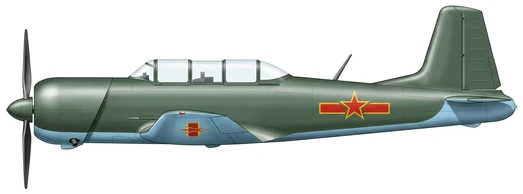
CJ-6 | 🇨🇳 China | 1958 | 400 | +400 | — |
|
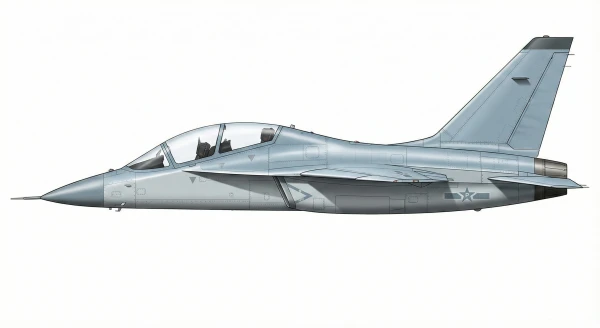
L-15 (JL-10) | 🇨🇳 China | 2013 | 50 | +50 | — |
|
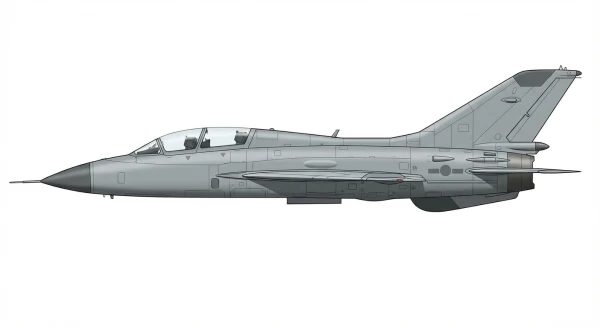
JL-9 | 🇨🇳 China | 2013 | 45 | +45 | — |
| UAV | ||||||
| BZK-005 Giant Eagle | 🇨🇳 China | — | 84 | +84 | — | |
|
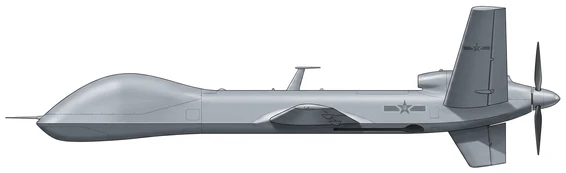
Wing Loong I (GJ-1) | 🇨🇳 China | 2011 | 60 | +60 | — |
|
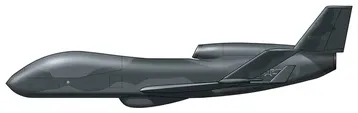
WZ-7 Soaring Dragon | 🇨🇳 China | 2018 | 12 | +12 | — |
| Other | ||||||
|
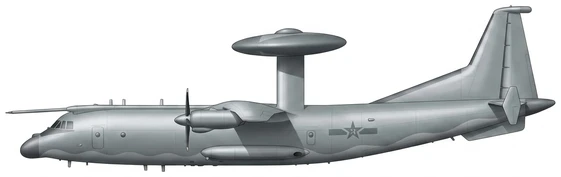
Y-9 (KJ-500) | 🇨🇳 China | 2018 | 40 | +26 | — |
|
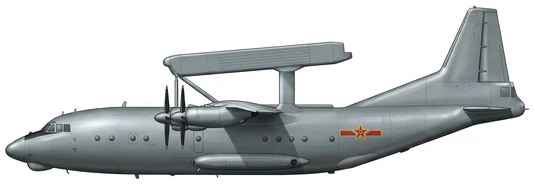
Y-8 (KJ-200) | 🇨🇳 China | 2007 | 11 | — | — |
|
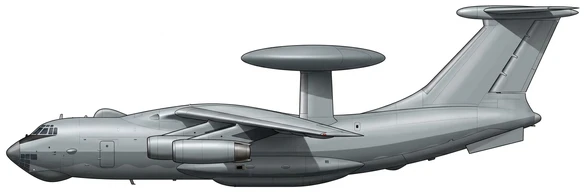
KJ-2000 | 🇨🇳 China | 2005 | 4 | +4 | — |
|
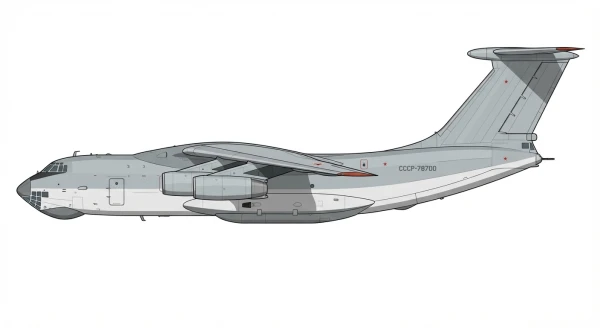
Il-78 | 🇷🇺 Ex-USSR | 1984 | 3 | — | — |
People's Liberation Army Ground Force
| Aircraft | Origin | Model year | Active | Δ YoY | Ordered | |
|---|---|---|---|---|---|---|
| Helicopter | ||||||
|
|
Z-9WZ | 🇨🇳 China | 1994 | 267 | +267 | — |
|
|
Mi-17/171 | 🇷🇺 Ex-USSR | 1977 | 228 | -14 | — |
|
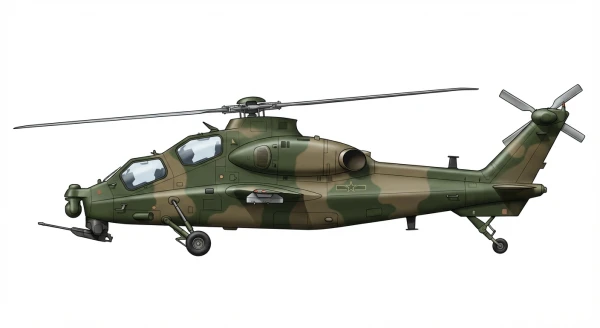
Z-10 | 🇨🇳 China | 2012 | 200 | +94 | +12 |
|
|
Z-20T/J | 🇨🇳 China | 2019 | 190 | +190 | — |
|
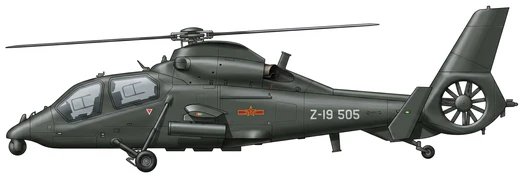
Z-19 | 🇨🇳 China | 2012 | 175 | — | +11 |
|
|
Z-8A/B/L | 🇨🇳 China | 1989 | 135 | +135 | — |
|
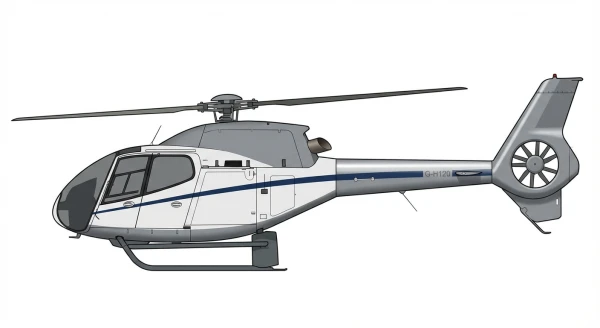
H120 | 🇫🇷 France | 1998 | 93 | — | +57 |
|
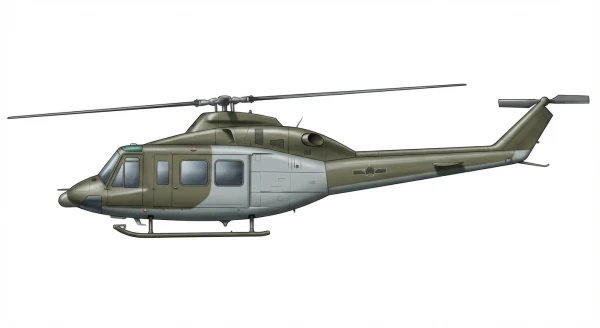
Z-11 | 🇨🇳 China | 1998 | 53 | +7 | — |
|
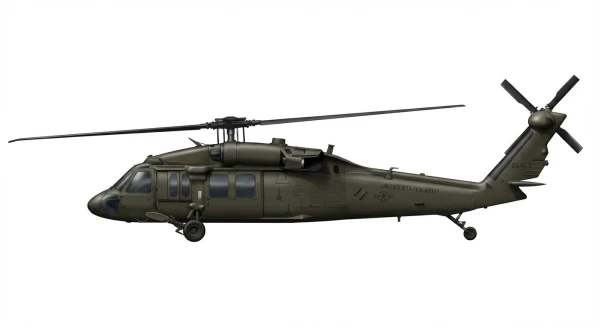
S-70C2 | 🇺🇸 United States | 1979 | 19 | +19 | — |
|
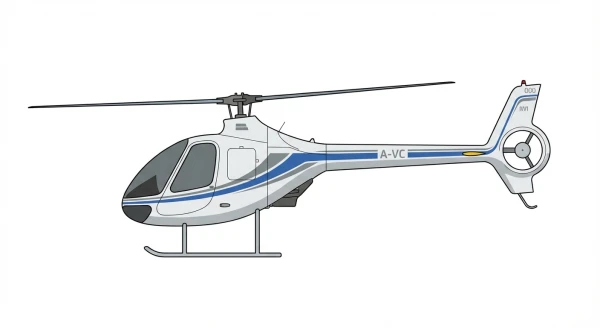
Cabri G2 | 🇫🇷 France | 2008 | 2 | — | — |
| Transport | ||||||
|
|
Y-7 | 🇨🇳 China | — | 2 | -5 | — |
|
|
Y-8 | 🇨🇳 China | 1981 | 2 | -1 | — |
|
|
Y-9 | 🇨🇳 China | 2012 | 2 | — | — |
| UAV | ||||||
|
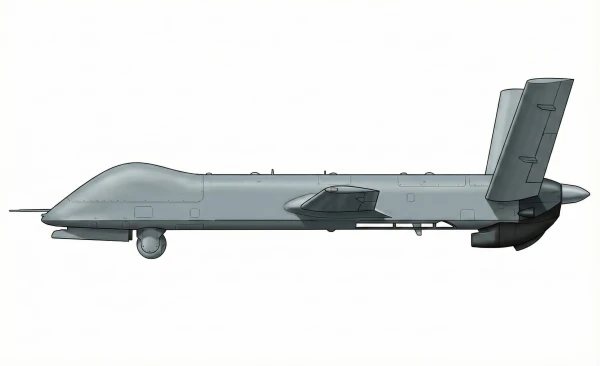
CH-4B Rainbow | 🇨🇳 China | 2011 | 5 | +5 | — |
People's Liberation Army Naval Air Force
| Aircraft | Origin | Model year | Active | Δ YoY | Ordered | |
|---|---|---|---|---|---|---|
| Combat | ||||||
|
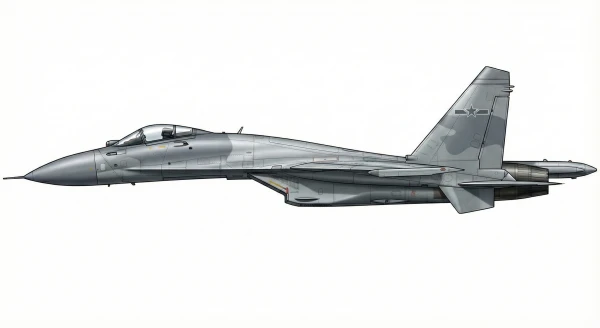
J-15/T/D | 🇨🇳 China | 2013 | 75 | +75 | +50 |
|
|
J-11B/BS | 🇨🇳 China | 1998 | 50 | +50 | — |
|
|
J-7 | 🇨🇳 China | 1966 | 30 | — | — |
|
|
JL-8 |
🇨🇳 China 🇵🇰 Pakistan |
1994 | 16 | +5 | — |
|
|
J-35 | 🇨🇳 China | 2025 | 3 | +3 | — |
| Helicopter | ||||||
|
|
Z-8 | 🇨🇳 China | 1989 | 28 | -1 | — |
|
|
Z-9 | 🇨🇳 China | 1994 | 27 | -6 | — |
|
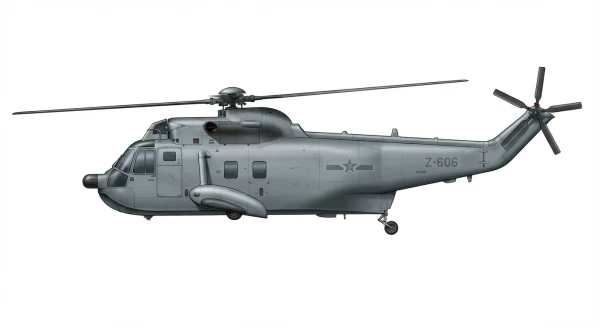
Z-18 | 🇨🇳 China | 2018 | 24 | +21 | — |
|
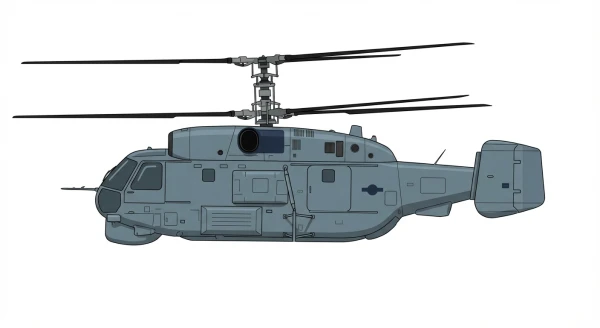
Ka-27/28 | 🇷🇺 Ex-USSR | 1982 | 17 | +17 | — |
|
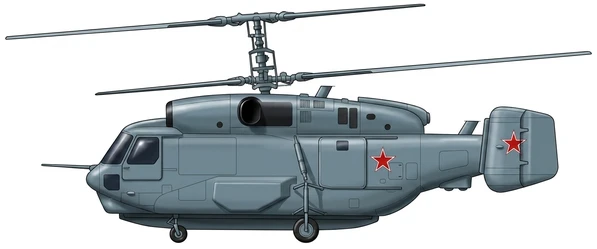
Ka-31 | 🇷🇺 Ex-USSR | 1995 | 9 | — | — |
|
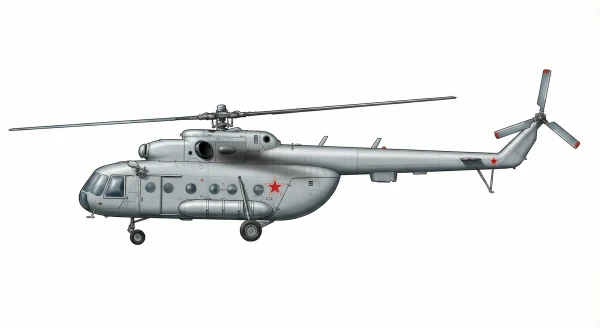
Mi-8 | 🇷🇺 Ex-USSR | 1967 | 8 | — | — |
|
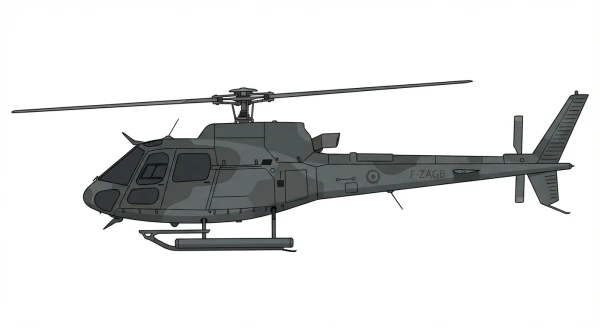
AS365/565 | 🇫🇷 France | 1990 | 6 | — | — |
| Transport | ||||||
|
|
Y-7 / HY-7 | 🇨🇳 China | — | 20 | +20 | — |
|
|
Y-5 | 🇷🇺 Ex-USSR | 1947 | 20 | +20 | — |
|
|
Y-8 (AEW/ELINT/tpt) | 🇨🇳 China | 1981 | 17 | +17 | — |
|
|
Y-9 (ELINT) | 🇨🇳 China | 2012 | 10 | +10 | — |
|
|
CRJ-200/700 | 🇨🇦 Canada | 1980 | 4 | +4 | — |
|
|
MA60 | 🇷🇺 Ex-USSR | 1969 | 3 | — | — |
| Training | ||||||
|
|
JL-9/G | 🇨🇳 China | 2013 | 40 | +40 | — |
|
|
CJ-6 | 🇨🇳 China | 1958 | 38 | +38 | — |
|
|
L-15 (JL-10) | 🇨🇳 China | 2013 | 12 | +12 | — |
| UAV | ||||||
| BZK-005 Giant Eagle | 🇨🇳 China | — | 21 | +21 | — | |
|
|
WZ-7 Soaring Dragon | 🇨🇳 China | 2018 | 8 | +8 | — |
| Other | ||||||
|
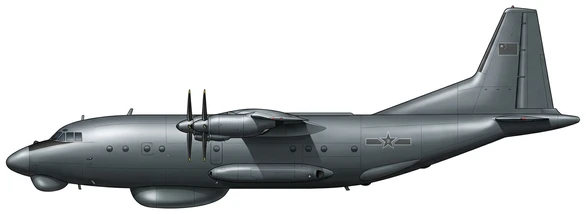
Y-9 (KQ-200) | 🇨🇳 China | 2015 | 25 | +25 | — |
|
|
Y-9 (KJ-500) | 🇨🇳 China | 2018 | 20 | +20 | — |
|
|
Y-8 (KJ-200) | 🇨🇳 China | 2007 | 6 | +6 | — |
Overview
The People's Liberation Army Air Force (PLAAF) has undergone a significant transformation from a large, defensively-oriented force into an increasingly sophisticated and capable instrument of national power. Structurally, the PLAAF has moved from a rigid, Soviet-style model of divisions and regiments to a more flexible "base-brigade" system under five Theater Commands. This reorganization is intended to improve joint-service integration and give operational commanders greater autonomy. The force comprises several branches, including aviation, surface-to-air missiles, anti-aircraft artillery, radar, and an integral Airborne Corps, demonstrating its multi-domain operational scope.
The PLAAF's strategic doctrine has evolved from territorial air defense to preparing for "informatized" and increasingly "intelligentized" local wars, in which information dominance is treated as the key to victory. This doctrine stresses integrated joint operations and precision strikes against an adversary's critical vulnerabilities. Its stated ambition is to become a "strategic air force" capable of long-distance power projection to protect China's growing global interests, while the immediate planning focus remains the Taiwan Strait and the first island chain. A lack of recent combat experience and persistent difficulties in achieving deep integration in joint operations remain the most commonly cited constraints.
Modernization is at the core of the PLAAF's development, characterized by the rapid introduction of advanced, domestically produced aircraft. The J-20 stealth fighter has passed roughly 300 airframes in service and is now joined by the J-35A, formally inducted in September 2025, making China the second country after the United States to operate two fifth-generation stealth fighter types simultaneously. The J-16 and J-10C continue to displace the several hundred J-7 and J-8 legacy interceptors still carried on strength, while the Y-20 provides heavy airlift and its Y-20U tanker variant addresses a long-standing aerial refueling shortfall. Two sixth-generation demonstrators, the Chengdu J-36 and the Shenyang J-50, have been flying since December 2024, with the PLA releasing official footage of the J-36 in June 2026, and the long-awaited H-20 stealth bomber remains unrevealed.
Regionally, the PLAAF is a potent force, increasingly capable of contesting air superiority across the Indo-Pacific. Its principal peacetime activity is sustained pressure around Taiwan, where PLA aircraft flew 3,764 sorties into the island's air defense identification zone during 2025, a 22 percent increase over the previous year, alongside recurring large-scale joint exercises and near-daily flights through the Miyako Strait that drive Japanese and Taiwanese intercepts. Globally, its positioning is still emerging. It is not yet an expeditionary air force on par with the United States, but the expansion of its transport, tanker and airborne early warning fleets, work on the KJ-3000, and the support base at Djibouti are clear indicators of broader ambitions. The PLAAF's trajectory suggests a deliberate shift from a regional force to a global military actor, designed to secure China's international interests and reshape the strategic balance of power.
- Jul 232026 Exercise PLA holds two-day live-fire drills off Dongshan Island after Beijing slams Lai speech · Dongshan Island, Fujian, China
- Dec 292025 Exercise China's Justice Mission-2025 blockade drills bring record air activity and rocket fire near Taiwan · Taiwan Strait
- Apr 12025 Exercise China stages Strait Thunder-2025A drills with live fire and closest carrier approach to Taiwan · Taiwan Strait
Frequently Asked Questions
How many aircraft does China have?
How does China's air force rank globally?
How many combat aircraft does China operate?
How many military helicopters does China have?
What is the AIRS Index score of China?
Where does China get its military aircraft from?
- AUG 292026 Updated Y-20 fleet recorded for 2024, completing the transport and tanker series
- AUG 292026 Updated Y-20 transport and YY-20 tanker fleets counted separately
- AUG 272026 Updated Three helicopter counts raised across the ground and naval rotary fleets
- AUG 272026 Updated Full 2026 inventory rebuilt: Flanker family split by type, retired types dropped and the trainer fleet added
- AUG 202026 Updated First UAV inventory pass: WZ-7, BZK-005, CH-4B and GJ-1 added to the 2026 snapshot (figures dated but best available)
- AUG 42026 Updated Z-8 fleet entry linked to its aircraft page
- JUL 272026 Updated Air force overview updated