
Indian Air Force
भारतीय वायु सेना (Bhāratīya vāyu senā) — The Indian Air Force (IAF) is structured into seven commands, of which five are operational and two are functional (Training Command and Maintenance Command). This framework is designed for efficient command and …
-
JUN 132026
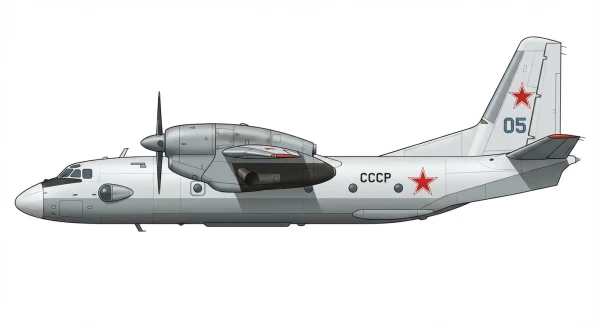 An-32
Crash
An-32 of 43 Squadron crashed while landing at Jorhat Air Force Station, Assam; aircraft caught fire, 5 personnel killed, co-pilot survived.
An-32
Crash
An-32 of 43 Squadron crashed while landing at Jorhat Air Force Station, Assam; aircraft caught fire, 5 personnel killed, co-pilot survived.
-
MAY 202026
 Cheetah
Crash
Cheetah helicopter crashed in Tangtse sector, Ladakh; all three onboard including a major general survived with minor injuries.
Cheetah
Crash
Cheetah helicopter crashed in Tangtse sector, Ladakh; all three onboard including a major general survived with minor injuries.
-
MAR 52026
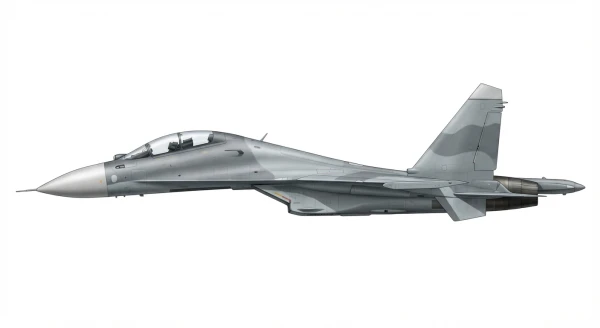 Su-30
Crash
Crashed on hilltop near Karbi Anglong during training sortie from Jorhat; both pilots killed.
Su-30
Crash
Crashed on hilltop near Karbi Anglong during training sortie from Jorhat; both pilots killed.
-
FEB 122026
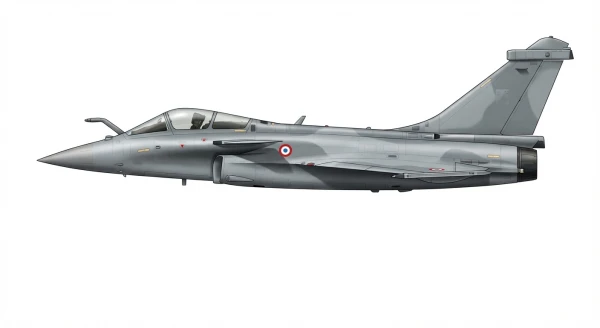 114× Rafale DH/EH
Ordered
DAC approved purchase of 114 Rafale F4 jets; 18 fly-away, 96 assembled in India.
114× Rafale DH/EH
Ordered
DAC approved purchase of 114 Rafale F4 jets; 18 fly-away, 96 assembled in India.
-
FEB 72026
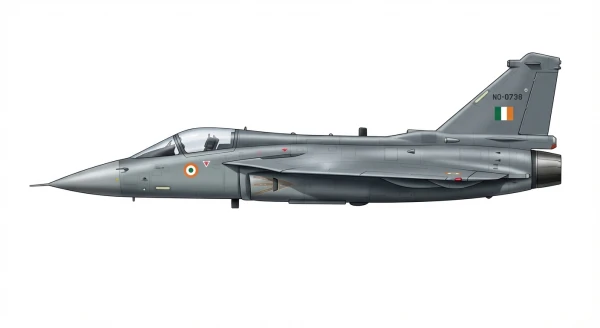 Tejas
Crash
Tejas overshot runway at forward airbase along western front due to suspected brake failure; pilot injured but survived.
Tejas
Crash
Tejas overshot runway at forward airbase along western front due to suspected brake failure; pilot injured but survived.
-
JAN 212026
 Pipistrel Virus SW80
Crash
Microlight crashed into pond near KP College, Prayagraj during training; both crew rescued safely.
Pipistrel Virus SW80
Crash
Microlight crashed into pond near KP College, Prayagraj during training; both crew rescued safely.
Full inventory in 2026
37 aircraft typesIndian Air Force
| Aircraft | Origin | Model year | Active | Δ YoY | Ordered | |
|---|---|---|---|---|---|---|
| Combat | ||||||
|
|
Su-30 | 🇷🇺 Ex-USSR | 1996 | 258 | -7 | +12 |
|
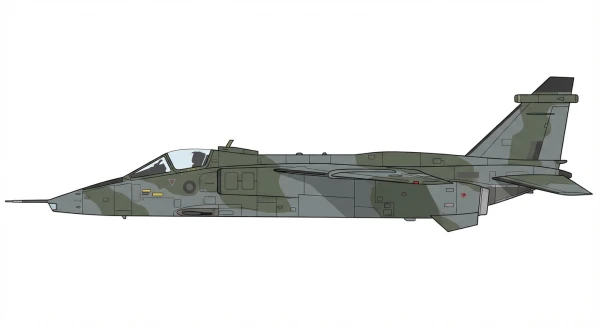
Jaguar M/S |
🇫🇷 France 🇬🇧 United Kingdom |
1972 | 86 | -44 | — |
|
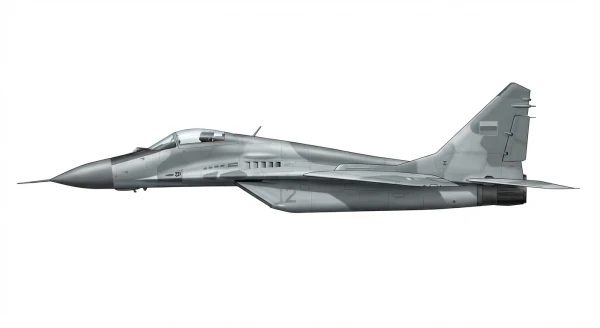
MiG-29 | 🇷🇺 Ex-USSR | 1983 | 59 | -16 | — |
|
|
Tejas | 🇮🇳 India | 2015 | 35 | +3 | +182 |

|
Mirage 2000H/I | 🇫🇷 France | 1983 | 36 | -8 | — |
|
|
Rafale DH/EH | 🇫🇷 France | 2001 | 36 | — | +114 |
|
|
Jaguar T |
🇫🇷 France 🇬🇧 United Kingdom |
1972 | 26 | -4 | — |
|
|
Mirage 2000TH/TI | 🇫🇷 France | 1983 | 10 | -1 | — |
| Helicopter | ||||||
|
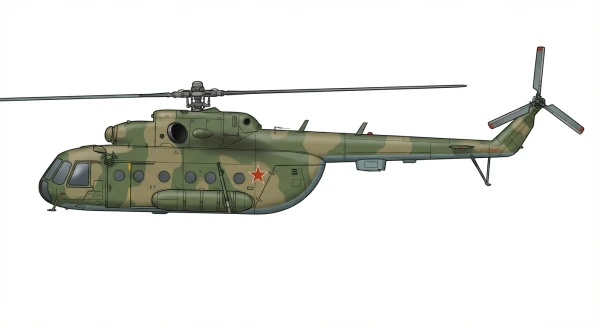
Mi-17 | 🇷🇺 Ex-USSR | 1977 | 222 | — | — |
|
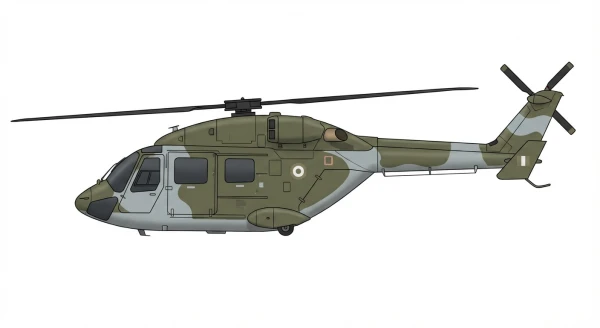
Dhruv ALH/Rudra | 🇮🇳 India | 2002 | 111 | — | +50 |
|
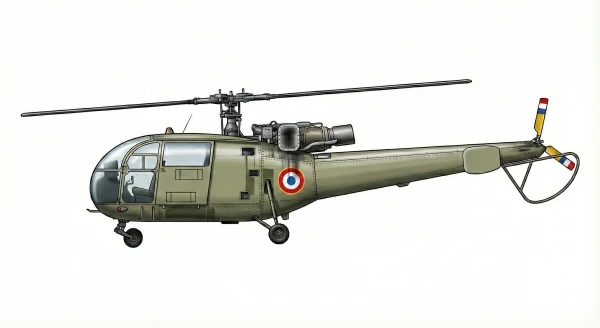
SA316/319 | 🇫🇷 France | 1961 | 79 | — | — |
|
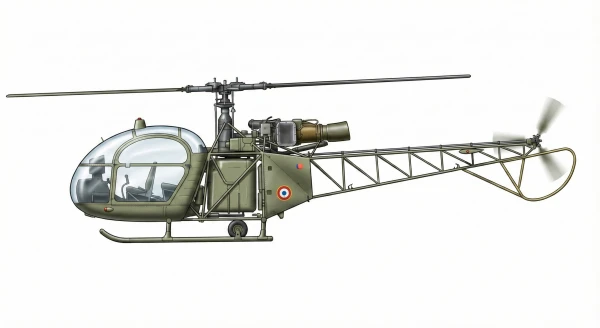
SA315 | 🇫🇷 France | 1957 | 36 | — | — |
|
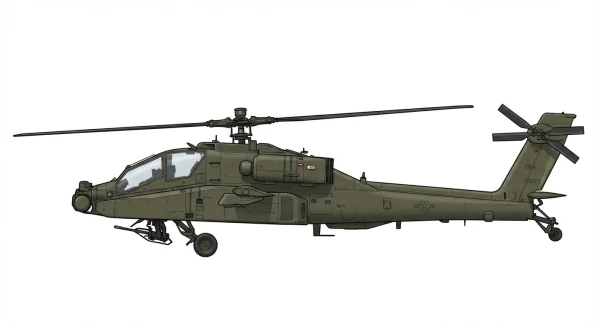
AH-64E | 🇺🇸 United States | 1984 | 22 | — | — |
|
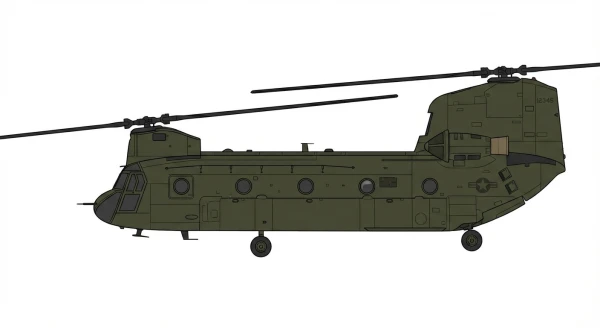
CH-47F | 🇺🇸 United States | 1962 | 15 | — | — |
|
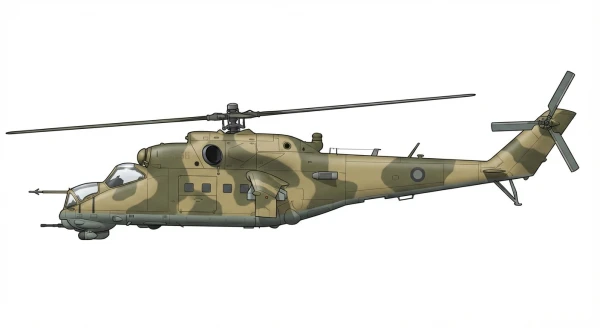
Mi-24/25/35 | 🇷🇺 Ex-USSR | 1972 | 15 | — | — |
|
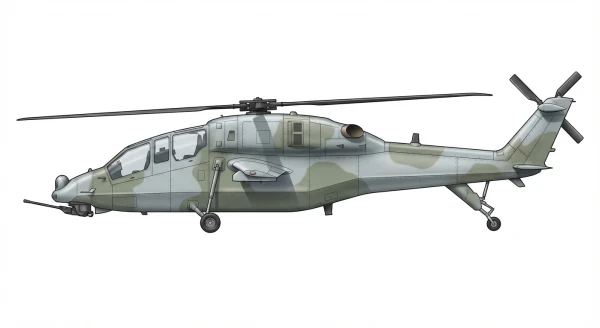
Prachanda LCH | 🇮🇳 India | 2021 | 10 | — | +66 |
| Transport | ||||||
|
|
An-32 | 🇺🇦 Ukraine | 1982 | 102 | -1 | — |
|
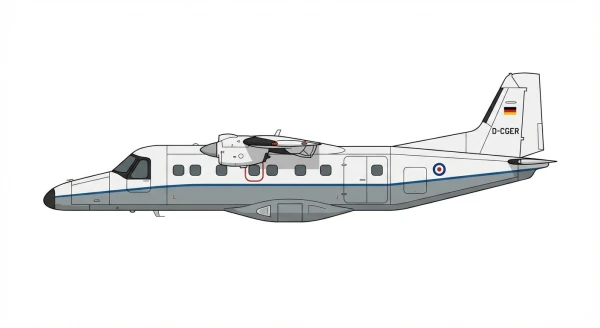
Dornier 228 | 🇩🇪 Germany | 1982 | 61 | — | +6 |
|
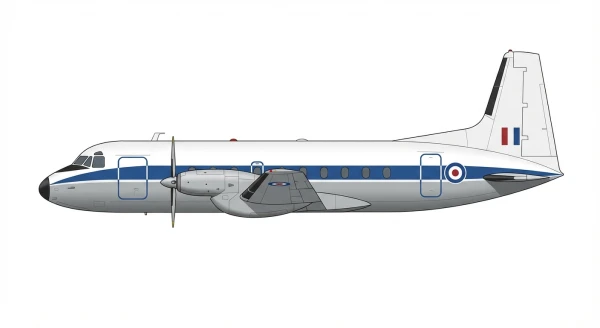
HS 748 | 🇬🇧 United Kingdom | 1961 | 56 | — | — |
|
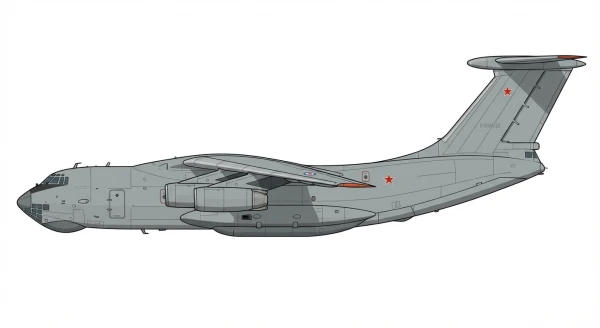
Il-76 | 🇷🇺 Ex-USSR | 1974 | 20 | — | +2 |
|
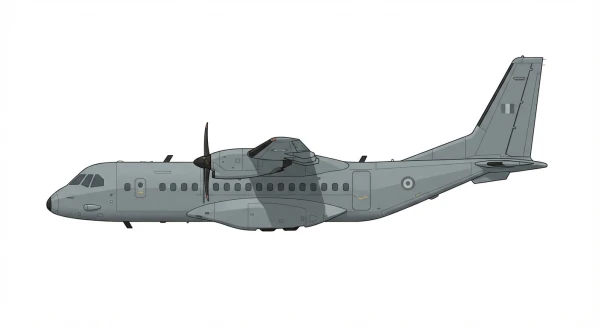
C295 |
🇪🇸 Spain 🇮🇩 Indonesia |
2001 | 16 | +10 | +40 |
|
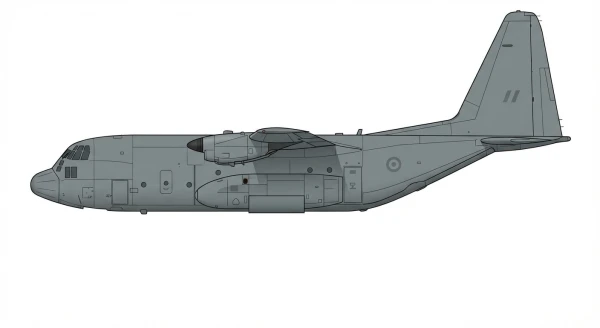
C-130J | 🇺🇸 United States | 1956 | 12 | — | — |
|
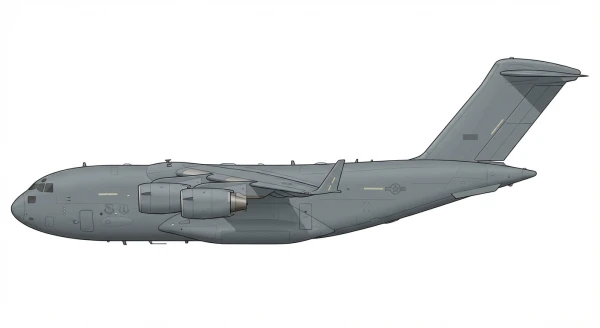
C-17 | 🇺🇸 United States | 1993 | 11 | — | — |
|
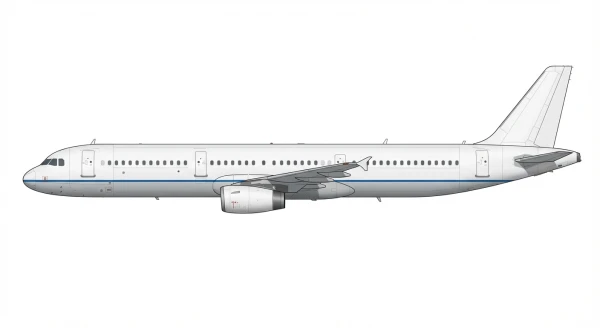
A321 | 🇪🇺 Europe | 1994 | 4 | — | — |
|
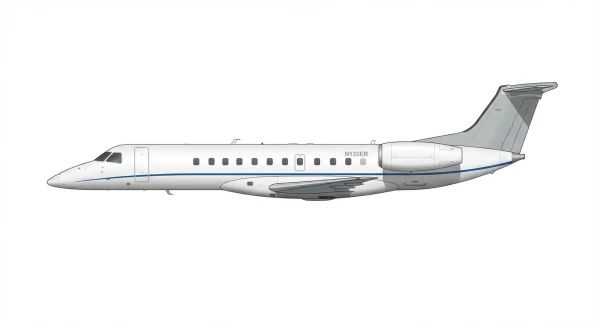
ERJ-145 | 🇧🇷 Brazil | 1997 | 3 | — | — |

|
Gulfstream III | 🇺🇸 United States | 1980 | 3 | — | — |
|
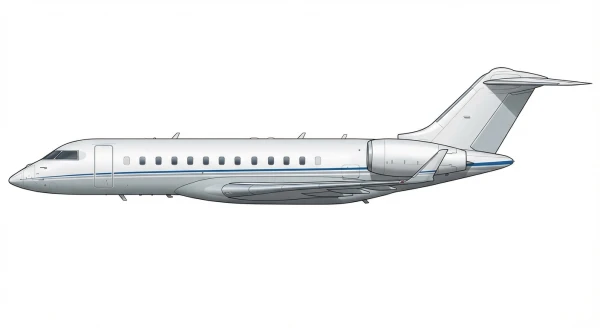
Global 5000 | 🇨🇦 Canada | 1999 | 2 | — | — |
|
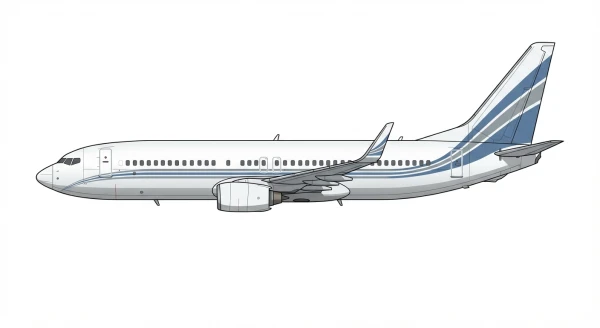
737 | 🇺🇸 United States | 1968 | 2 | — | — |
|
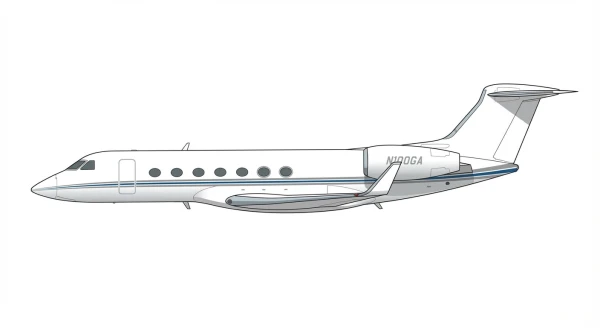
G100/1125 Astra | 🇺🇸 United States | 1985 | 2 | — | — |
| Training | ||||||
|
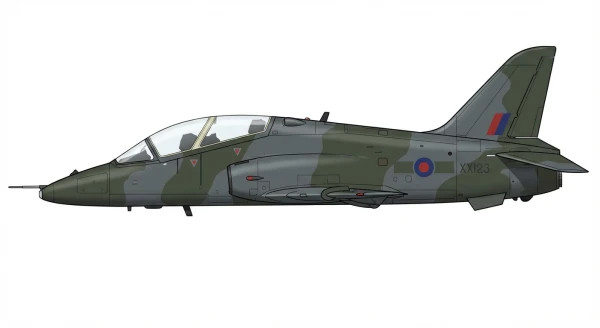
Hawk 132 | 🇬🇧 United Kingdom | 1976 | 102 | — | — |
|
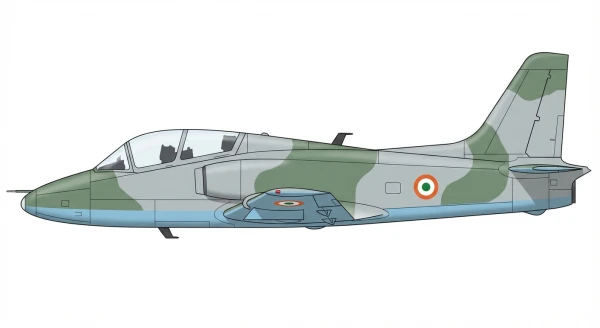
Kiran (HJT-16) | 🇮🇳 India | 1968 | 77 | — | — |
|
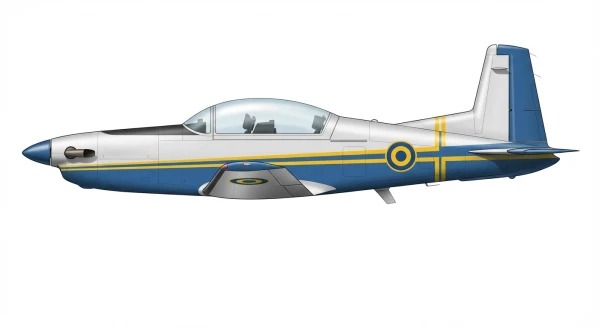
PC-7 Mk II | 🇨🇭 Switzerland | 1978 | 74 | — | — |
|
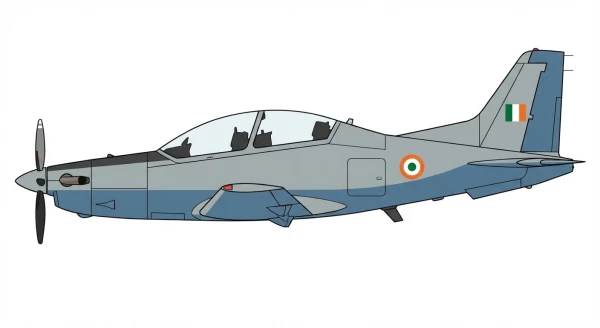
HTT-40 | 🇮🇳 India | 2023 | — | — | +70 |
| Other | ||||||
|
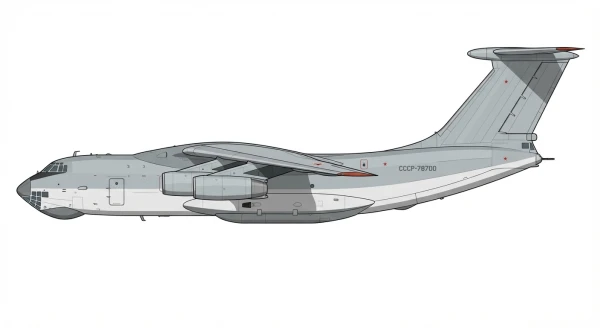
Il-78 | 🇷🇺 Ex-USSR | 1984 | 6 | — | — |
Indian Army Aviation
| Aircraft | Origin | Model year | Active | Δ YoY | Ordered | |
|---|---|---|---|---|---|---|
| Helicopter | ||||||
|
|
Dhruv ALH/Rudra | 🇮🇳 India | 2002 | 152 | +5 | +25 |
|
|
SA315 | 🇫🇷 France | 1957 | 115 | — | — |
|
|
SA316 | 🇫🇷 France | 1961 | 60 | — | — |
|
|
AH-64E | 🇺🇸 United States | 1984 | 6 | +6 | — |
|
|
Prachanda LCH | 🇮🇳 India | 2021 | 5 | — | +90 |
Indian Navy
| Aircraft | Origin | Model year | Active | Δ YoY | Ordered | |
|---|---|---|---|---|---|---|
| Combat | ||||||
|
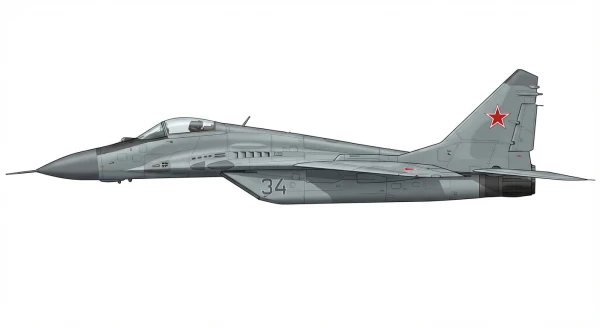
MiG-29K | 🇷🇺 Ex-USSR | 2009 | 40 | +4 | — |
|
|
Rafale M | 🇫🇷 France | 2001 | — | — | +26 |
| Helicopter | ||||||
|
|
SA316/319 | 🇫🇷 France | 1961 | 42 | — | — |
|
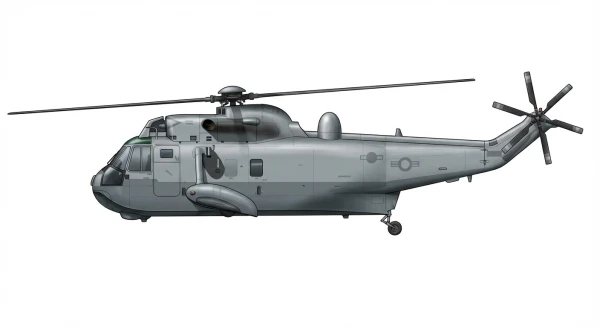
Sea King 42 | 🇺🇸 United States | 1961 | 25 | — | — |
|
|
Dhruv ALH | 🇮🇳 India | 2002 | 24 | — | — |
|
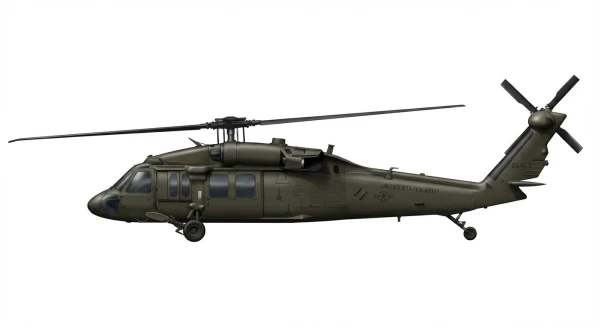
S-70/MH-60R | 🇺🇸 United States | 1979 | 20 | +14 | +4 |
|
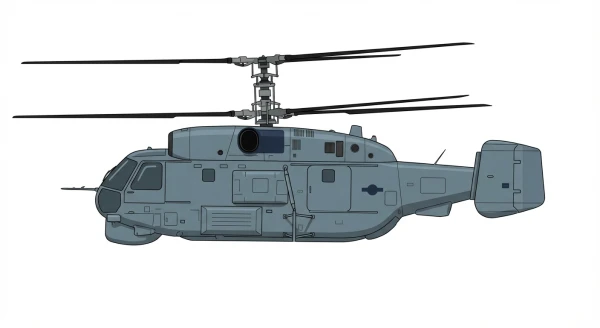
Ka-28 | 🇷🇺 Ex-USSR | 1982 | 14 | — | — |
|
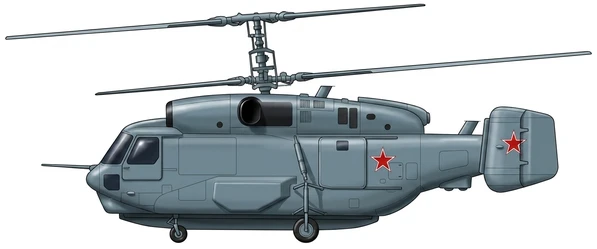
Ka-31 | 🇷🇺 Ex-USSR | 1995 | 14 | — | — |
|
|
S-61/H-3 | 🇺🇸 United States | 1961 | 6 | — | — |
| Transport | ||||||
|
|
Dornier 228 | 🇩🇪 Germany | 1982 | 29 | — | +8 |
|
|
P-8I Neptune | 🇺🇸 United States | 1968 | 12 | — | +6 |
|
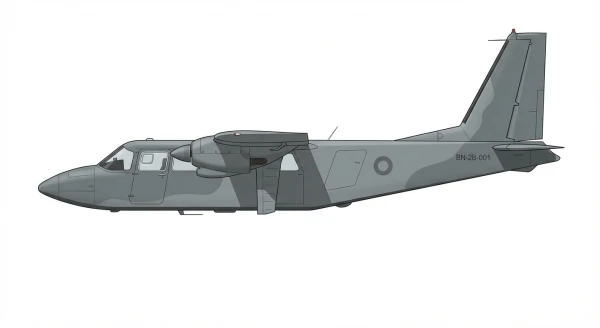
BN-2 | 🇬🇧 United Kingdom | 1965 | 4 | — | — |
| Training | ||||||
|
|
Kiran (HJT-16) | 🇮🇳 India | 1968 | 20 | — | — |
|
|
Hawk 132 | 🇬🇧 United Kingdom | 1976 | 17 | — | — |
Overview
The Indian Air Force (IAF) is structured into seven commands, of which five are operational and two are functional (Training Command and Maintenance Command). This framework is designed for efficient command and control across the country's vast airspace, with operational commands responsible for distinct geographical areas. The IAF's operational capabilities are centered on a mix of multi-role fighters, strike aircraft, and an extensive transport and helicopter fleet, enabling it to undertake a wide spectrum of missions from air defense and offensive strikes to strategic airlift and disaster relief. Its most pressing structural problem is quantitative: front-line fighter strength has fallen to roughly 30 squadrons against a sanctioned 42, as MiG-21 retirements and the slow arrival of replacements outpace new inductions.
A notable evolution is evident in the IAF's strategic doctrine, which has transitioned from a defensive-offense posture to a more assertive, pre-emptive one. The 2022 doctrine emphasizes aerospace power as foundational for joint operations and introduces a "No War, No Peace" strategy, reflecting a shift towards greater assertiveness in a complex security environment. This doctrine moves beyond a focus on sub-conventional warfare to a broader regional role, aiming to secure India's interests in the Indian Ocean Region. There is a clear intent to move from being a solely tactical air force to an independent strategic entity, integrating space-based assets for ISR, navigation and targeting.
This doctrinal shift is exemplified by recent engagements. The 2019 Balakot airstrike demonstrated a willingness to conduct pre-emptive strikes deep within enemy territory. On 7 May 2025, Operation Sindoor, launched in retaliation for the Pahalgam terror attack that killed 26 civilians on 22 April, marked a pivotal moment in the IAF's strategic posture. The mission struck nine sites - four deep inside Pakistan and five in Pakistan-administered Kashmir - with BrahMos and SCALP-EG cruise missiles, AASM Hammer glide bombs and loitering munitions, executed within a 23-minute window. It featured precision targeting, deliberate avoidance of military and civilian non-combatant sites, and heavy reliance on mission planning and electronic warfare, including the jamming of Chinese-origin air defenses. In the aftermath the IAF countered cross-border drone and missile reprisals using layered indigenous systems such as Akashteer and SAMAR, and the exchange has since driven a broad reassessment of readiness, munitions stocks and force quality on both sides.
Modernization is aimed at closing the squadron gap while sustaining a technological edge. The Su-30MKI remains the numerical backbone with around 260 aircraft and is entering a large-scale indigenous upgrade with an Indian AESA radar and new avionics. Thirty-six Rafales serve with the IAF, with 26 Rafale M on order for the Navy, and in February 2026 the Defence Acquisition Council cleared the long-delayed 114-aircraft Multi-Role Fighter Aircraft requirement, in which the Rafale is widely regarded as the front-runner for licensed assembly in India. Indigenous production is the other pillar: HAL's Tejas Mk1A, delayed by engine supply problems, is expected to reach volume deliveries from late 2026 against orders exceeding 180 aircraft, with the Tejas Mk2 and the fifth-generation AMCA following in the 2030s. These are complemented by the S-400 Triumf long-range air defense system, layered indigenous systems including Akash, and growing investment in electronic warfare and space-based ISR.