Croatia signs Chunmoo contract as foreign armies now hold more Korean armor on order than in service
Croatia signed with Hanwha on September 8, 2026 for 18 K239 Chunmoo rocket launchers, days after Spain ordered 128 K9 Thunder howitzers, as GlobalMilitary.net inventory data shows armies outside South Korea with more Korean armored vehicles on order than in service.
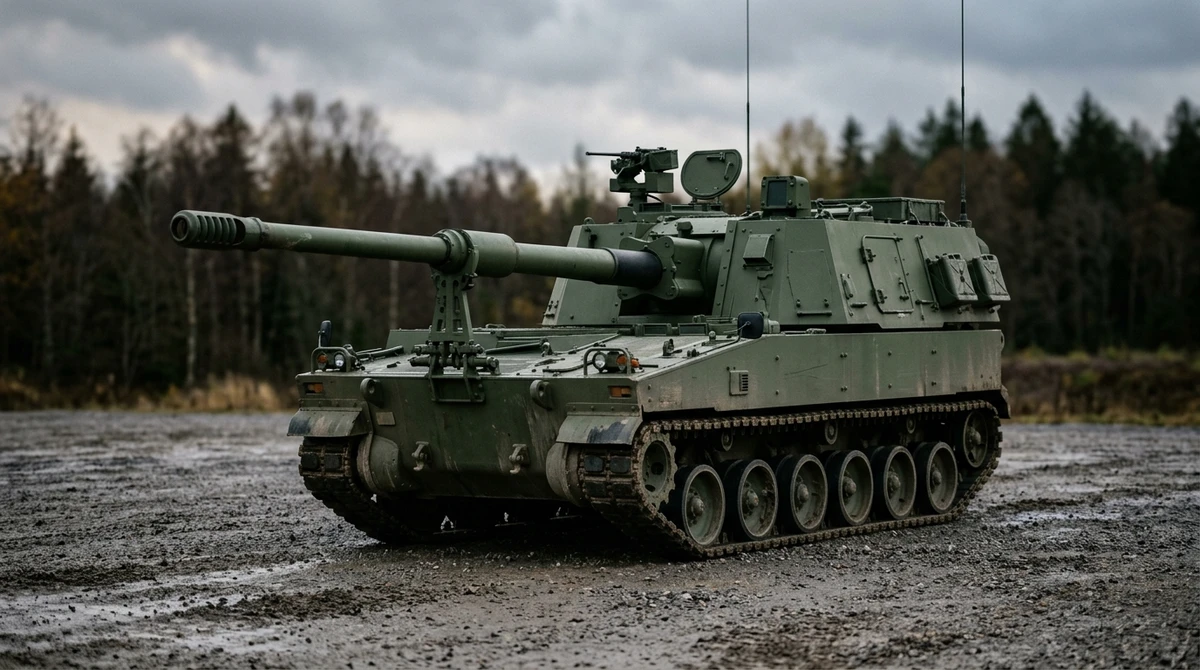
Croatia signed its contract with Hanwha Aerospace on September 8, 2026, four days after the Croatian government approved the purchase on September 4. The deal covers 18 K239 Chunmoo multiple rocket launchers with the TOPAZ fire-control system from Poland's WB Electronics. The government put the total program at €544.05 million including VAT, with the Hanwha contract itself worth about €435 million and implementation running from 2026 to 2029.
The Chunmoo order follows a refusal from Washington. According to Defense News, the United States declined to supply 300 km-class rockets alongside the eight HIMARS launchers Croatia bought in 2024. Zagreb turned to South Korea instead, and its planned rocket artillery force for 2028 is eight HIMARS and 18 Chunmoo, 26 launchers in total. Croatia's ground forces today field 12 PzH 2000 and nine 2S1 Gvozdika self-propelled howitzers and no rocket artillery, according to GlobalMilitary.net inventory data.
Croatia is the second European buyer of Korean artillery in less than two weeks. Spain signed on August 28, 2026 for 128 self-propelled howitzers and 152 support vehicles, Shephard Media reported. The gun is the K9 Thunder, and Spain becomes the first Western European army to adopt it. Estonia has nine K239 Chunmoo on order, six ordered in December 2025 and three more in 2026, with deliveries scheduled from the second half of 2027, according to Janes.
None of these three deals is yet counted in the GlobalMilitary.net database, which records what armies field today and what they have on contract. Even without them, the pattern is clear. Across the K9, the K239 and the K2 Black Panther tank, armies outside South Korea field 1,056 Korean vehicles today and have 1,646 on order. Foreign armies now hold more Korean armor on paper than in their formations.
The K9 carries most of that weight. With 1,930 guns in service in six armies (South Korea 1,240, Turkey 311, Poland 218, India 100, Finland 33 and Norway 28), it is the world's second-largest self-propelled howitzer fleet, behind only the American M109 at 6,036 guns in 23 armies and ahead of the Soviet-era 2S1 Gvozdika at 1,794 in 20. Its order book is larger still: 1,232 guns, led by Poland with 606, Egypt with 216 and Turkey with 149, against 926 for the M109. Egypt, Romania with 54 and Vietnam with 20 have K9 on order and none yet in service.
The Korean gun has sold in large batches to a short list of customers. Six operators is fewer than the German PzH 2000's nine, with 375 guns, or the 2S1's twenty. In Europe today the K9 operators are Poland, with 218 in service and 606 on order, Finland with 33 and 63 on order, and Norway with 28 and 24 on order, while Romania waits on its 54. Spain's 128 will join that table once the contract enters the inventory.
Rocket artillery tells the same story one step earlier. European armies outside Russia field 1,066 launchers across 15 armies. Russian-designed systems lead with 399 in three armies, American launchers count 321 in nine, and the Korean share is 174, all of them Poland's Chunmoo, ahead of 159 Czech launchers in three armies and 13 Israeli in three. Poland also holds the entire K239 order book, 116 launchers, on top of 486 HIMARS on order against 20 in service. Worldwide the Chunmoo has 553 in service in three armies: South Korea 367, Poland 174 and the United Arab Emirates 12. Croatia's 18 and Estonia's nine would add two more European operators beside Poland.
What comes next is deliveries. Estonia's launchers are due from the second half of 2027, Croatia's program runs to 2029, and the order figures above record contracts, not vehicles handed over. The gap between 1,646 on order and 1,056 in service is the number to watch on the ground forces ranking as those contracts turn into guns in formations.
More News
All news →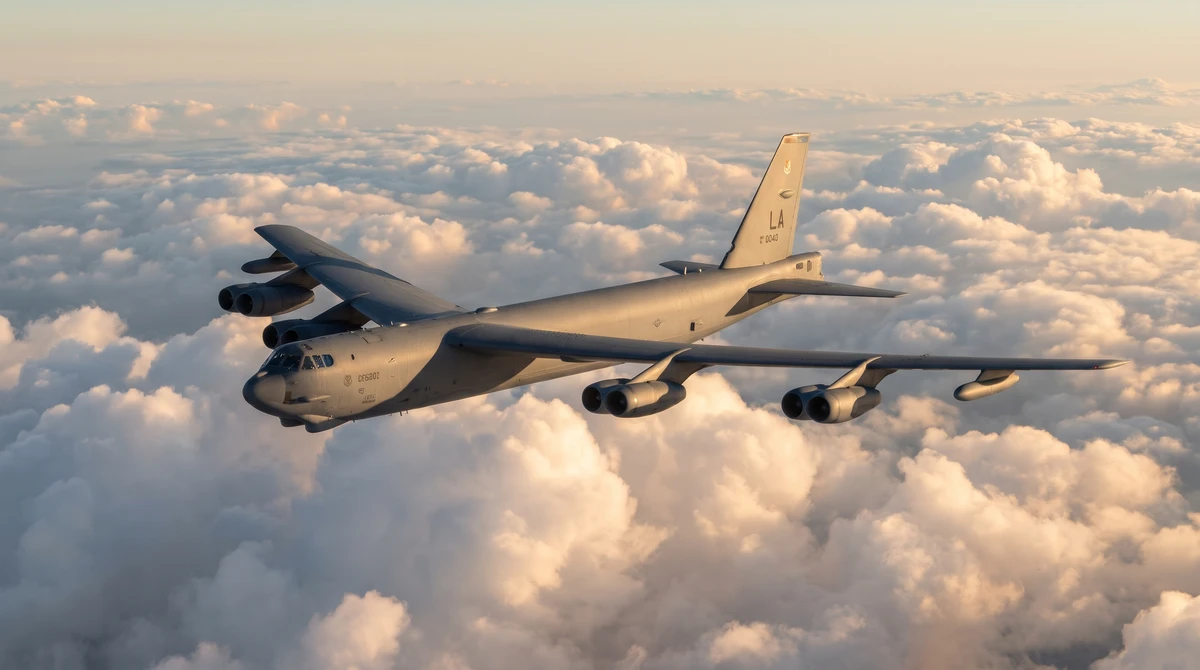
ARRW Hypersonic Missile Enters Production as U.S. Fields 140 Bombers, Russia 116 and China 219 H-6s
The Department of the Air Force has moved the AGM-183A hypersonic missile into production for a U.S. bomber force of 140 aircraft, which GlobalMilitary.net's inventory sets against Russia's 116 bombers and China's 219 H-6s.
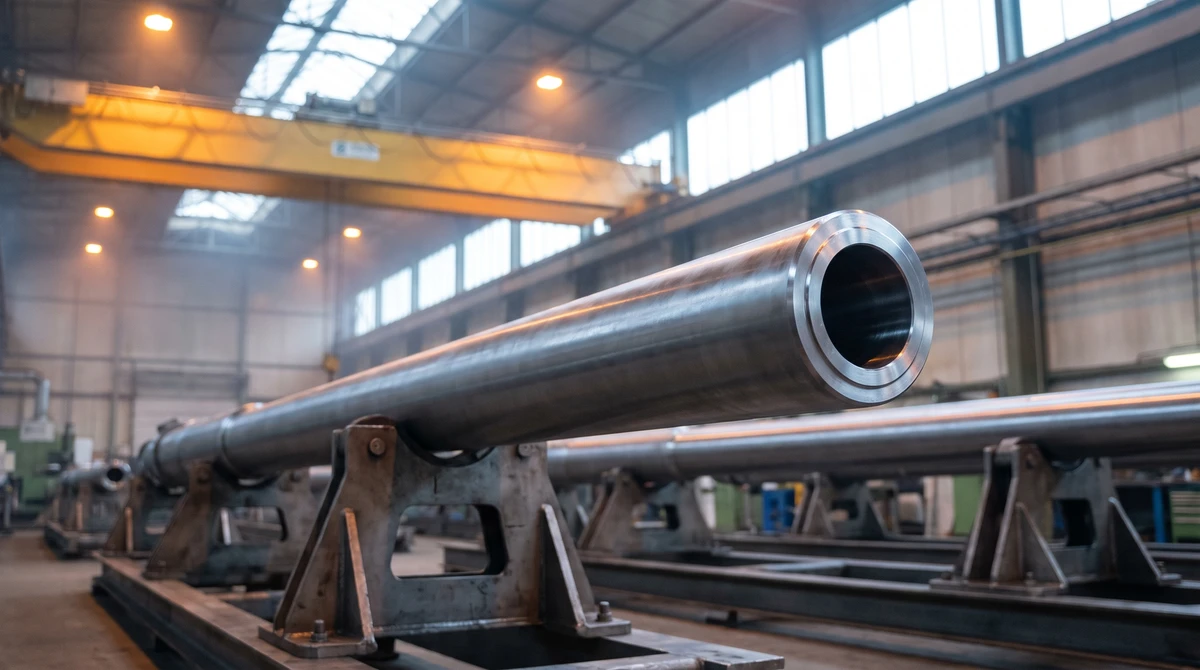
Why 52-Caliber Howitzers Outrange the M777 as the UK and US Move to Make More 155mm Barrels
As the UK restarted 155mm barrel production on October 22, 2026 and the US Army sought new makers for its M777 and Paladin tubes, the reach of a howitzer comes down to barrel length in calibers first, then to what the shell itself can do.
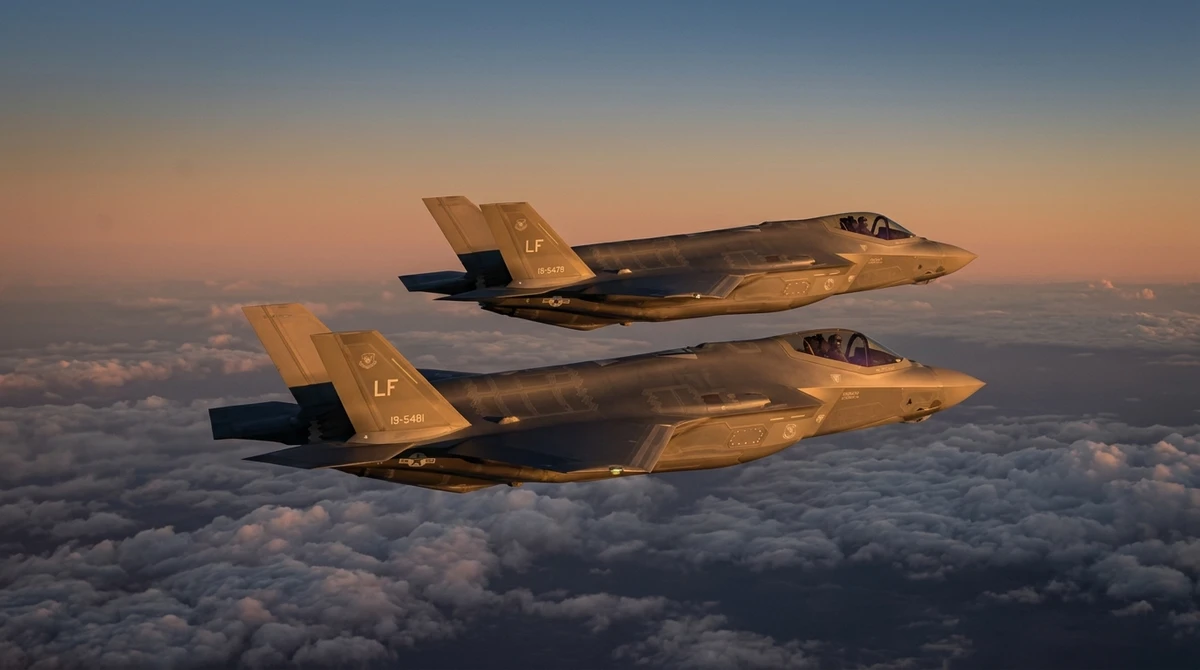
Pentagon and Lockheed Martin Unveil 10-Year F-35 Framework for 850 US Jets, Pending Congress
The Department of War and Lockheed Martin announced on October 22 a framework agreement covering 850 US F-35s over 10 years at a steady 156 aircraft a year, an arrangement that requires multiyear authority and appropriations from Congress before any contract is awarded.
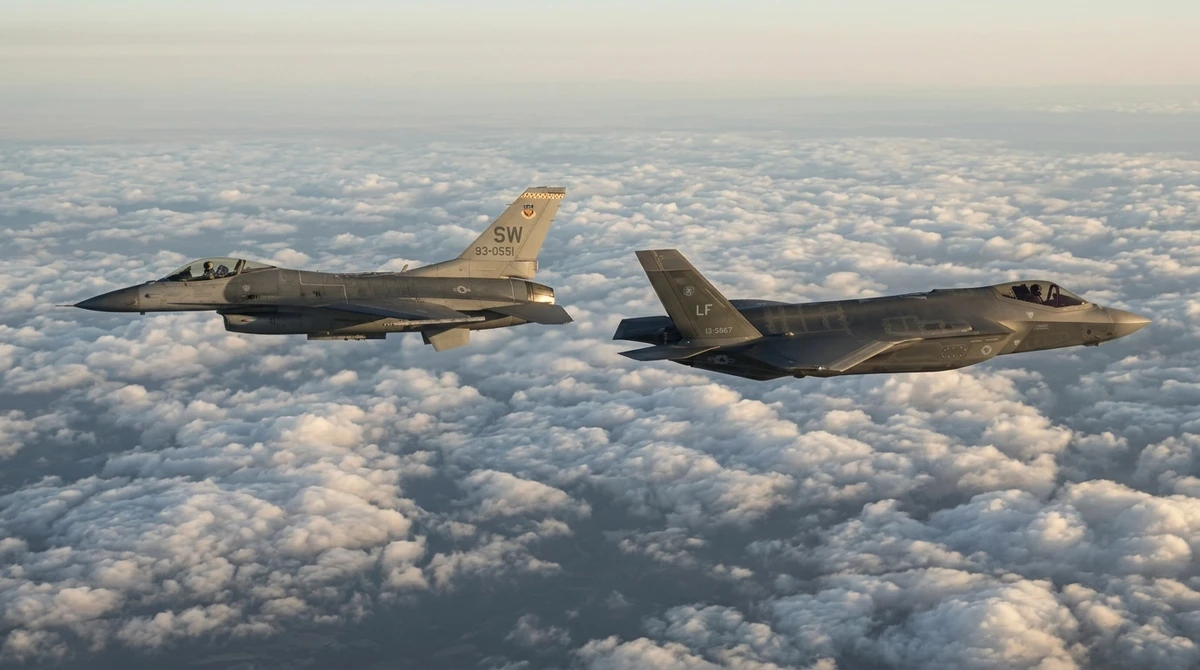
US Air Force Wants 1,509 Combat-Coded Fighters by 2035 as F-35 Share Rises to About 40%
The US Air Force told Congress on October 16, 2026 that it needs 1,509 combat-coded fighters by 2035; GlobalMilitary.net sets the report's approximate type shares against its own count of 1,816 USAF F-16s, F-35As, F-15s and F-22s.
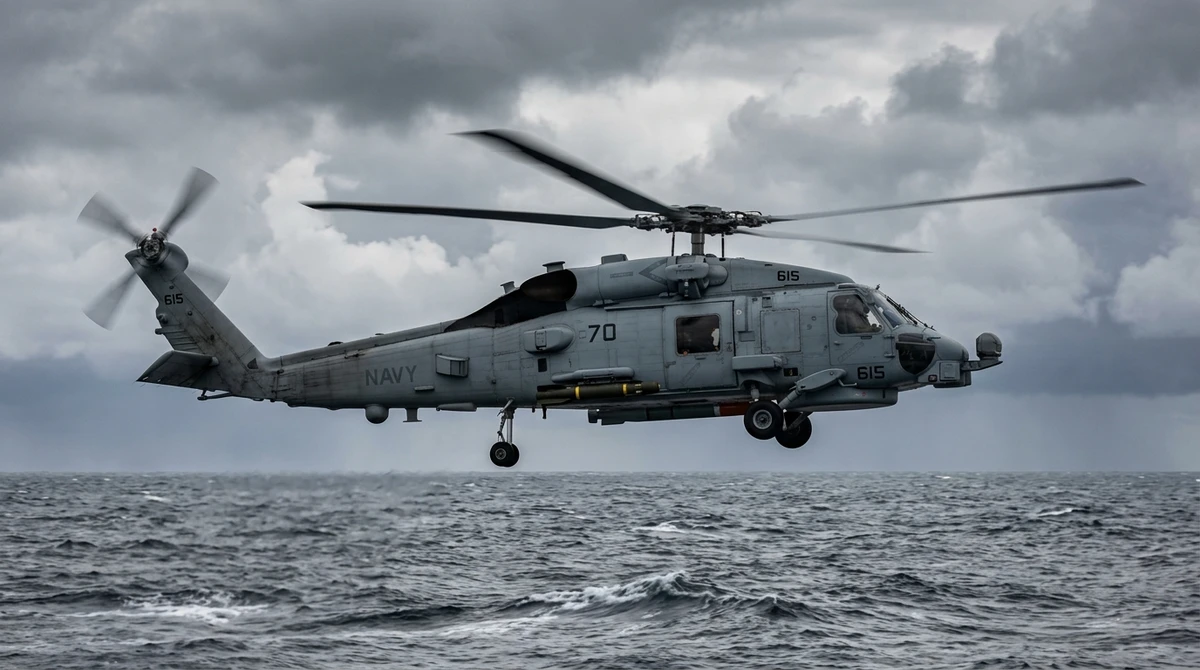
New Zealand's MH-60R Order Makes 15 Seahawk Operators; the SH-2 Seasprite Is Down to Three
New Zealand signed on 16 October to buy five MH-60R Seahawks, delivered from 2030, to replace its five SH-2G Super Seasprites, bringing the naval Seahawk family to 15 operators in GlobalMilitary.net's data while the Seasprite is left with 17 helicopters and three operators.
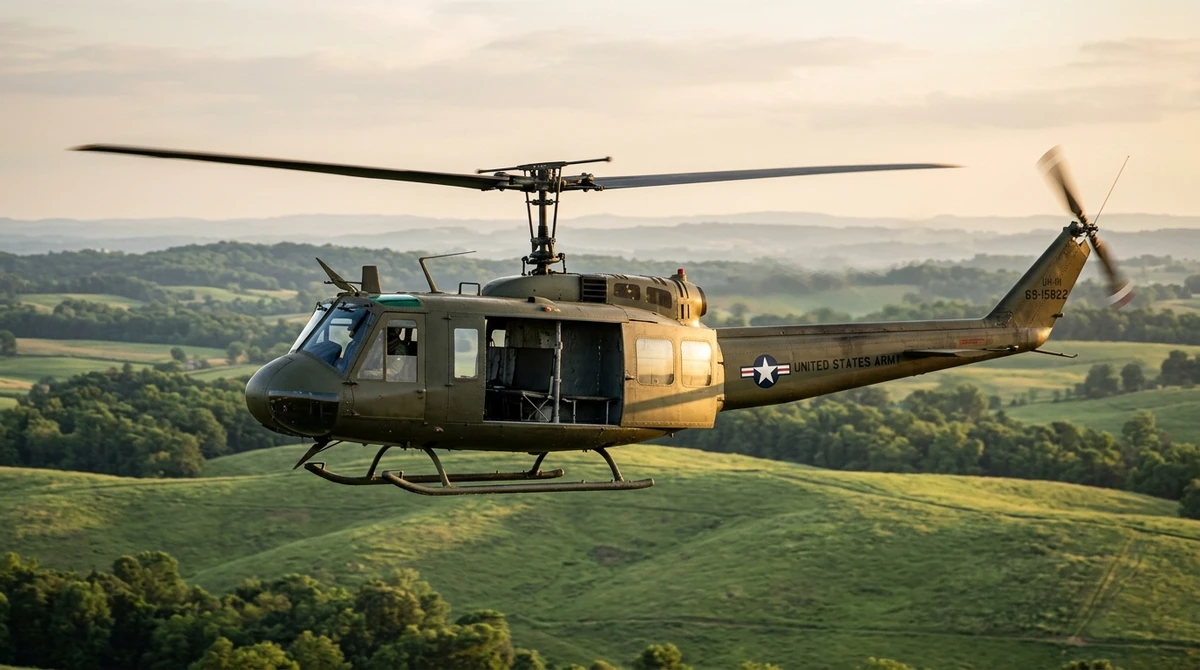
Bell UH-1 Huey Still Flies With 39 Countries 70 Years After Its First Flight
The XH-40 prototype of Bell's Huey first flew on 20 October 1956 at Fort Worth; 70 years on, GlobalMilitary.net inventory data counts 844 single-engine UH-1s active in 39 countries, 438 twin-engine UH-1N and Bell 212 derivatives in 29, and 167 UH-1Y Venoms in two.