Australia Retires Its Tigers, Leaving Three Operators Among the World's 3,623 Attack Helicopters
The Australian Army has retired its Tiger attack helicopters, marking the fleet's sundown in Darwin on 30 September and leaving France, Germany and Spain as the only users; GlobalMilitary.net data counts 3,623 active attack helicopters in 81 countries.
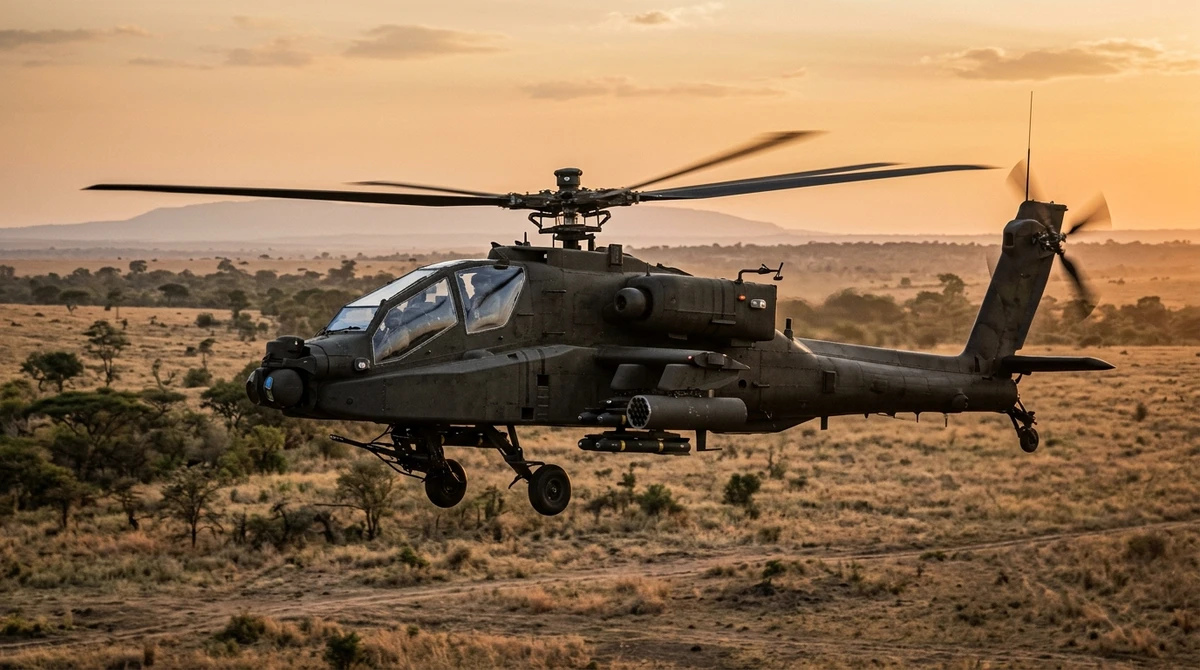
The Australian Army announced on 23 September 2026 the end of flying operations with its Tiger armed reconnaissance helicopters, and the 1st Aviation Regiment marked the type's sundown in Darwin on 30 September with a flyover of the city, the Australian Department of Defence said. The retirement closes a service career that began in 2004 and ends the type's place in Australia's air arms.
The withdrawal is small in global terms. The 22 airframes Australia acquired were a fraction of a worldwide force that stands at 3,623 active attack helicopters in 81 countries, according to GlobalMilitary.net inventory data. The figure is a GMN estimate compiled from open sources, built from each country's latest air-arm inventory with later fleet events applied; it counts 15 dedicated attack-helicopter types, folds the export Mi-35 into the Mi-24 figures, and leaves out armed utility and scout helicopters.
Australia's transition from Tiger to Apache
Australia acquired 22 Tigers, in service since 2004, and six had already been withdrawn for maintenance reasons before the fleet retirement, ABC News reported. The 1st Aviation Regiment is converting to the AH-64E Apache: six have been delivered so far and the full fleet of 29 is due by late 2029, according to the Department of Defence, with the regiment relocating to Townsville in Queensland.
The Department's release framed the change as a response to the operating environment, "where advanced air defence systems, precision weapons and uncrewed platforms present challenges", which it said is better suited to next-generation battlefield helicopters such as the AH-64E. GMN's head-to-head comparison of the two types lays the specifications side by side.
The fate of the airframes has not been decided. Disposal options under study range from selling complete helicopters to selling parts, and a transfer to Ukraine was among the options considered, The Aviationist reported, citing ABC. The retirement leaves the Tiger with three operators. France and Spain have indicated they will keep operating theirs with the Tiger Mk III upgrade, according to The Aviationist.
Attack helicopter fleets by country
Three countries field the largest fleets. The United States fields 1,012 attack helicopters, including 822 Apaches and 189 AH-1Z Vipers, the largest fleet in the count. Russia follows with 568. The bulk of its force, 324 airframes, are Mi-24 and Mi-35 Hinds; the rest consists of 133 Ka-52s, with 111 Mi-28s rounding out the inventory. China ranks third with 375 airframes, 200 of them Z-10s. The remaining 175 are Z-19s, a type operated by no other country.
Only one other country reaches 100. Egypt mixes 46 Apaches, 46 Ka-52s and 8 Hinds, and is the one air arm outside Russia to fly the Ka-52. The next tier is a mix of American, Russian and European types:
- South Korea: 95, with 59 AH-1 Cobras and 36 Apaches
- Taiwan: 91, with 62 AH-1W SuperCobras and 29 Apaches
- Algeria: 72, with 42 Mi-28s and 30 Hinds
- France: 67, all Tigers
- Turkey: 67, with 58 T129s and 9 AH-1Ws
- India: 58, with 28 AH-64Es, 15 Hinds and 15 Prachands
- Pakistan: 56, with 50 AH-1s and 6 Z-10s
Germany, the third remaining Tiger operator, fields 51, just ahead of the United Kingdom's 50 Apaches, Israel's 48 Apaches and Japan's 46, split between 34 AH-1s and 12 Apaches. Spain's 17 Tigers, Ukraine's 37 Mi-24s and Australia's six AH-64Es sit further down the table, which GMN publishes in full in its ranking of the world's largest helicopter fleets.
Fleets by type and orders on the books
Measured by type, the Apache is the largest fleet of any attack helicopter, with 1,279 airframes in 19 countries. The Hind is the most widely operated: 821 Mi-24s and Mi-35s fly in 51 of the 81 countries with any attack helicopter at all. The AH-1 family comes next. The AH-1Z numbers 205 in three countries, older Cobra variants account for 244 in eight, and the AH-1W for 71 in two.
China's two types follow, with 206 Z-10s in two countries, China and Pakistan, and 175 Z-19s in China alone. Russia's newer designs trail them: 179 Ka-52s split between Russia and Egypt, and 175 Mi-28s in five countries.
The Tiger's 135 airframes in three countries, 67 in France, 51 in Germany and 17 in Spain, place it behind every one of those fleets. Below it come the T129, with 70 in Turkey, Nigeria and the Philippines; the AW129, with 37 in Italy only; the Prachand, with 15 in India only; and the Rooivalk, with 11 in South Africa only. Australia's exit leaves the Tiger with the same number of operators as the T129.
The orders GMN tracks point to where the next growth lies. India has 156 Prachands on order, 66 for the Air Force and 90 for the Army, the largest single program on the books. Poland has ordered 88 AH-64Es, eight of which are already active. Saudi Arabia has 49 Apaches on order across two services, Romania 24 AH-1Zs and Australia 23 more AH-64Es. None of the orders is for a Tiger.
For the type Australia has just retired, no new orders appear in GMN data. France and Spain have indicated they will keep flying theirs with the Mk III upgrade, according to The Aviationist, and the Australian airframes await a disposal decision.
More News
All news →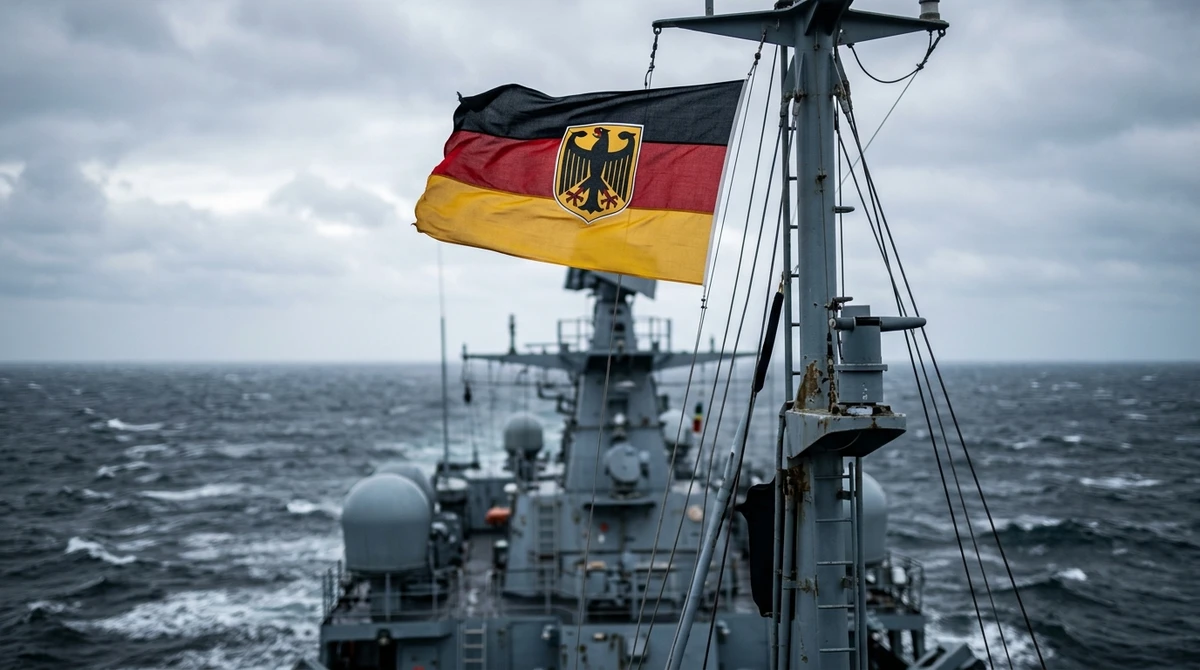
Germany Contracts Diehl to Arm Its Four F125 Frigates With IRIS-T SLM Air Defense Missiles
Diehl Defence and Germany's BAAINBw procurement office signed a contract on October 2, 2026 to adapt the IRIS-T SLM surface-to-air missile system for the German Navy's four Baden-Württemberg-class frigates, which were completed without a medium-range air defense missile.
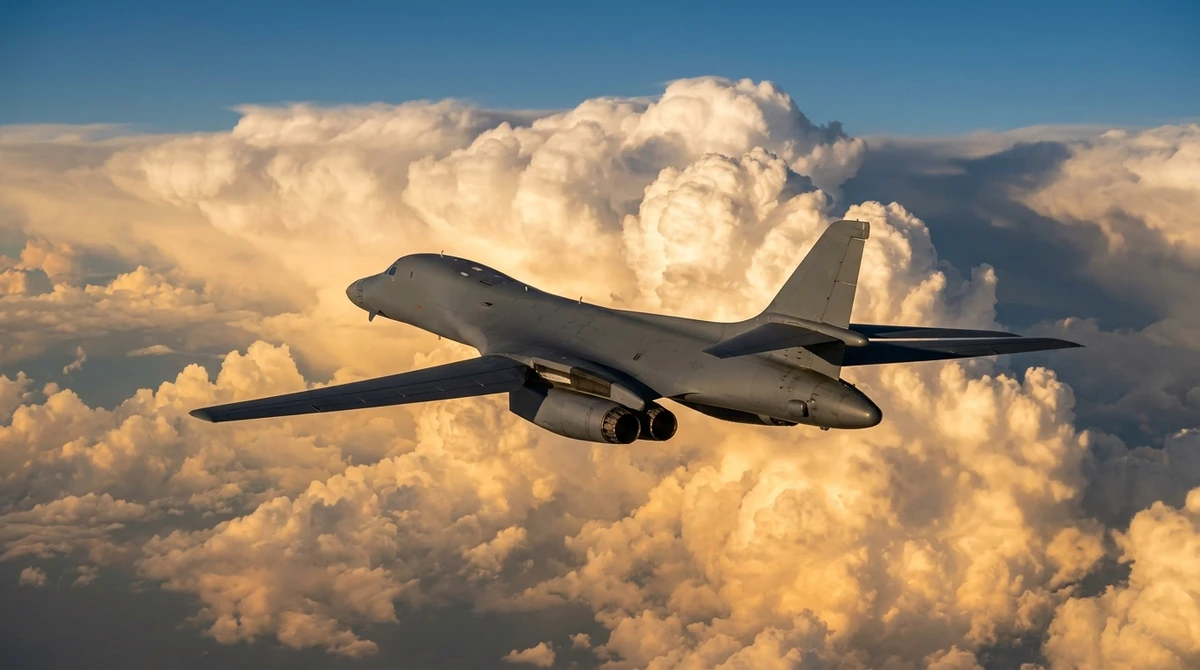
B-1B Lancer Reaches 40 Years in Service as US Air Force Plans to Keep It Flying Through 2037
The B-1B Lancer achieved initial operational capability on 1 October 1986; four decades later, 45 of the 100 bombers built remain in US Air Force service at Ellsworth and Dyess, and modernization funding is now planned to keep the type relevant through 2037.
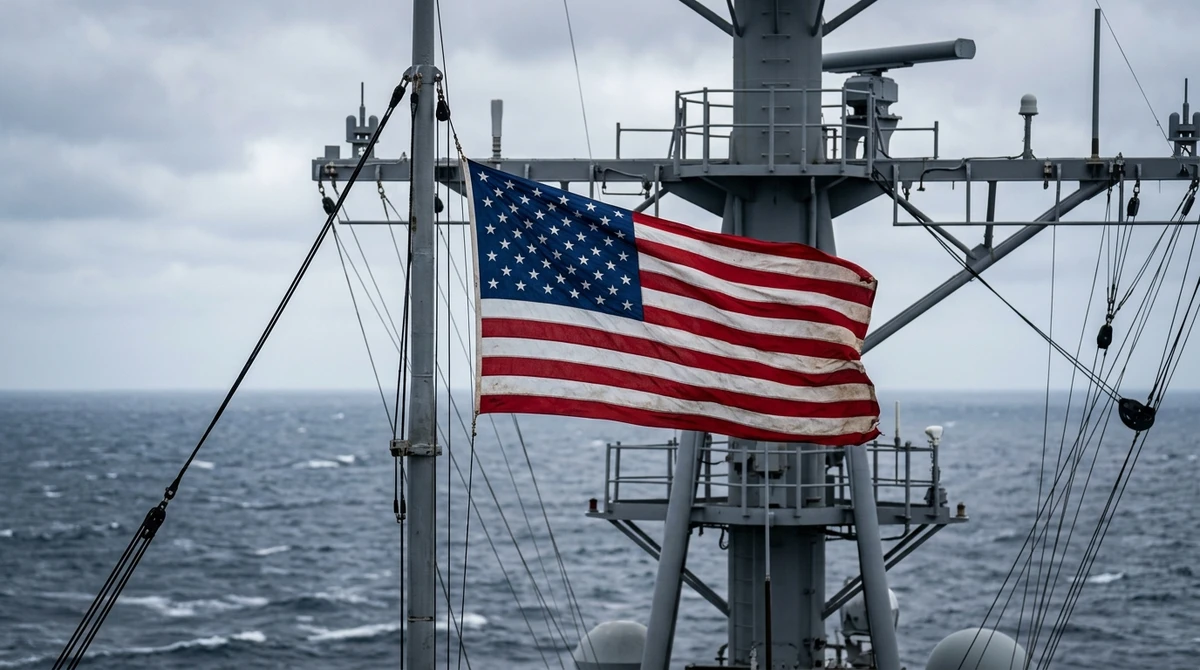
US Navy Awards Raytheon Up to $24.4 Billion Multiyear Contract for SM-6 Missiles
The US Navy on Oct. 1, 2026 awarded RTX's Raytheon unit a multiyear contract worth up to $24.4 billion for Standard Missile-6 interceptors, a five-year deal with two option years whose quantities remain undisclosed and whose funding Congress has yet to appropriate.

Ukraine Says Its FP-7 Ballistic Missile Has Been Used in Combat for the First Time
President Volodymyr Zelensky said on October 1, 2026 that Ukraine's domestically developed FP-7 tactical ballistic missile, built by Fire Point, had been used in combat for the first time, without disclosing the target or location; the claim has not been independently verified.
Ramjet vs Rocket: How the Meteor Keeps Thrusting to the Target While the AMRAAM Coasts
The Pentagon's AMRAAM contract of up to $20.7 billion, announced on September 28, 2026, expands output of a missile whose rocket burns early and then coasts; Europe's Meteor uses a throttleable ramjet that MBDA says thrusts until intercept.
Pentagon Awards Raytheon Up to $20.7 Billion to Nearly Double AMRAAM Production
The Pentagon on 28 September announced a five-year AIM-120 AMRAAM production contract with RTX's Raytheon business worth up to $20.7 billion, an undefinitized award that Reuters described as provisional because Congress has not yet funded the full deal.