Seven Navies Keep 45 Ballistic Missile Submarines in Service, GlobalMilitary.net Data Shows
The United States and Russia hold 27 of the world's 45 operational ballistic missile submarines. Five other navies field the remaining 18, and every established fleet is being replaced at the same time.
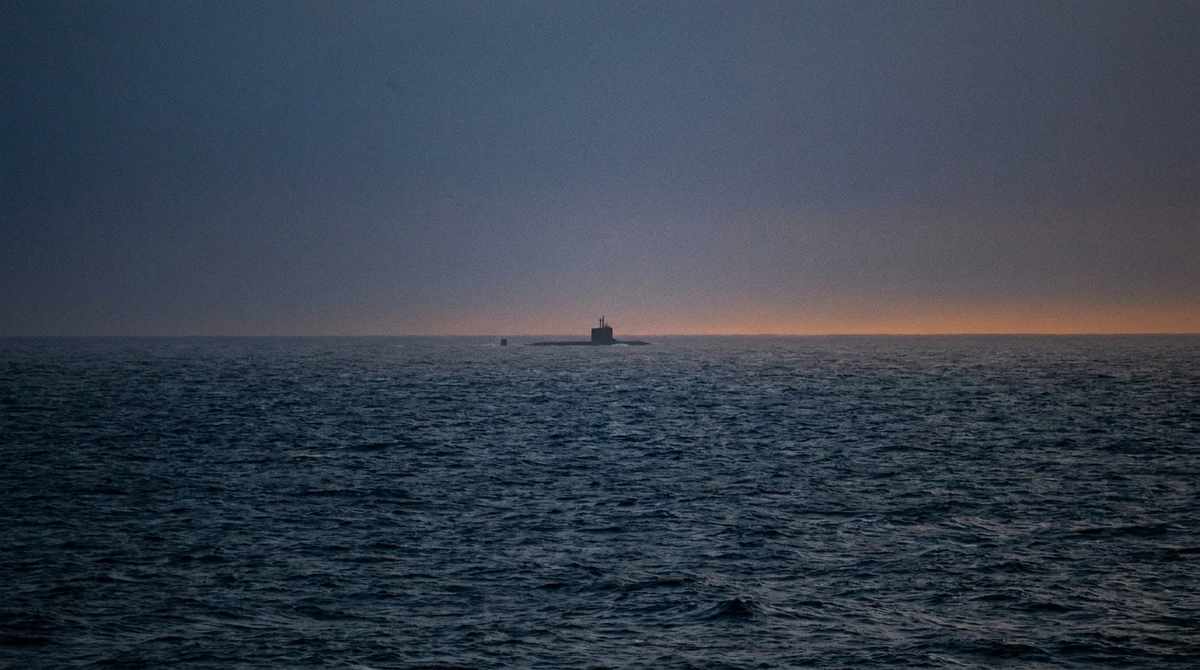
Forty-five ballistic missile submarines are in active service worldwide, spread across seven navies, according to GlobalMilitary.net inventory data. Two of those navies account for 27 of the hulls.
The breakdown:
- United States — 14 Ohio-class, commissioned between 1984 and 1997
- Russia — 13: eight Borei and Borei-A boats (2013–2025) plus five Delta IV (1984–1990)
- China — 6 Type 094 Jin-class (2007–2021)
- United Kingdom — 4 Vanguard-class (1993–1999)
- France — 4 Le Triomphant-class (1997–2010)
- India — 3 Arihant-class (2016–2026)
- North Korea — 1 Sinpo/Gorae, an experimental boat that has never conducted a deterrent patrol
How these are counted. The figures cover hulls carried as active in the 2026 GlobalMilitary.net inventory snapshot for each country. Three categories are deliberately excluded, and each one inflates the total if left in. The four Ohio-class boats converted to guided-missile submarines in the 2000s — Ohio, Michigan, Florida and Georgia — no longer carry ballistic missiles. Two Russian Delta hulls, Orenburg and Podmoskovye, were rebuilt as special-purpose motherships and likewise carry no missiles. And boats still fitting out are left aside, which removes two Borei-A submarines, Knyaz Potemkin and Dmitry Donskoy, from the Russian column.
The striking feature of the 2026 picture is not the totals but the timing: every established fleet is being recapitalised simultaneously. The US Navy placed a $29.5 billion order for five Columbia-class Build II boats on 29 July as part of a $76.6 billion submarine award. The following day, the British government committed around £8.4 billion to the fourth production phase of the Dreadnought class, the four-boat Vanguard replacement. Russia has two more Borei-A boats fitting out with further hulls contracted. France has begun work on the SNLE 3G successor to Le Triomphant, and India is building follow-on Arihant boats alongside a larger S5 design.
That convergence is a function of when the current generation entered service. The oldest deterrent hulls afloat date to 1984 — the American Henry M. Jackson and the Russian Verkhoturye were both commissioned that year, and are now 42 years old. The Ohio and Delta IV designs were meant to serve roughly 30 years; life-extension has carried them well past that, and the replacement programmes are consequently running against hard retirement dates rather than budget preference.
The distribution also shows how narrow the club is. Six of the seven operators are recognised nuclear-weapon states or declared nuclear powers; the seventh, North Korea, holds a single boat of limited operational value. No other navy has fielded a ballistic missile submarine, and the entry cost — a nuclear reactor, a missile compartment, a survivable command chain and the industrial base to sustain all three — has kept it that way for six decades. India's fleet, at three hulls, remains the only new entrant since China's in 2007.
Method: counts are drawn from the world_navy per-hull inventory, restricted to rows with active status whose class is typed as a ballistic missile submarine, then filtered to remove guided-missile and special-purpose conversions. Figures reflect hulls in commission, not warheads or missiles deployed.
More News
All news →
First HACM Hypersonic Cruise Missile Flight Test Unit Released Over Australia
The U.S. Air Force says a Hypersonic Attack Cruise Missile flight test unit was released by the Royal Australian Air Force over an Australian test range, without disclosing the date, the launch aircraft or whether the scramjet-powered weapon achieved powered flight.
France Fires M51.3 Nuclear-Capable Missile From a Submarine for the First Time
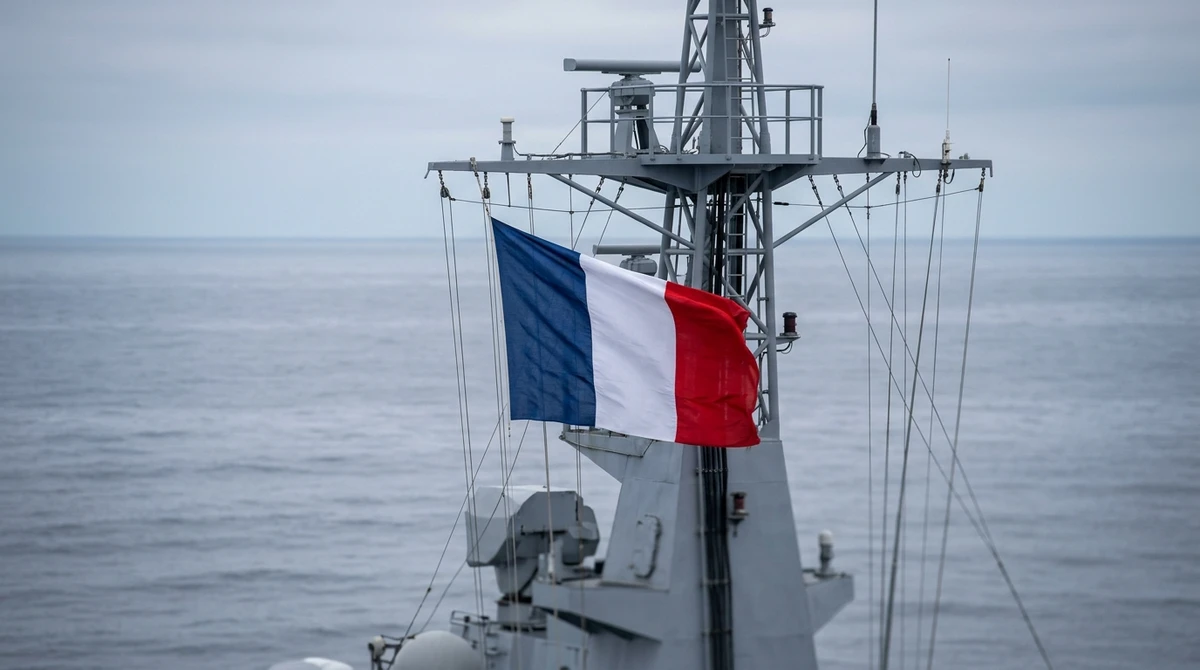
The French Navy ballistic-missile submarine Le Vigilant launched an M51.3 without a nuclear warhead off Finistère, western France, on October 6, 2026, the first submarine firing of the missile's latest version, Defense News reported.
P-3 Orion Fleet Down to 101 Aircraft in 12 Countries, Roughly Half Its 2022 Size
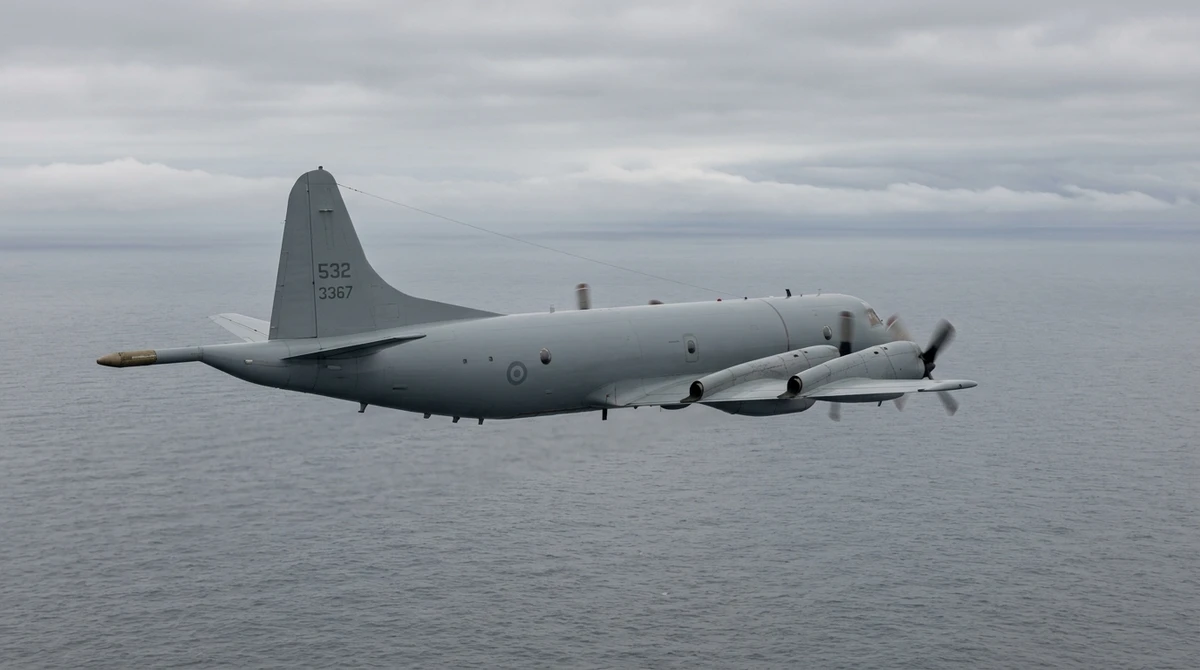
GlobalMilitary.net's inventory data counts 101 P-3 Orions in military service across 12 countries, down from 211 in 16 countries in its 2022 snapshot, as US agencies retire special-mission Orions and Japan draws down the largest remaining fleet.
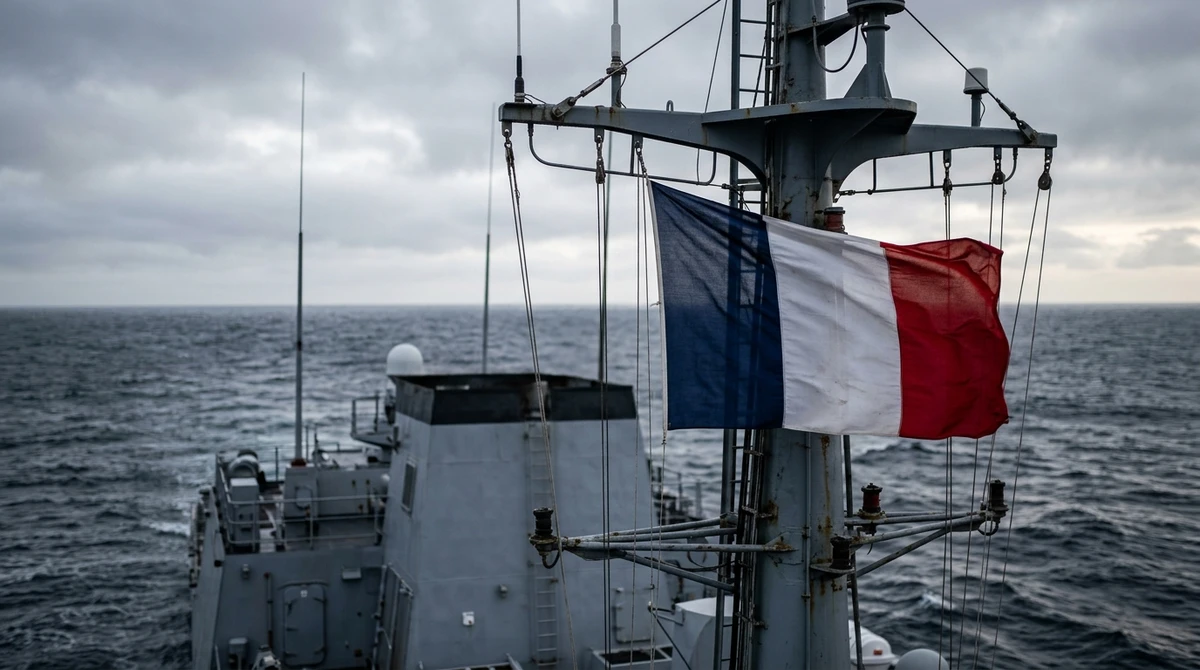
Bréguet Alizé Turns 70: French Carrier Submarine Hunter Served From 1959 to 2000
The prototype of the Bréguet Br.1050 Alizé, the French Navy's carrier-based anti-submarine turboprop, first flew from Toulouse-Blagnac on 6 October 1956; 89 were built, and the type served France until September 2000 and India until 1991.
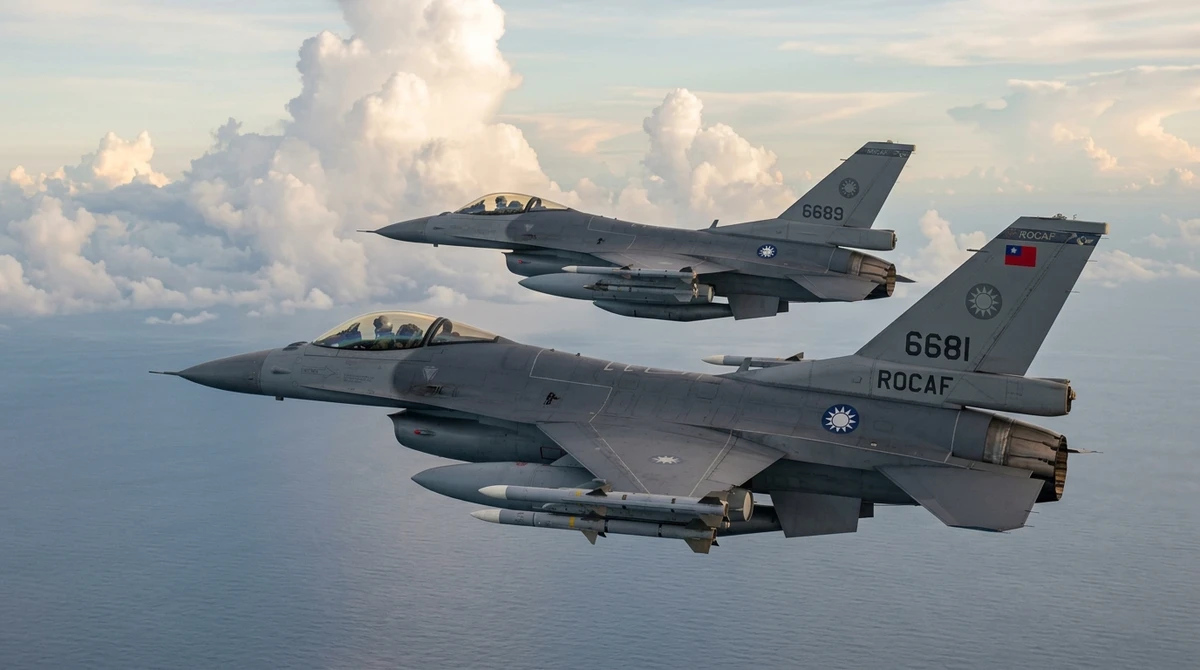
Taiwan Receives Its First Two F-16 Block 70s From the Largest F-16 Order Still Outstanding
The first two new-build F-16C Block 70 fighters landed at Chihhang Air Base on October 2, 2026, beginning deliveries on a 66-jet order that GMN's inventory data shows is the largest open F-16 order anywhere and that would lift Taiwan from seventh to fifth among F-16 operators on current figures.

Northrop Grumman's YFQ-48A Talon Blue Completes First Fully Autonomous Flight at Mojave
Northrop Grumman said on October 3, 2026 that its company-funded YFQ-48A Talon Blue had taxied, taken off, maneuvered and landed without pilot input at Mojave, California, as the US Air Force prepares to select designs for Increment 2 of its Collaborative Combat Aircraft program.