US Army Drops the Lakota From Flight School, Then Orders 12 More the Next Day
The Army picked M1 Support Services and the Robinson R66 for its Flight School Next contract on August 13, ending the UH-72 Lakota's role in initial pilot training — then awarded Airbus $115.4 million for up to 12 more Lakotas the following day.
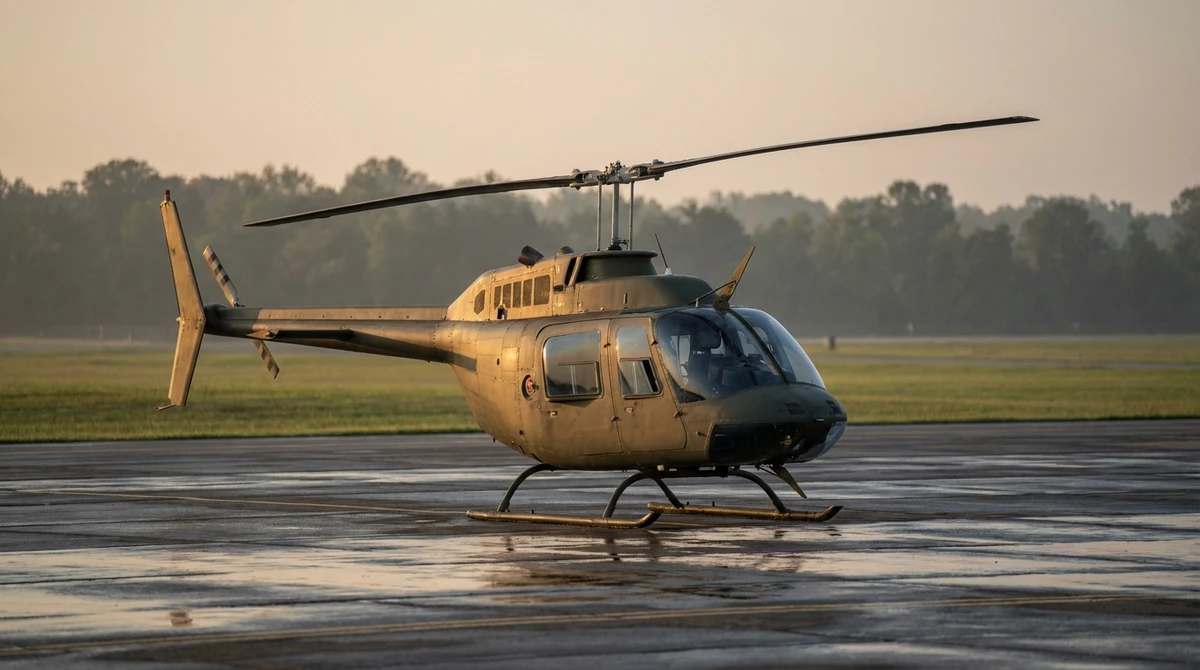
The U.S. Army selected M1 Support Services on August 13, 2026 to run Flight School Next, the contractor-owned, contractor-operated program that will replace its Initial Entry Rotary-Wing course. M1's winning bid is built around the Robinson R66 turbine, which the Army will designate TH-66 SAGE — ending the UH-72 Lakota's decade as the service's primary training helicopter at Fort Rucker, Alabama.
A day later, on August 14, the Army awarded Airbus Helicopters a firm-fixed-price contract for up to 12 more UH-72B Lakotas.
The training award is potentially worth $10 billion over a 26-year performance period, with the first task order covering an initial three-to-four-year transition. It is sized for 800 to 1,500 Army helicopter pilots a year, against roughly 1,250 produced under the current course. Bell lost the final round with the 505 Jet Ranger X.
Army officials framed the switch as a return to fundamentals: the Lakota's extensive automation and sophisticated avionics, they argued, become a crutch for inexperienced students, and its twin-engine design is more aircraft than the syllabus needs. Airbus has disputed that characterization. The Lakota has been the primary trainer at Fort Rucker since 2015 and passed one million fleet flight hours in December 2025.
The contract announced the following day covers the UH-72B — the MBB-BK 117 D3 — plus jettisonable cockpit doors, air conditioning installation, engine inlet barrier filters and program management. The action is worth $115.4 million and lifts the contract's cumulative face value to $140.7 million; one bid was solicited and one received. Work runs at Redstone Arsenal, Alabama, through December 31, 2030, funded from fiscal 2024 and 2025 Army aircraft procurement. The same announcement carried a $29.4 million option exercised with CAE USA for advanced helicopter flight training support at Fort Rucker.
GlobalMilitary.net tracks 478 Lakotas in U.S. Army service in 2026 with 30 already on order — the new award takes that backlog to 42 — plus five more flown by the U.S. Navy. Some 463 airframes have been built since the type entered service in 2007. Flight school is only part of the fleet's work: Army National Guard Lakotas fly homeland-security, medical evacuation and general support missions that the R66 is not being bought to cover.
Attrition has been light but not absent. A Lakota crashed in a field near Opp, Alabama on July 27, 2026 during a Fort Rucker training sortie. Students who finish the course go on to the UH-60 Black Hawk, AH-64 Apache and CH-47 Chinook, all of them heavier and more automated than either trainer.
Robinson is best known for the piston-engined R22 and R44 Raven, staples of civilian flight schools; the R66 is its single-turbine model. The Army has not said what becomes of the training Lakotas once the transition completes, and the Airbus deliveries ordered this month run to the end of 2030 — well past the point at which the R66 is due to take over primary instruction.
More News
All news →
Northrop Grumman's YFQ-48A Talon Blue Completes First Fully Autonomous Flight at Mojave
Northrop Grumman said on October 3, 2026 that its company-funded YFQ-48A Talon Blue had taxied, taken off, maneuvered and landed without pilot input at Mojave, California, as the US Air Force prepares to select designs for Increment 2 of its Collaborative Combat Aircraft program.
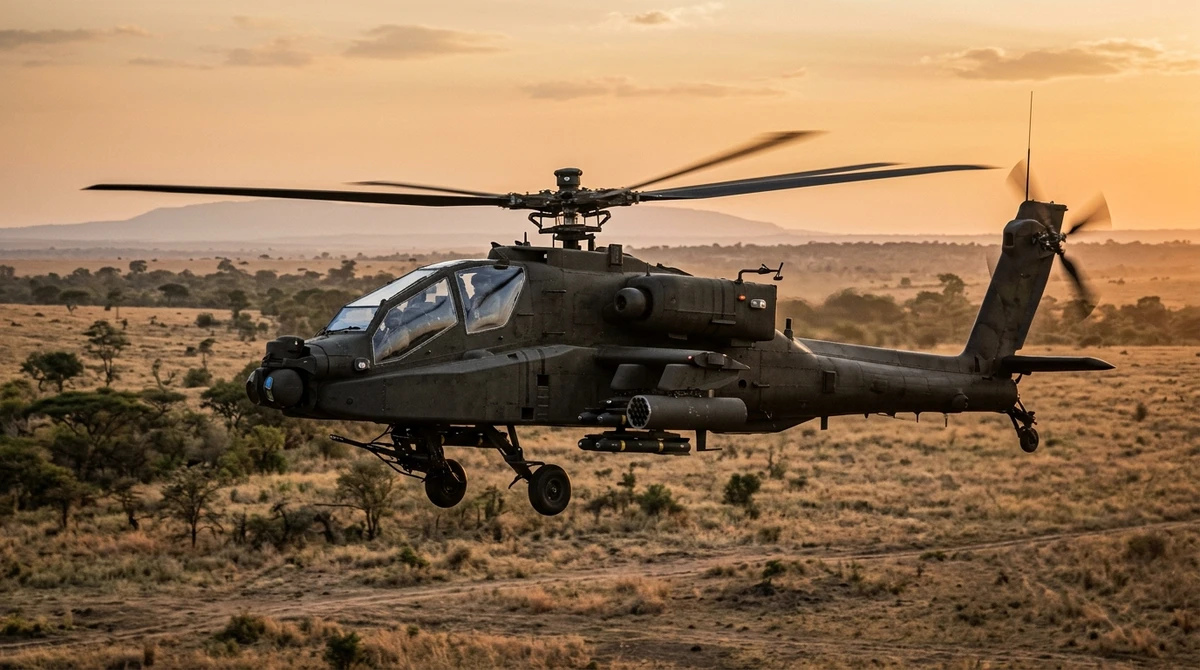
Australia Retires Its Tigers, Leaving Three Operators Among the World's 3,623 Attack Helicopters
The Australian Army has retired its Tiger attack helicopters, marking the fleet's sundown in Darwin on 30 September and leaving France, Germany and Spain as the only users; GlobalMilitary.net data counts 3,623 active attack helicopters in 81 countries.
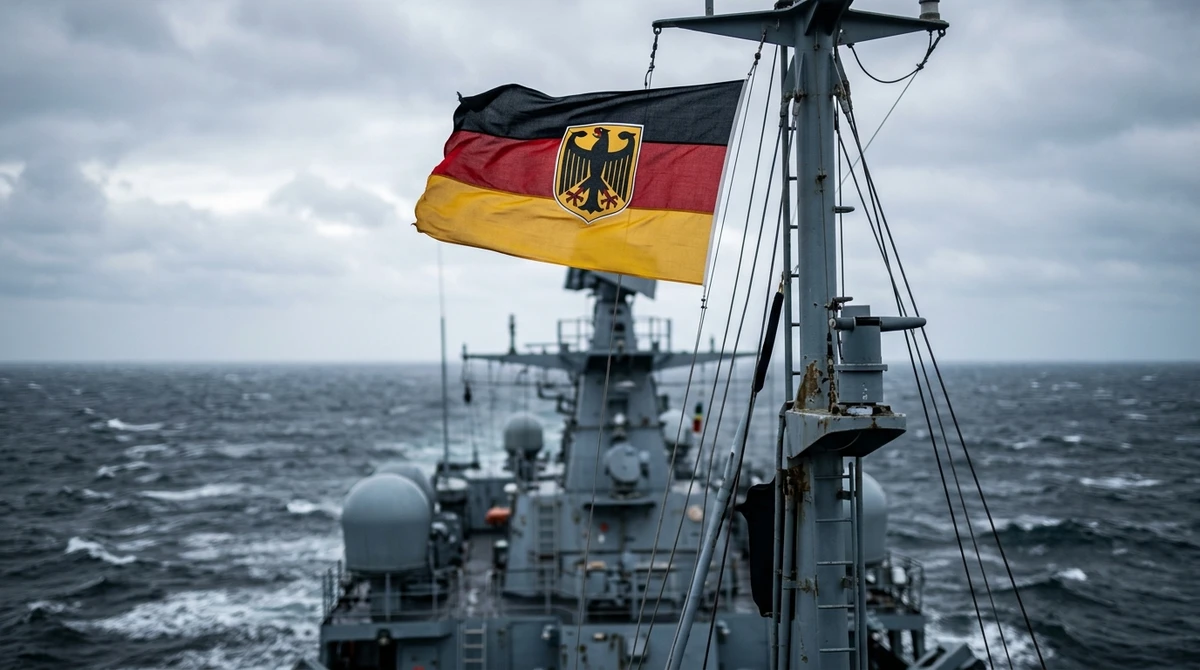
Germany Contracts Diehl to Arm Its Four F125 Frigates With IRIS-T SLM Air Defense Missiles
Diehl Defence and Germany's BAAINBw procurement office signed a contract on October 2, 2026 to adapt the IRIS-T SLM surface-to-air missile system for the German Navy's four Baden-Württemberg-class frigates, which were completed without a medium-range air defense missile.
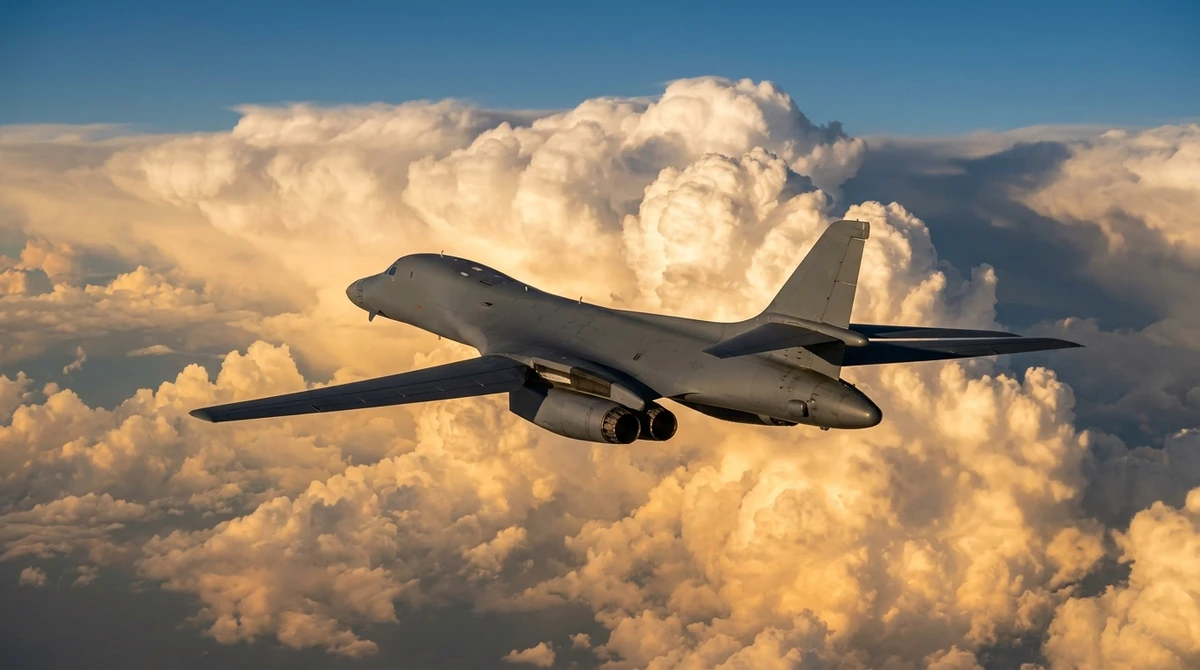
B-1B Lancer Reaches 40 Years in Service as US Air Force Plans to Keep It Flying Through 2037
The B-1B Lancer achieved initial operational capability on 1 October 1986; four decades later, 45 of the 100 bombers built remain in US Air Force service at Ellsworth and Dyess, and modernization funding is now planned to keep the type relevant through 2037.
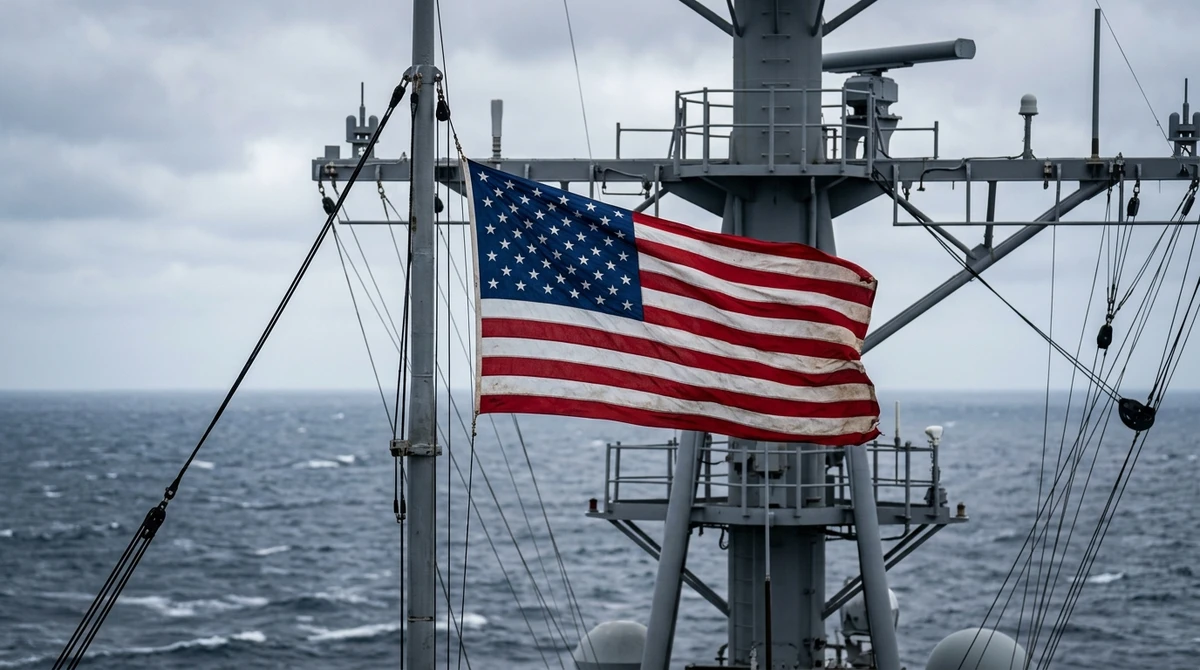
US Navy Awards Raytheon Up to $24.4 Billion Multiyear Contract for SM-6 Missiles
The US Navy on Oct. 1, 2026 awarded RTX's Raytheon unit a multiyear contract worth up to $24.4 billion for Standard Missile-6 interceptors, a five-year deal with two option years whose quantities remain undisclosed and whose funding Congress has yet to appropriate.
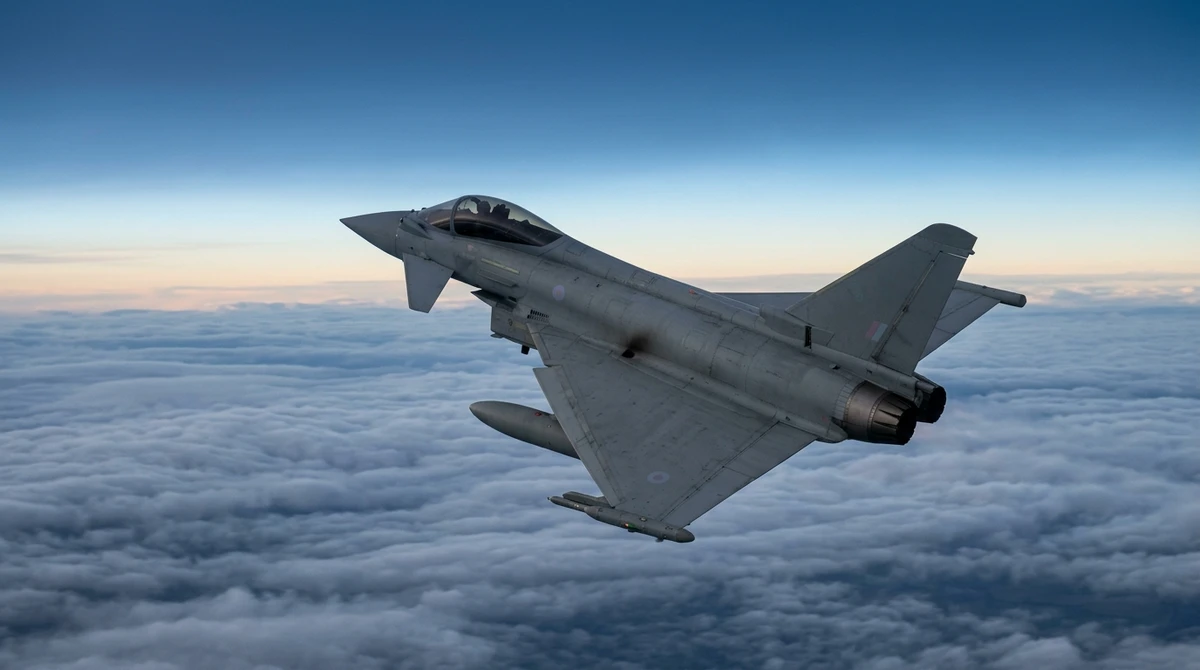
Ramjet vs Rocket: How the Meteor Keeps Thrusting to the Target While the AMRAAM Coasts
The Pentagon's AMRAAM contract of up to $20.7 billion, announced on September 28, 2026, expands output of a missile whose rocket burns early and then coasts; Europe's Meteor uses a throttleable ramjet that MBDA says thrusts until intercept.