US Has Lost 50 Uncrewed Aircraft in 2026, All in the Iran Conflict, GMN Data Shows
GlobalMilitary.net has logged 50 US uncrewed aircraft lost in 34 events between January 1 and September 9, 2026, 48 of them MQ-9 Reapers and all attached to the Iran conflict; on September 8 Iran said it had recovered a US Navy underwater drone at the entrance to the Strait of Hormuz.
The United States has lost 50 uncrewed aircraft since January 1, 2026, according to the GlobalMilitary.net event database, in 34 separately recorded loss events through September 9. Every one of the 50 airframes is attached in the database to the 2026 Iran conflict; none is linked to any other theater.
The losses are almost entirely one type. The MQ-9 Reaper accounts for 32 of the 34 events and 48 of the 50 airframes. The remaining two are a single MQ-4C Triton maritime surveillance aircraft and a single MQ-1 Predator.
By recorded cause, the 34 events break down as follows:
- Shot down: 27 events, 30 airframes
- Destroyed on the ground: 3 events, 3 airframes
- Crash or accident: 2 events, 3 airframes
- Mixed or unstated circumstances: 2 events, 14 airframes
The monthly distribution is uneven. The database records 16 airframes lost in March, 9 in April, 4 in May, 2 in June, 6 in July and 12 in August; September stands at 1, but that month is only nine days old at the time of writing. By location, 23 airframes were lost over Iran, 3 over Iraq, 5 over Gulf waters including the Strait of Hormuz and the Gulf of Oman, and 3 at bases in Jordan and Kuwait. The sources give no location for the remaining 16.
The four most recent individually documented losses are all Reapers recorded as shot down: one on August 3 over the Strait of Hormuz, one on August 14 near Qeshm Island in Hormozgan Province, one on August 31 over the Strait of Hormuz, and one on September 1 near Khomein in Markazi Province.
Three limits apply to these figures. First, this is a count of what GlobalMilitary.net has logged from published sources since January 1, 2026, not an official tally from the Pentagon or any other authority; it is a floor, not a ceiling. Second, two of the 34 entries are aggregates rather than single events. On April 9 the database recorded five further Reapers lost between April 1 and April 9 beyond the individually documented losses; on August 13 it recorded nine further Reapers beyond the individually documented losses, with sources at the time putting the war total at at least 45 Reapers, about a quarter of the fleet. Those two batch entries are why 16 airframes carry no individual location. Third, many of the shootdowns rest on claims made by Iranian forces that the United States has not individually confirmed.
For scale, the GlobalMilitary.net inventory lists 135 MQ-9 Reapers active with the US Air Force and 18 MQ-9A with the US Marine Corps. The European operators of the type in the database are France with 12 active, Italy with 4 active and 6 on order, Spain with 4 active and the Netherlands with 4 active and 4 on order.
No other country comes close over the same period. The database records 20 loss events and 21 airframes for Israel, 2 events and 2 airframes for Saudi Arabia, and 1 event and 1 airframe for Italy. No other country recorded any uncrewed aircraft loss in 2026. That comparison reflects what the database has logged, and coverage of a shooting war is denser than coverage of peacetime operations.
The attrition has now reached below the surface. On September 8, 2026, the Islamic Revolutionary Guard Corps announced it had recovered a US Navy Anduril Dive-LD autonomous underwater vehicle at the entrance to the Strait of Hormuz, an event logged in the naval events tracker. US Central Command said the vehicle had malfunctioned more than a day earlier and carried neither sensitive data nor classified sonar or radar equipment. Anduril confirmed the loss and described the Dive-LD as an attritable system designed for environments where losing the vehicle is an expected possibility.
The waterway itself is tracked separately on the Strait of Hormuz activity page. Every entry behind the figures above, with its date, place and cited sources, is listed in the air force events tracker of losses, crashes and deliveries, which is updated as new records are published.
More News
All news →
South Korea Approves Acquisition Strategy for Jangbogo N Nuclear-Powered Submarine
South Korea approved on November 6 the acquisition strategy for Jangbogo N, a domestically developed nuclear-powered submarine program due to start in 2027 with fielding in the late 2030s or later, the Defense Acquisition Program Administration said.
USS Los Angeles at 50: 18 of the 62 Boats of the 688 Class Still Serve in the US Navy
The lead boat of the US Navy's Los Angeles-class attack submarines was commissioned on 13 November 1976; fifty years on, 18 of the 62 boats built remain in commission while the Virginia class takes over, according to GlobalMilitary.net's inventory.
How Hot-Launch Mk 41 Cells and Cold-Launch Bulava Tubes Get a Missile Out of a Hull
The Mk 41 lights a missile's motor inside the ship and vents the blast through a plenum, while Bulava, Trident II and the S-300F are ejected before their motors ignite; DSIAC, Lockheed Martin and the US Navy spell out what each choice costs.
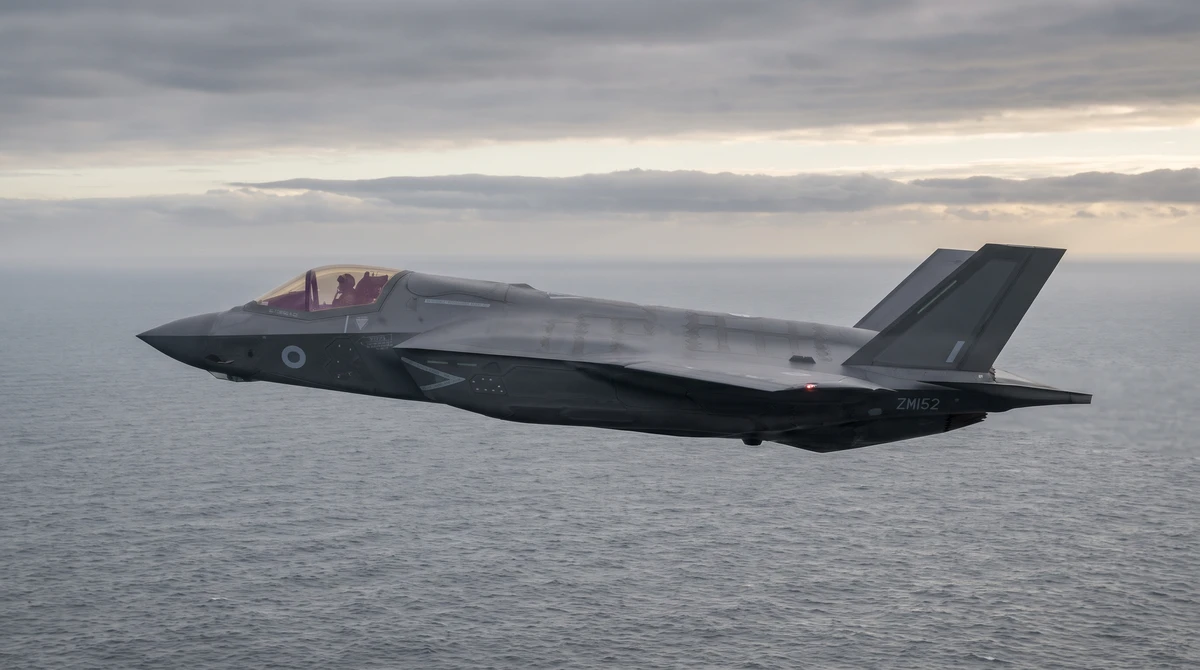
F-35B Completes First Meteor Missile Release From Its Internal Weapons Bay
An F-35B flown by a Royal Navy test pilot jettisoned an inert MBDA Meteor from its internal weapons bay at Naval Air Station Patuxent River, Maryland, on October 7, the F-35 Joint Program Office and MBDA said on November 5, the first of a series of trials ahead of live firings.
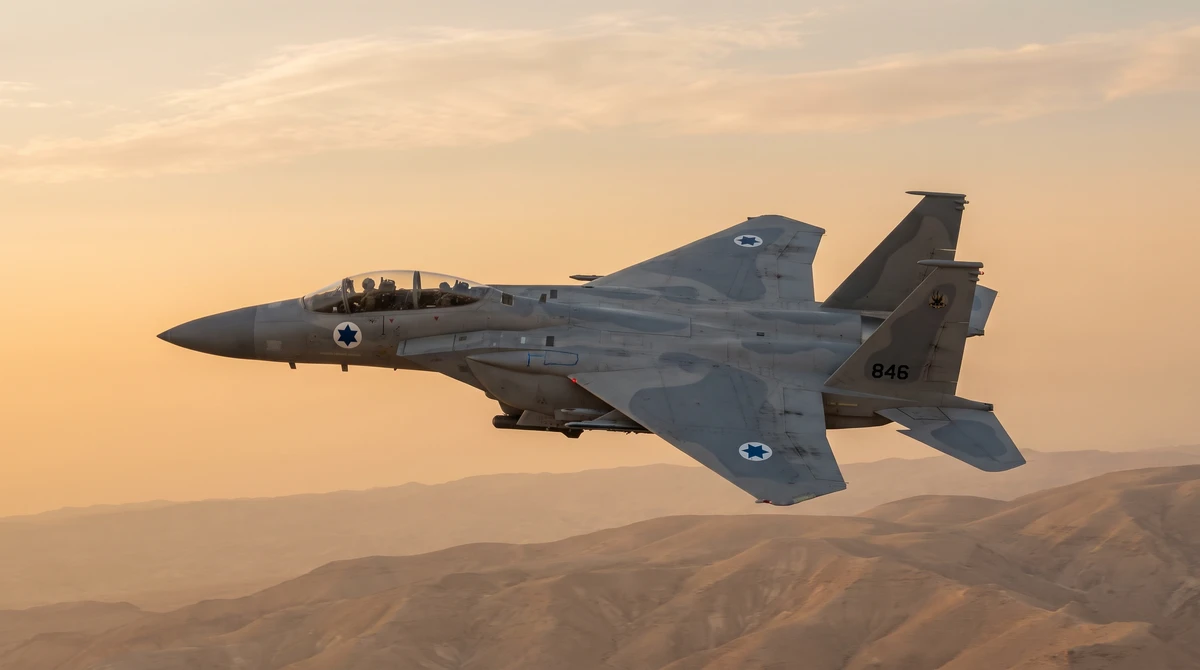
All 346 Israeli Air Force Combat Jets Are US-Built as Trump Says Aid Payments Will End This Year
President Trump said on November 3 that US payments to Israel of about $4 billion a year will end by year-end; GlobalMilitary.net data shows the Israeli Air Force, whose 346 combat aircraft are all US types, is the branch built on American equipment, while Israel's tanks are home-built.
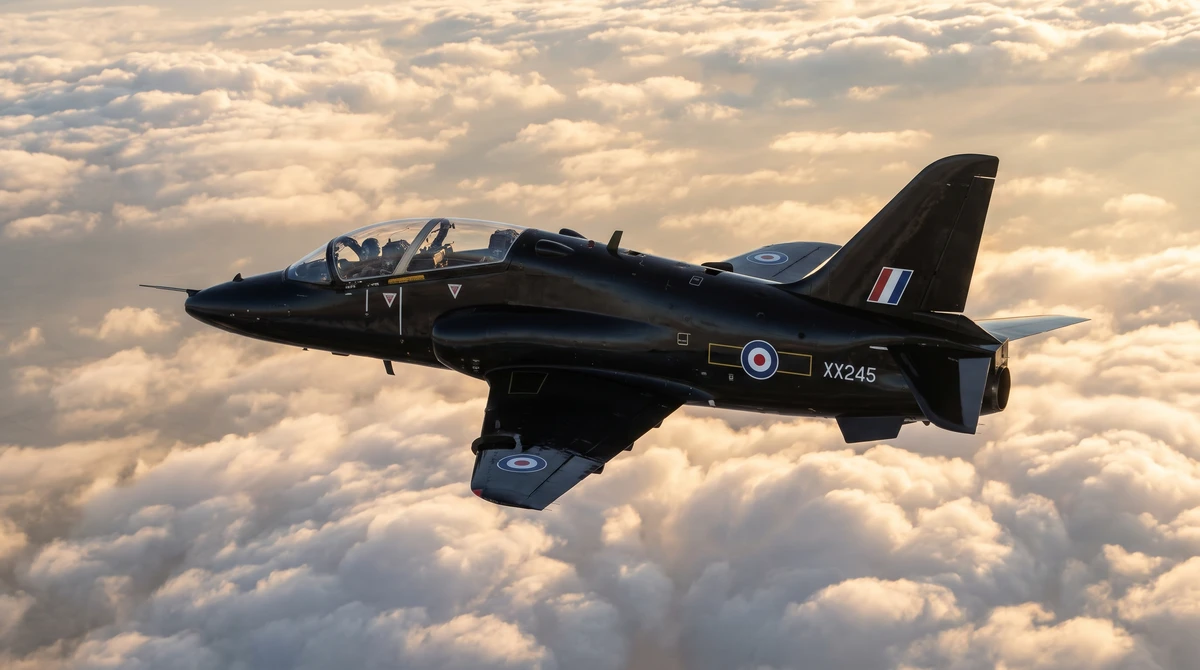
Hawk Jet Trainer at 50: RAF Launches Replacement Program as US Navy Moves to Replace T-45 Goshawk
Fifty years after the Hawk entered Royal Air Force service in late 1976, the UK Ministry of Defence has opened a Jet Training System program to replace it and the US Navy is in source selection for a successor to its Hawk-derived T-45 Goshawk, with an award intended for fiscal 2027.