US Navy Opens Formal Study of Japanese, Korean and Turkish Frigates After Constellation Cancellation
The US Navy has opened a formal evaluation of the Japanese Mogami, South Korean Chungnam and Turkish Istanbul frigate designs for a new class of frigates, USNI News reported on 1 September 2026, with the assessment due on 12 November.
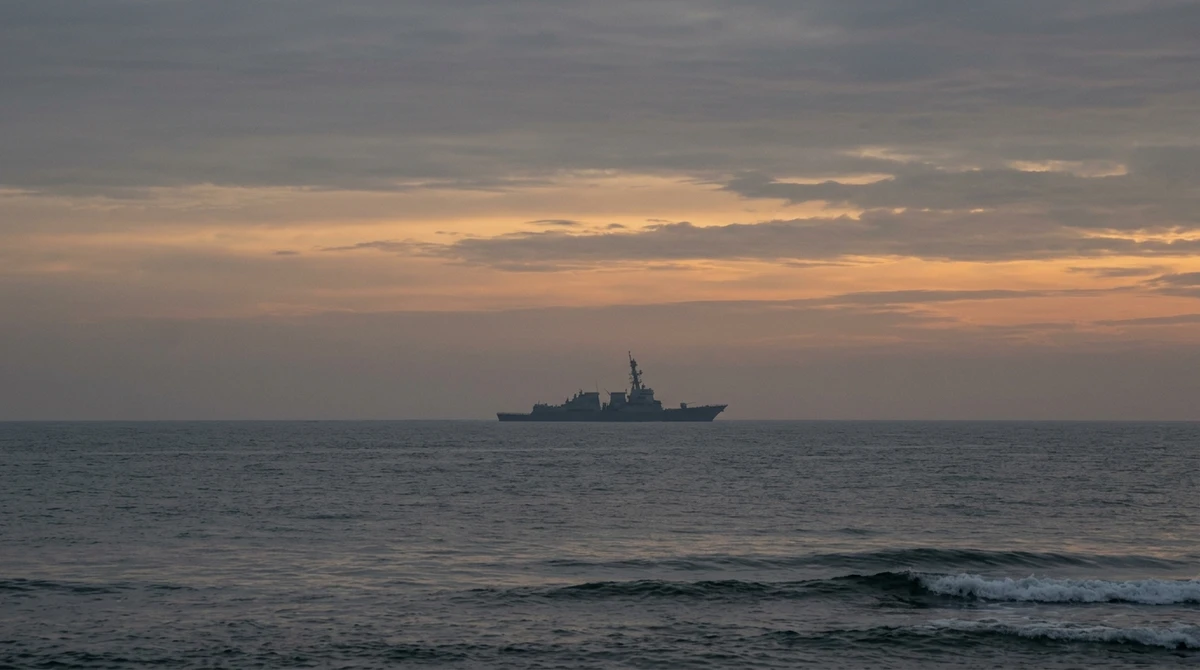
The US Navy has opened a formal evaluation of three foreign frigate designs, from Japan, South Korea and Turkey, for a new class of frigates, USNI News reported on 1 September 2026. Acting Secretary of the Navy Hung Cao directed William Mahan, assistant secretary of the Navy for research, development and acquisition, to oversee a study of international combatants, as well as roll-on/roll-off and CONSOL tanker designs for Military Sealift Command. The assessment is due on 12 November 2026.
The Japanese candidate is the export version of Mitsubishi Heavy Industries' Mogami-class frigate. South Korea's entry is the Chungnam-class frigate, a six-ship program built by HD Hyundai Heavy Industries, SK Oceanplant and Hanwha Ocean. Turkey offers the Istanbul-class frigate, built by several Turkish shipyards.
The competition rests on a presidential national security memorandum of 13 August 2026, "Rebuilding the United States Navy and America's Shipbuilding Industrial Base", which sets out a "Finland Model": a foreign shipbuilder may build the first two ships of a class at its parent yard but must build "all ships after the first two such ships in United States shipyards". The supplier must also build a new US shipyard or take a majority stake in an existing one and train an American workforce, and Congress must be notified 30 days before any contract is executed.
The fiscal year 2027 budget request allocates $1.85 billion to acquire up to two foreign-built ships before construction transfers to American yards, USNI News reported on 24 April. According to The War Zone, the Senate's draft FY2027 National Defense Authorization Act would eliminate the waiver authority that allows foreign-built warships, and the House Armed Services Committee has moved to block spending on foreign-built vessels; the opposition is bipartisan and cites shipyard jobs. Navy spokesman Capt. Ron Flanders said the administration aims to "deliver ships faster while ensuring long-term investment, technology transfer, and workforce expansion within U.S. shipyards," The War Zone reported.
On 25 November 2025, then-Secretary of the Navy John Phelan announced the cancellation of the Constellation-class program. The two hulls under construction, Constellation and Congress, continue at Fincantieri Marinette Marine in Wisconsin. According to the Navy's announcement as reported by Naval News, Defense News and USNI News, the design had drifted to about 15 percent commonality with its FREMM parent instead of the planned 85 percent, adding more than $1 billion in cost and about three years of delay, with the lead ship's delivery pushed from September 2026 to late 2029.
GlobalMilitary.net data lists the Constellation class as a 7,291-ton, 151-meter frigate with 32 Mk 41 cells and service entry expected in 2029, one hull on order and one planned. The only frigate the US Navy has in commission today is the 1797 sailing frigate USS Constitution, a single active frigate against 59 for China, 18 for South Korea, 17 for Turkey and 10 for Japan in GMN's latest snapshots of the world's largest frigate fleets.
Japan's Maritime Self-Defense Force operates 10 Mogami-class frigates with 2 more fitting out, and the follow-on Upgraded Mogami, a 142-meter design with a 32-cell VLS due in service in 2028, has 5 hulls on order. South Korea operates 2 Chungnam-class frigates, in service since 2024, with 2 fitting out and 2 on order. Turkey operates 1 Istanbul-class frigate, in service since 2024, with 7 on order.
Design figures reported by The War Zone on 3 September show three ships of different size:
- Mogami: 5,500 metric tons, 436 ft, two four-round Type 17 anti-ship missile launchers, a SeaRAM close-in weapon system, a 5-inch gun and, from the seventh ship onward, a 16-cell Mk 41 vertical launch system.
- Chungnam: 4,300 tons, over 423 ft, a 16-cell K-VLS, a 5-inch gun, a CIWS and twin torpedo tubes.
- Istanbul: 3,000 tons, 371.5 ft, a 16-cell MiDLAS VLS, a 76 mm gun, a Gökdeniz CIWS and twin torpedo tubes.
GMN's Constellation vs Mogami comparison sets the two designs side by side.
Ahead of the 12 November assessment, the Senate draft's removal of the waiver authority and the House committee's spending block remain to be reconciled in the final FY2027 NDAA. No design has been selected, no contract exists and the size of the new class has not been set.
More News
All news →
ARRW Hypersonic Missile Enters Production as U.S. Fields 140 Bombers, Russia 116 and China 219 H-6s
The Department of the Air Force has moved the AGM-183A hypersonic missile into production for a U.S. bomber force of 140 aircraft, which GlobalMilitary.net's inventory sets against Russia's 116 bombers and China's 219 H-6s.
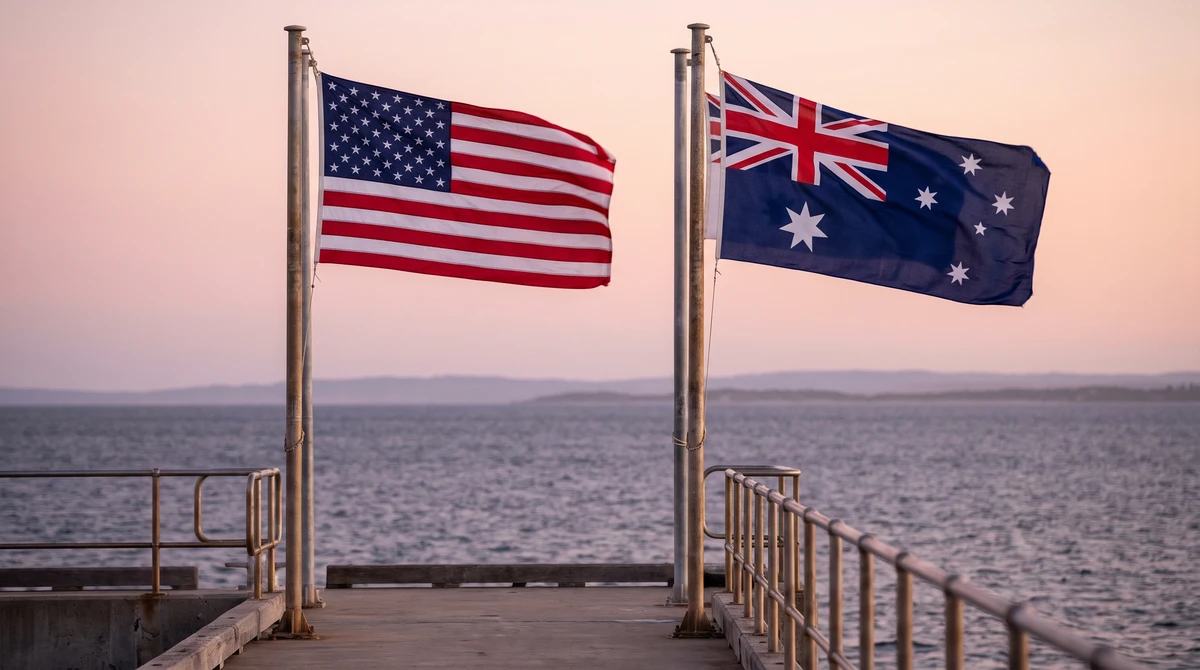
USS Colorado to Be First Virginia-Class Submarine Rotated to Australia Under AUKUS From Late 2027
The United States, Australia and the United Kingdom said on October 26, 2026 that USS Colorado (SSN 788) will be the first U.S. Navy Virginia-class attack submarine assigned to Submarine Rotational Force-West at HMAS Stirling, Western Australia, beginning in late 2027.

Why 52-Caliber Howitzers Outrange the M777 as the UK and US Move to Make More 155mm Barrels
As the UK restarted 155mm barrel production on October 22, 2026 and the US Army sought new makers for its M777 and Paladin tubes, the reach of a howitzer comes down to barrel length in calibers first, then to what the shell itself can do.
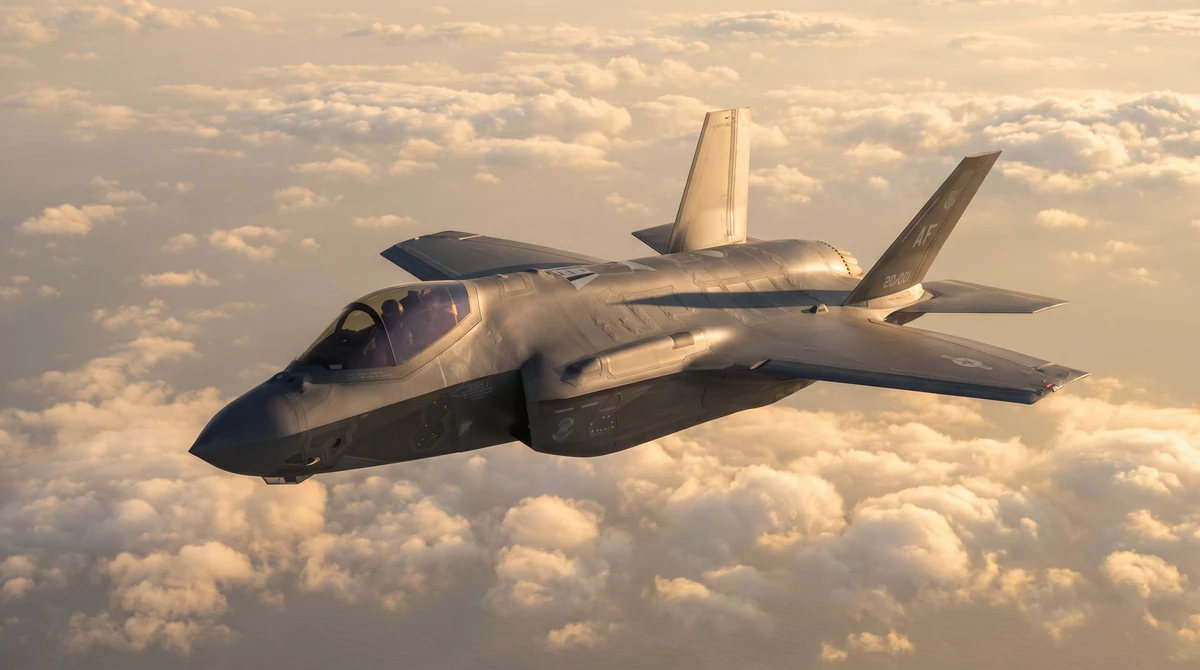
F-35 at 25: The 2001 Joint Strike Fighter Award Promised 3,000 Jets and a First Delivery in 2008
Twenty-five years after the Pentagon chose the Lockheed Martin-led team to build the Joint Strike Fighter on October 26, 2001, Lockheed counts more than 1,375 F-35s fielded, the Joint Program Office lists 20 partner and customer nations, and production lots 20 and higher remain under negotiation.
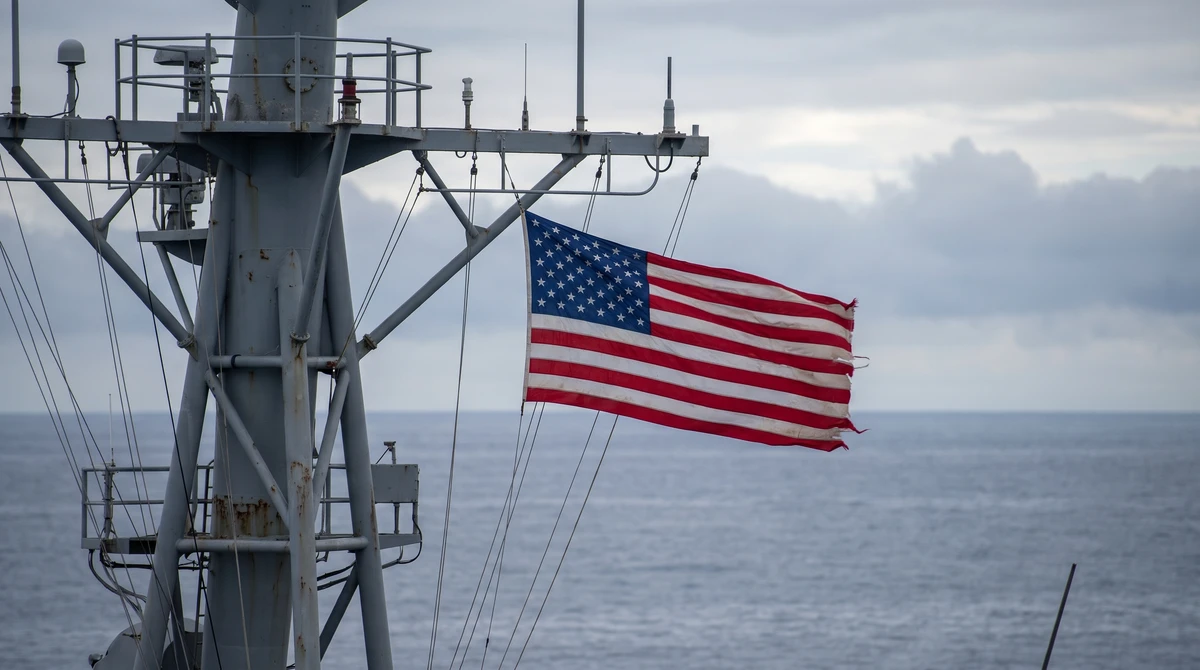
USS Pinckney Begins US Navy's First SPY-6(V)4 Radar Installation on an Arleigh Burke Destroyer
The US Navy said on October 22 that the Arleigh Burke-class destroyer USS Pinckney (DDG 91) has entered a Depot Modernization Period at General Dynamics NASSCO in San Diego, the service's first installation of the SPY-6(V)4 radar and HESC cooling plants under the DDG MOD 2.0 program.

UK Restarts Tank and Howitzer Barrel Production as US Army Seeks New 155mm Tube Makers
Rheinmetall UK has begun making 120mm and 155mm barrels in Telford, the Ministry of Defence said on 22 October, a day after a US Army contracting command posted a market survey for domestic makers of Paladin and M777 cannon tubes.