
Ecuadorian Air Force
The Ecuadorian Air Force operates 105 military aircraft in 2026 — 17 combat aircraft (fighter and attack jets), 46 helicopters, 22 transport aircraft, 11 trainers. It ranks #76 of 162 air forces worldwide, with 2 more aircraft on order.
Full inventory in 2026
26 aircraft typesEcuadorian Air Force
| Aircraft | Origin | Model year | Active | Δ YoY | Ordered | |
|---|---|---|---|---|---|---|
| Combat | ||||||
|
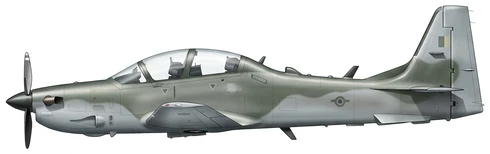
EMB-314 | 🇧🇷 Brazil | 2003 | 17 | — | — |
| Helicopter | ||||||
|
H145 | 🇫🇷 France | 2002 | 6 | — | — |
|
AW119 |
🇬🇧 United Kingdom 🇮🇹 Italy |
2000 | 5 | +1 | — |
|
Bell 206/TH-57A | 🇺🇸 United States | 1967 | 3 | — | — |
|
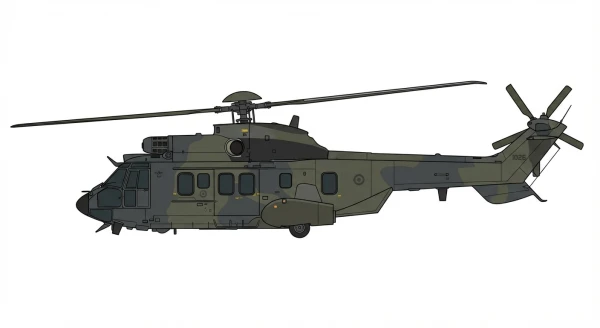
H225M |
🇩🇪 Germany 🇫🇷 France |
2005 | 2 | +2 | — |
| Transport | ||||||
|
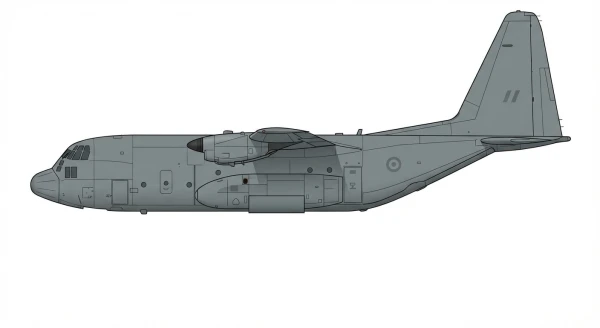
C-130H | 🇺🇸 United States | 1956 | 3 | +2 | — |
|
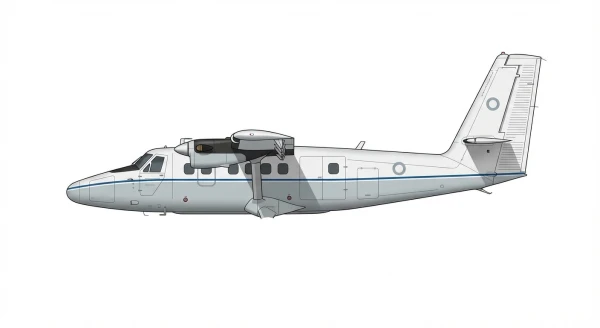
DHC-6 | 🇨🇦 Canada | 1966 | 3 | — | — |
|
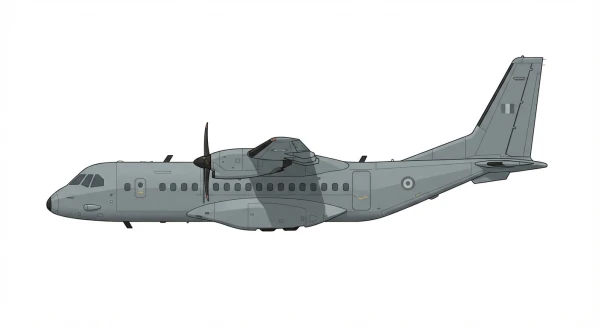
C295 |
🇪🇸 Spain 🇮🇩 Indonesia |
2001 | 2 | -1 | +1 |
|
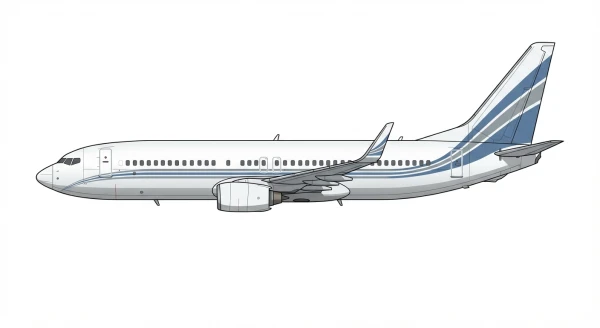
737 | 🇺🇸 United States | 1968 | 2 | +1 | — |
|
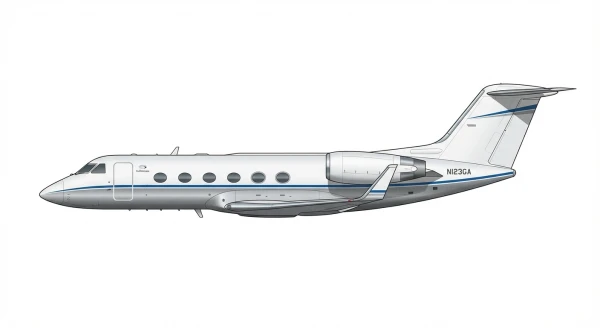
Gulfstream II | 🇺🇸 United States | 1967 | 1 | — | — |
|
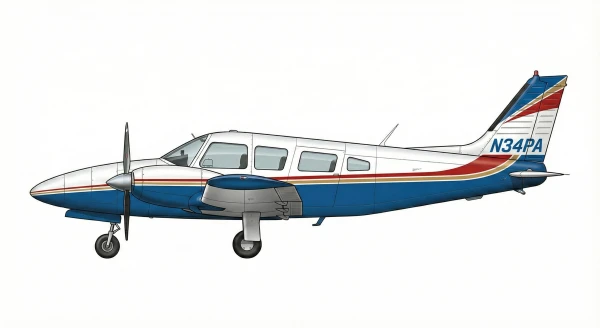
PA-34 | 🇺🇸 United States | 1971 | 1 | — | — |
| Training | ||||||
|
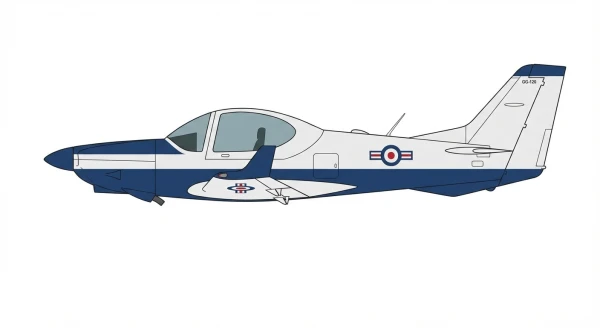
G120TP | 🇩🇪 Germany | 1999 | 8 | — | — |
| Other | ||||||
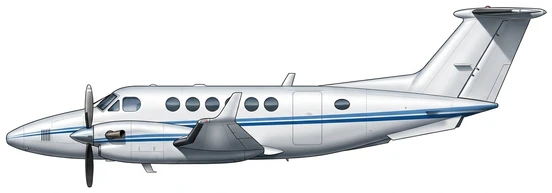
|
King Air 350 | 🇺🇸 United States | 1990 | 1 | — | — |
Ecuadorian Army Aviation
| Aircraft | Origin | Model year | Active | Δ YoY | Ordered | |
|---|---|---|---|---|---|---|
| Helicopter | ||||||
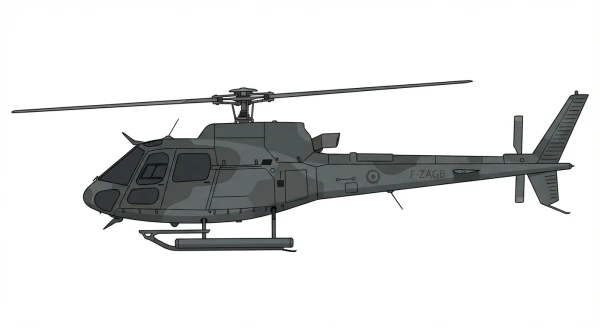
|
H125M/AS350/550 | 🇫🇷 France | 1990 | 11 | — | — |
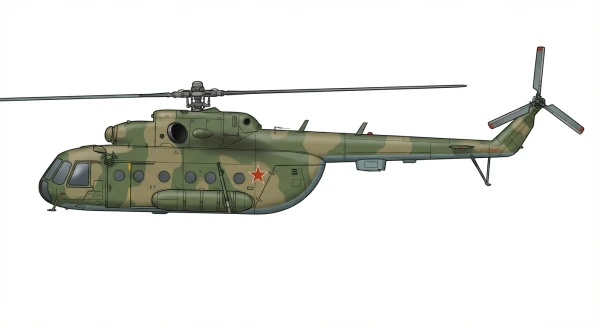
|
Mi-171 | 🇷🇺 Ex-USSR | 1977 | 7 | — | — |
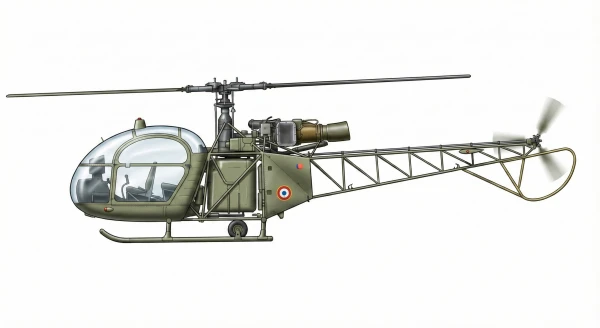
|
SA315 | 🇫🇷 France | 1957 | 2 | — | — |
|
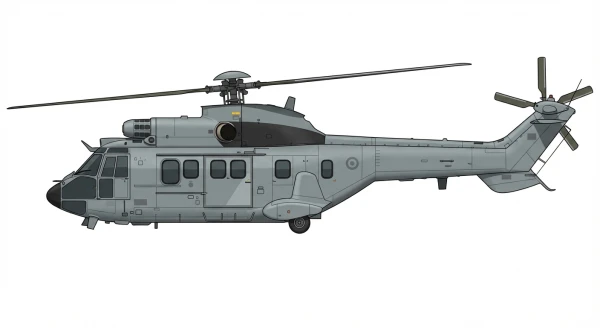
H215M/AS332 |
🇩🇪 Germany 🇫🇷 France |
1978 | 1 | -2 | — |
|
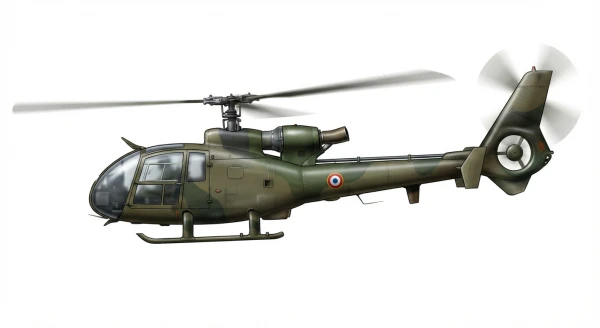
SA342 | 🇫🇷 France | 1971 | 1 | — | — |
|
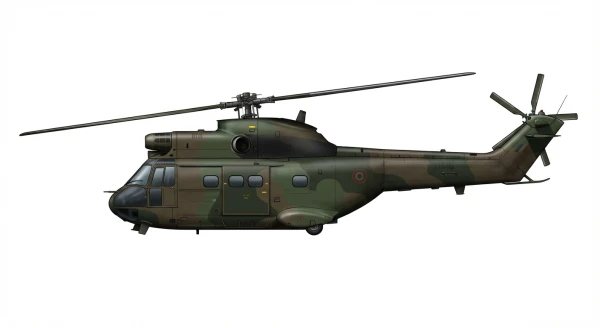
SA330 | 🇫🇷 France | 1968 | — | -1 | — |
| Transport | ||||||

|
C212 | 🇪🇸 Spain | 1974 | 2 | +1 | — |
|
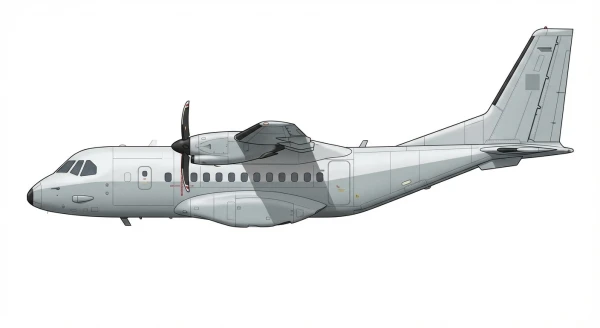
CN235 |
🇪🇸 Spain 🇮🇩 Indonesia |
1988 | 2 | — | — |
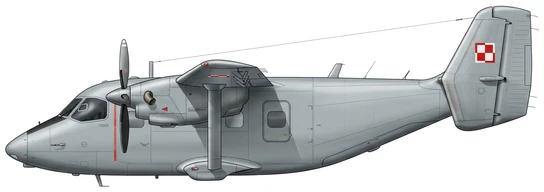
|
M28 | 🇵🇱 Poland | 1996 | 1 | — | — |
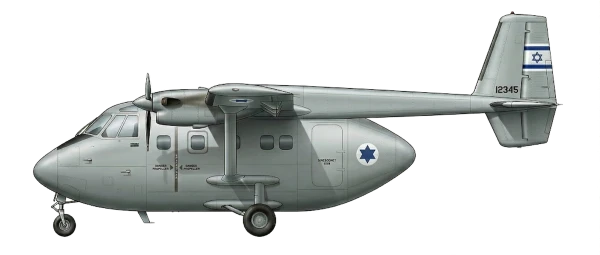
|
Arava | 🇮🇱 Israel | 1972 | 1 | -1 | — |
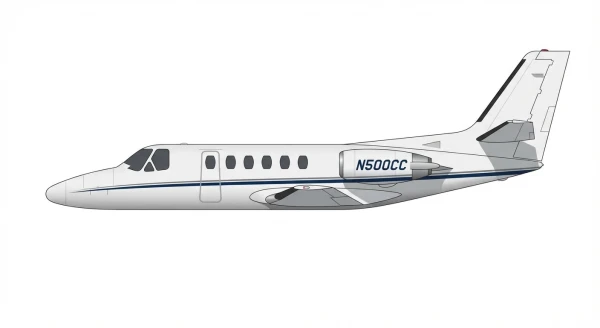
|
Citation II | 🇺🇸 United States | 1971 | 1 | — | — |
| Other | ||||||
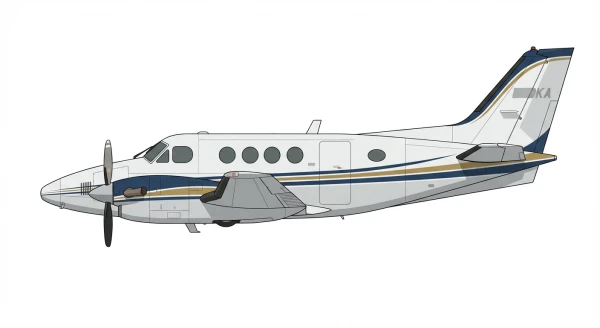
|
King Air 200 | 🇺🇸 United States | 1964 | 1 | — | — |
Ecuadorian Navy
| Aircraft | Origin | Model year | Active | Δ YoY | Ordered | |
|---|---|---|---|---|---|---|
| Helicopter | ||||||
|
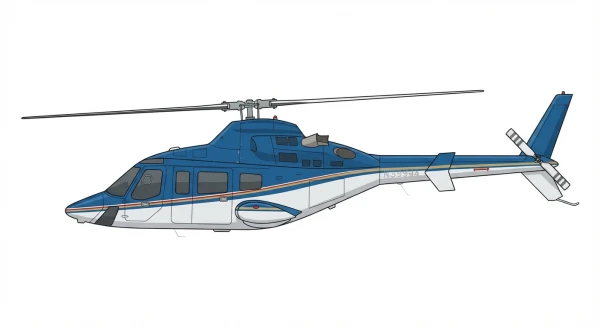
Bell 430 | 🇺🇸 United States | 1995 | 4 | — | — |
|
|
Bell 206/TH-57A | 🇺🇸 United States | 1967 | 3 | — | — |
|
|
Bell 206 | 🇺🇸 United States | 1967 | 1 | — | — |
| Transport | ||||||
|
|
CN235 |
🇪🇸 Spain 🇮🇩 Indonesia |
1988 | 2 | — | — |
|
|
C295 |
🇪🇸 Spain 🇮🇩 Indonesia |
2001 | 1 | — | — |
| Training | ||||||
|
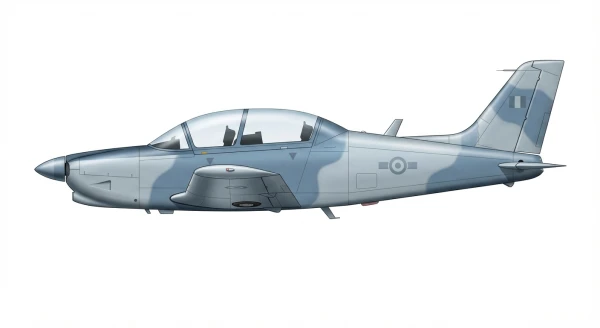
T-35 | 🇨🇱 Chile | 1984 | 3 | — | — |
| Other | ||||||
|
|
King Air 200/300/360 | 🇺🇸 United States | 1964 | 5 | — | +1 |
|
|
King Air 350 | 🇺🇸 United States | 1990 | 2 | — | — |
Overview
The Ecuadorian Air Force (FAE) is a compact service structured primarily to address national sovereignty, border control, and internal security missions. Its organization is centered on a series of numbered combat, transport, and training wings (Alas) based at key airfields across the country. Major combat units are stationed at Taura, Manta, and Guayaquil, postured for territorial defense. The transport wing, located at Cotopaxi Air Base, provides strategic and tactical airlift, contributing to national development and disaster relief operations.
Operational capabilities have been shaped by historical border disputes with Peru, most notably the Paquisha War (1981) and the Cenepa War (1995). These conflicts provided the FAE with valuable combat experience and underscored the importance of maintaining a credible deterrent. In recent years, the force's focus has expanded to include counter-narcotics operations and surveillance of the northern border, often in conjunction with army and naval forces. Its doctrine emphasizes territorial defense, rapid response to security threats, and supporting the population during crises and natural disasters.
The FAE has undertaken modernization efforts to maintain its operational edge. Significant acquisitions have included Embraer EMB 314 Super Tucano light attack and training aircraft, which are a cornerstone of border surveillance and counter-insurgency missions. The force also incorporated Atlas Cheetah C/D fighters, though these have reportedly been retired recently. The transport fleet has been updated with CASA C-295 aircraft, enhancing tactical airlift capabilities.
Frequently Asked Questions
How many aircraft does Ecuador have?
How does Ecuador's air force rank globally?
How many combat aircraft does Ecuador operate?
How many military helicopters does Ecuador have?
What is the AIRS Index score of Ecuador?
Where does Ecuador get its military aircraft from?
- SEP 82026 Updated Logged 2 crashes from 2024
- SEP 32026 Updated Bell 412 fleet now linked to its own type page instead of the UH-1 Iroquois
- AUG 292026 Updated King Air 350 fleet entries linked to their aircraft page
- JUL 252026 Updated Fleet event recorded: AS350 B2 crashed near La Merced de Buenos Aires, Imbabura; all four occupants injured.
- JUL 242026 Updated EMB-314 fleet entry linked to its aircraft page; SA330 fleet entry linked to its aircraft page
- APR 292026 Updated M28 fleet entry linked to its aircraft page
- FEB 212026 Updated 33 inventory entries added across 29 aircraft types