Royal Australian Air Force
Key facts
| Official Name | Royal Australian Air Force |
| Country | 🇦🇺 Australia |
| World rank | #23 |
| Active aircraft | 355 as of 2026 |
| Aircraft on order | 113 |
| Roundel |
|

Global Air Force Index
| 💥 Strategic Bombers | 0 | Nuclear-capable strike aircraft (highest weight) |
| ✈️ Combat Aircraft | 108 | Fighters, multirole & attack aircraft |
| 🚁 Helicopters | 95 | Attack, transport & utility rotorcraft |
| 🛫 Transport | 61 | Strategic & tactical airlift |
| 📊 Total Active | 355 | All aircraft types |
Methodology: Square root scaled index weighted by aircraft combat capability. Strategic bombers score highest due to nuclear strike capability.
Aircraft by type in 2026
| Aircraft type | Active | |
|---|---|---|
 Combat
|
108 | |
 Helicopter
|
95 | |
 Training
|
79 | |
 Transport
|
61 | |
 Special
|
12 | |
Origin countries of aircraft
| Country | Active Aircraft | |
|---|---|---|
| 🇺🇸 United States | 220 | |
| 🇫🇷 France | 47 | |
| 🇨🇭 Switzerland | 45 | |
| 🇬🇧 United Kingdom | 33 | |
| 🇩🇪 Germany | 22 | |
| 🇮🇹 Italy | 10 | |
Evolution of Australian Air Force fleet
Overview
The Royal Australian Air Force (RAAF) is structured to provide scalable, high-technology air power options for the Australian government. Its operational capabilities are organized under a series of Force Element Groups: Air Combat, Air Mobility, Surveillance and Response, and Combat Support. This structure allows the RAAF to provide a spectrum of effects, from air superiority and precision strike to strategic airlift and intelligence, surveillance, and reconnaissance (ISR). It operates a modern fleet of combat and support aircraft, and its personnel are trained for integrated operations within the joint Australian Defence Force (ADF) and with allied forces.
The RAAF's strategic doctrine is articulated in response to the strategic environment of the Indo-Pacific region, emphasizing a "strategy of denial" to deter actions against Australia's interests. This doctrine calls for an agile and potent force capable of operating across the spectrum of conflict, from cooperation and humanitarian assistance to high-end warfare. A key concept is "impactful projection," which leverages airpower to exert influence at a significant distance from Australia. The doctrine acknowledges the importance of operating below the threshold of direct military conflict and emphasizes partnerships with regional and global allies.
Recent operations demonstrate the RAAF's global reach and diverse mission set. As part of Operation Kudu, an E-7A Wedgetail aircraft was deployed to Germany to support multinational efforts to protect the flow of assistance to Ukraine by providing early warning against potential Russian threats. The RAAF has also been involved in Operation Beech, a non-combat deployment to the Middle East to provide airlift support for Australian citizens if required.
The RAAF is in the final stages of a modernization program. Key combat capabilities are being enhanced with the continued procurement of the F-35A Lightning II, which is replacing the older F/A-18A/B Hornets, and upgrades to the F/A-18F Super Hornet and EA-18G Growler electronic attack aircraft fleets. A major focus is on ISR and electronic warfare, with the acquisition of the MC-55A Peregrine intelligence and surveillance aircraft. Furthermore, the RAAF is investing in future capabilities, including the development of the MQ-28A Ghost Bat, an uncrewed air vehicle designed for teaming with crewed aircraft, and research into hypersonic missiles. The replacement and expansion of the C-130J Hercules and KC-30A tanker fleets are also underway to enhance air mobility and sustainment.
Full inventory in 2026
Royal Australian Air Force
| Aircraft Type | Model | Origin Country | Model Year | Active | 𝚫 YoY | Ordered | ||
|---|---|---|---|---|---|---|---|---|
| Combat |
F-35A | 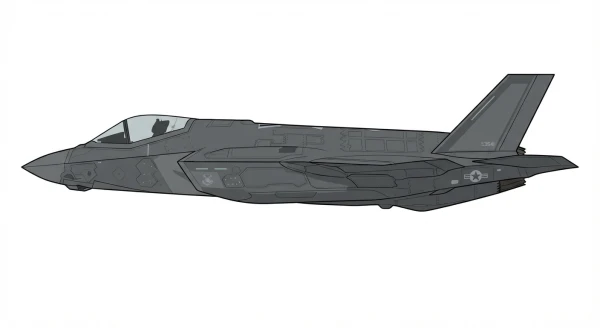 |
🇺🇸 | 2013 | 72 | +9 |
28 |
|
| Combat |
F/A-18F | 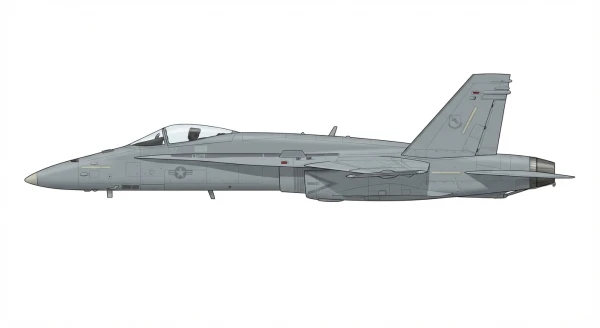 |
🇺🇸 | 1983 | 24 | 0 |
0 |
|
| Combat |
EA-18G | |
🇺🇸 | 1983 | 12 | 0 |
0 |
|
| Transport |
P-8A Poseidon |  |
🇺🇸 | 1968 | 13 | +1 |
1 |
|
| Transport |
C-130J | 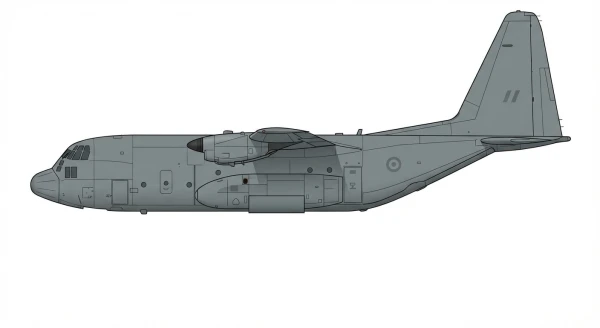 |
🇺🇸 | 1956 | 12 | 0 |
20 |
|
| Transport |
C-27J | 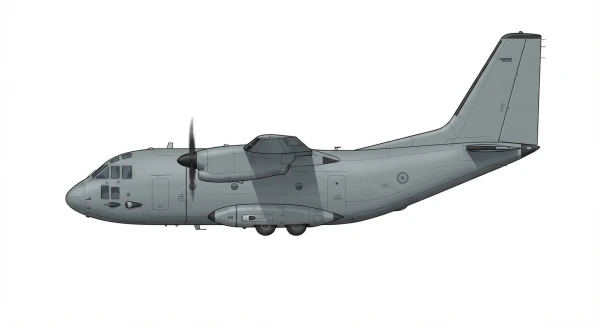 |
🇮🇹 | 1978 | 10 | 0 |
0 |
|
| Transport |
C-17 | 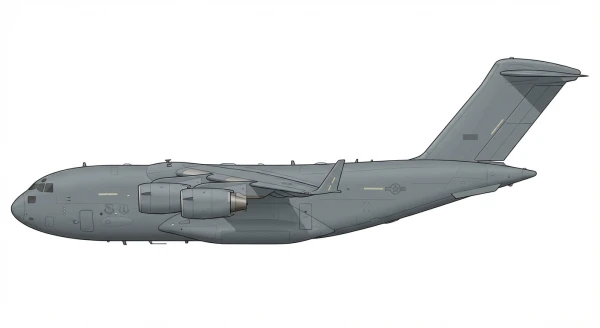 |
🇺🇸 | 1993 | 8 | 0 |
0 |
|
| Transport |
A330 MRTT (KC-30A) | 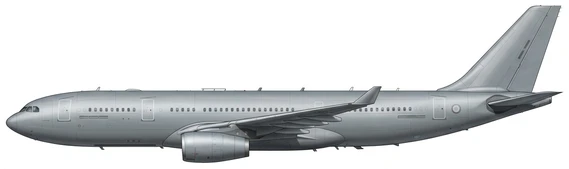 |
🇫🇷 | 2011 | 7 | +1 |
0 |
|
| Transport |
E-7A Wedgetail | |
🇺🇸 | 1968 | 6 | +6 |
0 |
|
| Transport |
Falcon 7X |  |
🇫🇷 | 2016 | 3 | +3 |
0 |
|
| Transport |
737 BBJ | |
🇺🇸 | 1968 | 2 | +2 |
0 |
|
| Training |
PC-21 | 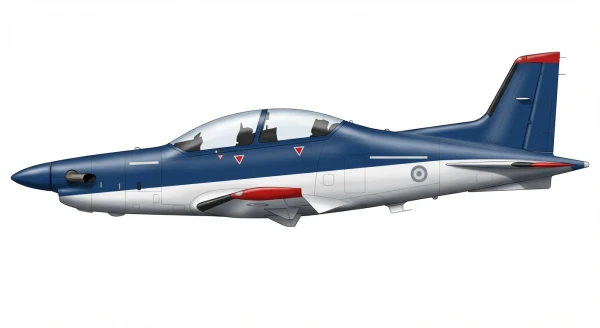 |
🇨🇭 | 2008 | 45 | 0 |
0 |
|
| Training |
Hawk 127 | 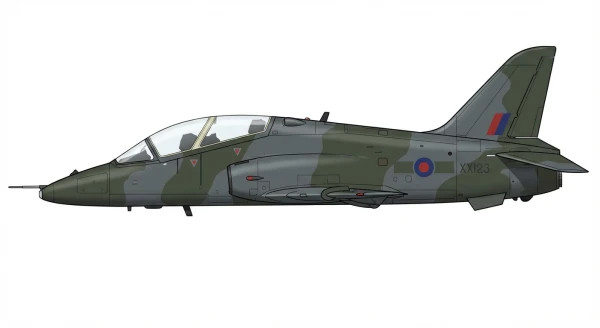 |
🇬🇧 | 1976 | 33 | 0 |
0 |
|
| Training |
G550 | 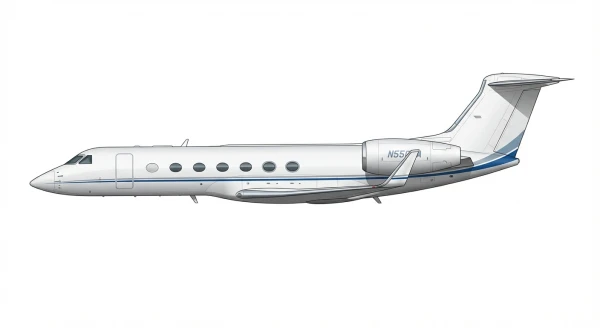 |
🇺🇸 | 2004 | 1 | +1 |
3 |
|
| Special |
King Air 350 | 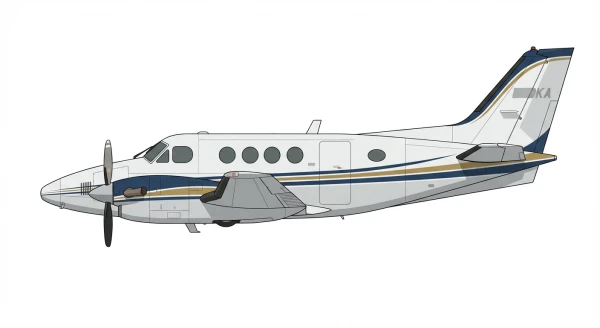 |
🇺🇸 | 1964 | 12 | 0 |
0 |
Royal Australian Army
| Aircraft Type | Model | Origin Country | Model Year | Active | 𝚫 YoY | Ordered | ||
|---|---|---|---|---|---|---|---|---|
| Helicopter |
Tiger | 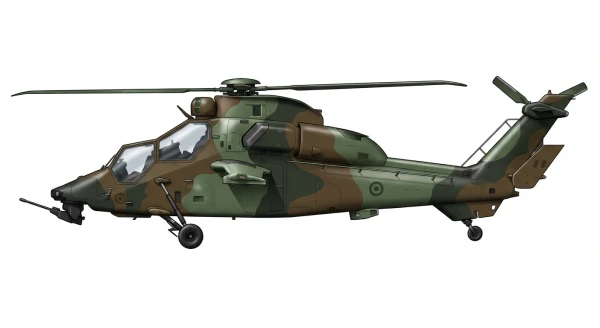 |
🇩🇪 🇫🇷 | 2002 | 22 | 0 |
0 |
|
| Helicopter |
S-70/UH-60M | 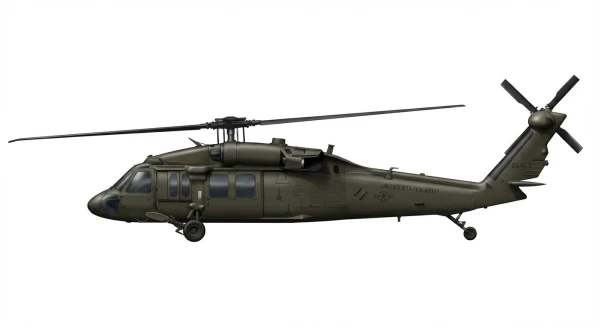 |
🇺🇸 | 1979 | 17 | +7 |
23 |
|
| Helicopter |
H135 | 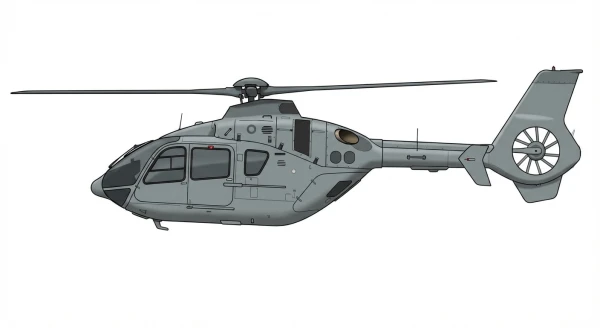 |
🇫🇷 | 1996 | 15 | 0 |
0 |
|
| Helicopter |
CH-47F | 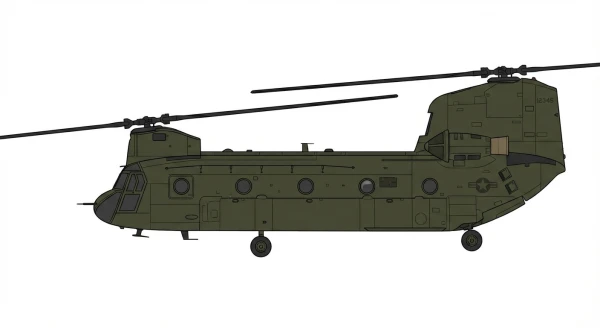 |
🇺🇸 | 1962 | 14 | 0 |
0 |
|
| Helicopter |
AH-64E | 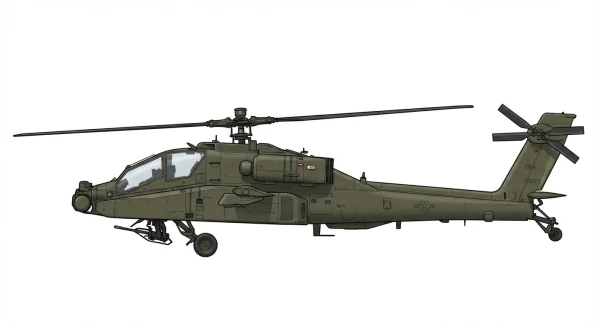 |
🇺🇸 | 1984 | 4 | +4 |
25 |
Royal Australian Navy
| Aircraft Type | Model | Origin Country | Model Year | Active | 𝚫 YoY | Ordered | ||
|---|---|---|---|---|---|---|---|---|
| Helicopter |
S-70/MH-60R | |
🇺🇸 | 1979 | 23 | 0 |
13 |
Frequently Asked Questions
How many aircraft does Australia have?
How does Australia's air force rank globally?
How many combat aircraft does Australia operate?
How many military helicopters does Australia have?
What is the Air Force Index of Australia?
Where does Australia get its military aircraft from?
Last updated on 1 January 2026. Suggest a change