Royal Canadian Air Force
Key facts
| Official Name | Royal Canadian Air Force |
| Country | 🇨🇦 Canada |
| World rank | #34 |
| Active aircraft | 355 as of 2026 |
| Aircraft on order | 191 |
| Roundel |
|

Global Air Force Index
| 💥 Strategic Bombers | 0 | Nuclear-capable strike aircraft (highest weight) |
| ✈️ Combat Aircraft | 92 | Fighters, multirole & attack aircraft |
| 🚁 Helicopters | 146 | Attack, transport & utility rotorcraft |
| 🛫 Transport | 46 | Strategic & tactical airlift |
| 📊 Total Active | 355 | All aircraft types |
Methodology: Square root scaled index weighted by aircraft combat capability. Strategic bombers score highest due to nuclear strike capability.
Aircraft by type in 2026
| Aircraft type | Active | |
|---|---|---|
 Helicopter
|
146 | |
 Combat
|
92 | |
 Transport
|
46 | |
 Training
|
40 | |
 Special
|
31 | |
Origin countries of aircraft
| Country | Active Aircraft | |
|---|---|---|
| 🇺🇸 United States | 305 | |
| 🇩🇪 Germany | 14 | |
| 🇬🇧 United Kingdom | 13 | |
| 🇮🇹 Italy | 13 | |
| 🇪🇸 Spain | 10 | |
| 🇮🇩 Indonesia | 10 | |
| 🇨🇦 Canada | 8 | |
| 🇪🇺 Europe | 5 | |
| 🇫🇷 France | 0 | |
| 🇨🇭 Switzerland | 0 | |
Evolution of Canadian Air Force fleet
Overview
The Royal Canadian Air Force (RCAF) is structured to provide air and space power in support of national objectives. It is commanded by the Commander of the RCAF, who reports to the Chief of the Defence Staff. The force is organized into several key formations: 1 Canadian Air Division is responsible for all operational air power, including Canada's contribution to the North American Aerospace Defense Command (NORAD). 2 Canadian Air Division oversees training and education for all air force personnel. 3 Canadian Space Division is tasked with space power generation and delivery, including space domain awareness and protecting military space capabilities.
The RCAF's strategic doctrine emphasizes integrated, joint operations and interoperability with allies, particularly the United States. This doctrine guides the application of air power across core capabilities: control of the air, air attack, air mobility, and intelligence, surveillance, and reconnaissance (ISR). A key tenet is the ability to operate within a coalition framework, a reflection of Canada's long-standing participation in multinational security constructs like NATO. Doctrinally, the RCAF aims for a flexible approach, utilizing multi-purpose platforms to cover a wide spectrum of missions from domestic search and rescue to international combat operations.
The RCAF is undergoing its most significant recapitalization in decades. Key projects include the acquisition of 88 F-35A fighter jets, up to 16 P-8A Poseidon multi-mission aircraft for maritime patrol, and 9 CC-330 Husky multi-role tanker transport aircraft. To enhance its ISR and strike capabilities, Canada is also procuring its first fleet of 11 MQ-9B remotely piloted aircraft systems. Significant investment is also being directed towards upgrading infrastructure at key fighter bases and forward operating locations to support the new fleets. These modernization programs are digitally focused, aiming to improve network integration, data sharing, and command and control capabilities to maintain relevance in a changing security environment.
Full inventory in 2026
Royal Canadian Air Force
| Aircraft Type | Model | Origin Country | Model Year | Active | 𝚫 YoY | Ordered | ||
|---|---|---|---|---|---|---|---|---|
| Combat |
F/A-18A | 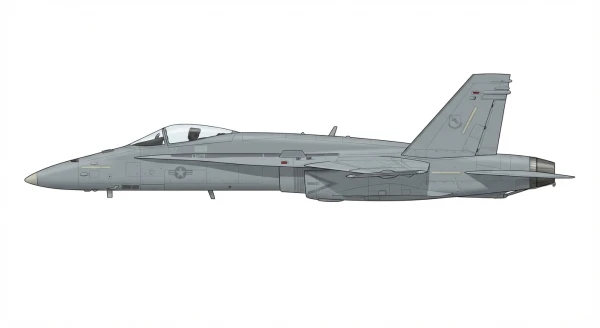 |
🇺🇸 | 1983 | 66 | 0 |
0 |
|
| Combat |
F/A-18B | |
🇺🇸 | 1983 | 26 | 0 |
0 |
|
| Combat |
F-35A | 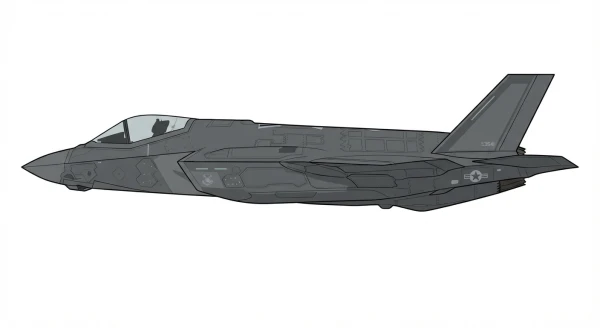 |
🇺🇸 | 2013 | 0 | 0 |
88 |
|
| Helicopter |
Bell 412 | 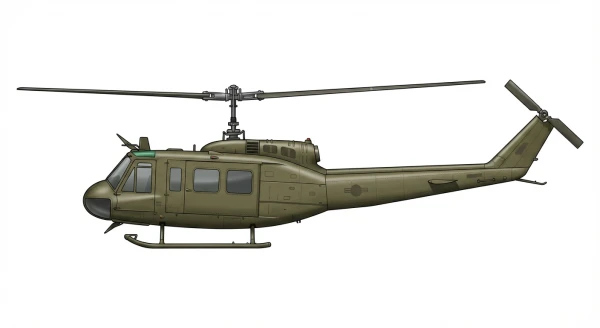 |
🇺🇸 | 1959 | 81 | 0 |
0 |
|
| Helicopter |
S-92 | 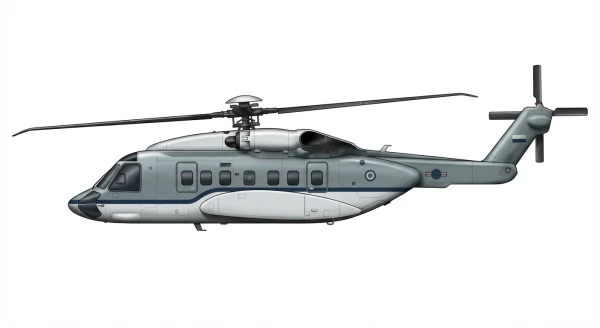 |
🇺🇸 | 2004 | 26 | +1 |
0 |
|
| Helicopter |
AW101 | 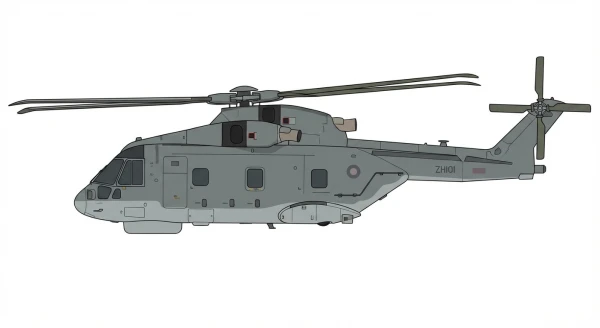 |
🇬🇧 🇮🇹 | 1999 | 13 | 0 |
3 |
|
| Helicopter |
Bell 206 | 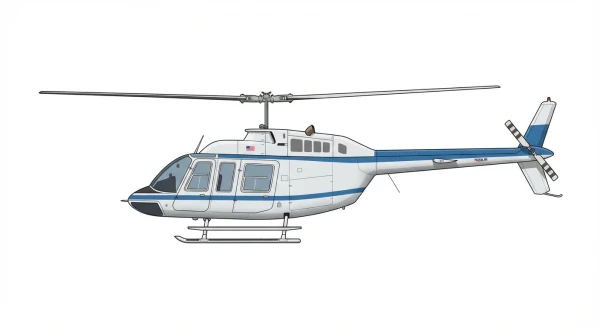 |
🇺🇸 | 1967 | 13 | 0 |
0 |
|
| Helicopter |
CH-47F | 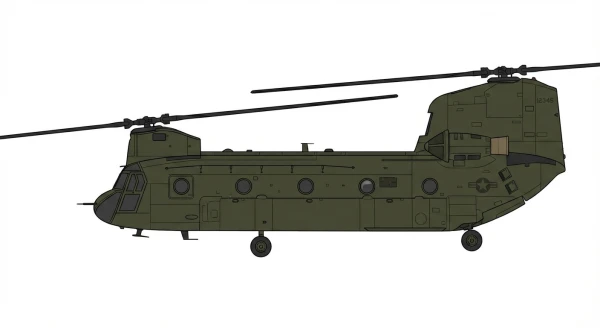 |
🇺🇸 | 1962 | 13 | 0 |
0 |
|
| Helicopter |
H135 | 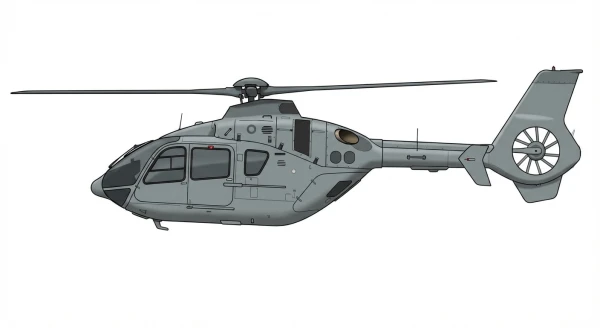 |
🇫🇷 | 1996 | 0 | 0 |
19 |
|
| Transport |
C-130J | 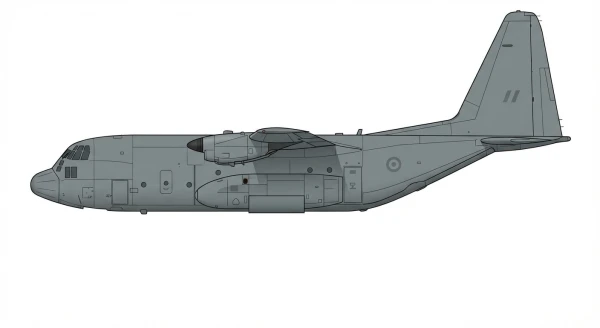 |
🇺🇸 | 1956 | 17 | 0 |
0 |
|
| Transport |
C295 | 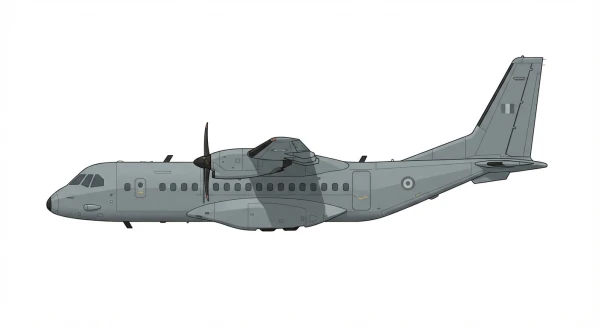 |
🇪🇸 🇮🇩 | 2001 | 10 | +2 |
6 |
|
| Transport |
C-130H | |
🇺🇸 | 1956 | 8 | 0 |
0 |
|
| Transport |
C-17 | 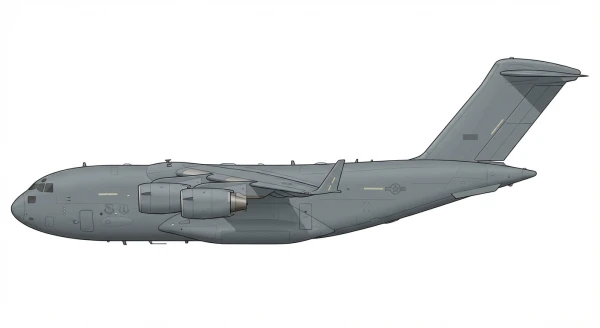 |
🇺🇸 | 1993 | 5 | 0 |
0 |
|
| Transport |
DHC-6 | 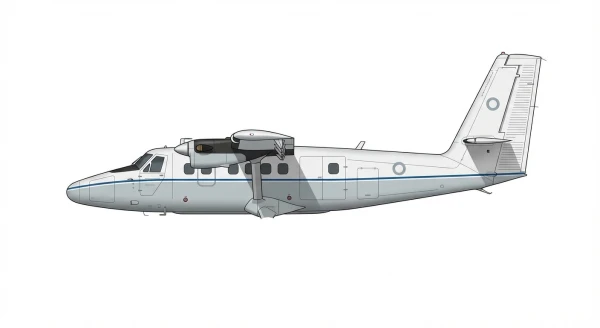 |
🇨🇦 | 1966 | 4 | 0 |
0 |
|
| Transport |
A330 | 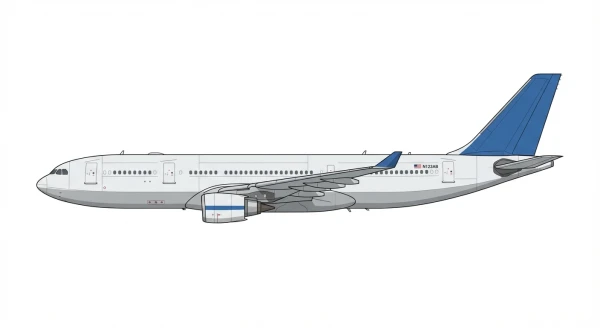 |
🇪🇺 | 1994 | 2 | +1 |
0 |
|
| Transport |
P-8A Poseidon | 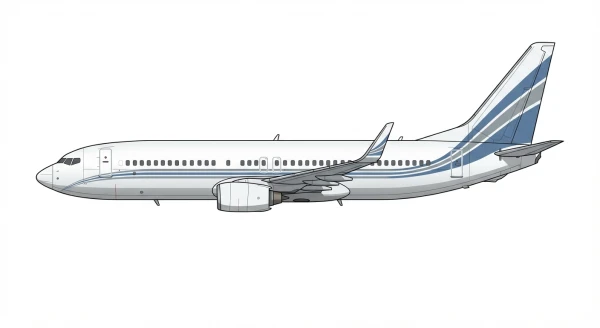 |
🇺🇸 | 1968 | 0 | 0 |
16 |
|
| Transport |
A330 MRTT | 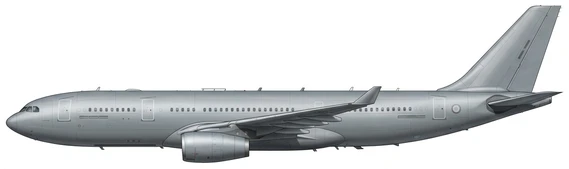 |
🇫🇷 | 2011 | 0 | 0 |
7 |
|
| Training |
T-6A | 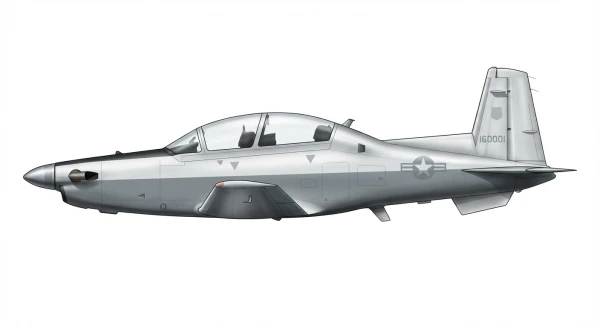 |
🇺🇸 | 2001 | 22 | 0 |
0 |
|
| Training |
G120A | 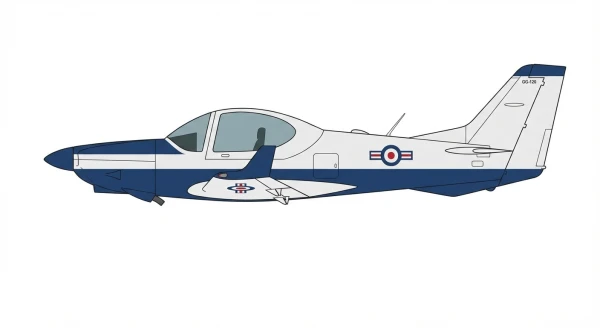 |
🇩🇪 | 1999 | 14 | 0 |
0 |
|
| Training |
Dash 8/-400 | 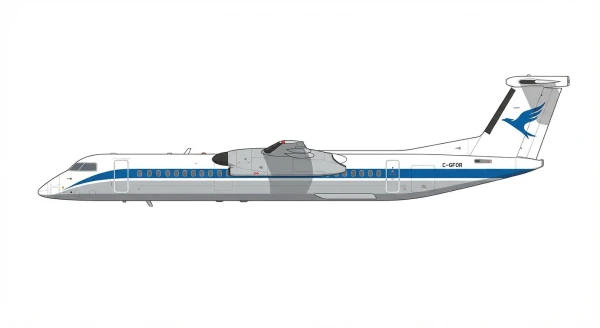 |
🇨🇦 | 1984 | 4 | 0 |
3 |
|
| Training |
G120TP | |
🇩🇪 | 1999 | 0 | 0 |
23 |
|
| Training |
PC-21 | 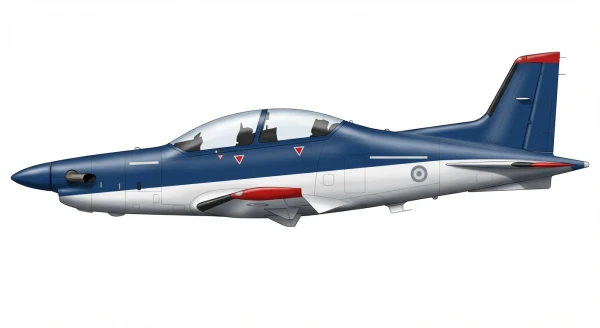 |
🇨🇭 | 2008 | 0 | 0 |
19 |
|
| Special |
P-3 (CP-140) | 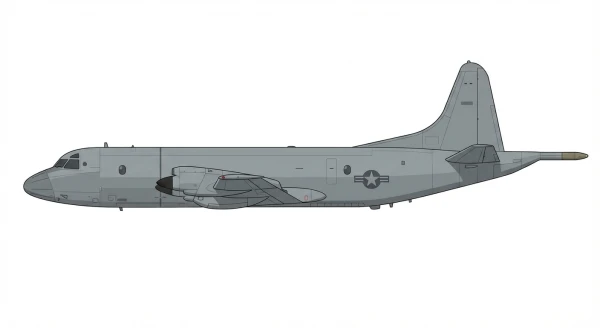 |
🇺🇸 | 1962 | 14 | 0 |
0 |
|
| Special |
King Air 90/260 | 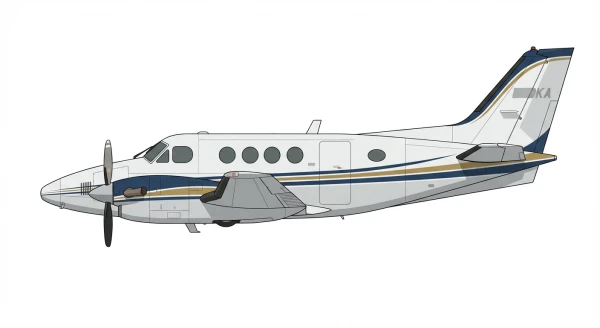 |
🇺🇸 | 1964 | 7 | 0 |
7 |
|
| Special |
KC-130H | 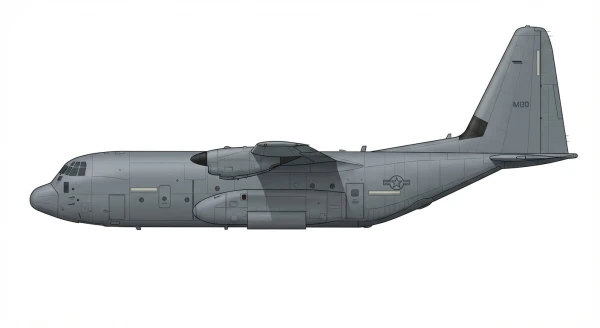 |
🇺🇸 | 1962 | 4 | 0 |
0 |
|
| Special |
A310 | 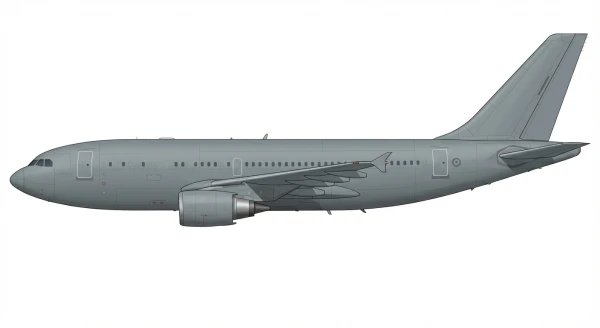 |
🇪🇺 | 2004 | 3 | 0 |
0 |
|
| Special |
King Air 350 | |
🇺🇸 | 1964 | 3 | 0 |
0 |
Frequently Asked Questions
How many aircraft does Canada have?
How does Canada's air force rank globally?
How many combat aircraft does Canada operate?
How many military helicopters does Canada have?
What is the Air Force Index of Canada?
Where does Canada get its military aircraft from?
Last updated on 1 January 2026. Suggest a change