B-1B Lancer Reaches 40 Years in Service as US Air Force Plans to Keep It Flying Through 2037
The B-1B Lancer achieved initial operational capability on 1 October 1986; four decades later, 45 of the 100 bombers built remain in US Air Force service at Ellsworth and Dyess, and modernization funding is now planned to keep the type relevant through 2037.
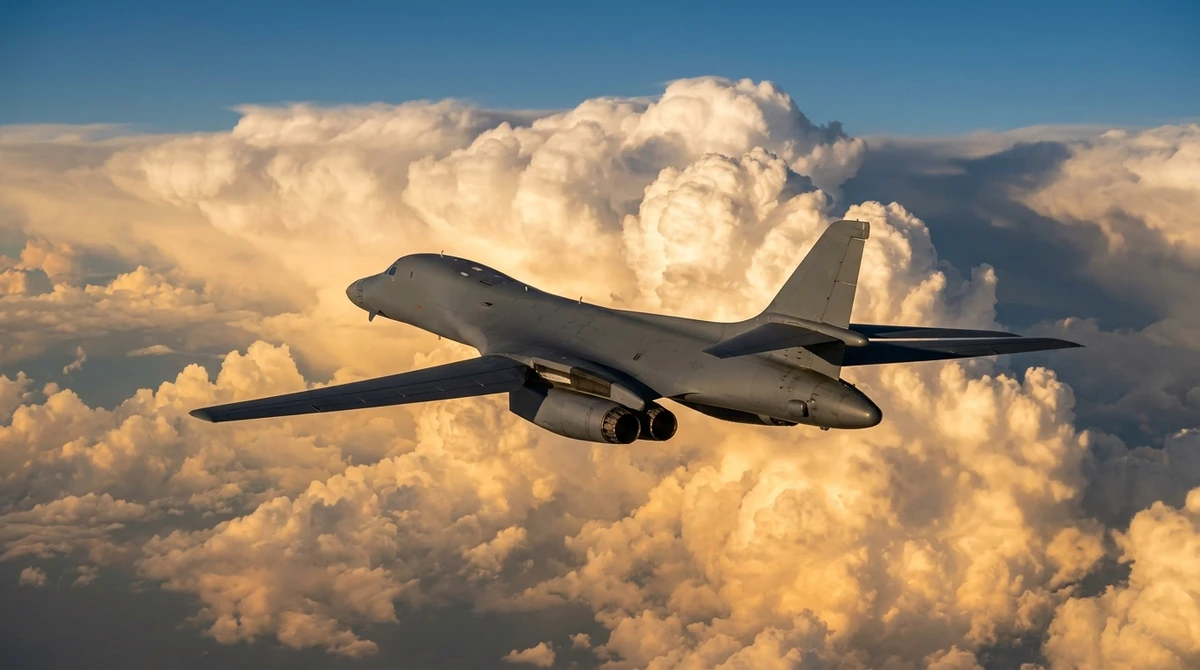
The US Air Force's B-1B Lancer completed 40 years of operational service on 1 October 2026, four decades after the bomber achieved initial operational capability on 1 October 1986. Of the 100 B-1Bs built, 45 remain in service, according to GlobalMilitary.net inventory data compiled from open-source estimates, and the service now plans to fund the aircraft into the next decade rather than retire it in the early 2030s as had been targeted, Air & Space Forces Magazine reported in April.
The aircraft traces its origins to the B-1A, developed in the 1970s as a replacement for the B-52. Four prototypes of the Mach 2.2 strategic bomber were tested in the mid-1970s, but the program was canceled in 1977 before production began, although flight testing continued through 1981, according to the US Air Force fact sheet. The Reagan administration revived the design in 1981 as the B-1B. Added structure increased payload by 74,000 pounds, the radar was improved and the radar cross section was reduced by an order of magnitude; modified inlets cut the maximum speed to Mach 1.2.
The first production B-1 flew in October 1984, and the first B-1B was delivered to Dyess Air Force Base, Texas, in June 1985. Initial operational capability followed on 1 October 1986, and the final B-1B was delivered on 2 May 1988. The bomber was designed as a strategic nuclear aircraft flying at low altitude to avoid Soviet early-warning radars. After the Cold War it was adapted to carry conventional munitions, and the fact sheet states that it now carries the largest payload of guided and unguided weapons in the Air Force inventory, flown by a crew of four, and holds almost 50 world records for speed, payload, range and time of climb in its class. The B-1B can carry conventional weapons but not nuclear arms, Air Force Times noted in 2021.
The type's first combat use came in Operation Desert Fox against Iraq in December 1998. In Operation Allied Force in 1999, six B-1s delivered more than 20 percent of the total ordnance while flying less than 2 percent of the combat sorties, according to the fact sheet. In the first six months of Operation Enduring Freedom, eight B-1s dropped nearly 40 percent of the total tonnage delivered by coalition air forces, and in Operation Iraqi Freedom the bomber flew less than 1 percent of combat missions while delivering 43 percent of the JDAMs used.
The fleet has since contracted. In September 2021 the Air Force finished retiring 17 B-1Bs, the last of them flying to the boneyard at Davis-Monthan Air Force Base, Arizona, Air Force Times reported at the time, leaving 45 of the original 100 in use at Ellsworth Air Force Base, South Dakota, and at Dyess.
Those 45 aircraft sit within a USAF bomber force that GMN data puts at 76 B-52H, 45 B-1B, 20 B-2 and 3 B-21 test aircraft, with 97 more B-21s on order. How the Lancer compares with the older B-52 it was built to replace is set out in GMN's head-to-head comparison, and its place among the world's bomber fleets is tracked in the site's bomber ranking.
The Air Force plans $342 million for B-1 modernization from 2027 to 2031, funding the budget said ensures the bomber's relevance "through 2037", according to Air & Space Forces Magazine. On 16 September the commander of Air Force Global Strike Command said the B-1 and B-2 will be extended, Defense News reported, with the B-21 Raider on track for delivery to Ellsworth in 2027 and the service aiming to replace both older types with at least 100 B-21s. GMN covered the service-life extension when it was announced in September.
More News
All news →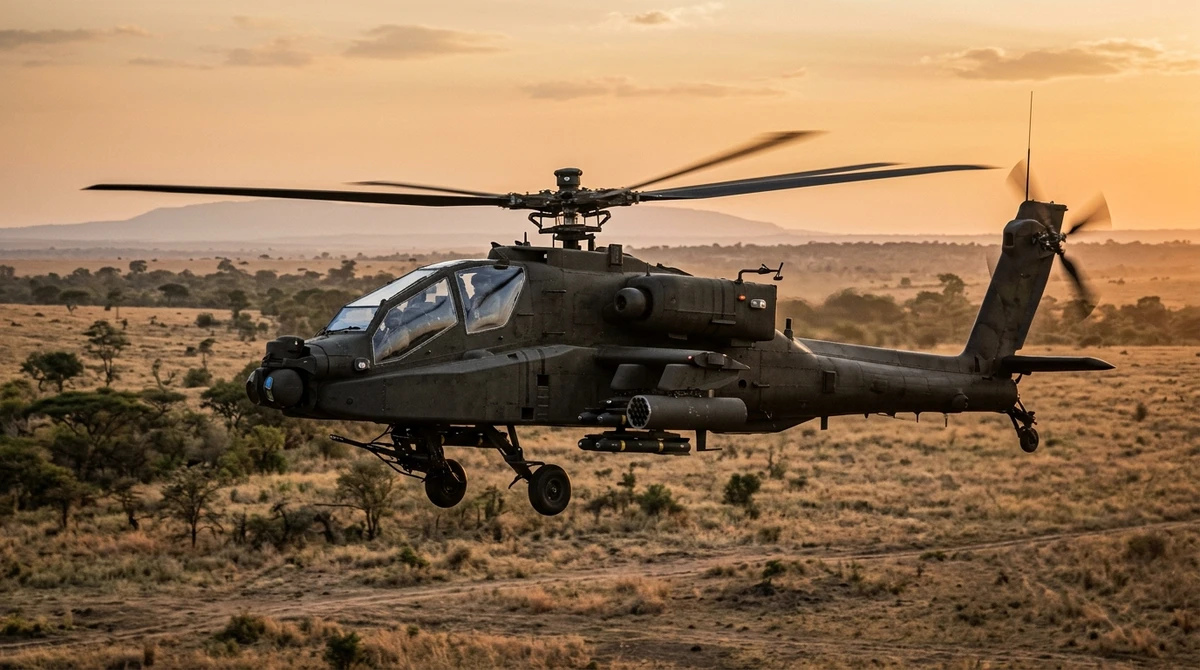
Australia Retires Its Tigers, Leaving Three Operators Among the World's 3,623 Attack Helicopters
The Australian Army has retired its Tiger attack helicopters, marking the fleet's sundown in Darwin on 30 September and leaving France, Germany and Spain as the only users; GlobalMilitary.net data counts 3,623 active attack helicopters in 81 countries.
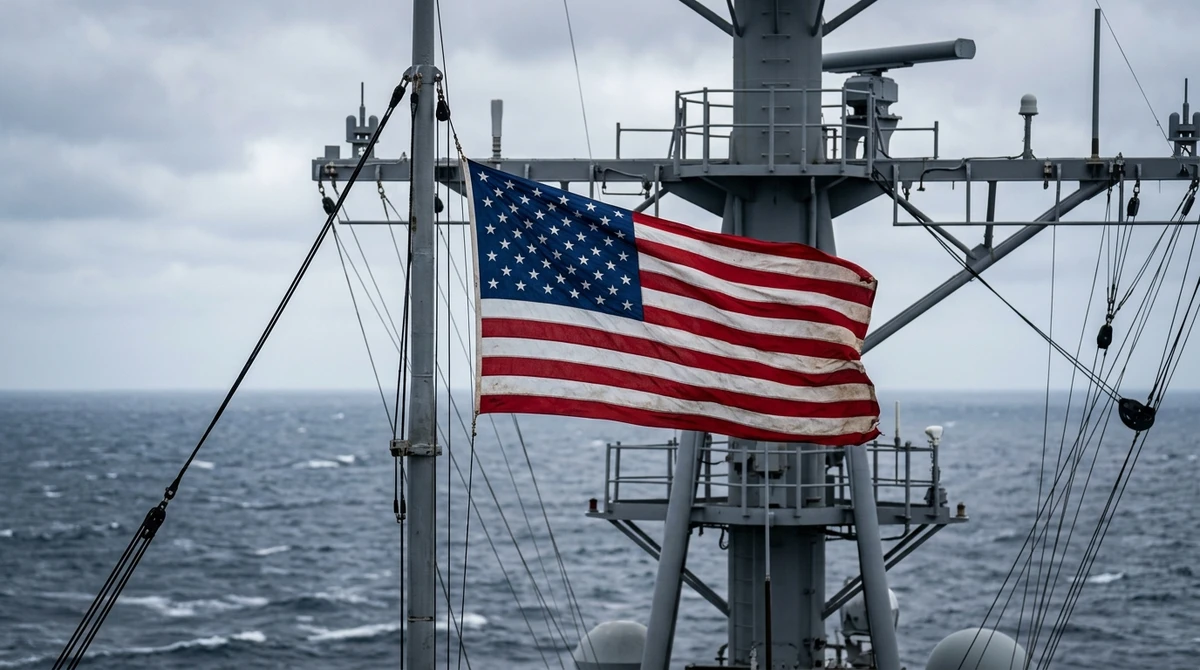
US Navy Awards Raytheon Up to $24.4 Billion Multiyear Contract for SM-6 Missiles
The US Navy on Oct. 1, 2026 awarded RTX's Raytheon unit a multiyear contract worth up to $24.4 billion for Standard Missile-6 interceptors, a five-year deal with two option years whose quantities remain undisclosed and whose funding Congress has yet to appropriate.
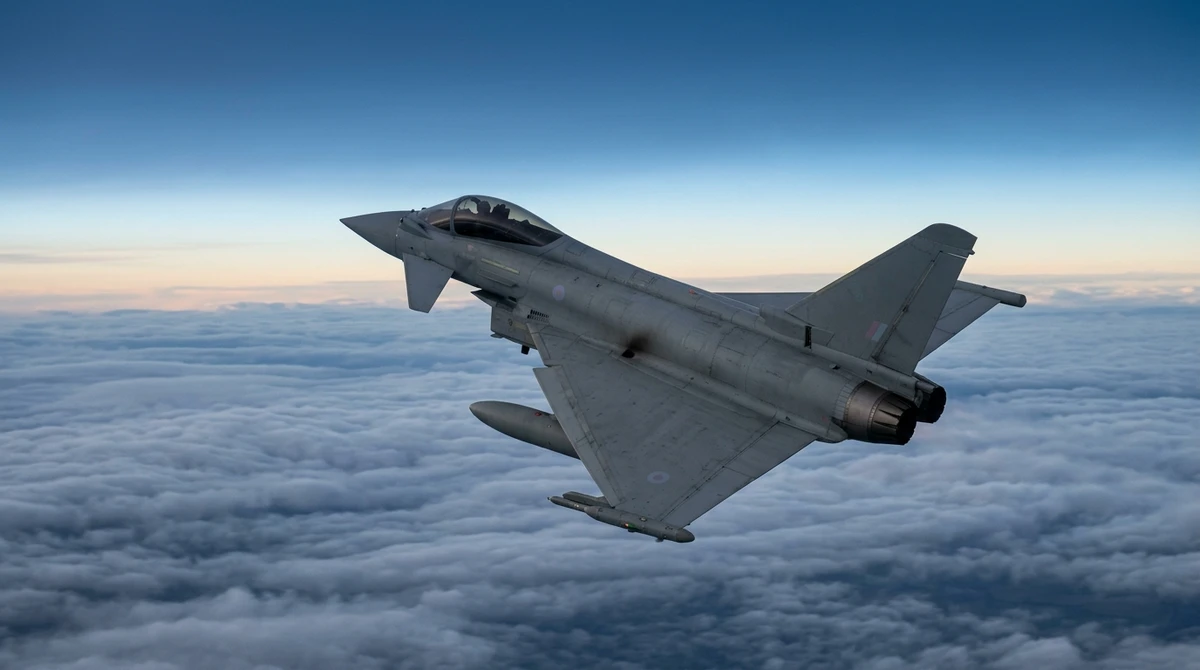
Ramjet vs Rocket: How the Meteor Keeps Thrusting to the Target While the AMRAAM Coasts
The Pentagon's AMRAAM contract of up to $20.7 billion, announced on September 28, 2026, expands output of a missile whose rocket burns early and then coasts; Europe's Meteor uses a throttleable ramjet that MBDA says thrusts until intercept.
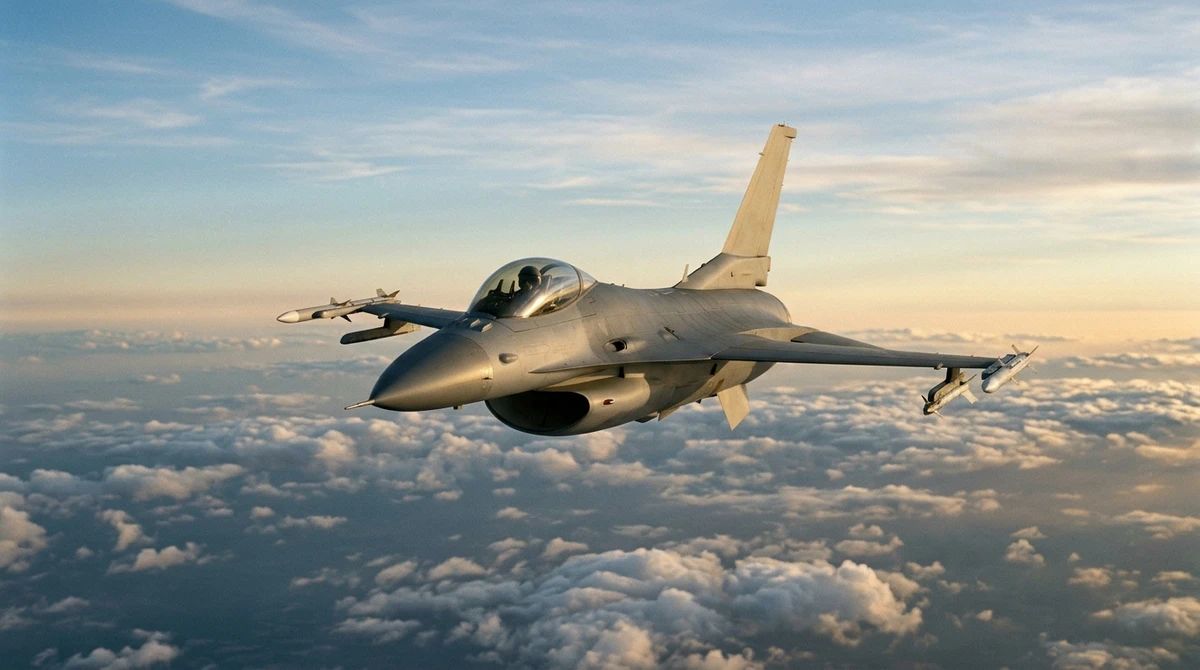
Pentagon Awards Raytheon Up to $20.7 Billion to Nearly Double AMRAAM Production
The Pentagon on 28 September announced a five-year AIM-120 AMRAAM production contract with RTX's Raytheon business worth up to $20.7 billion, an undefinitized award that Reuters described as provisional because Congress has not yet funded the full deal.
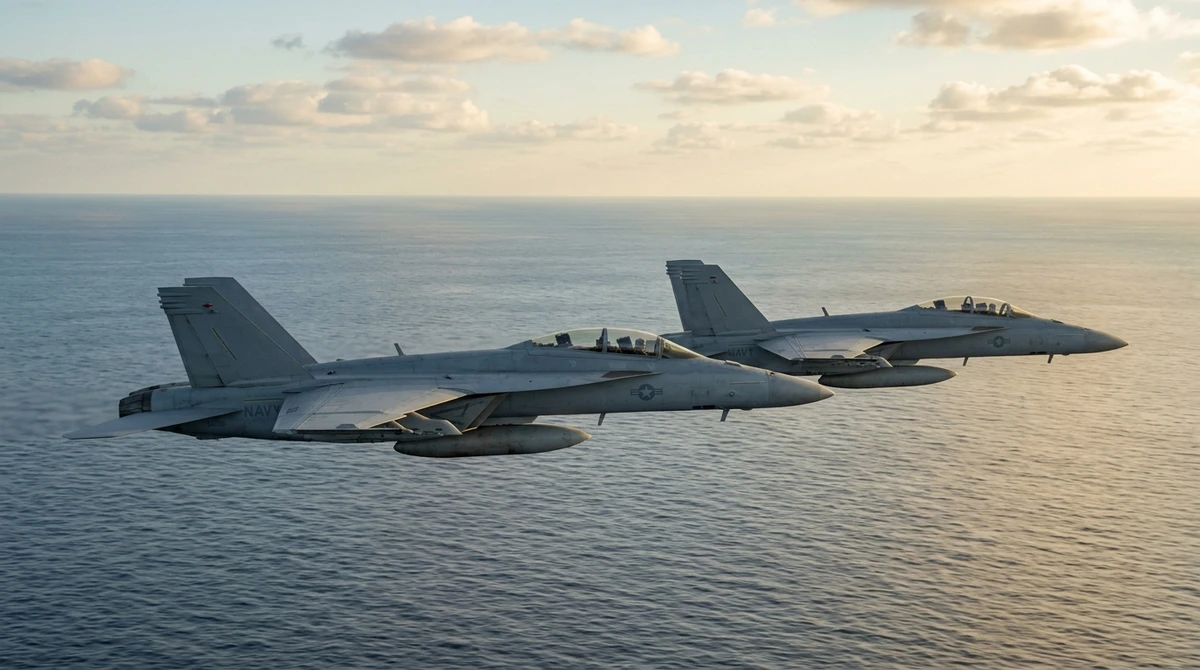
Boeing Wins US Navy's F/A-XX Sixth-Generation Fighter, Successor to 700 Super Hornets and Growlers
The Pentagon announced on September 29, 2026 that Boeing will build the F/A-XX, the US Navy's sixth-generation carrier-based fighter, under a full-scale development contract worth more than $20 billion to replace the F/A-18E/F Super Hornet and EA-18G Growler from the 2030s.

Russia Plans $202 Billion Defense Budget for 2027, Highest Since War Began, Budget Documents Show
Russia plans to spend 17.1 trillion roubles ($202.6 billion) on national defense in 2027, around 27% more than originally budgeted and the highest figure since the invasion of Ukraine in 2022, according to government budget documents seen by Reuters on September 28.