US Air Force to Extend B-1 and B-2 Service Lives With Only Three B-21s in the Fleet
Air Force Global Strike Command said on 17 September 2026 that the B-1 Lancer and B-2 Spirit will fly beyond their planned retirements, keeping a US bomber force built on 1955, 1986 and 1993 designs in service while the B-21 Raider arrives at three aircraft.
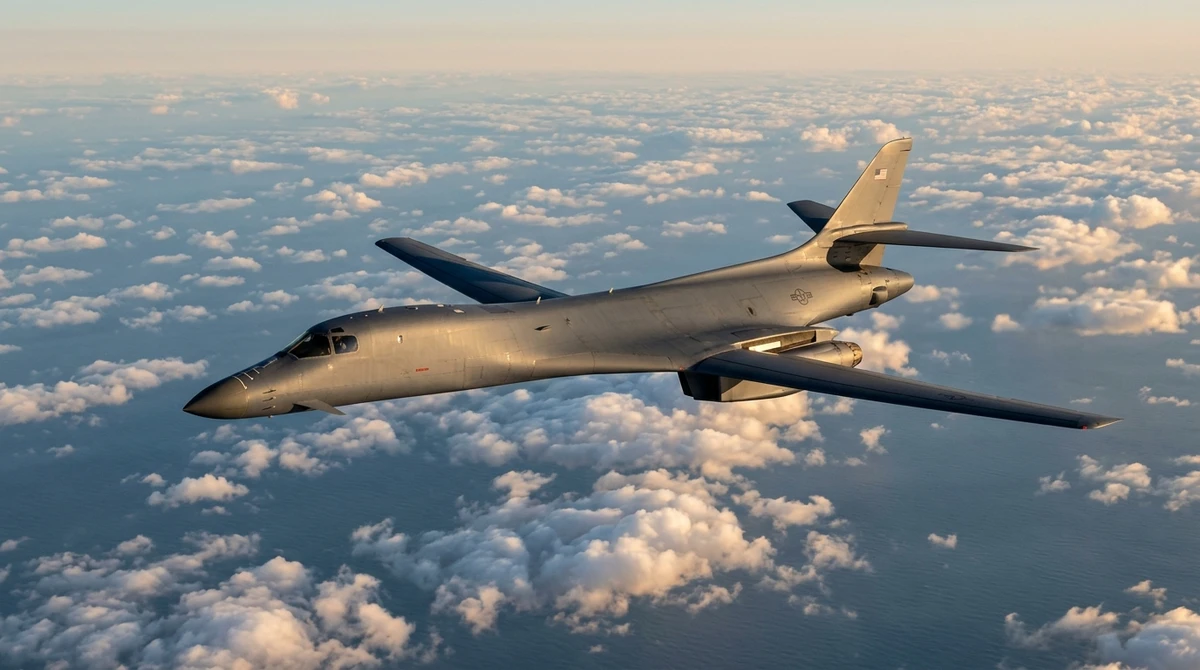
The commander of Air Force Global Strike Command said on 17 September 2026 that the B-1 Lancer and the B-2 Spirit will have their service lives extended, and that their crews will be among the first to fly the B-21 Raider. Speaking on a panel titled "Flying and Fixing to Fight and Win" at the Air & Space Forces Association's Air, Space & Cyber Conference, he did not say by how long. Both types are currently slated for retirement within the next decade.
The service intends to modernize and invest in both types "in the coming years", the commander said. On readiness, he added that the command is "bringing in a HondaJet to actually help experience some pilots, and also as some of these airframes have issues with readiness, it gives those pilots a chance to fly and get them time in the seat, which we know is very important."
The command's North Star Readiness Campaign is accelerating parts delivery, engineering support and depot maintenance for the B-52 Stratofortress and the B-1.
Part of the plan is already on the record. In April 2026, Air & Space Forces Magazine reported an intention to fly the B-1 through 2037, with $342 million set aside for B-1 modernization across fiscal years 2027 to 2031 and $1.35 billion for the B-2 over the same period. Global Strike Command said at the time that the B-2 "will remain a critical long-range strike option for the President and will be maintained as a viable capability."
The extensions keep in service a fleet built almost entirely on designs of the last century. According to GlobalMilitary.net's 2026 inventory, the United States Air Force bomber fleet counts 143 active aircraft: 76 B-52H, 45 B-1B, 19 B-2 and 3 B-21, with 97 more Raiders on order. The B-52 entered service in 1955, the B-1B in 1986 and the B-2 in 1993; the B-21 first flew on 10 November 2023. That leaves 140 of the 143 aircraft on three types introduced between 1955 and 1993.
The three legacy types are also the remnants of much larger production runs: 744 B-52s were built, 104 B-1Bs and 21 B-2s. With 19 Spirits active, the availability of each individual airframe weighs on the force as a whole, which is the context for the commander's remarks on readiness and on keeping pilots current.
Only four air forces field bombers at all, according to the same inventory:
- China, with 234 aircraft, all variants of the H-6;
- the United States, with 143;
- Russia, with 120: 56 Tu-22M, 47 Tu-95 and 17 Tu-160, plus 50 Tu-160 on order;
- North Korea, with 80 H-5, an Il-28 derivative and a light tactical bomber rather than a strategic type.
The B-21 program calls for at least 100 aircraft. The first operational Raider is due at Ellsworth Air Force Base, South Dakota, in 2027. Until the type arrives in numbers, the B-52, B-1 and B-2 remain the whole of the force, and the commander's statement that Lancer and Spirit crews will be among the first to convert ties the two extended fleets directly to the transition that will eventually replace them.
More News
All news →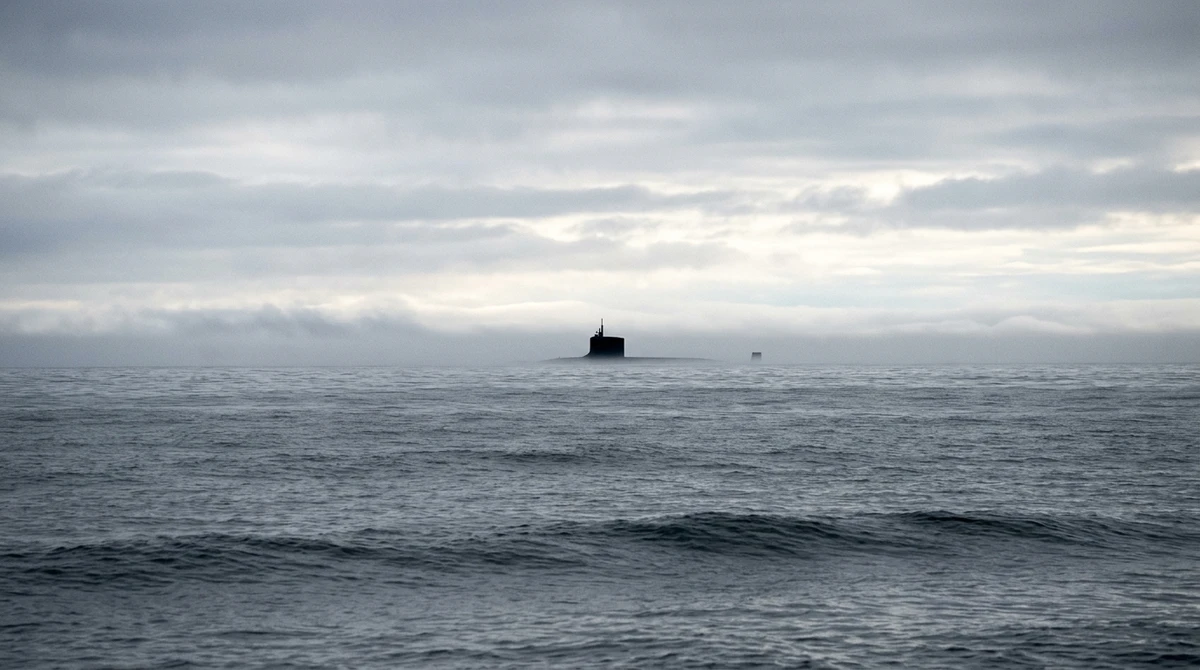
Japan Will Not Rule Out Nuclear-Powered Submarines as Six Navies Field 140 Between Them
Japan's defense minister said on 11 September 2026 that nuclear-powered submarines "will not be ruled out" in the year-end revision of the country's security documents, an option that would put the JMSDF alongside the six navies operating 140 nuclear boats today.
Saudi Arabia Cleared to Buy 48 F-35 Fighters in $24.3 Billion State Department Approval
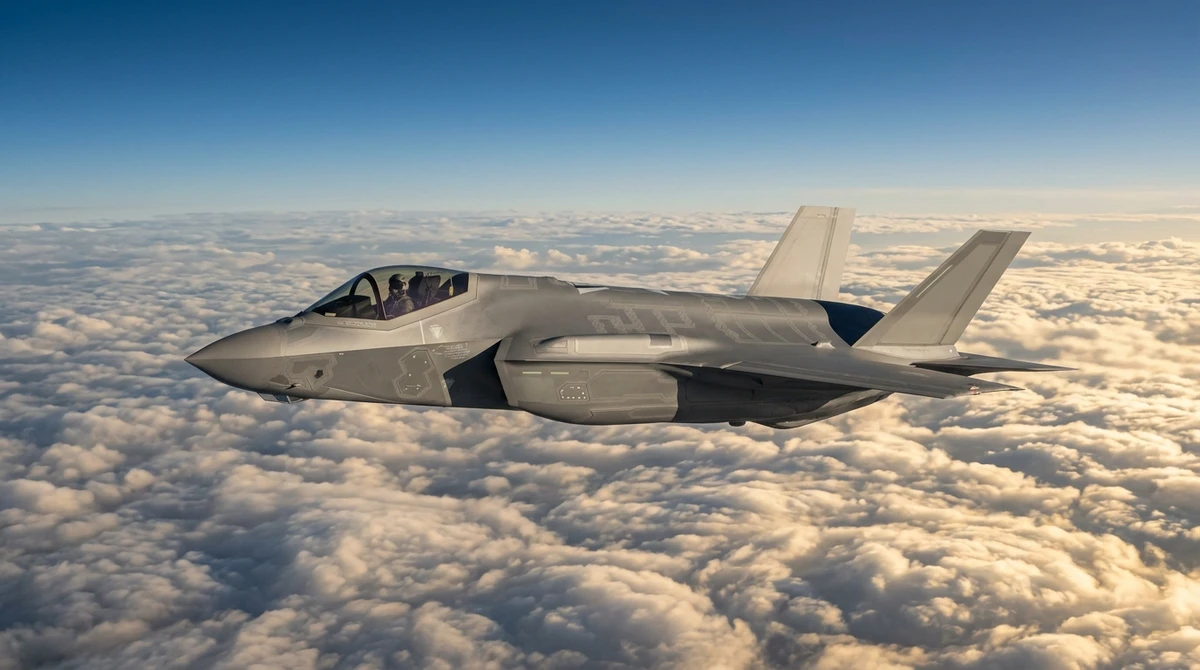
The U.S. State Department on 17 September 2026 approved a possible Foreign Military Sale of 48 F-35 Lightning II fighters and 49 F135 engines to Saudi Arabia, a package estimated at $24.3 billion that now goes to Congress for review.

Only Four Air Forces Fly High-Altitude Surveillance Drones, and Japan Has Just Lost One of Its Three
A Japan Air Self-Defense Force RQ-4B Global Hawk went down over international waters north of Tottori prefecture on 15 September 2026, the first loss of a Japanese Global Hawk and one of only 39 high-altitude surveillance drones GlobalMilitary.net records in service worldwide.

UK Confirms 2027 Steel Cut for First SSN-AUKUS Submarine and £15 Billion Warhead Investment
The UK government's Defence Nuclear Enterprise annual update, published September 15, 2026, says steel will be cut on the first SSN-AUKUS attack submarine in 2027 and confirms £15bn for the warhead program and £6bn for submarine infrastructure at Barrow-in-Furness and Raynesway.
Pentagon Report Puts Iran War Aircraft Losses at Up to 30 Reapers, Four F-15Es and One A-10
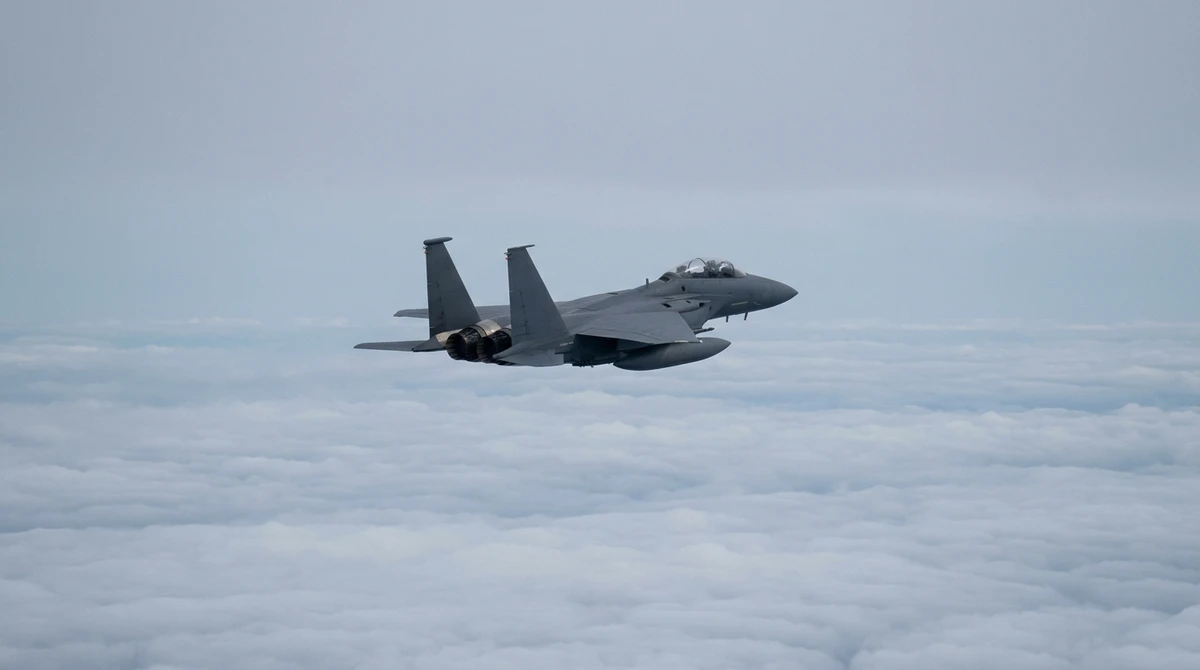
A Department of Defense inspector general report on Operation Epic Fury, made public September 15, lists four F-15Es, one A-10, six helicopters, an MQ-4C and as many as 30 MQ-9 Reapers destroyed between February 28 and June 30, 2026, in an operation costed at $33.4 billion.
US Air Force Names Its First Two Collaborative Combat Aircraft Vengeance and Fury
The Secretary of the Air Force announced on 14 September 2026 that General Atomics' FQ-42 is named Vengeance and Anduril Industries' FQ-44 is named Fury, as both uncrewed aircraft move into production toward a target of at least 500 in service by 2032.