India Opens $12B Tenders for 60 Transport Aircraft and 150 Advanced Jet Trainers
India's Ministry of Defence issued a request for proposals on 12 August 2026 for 60 medium transport aircraft to replace the Indian Air Force's An-32 fleet, and a parallel request for information for 150 advanced jet trainers to succeed the Hawk Mk 132.
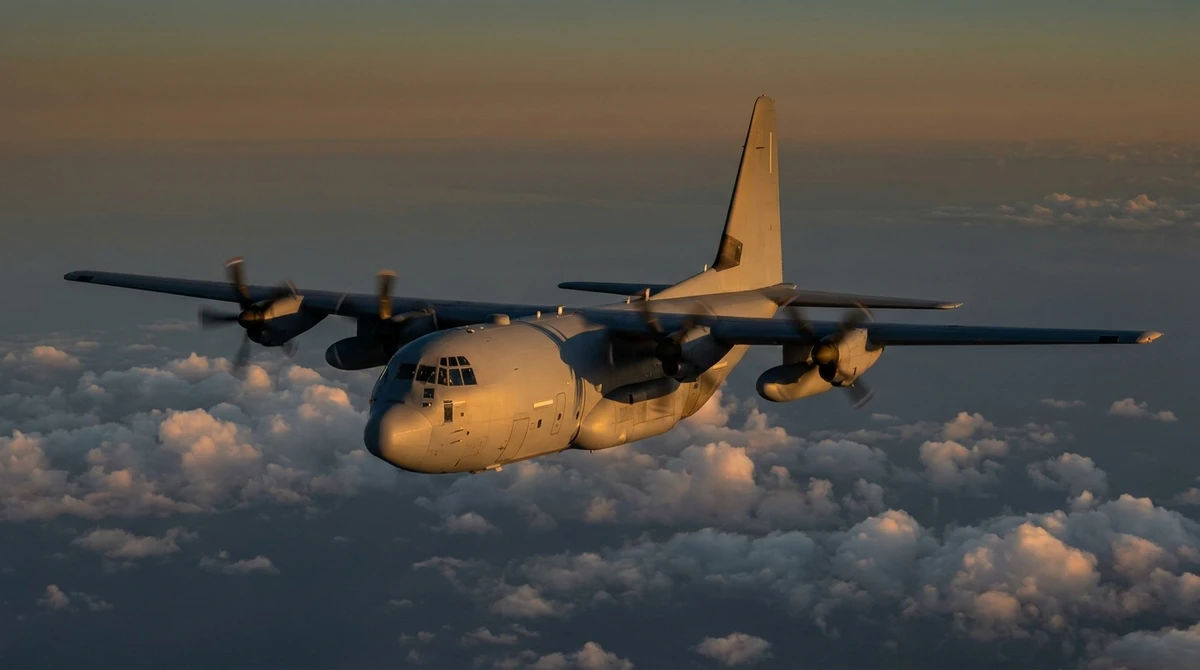
India's Ministry of Defence has opened two aircraft competitions within days of each other, together worth an estimated $12 billion: a request for proposals issued on 12 August 2026 for 60 medium transport aircraft, and a request for information for 150 advanced jet trainers. Both are structured to be built in India.
The transport requirement, valued at roughly $10.5 billion, covers aircraft in the 18 to 30 tonne payload class. It is open only to Indian companies, which must form joint ventures with a foreign manufacturer; the first 12 aircraft would be delivered fully assembled and the remainder produced domestically at around 60 percent local content. A contract is expected within 12 to 16 months and deliveries within 60 months of signature. Mahindra Defence is expected to bid Embraer's C-390 Millennium and Tata Advanced Systems the Lockheed Martin C-130J Super Hercules, while Hindustan Aeronautics has been examining a revival of the Russian Il-214 project.
The aircraft they would replace is the An-32. The Indian Air Force still operates 103 of the Soviet-designed twin-turboprops, by far its most numerous transport type, ahead of 20 Il-76s, 12 C-130Js and 11 C-17 Globemaster IIIs. The type entered Indian service in the mid-1980s.
The trainer competition, worth about $1.8 billion, targets the Stage-III phase of fighter pilot training. The 150 aircraft would replace the Hawk Mk 132, of which India operates 102 in the air force and 17 more in the Indian Navy, and which entered service in February 2008. The requirement specifies fly-by-wire flight controls, a glass cockpit with configurable hands-on-throttle-and-stick controls, integration of India's NavIC satellite navigation system, zero-zero ejection seats and automatic recovery from uncontrolled flight.
Responses to the request for information are due by 5 October, with a request for proposals not expected before December 2027 and first deliveries unlikely before the middle of the next decade. Hindustan Aeronautics is offering its HLFT-42 design; foreign candidates include Leonardo's M-346 Master, Korea Aerospace Industries' T-50 Golden Eagle and the Boeing-Saab T-7 Red Hawk. As with the transports, foreign bidders must show how manufacturing and technology work would move to India.
The training pipeline matters because of what sits at the end of it. India fields 2,217 military aircraft across its three services, including Su-30MKI, Rafale and domestically built Tejas fighters, and ranks fourth among the strongest militaries in the world. Delays in replacing intermediate trainers have previously been blamed for accident rates during the transition to supersonic types. Neither program will deliver aircraft this decade.
More News
All news →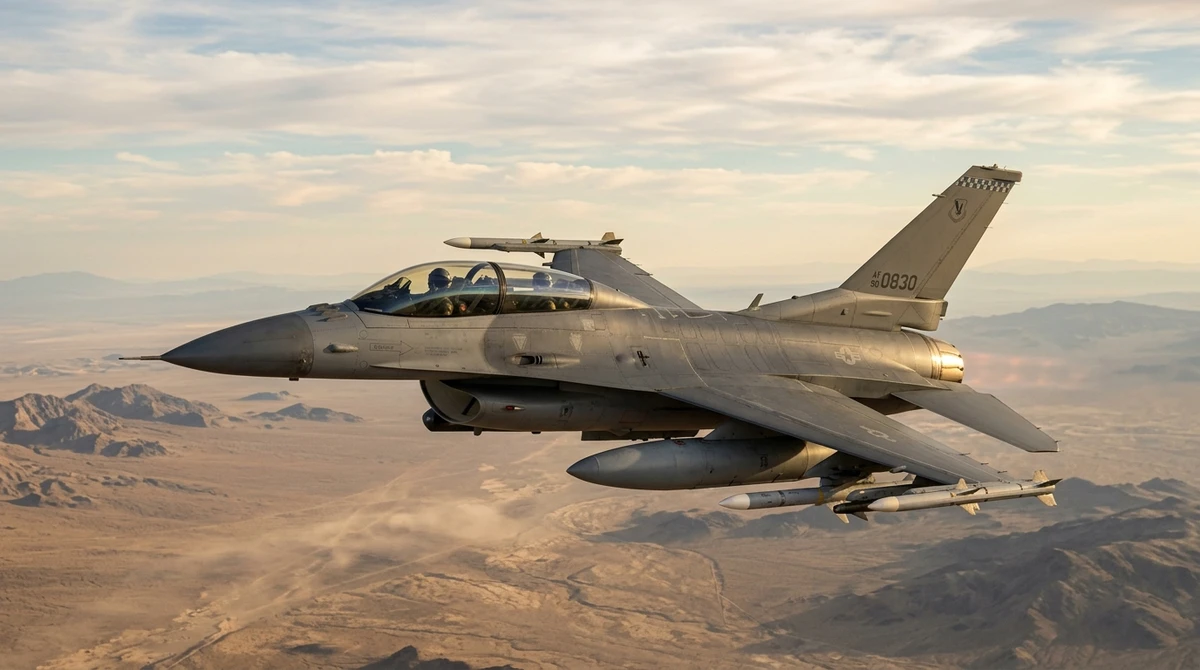
Morocco's First F-16 Block 72 Makes Maiden Flight, the First Pratt & Whitney-Powered Viper to Fly
Lockheed Martin said on October 6 that the Royal Moroccan Air Force's first F-16 Block 72, a two-seat F-16D, had flown from its Greenville, South Carolina, plant, the first flight of the Pratt & Whitney-engined version of the latest-generation Fighting Falcon.

Spain Selects Airbus A321 as Platform for Three SIGINT Aircraft in €436M Program
Spain has chosen the Airbus A321 as the platform for three signals-intelligence aircraft for the Spanish Air and Space Force, restoring a dedicated airborne SIGINT capability the country has lacked since its Boeing 707 was retired in 2014.
Bréguet Alizé Turns 70: French Carrier Submarine Hunter Served From 1959 to 2000
The prototype of the Bréguet Br.1050 Alizé, the French Navy's carrier-based anti-submarine turboprop, first flew from Toulouse-Blagnac on 6 October 1956; 89 were built, and the type served France until September 2000 and India until 1991.

Northrop Grumman's YFQ-48A Talon Blue Completes First Fully Autonomous Flight at Mojave
Northrop Grumman said on October 3, 2026 that its company-funded YFQ-48A Talon Blue had taxied, taken off, maneuvered and landed without pilot input at Mojave, California, as the US Air Force prepares to select designs for Increment 2 of its Collaborative Combat Aircraft program.
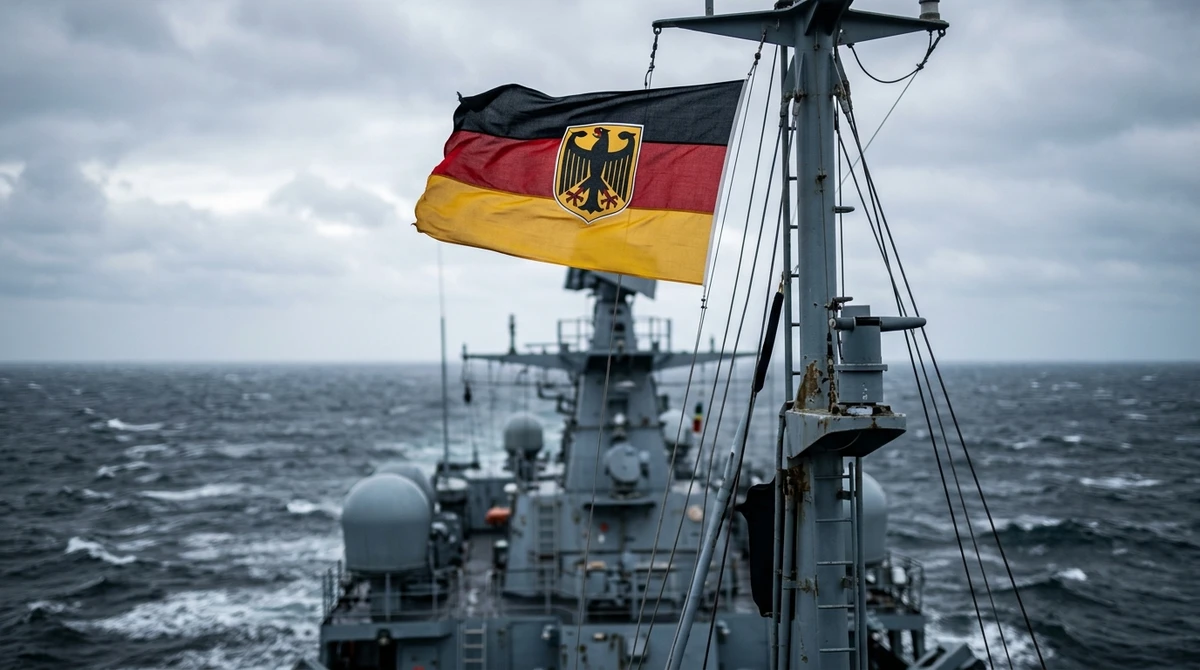
Germany Contracts Diehl to Arm Its Four F125 Frigates With IRIS-T SLM Air Defense Missiles
Diehl Defence and Germany's BAAINBw procurement office signed a contract on October 2, 2026 to adapt the IRIS-T SLM surface-to-air missile system for the German Navy's four Baden-Württemberg-class frigates, which were completed without a medium-range air defense missile.
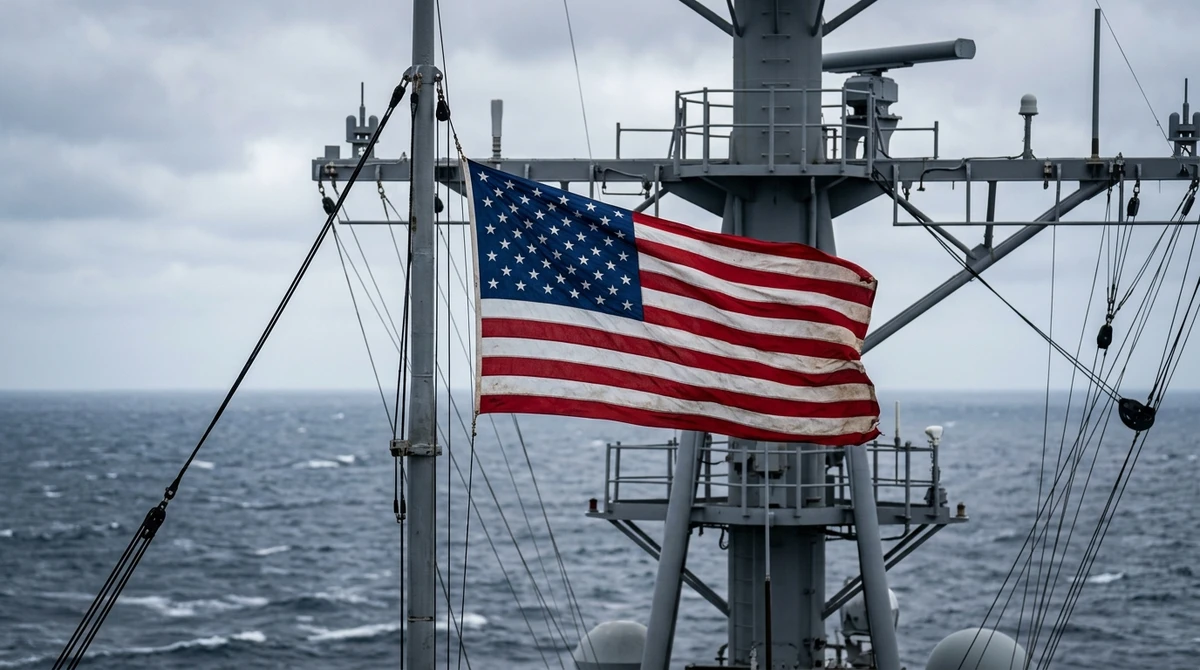
US Navy Awards Raytheon Up to $24.4 Billion Multiyear Contract for SM-6 Missiles
The US Navy on Oct. 1, 2026 awarded RTX's Raytheon unit a multiyear contract worth up to $24.4 billion for Standard Missile-6 interceptors, a five-year deal with two option years whose quantities remain undisclosed and whose funding Congress has yet to appropriate.