Only Four Air Forces Fly High-Altitude Surveillance Drones, and Japan Has Just Lost One of Its Three
A Japan Air Self-Defense Force RQ-4B Global Hawk went down over international waters north of Tottori prefecture on 15 September 2026, the first loss of a Japanese Global Hawk and one of only 39 high-altitude surveillance drones GlobalMilitary.net records in service worldwide.

A Japan Air Self-Defense Force RQ-4B Global Hawk is presumed to have crashed over international waters north of Tottori prefecture on Tuesday, 15 September 2026, the first loss of a Japanese Global Hawk. It is a rare event in one of the smallest fleets in military aviation: only four countries operate high-altitude long-endurance surveillance drones of this class, and Japan flew three of them.
The aircraft took off from Misawa Air Base in northeastern Japan at 10:20 a.m. and was lost from radar at 12:58 p.m. the same day, roughly 30 miles (about 50 km) north of Tottori prefecture. Ships and aircraft found floating debris shortly afterwards, later confirmed as Global Hawk wreckage. The cause is under investigation.
An Air Self-Defense Force spokesman said the aircraft was not on a training mission but declined to give operational details. A Defense Ministry spokesman said the Self-Defense Forces are "maintaining the necessary operational posture to ensure that the execution of our missions is not impeded," and that surveillance missions continue.
All three Japanese RQ-4 Global Hawks are assigned to the Airborne Warning and Control Wing at Misawa and were delivered between March 2022 and June 2023. The three aircraft cost approximately $450 million combined.
The loss carries weight because of the size of the club. For the 2026 inventory year, GlobalMilitary.net records 39 high-altitude long-endurance airframes in service across four countries, counting two types: the Global Hawk and the MQ-4C Triton, its maritime derivative. The figure is a yearly snapshot of what the database records for those two types, not a live count, and it does not claim to cover every high-altitude surveillance aircraft in existence.
Within that total, the United States holds 29 airframes: the US Navy operates 20 MQ-4C Tritons with seven more on order, and the US Air Force nine RQ-4B Global Hawks. South Korea's air force flies four RQ-4 Global Hawks. The Royal Australian Air Force operates three MQ-4C Tritons with one more on order. Japan's three RQ-4Bs complete the list. The database still records the Japanese fleet at three; the loss takes it to two.
The medium-altitude class is far more widely held. GlobalMilitary.net records 177 MQ-9 Reapers in service across five countries, and the site's aircraft catalogue holds 161 UAV types in total. Against that backdrop, the 39 high-altitude airframes stand out for how few hands hold them: four operators, one of which accounts for 29 of the aircraft.
That concentration is why a single peacetime loss matters here in a way it would not for a medium-altitude type: for Japan, the aircraft was one of three, and its loss leaves two.
The cause remains under investigation, and neither the Air Self-Defense Force nor the ministry has given further operational details.
More News
All news →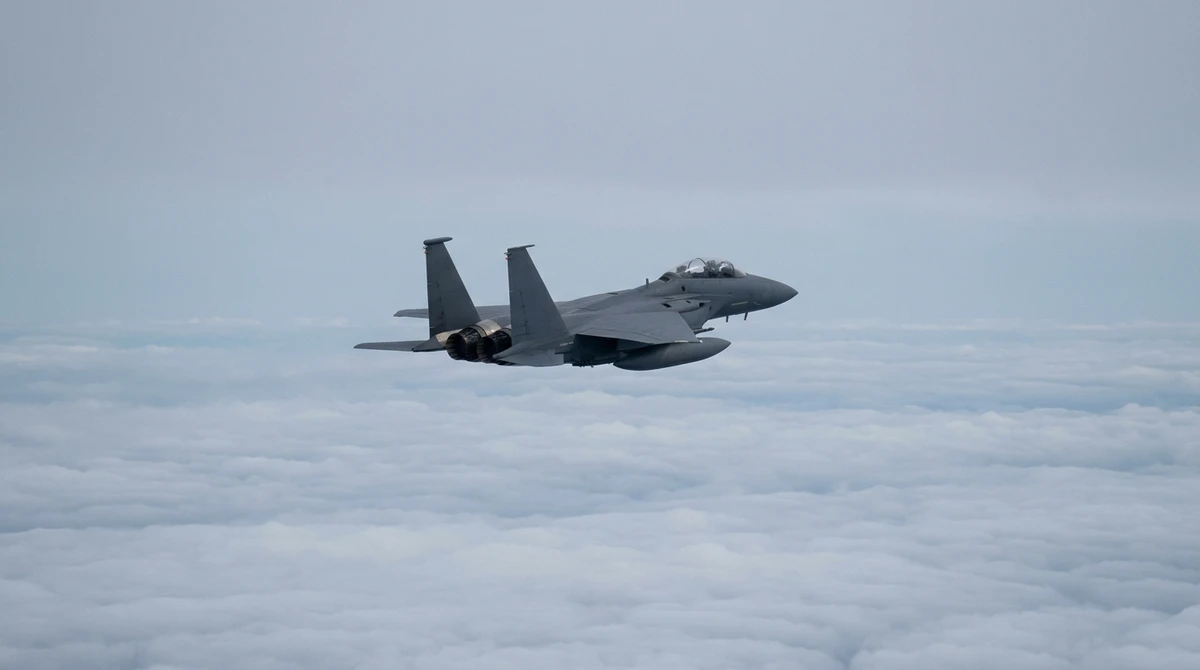
Pentagon Report Puts Iran War Aircraft Losses at Up to 30 Reapers, Four F-15Es and One A-10
A Department of Defense inspector general report on Operation Epic Fury, made public September 15, lists four F-15Es, one A-10, six helicopters, an MQ-4C and as many as 30 MQ-9 Reapers destroyed between February 28 and June 30, 2026, in an operation costed at $33.4 billion.
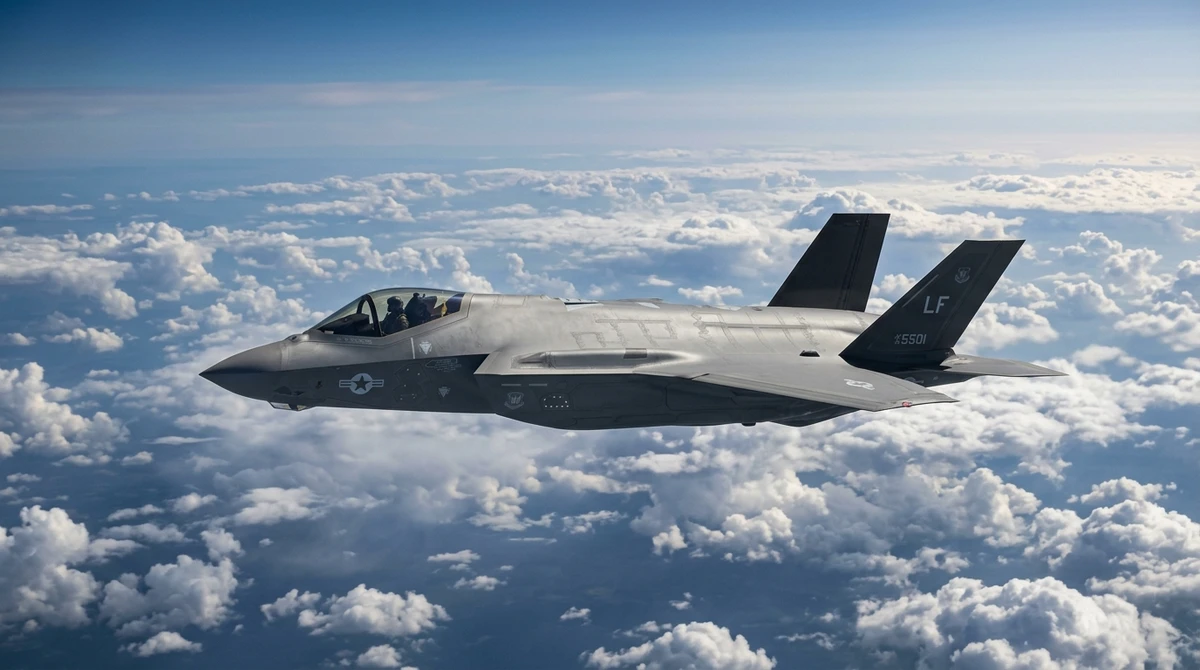
US Air Force Names Its First Two Collaborative Combat Aircraft Vengeance and Fury
The Secretary of the Air Force announced on 14 September 2026 that General Atomics' FQ-42 is named Vengeance and Anduril Industries' FQ-44 is named Fury, as both uncrewed aircraft move into production toward a target of at least 500 in service by 2032.
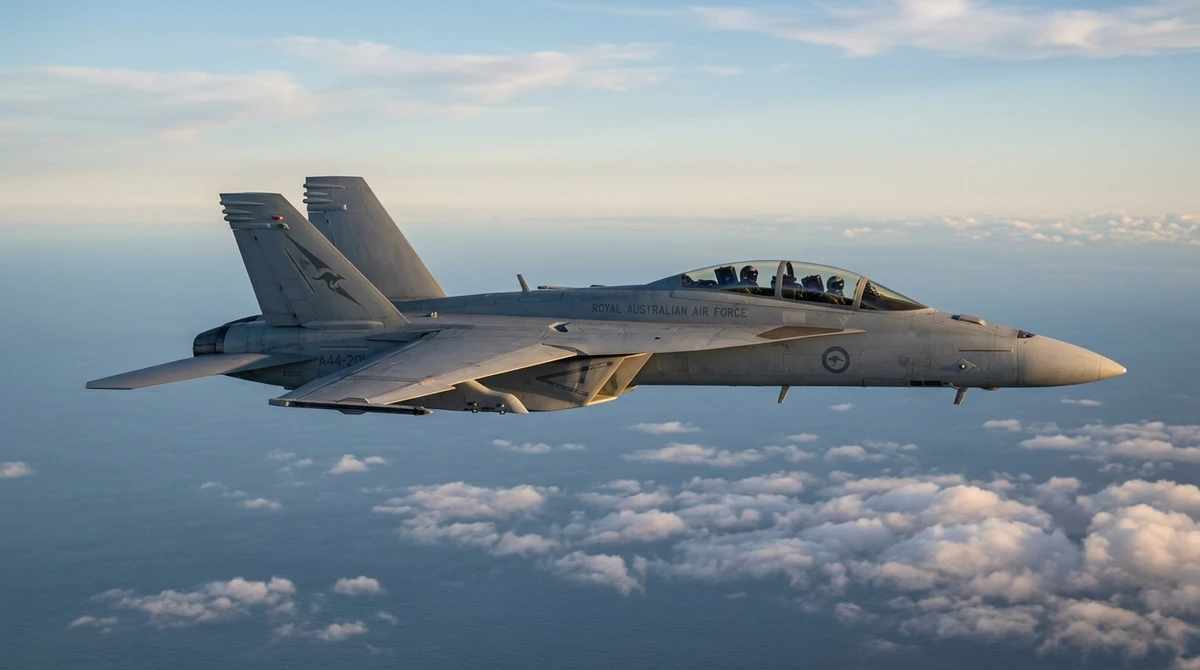
Australia Declares Initial Operational Capability for LRASM and JASSM-ER Stand-Off Missiles
Australia declared Initial Operational Capability on 11 September 2026 for the AGM-158C LRASM anti-ship missile and the AGM-158B JASSM-ER cruise missile, carried by Royal Australian Air Force F/A-18F Super Hornets and P-8A Poseidons.
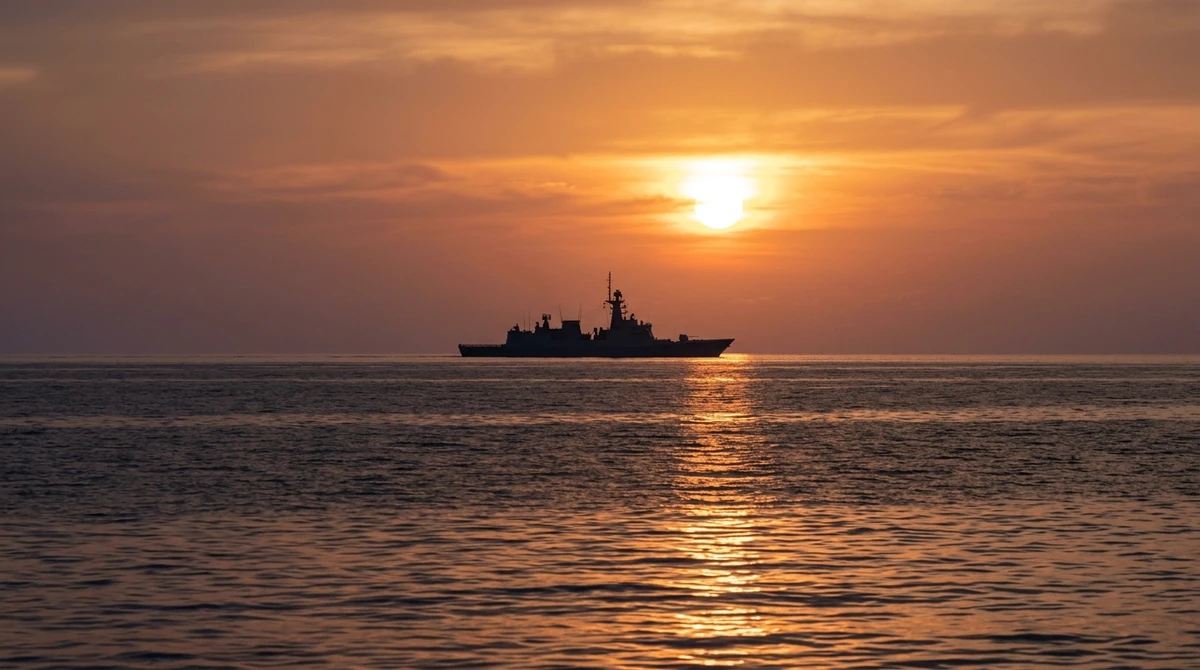
South Korean Warships Serve in Seven Foreign Navies, but Only Three Bought Them New
Hanwha Ocean was named preferred bidder for the Royal Thai Navy's next frigate on September 9, 2026; GlobalMilitary.net's inventories count 15 Korean-designed warships in seven foreign navies, nine of them second-hand corvettes.

Acting Navy Secretary Says Iran 'Blew the Hell Out of' Fifth Fleet Base in Bahrain
The acting US Secretary of the Navy told The Epoch Times on 9 September 2026 that Iranian strikes "blew the hell out of" Naval Support Activity Bahrain, headquarters of the Fifth Fleet, and that a task force is weighing whether to rebuild the base.

Hormuz Transits Average Three a Day in Early September, 96% Below the 2025 Norm
IMF PortWatch data published on GMN's Strait of Hormuz tracker shows commercial ship transits averaging 3.17 a day over 1-6 September 2026, against 85.5 a day in 2025; other counters read higher, but every independent count is a small fraction of the pre-war norm.