Pentagon Report Puts Iran War Aircraft Losses at Up to 30 Reapers, Four F-15Es and One A-10
A Department of Defense inspector general report on Operation Epic Fury, made public September 15, lists four F-15Es, one A-10, six helicopters, an MQ-4C and as many as 30 MQ-9 Reapers destroyed between February 28 and June 30, 2026, in an operation costed at $33.4 billion.
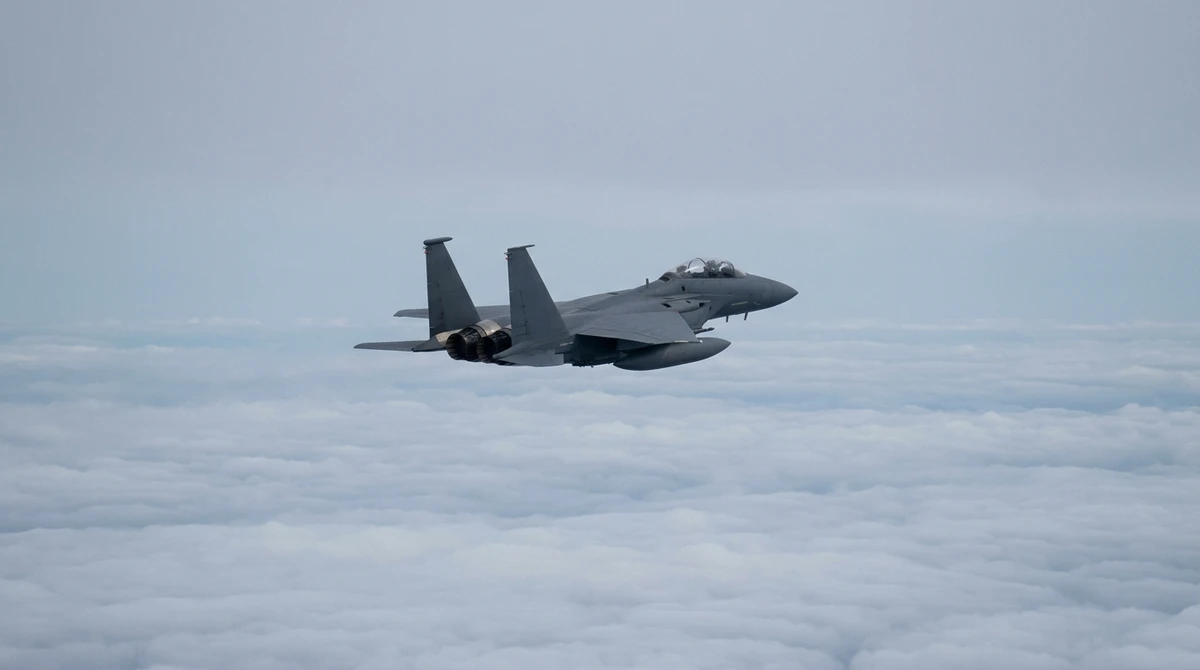
The US Department of Defense Office of Inspector General has listed four F-15E Strike Eagles, one A-10 and as many as 30 MQ-9 Reapers among the American aircraft destroyed during Operation Epic Fury, in a report on the 2026 Iran Conflict made public on September 15. The report covers the period from February 28 to June 30, 2026.
"The tally of destroyed aircraft includes four F-15Es, one A-10, four AH-6 helicopters, one AH-64 and one MH-60, as well as an MQ-4C drone and as many as 30 MQ-9 Reapers," Defense News reported on September 15. The fixed-wing losses are four F-15E Strike Eagles and a single A-10 Thunderbolt II. The rotary-wing losses are four AH-6 Little Birds, one AH-64 Apache and one MH-60. The unmanned losses are one MQ-4C Triton and up to 30 MQ-9 Reapers, the largest single line in the tally.
Al Jazeera's reading of the same report, also published September 15, adds aircraft that were damaged rather than destroyed: at least one F-35A, at least seven KC-135 Stratotankers damaged or destroyed, at least one E-3 Sentry and at least one HH-60W.
According to the inspector general's report, strikes by Iran damaged and destroyed hundreds of buildings and structures at US bases in Kuwait, Bahrain, Qatar, the UAE, Saudi Arabia, Iraq, Oman and Jordan. Major US installations in those countries include Al Udeid Air Base in Qatar, Ali Al Salem Air Base in Kuwait and Isa Air Base in Bahrain. The report does not break the aircraft losses down by installation, so none can be attributed to a particular base.
The report puts the total cost of the operation at $33.4 billion as of June 29: $22.3 billion in expended munitions, $3.7 billion in equipment losses and $7.4 billion in costs beyond CENTCOM's normal operations. US diplomatic facilities in four countries sustained damage estimated at $184 million, the report said. On personnel, Defense News reported 18 US service members killed as of August 27, a total Al Jazeera broke down as 11 killed in action and seven who died in non-hostile events.
The official tally can be set against an independent count. GlobalMilitary.net's log of military aircraft losses and deliveries, compiled from published reporting, records 48 US airframes lost across 36 logged events in the report's own window, February 28 to June 30. On the individual types the two counts are close. GMN's log carries 29 MQ-9 Reapers across 21 events against the Pentagon's "as many as 30," and matches the official figures on the F-15E (four), the AH-6 (four), the AH-64 (one), the A-10 (one) and the MQ-4C (one).
GMN's window also carries types absent from the destroyed list quoted by Defense News: two KC-135s, two C-130 Hercules, one MQ-1 Predator, one E-3 Sentry, one CH-53 Sea Stallion and one CH-47 Chinook. The KC-135 and the E-3 do figure in Al Jazeera's list of damaged aircraft. Across the whole conflict to date, February 28 to September 9, GMN has logged 113 air force events tagged to the conflict; US MQ-9 losses over that longer period total 48 airframes across 32 events.
The comparison has limits. GMN counts airframes, and a single logged event can carry several of them, which is why 21 Reaper events yield 29 airframes. The log is built from published reporting rather than official returns, and the Pentagon's own Reaper figure is given as a range. The two counts are consistent with each other; neither one verifies the other.
The inspector general's report stops at June 30. Losses after that date fall outside its scope, and the conflict tracker continues to be updated as further reporting is published.
More News
All news →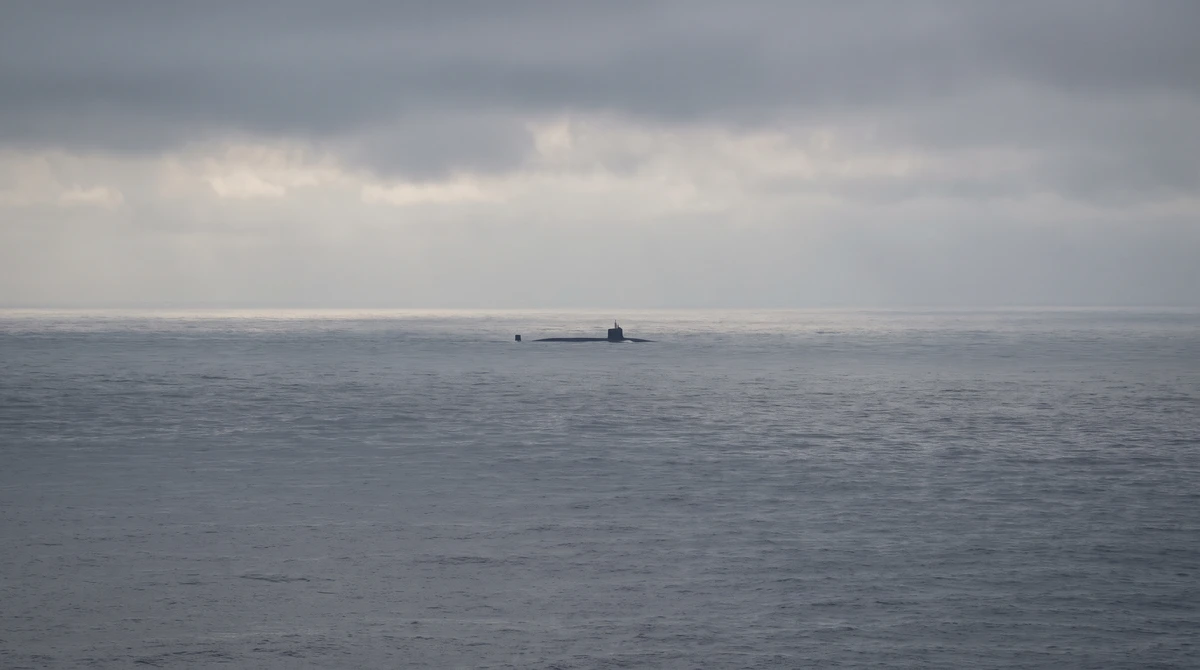
South Korea Approves Acquisition Strategy for Jangbogo N Nuclear-Powered Submarine
South Korea approved on November 6 the acquisition strategy for Jangbogo N, a domestically developed nuclear-powered submarine program due to start in 2027 with fielding in the late 2030s or later, the Defense Acquisition Program Administration said.
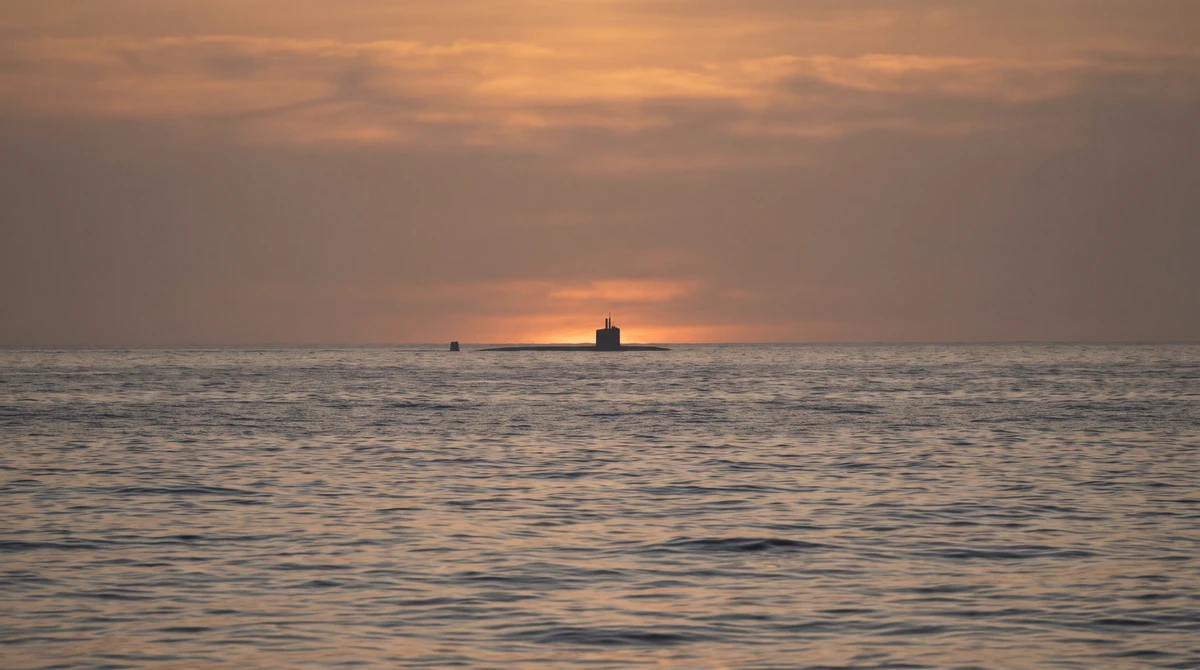
USS Los Angeles at 50: 18 of the 62 Boats of the 688 Class Still Serve in the US Navy
The lead boat of the US Navy's Los Angeles-class attack submarines was commissioned on 13 November 1976; fifty years on, 18 of the 62 boats built remain in commission while the Virginia class takes over, according to GlobalMilitary.net's inventory.
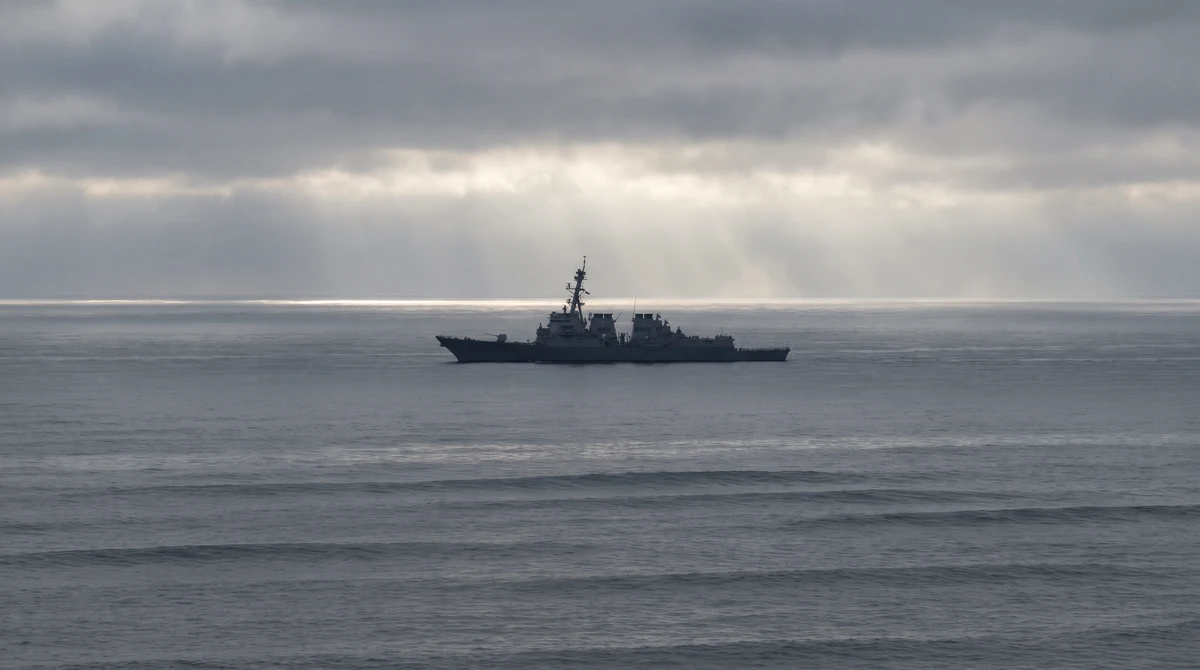
How Hot-Launch Mk 41 Cells and Cold-Launch Bulava Tubes Get a Missile Out of a Hull
The Mk 41 lights a missile's motor inside the ship and vents the blast through a plenum, while Bulava, Trident II and the S-300F are ejected before their motors ignite; DSIAC, Lockheed Martin and the US Navy spell out what each choice costs.
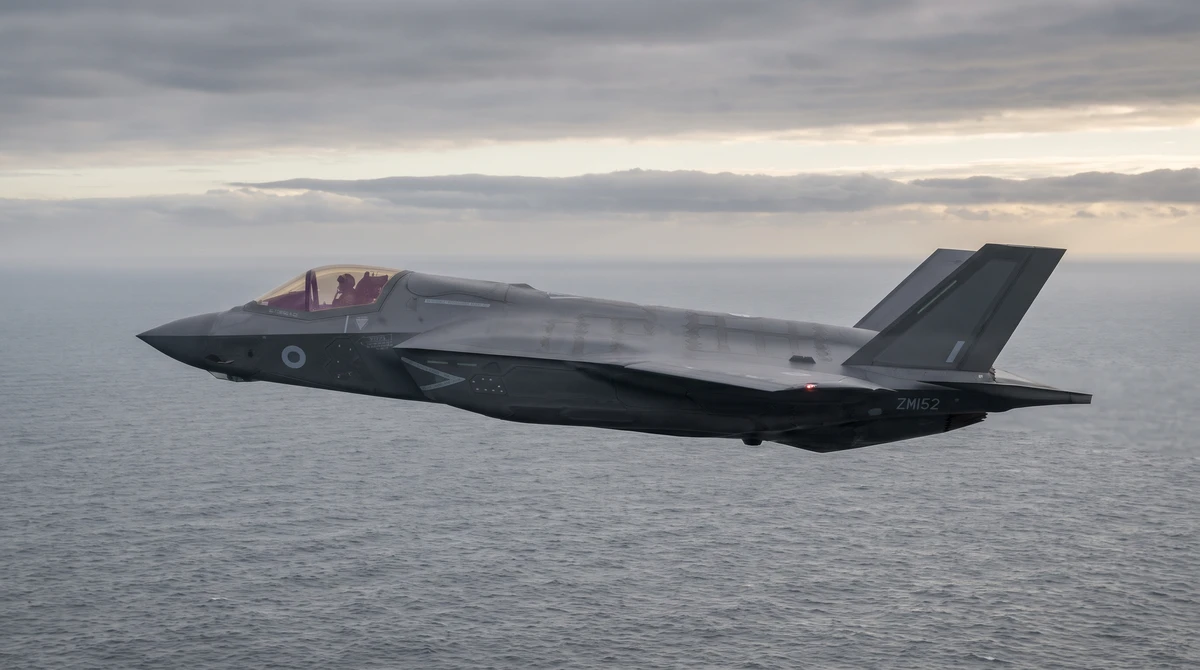
F-35B Completes First Meteor Missile Release From Its Internal Weapons Bay
An F-35B flown by a Royal Navy test pilot jettisoned an inert MBDA Meteor from its internal weapons bay at Naval Air Station Patuxent River, Maryland, on October 7, the F-35 Joint Program Office and MBDA said on November 5, the first of a series of trials ahead of live firings.
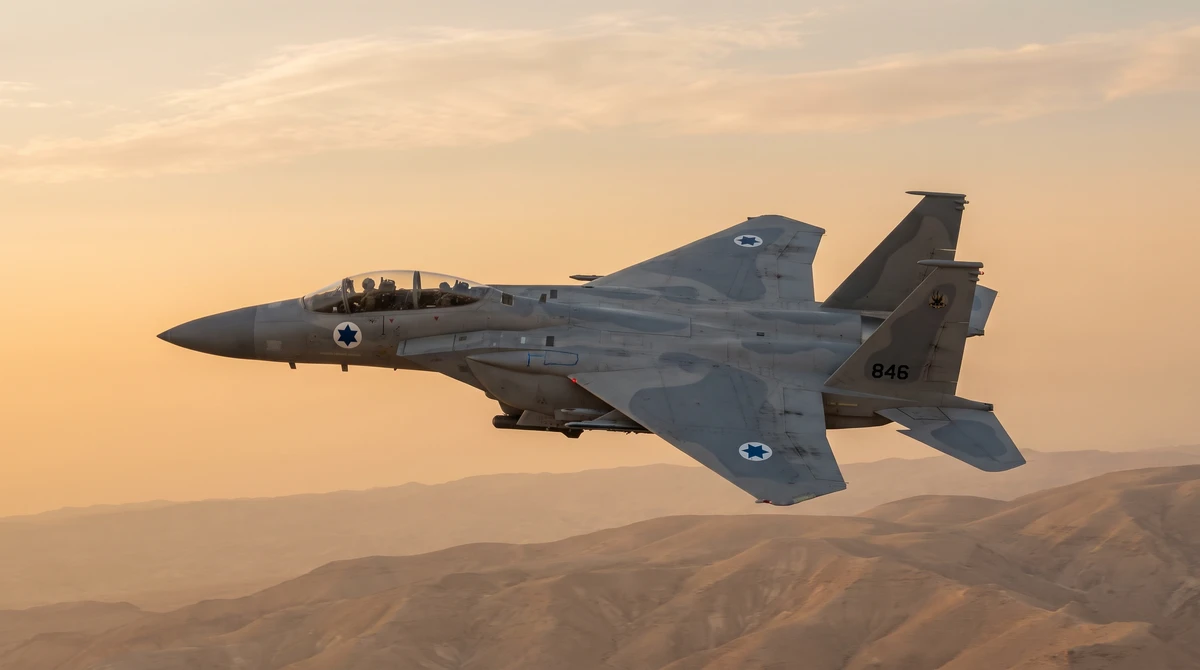
All 346 Israeli Air Force Combat Jets Are US-Built as Trump Says Aid Payments Will End This Year
President Trump said on November 3 that US payments to Israel of about $4 billion a year will end by year-end; GlobalMilitary.net data shows the Israeli Air Force, whose 346 combat aircraft are all US types, is the branch built on American equipment, while Israel's tanks are home-built.
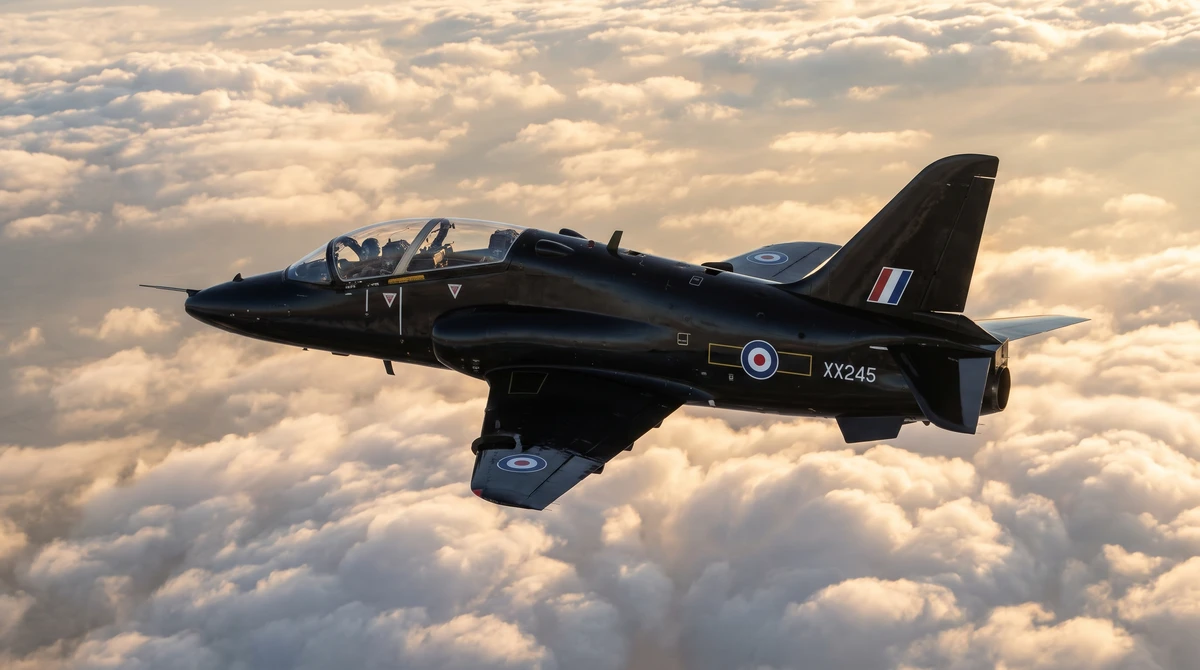
Hawk Jet Trainer at 50: RAF Launches Replacement Program as US Navy Moves to Replace T-45 Goshawk
Fifty years after the Hawk entered Royal Air Force service in late 1976, the UK Ministry of Defence has opened a Jet Training System program to replace it and the US Navy is in source selection for a successor to its Hawk-derived T-45 Goshawk, with an award intended for fiscal 2027.