US Navy Awards Raytheon Up to $24.4 Billion Multiyear Contract for SM-6 Missiles
The US Navy on Oct. 1, 2026 awarded RTX's Raytheon unit a multiyear contract worth up to $24.4 billion for Standard Missile-6 interceptors, a five-year deal with two option years whose quantities remain undisclosed and whose funding Congress has yet to appropriate.
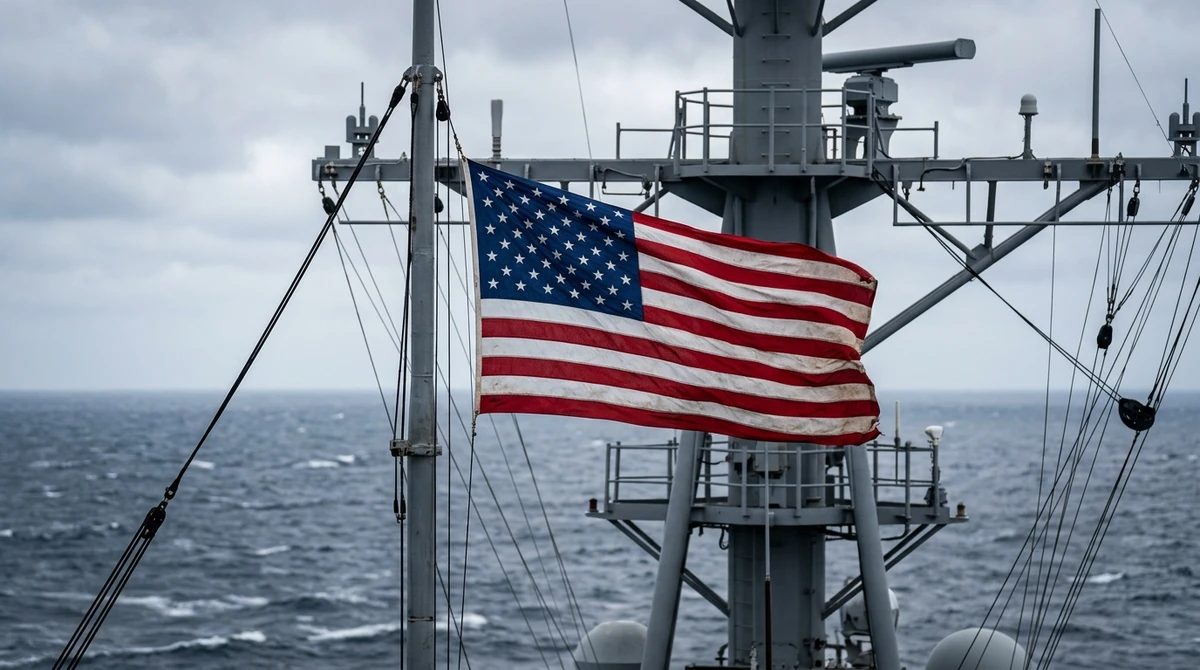
The US Navy on Thursday, Oct. 1, 2026 awarded RTX's Raytheon unit a multiyear contract worth up to $24.4 billion to produce Standard Missile-6 (SM-6) interceptors, the service said in an announcement reported by Reuters and Defense News. The deal carries a five-year firm term plus two option years, according to the Navy and RTX.
The acting Secretary of the Navy announced the award as part of the service's efforts to accelerate weapons production, Baird Maritime reported. The Navy said the contract commits procurement over multiple years and that the long-term arrangement gives industry stable, predictable conditions to expand output while generating cost savings. Quantities and delivery schedules remain unspecified, according to Baird Maritime.
"Combat credibility depends on having enough weapons, produced at the speed and scale the fleet requires," the Chief of Naval Operations said in the statement quoted by Baird Maritime. "This SM-6 award gives industry the demand signal and stability to expand production, strengthen the munitions industrial base, and build the magazine depth our fleet needs."
The award is the latest in a series of large US munitions contracts this year, as the Pentagon pushes to replenish stockpiles depleted by conflicts in the Middle East, according to Reuters. It follows a $20.7 billion provisional multiyear deal for Raytheon's AMRAAM air-to-air missile in late September, and a $58.6 billion Patriot interceptor contract awarded to Lockheed Martin in July. GMN covered the AMRAAM award and the Patriot deal, as well as a $22.9 billion Tomahawk contract to Raytheon in August. Industry executives have warned that Congress has not yet appropriated funding for the deals, Reuters reported, meaning contractors may be unable to invest at scale until lawmakers act.
RTX said the order builds on five framework agreements announced with the Department of War in February 2026, which set an annual SM-6 production target of more than 500 missiles, according to Baird Maritime. Raytheon also received a separate $333 million Navy contract for SM-6 Block IA missiles in January 2025, with production scheduled for completion in 2027, the outlet reported.
Raytheon describes the SM-6 as the only combat-proven weapon able to perform anti-air warfare, anti-surface warfare and ballistic missile defense, a claim reported by Reuters, which noted that the missile has been fired from a range of Navy ships and from land-based launchers. US Navy surface combatants fired 80 SM-6 missiles between October 2023 and January 2025 while countering Houthi attacks on shipping, the then-head of Naval Surface Forces told a Surface Navy Association conference in January 2025, according to Baird Maritime.
GMN data lists three operators of the SM-6: the United States, Japan and Australia. GMN's US Navy inventory counts 75 active Arleigh Burke-class destroyers and 5 active Ticonderoga-class cruisers. The SM-6 sits alongside the SM-3, the Navy's dedicated exo-atmospheric ballistic missile interceptor; GMN's comparison of the two missiles sets out how their roles differ.
Whether the contract delivers the production ramp the Navy is seeking now depends on Congress, since the funding behind this and the other multiyear munitions awards has not yet been appropriated, according to Reuters. Until quantities and delivery schedules are disclosed, the February framework's target of more than 500 SM-6 missiles a year is the program's published production goal.
More News
All news →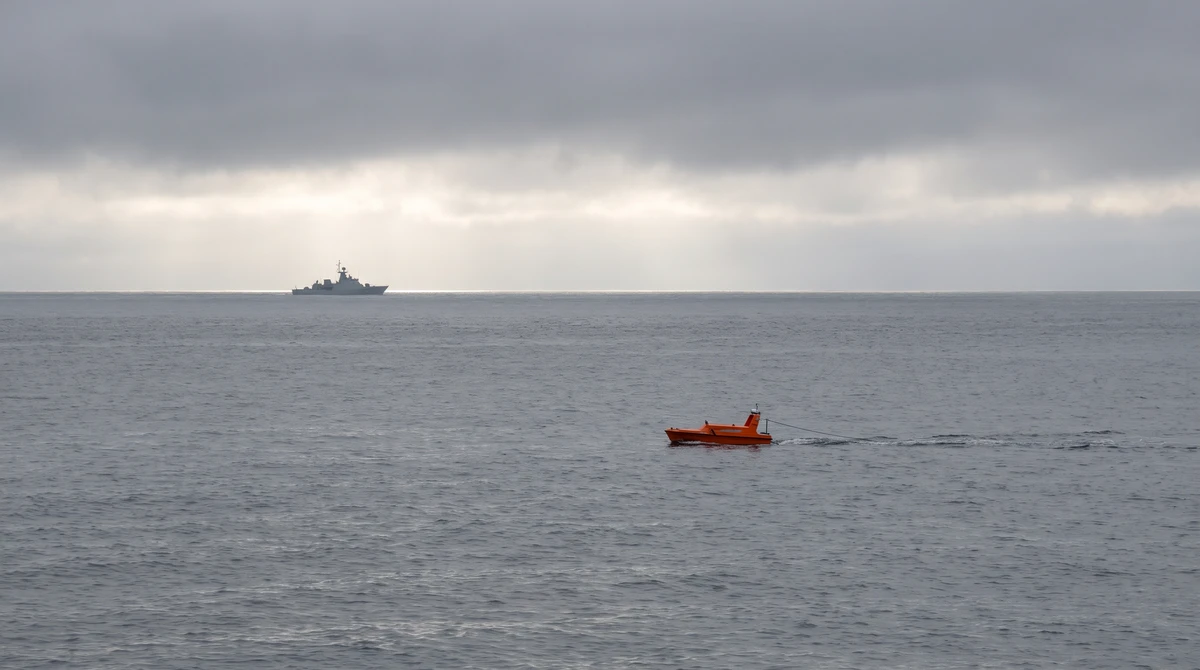
How Crewed Minehunters and Drone Motherships Find and Destroy Sea Mines
The three motherships the UK said on November 12 it will buy are meant to stay outside the minefield and send uncrewed boats, towed sonars and underwater vehicles in, where today's non-magnetic minehunters and their divers go themselves.
US Army Aviation, Larger Than All but Two Foreign Militaries' Air Fleets, Sees Class A Flight Mishaps Double
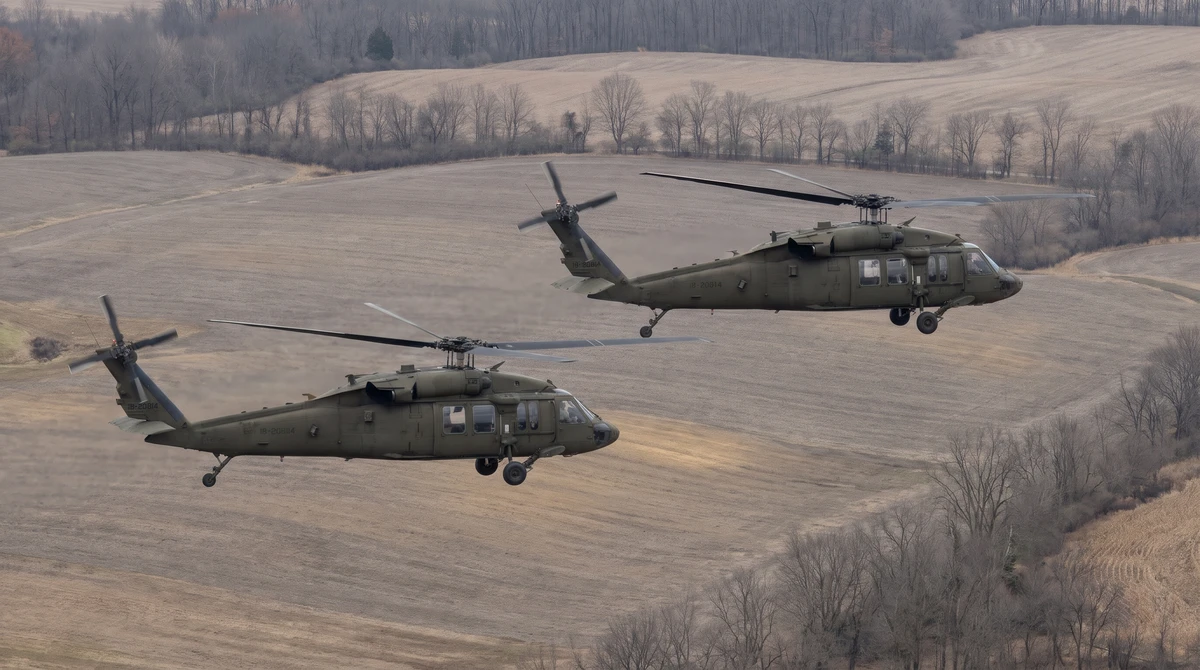
The Army's aviation branch fields 4,263 aircraft and about one in five of the world's military helicopters on GMN's count, and its own safety newsletter lists 10 Class A flight mishaps in fiscal 2026, up from five, as the under secretary says readiness is below goal.

UK Has Paid General Dynamics £1.76 Billion for Ajax Since 2023 as Minister Approves Training Restart
The UK Ministry of Defence told Parliament on November 16, 2026 that it has paid General Dynamics Land Systems UK £1,756 million for the Ajax program since 2023, a day before the minister responsible confirmed he had approved the restart of Army training on the vehicle.

Senate Energy Bill Funds a New B94 Nuclear Bomb at $77.1 Million, Cuts SLCM-N Warhead by 59%
The Senate Appropriations Committee's fiscal 2027 Energy and Water Development bill, released on November 12, 2026, opens a B94 line at $77.108 million and reduces the W80-5 warhead for the nuclear sea-launched cruise missile from $186.0 million to $76.9 million.

Senate FY2027 Defense Bill Adds F-35s and a Second Destroyer, Cuts F-15EX Buy From 24 to 18
The Senate Appropriations Committee's fiscal 2027 defense bill, released on November 16, 2026, funds more F-35s, C-130Js and a second DDG-51 than requested, and fewer F-15EX, P-8A, KC-130J and E-2D aircraft, its explanatory statement shows.
Senate Appropriators Fund 4 of 12 P-8A Poseidons as Worldwide Fleet Stands at 171 Aircraft
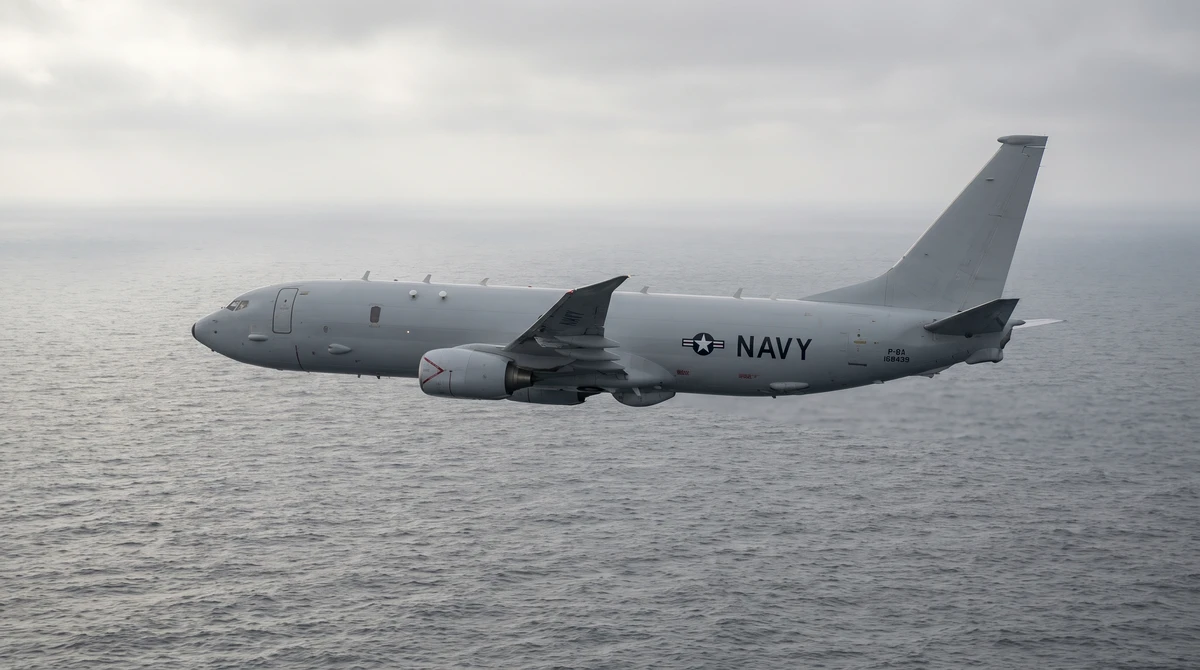
The Senate Appropriations Committee's fiscal 2027 defense bill, released November 16, 2026, funds four of the 12 P-8A Poseidons the US Navy requested, a cut to an aircraft GlobalMilitary.net's inventory data counts at 171 in service in eight countries.